

Book a Manta Ray Night Snorkel in Kailua Kona
Picture yourself floating at night above a glowing light board as a manta ray rises from the dark water and glides beneath you. To experience manta ray Kailua Kona at its best, book a small-group night snorkel that includes flotation support, snorkel gear, a safety briefing, and guides who keep the encounter respectful for both guests and rays.
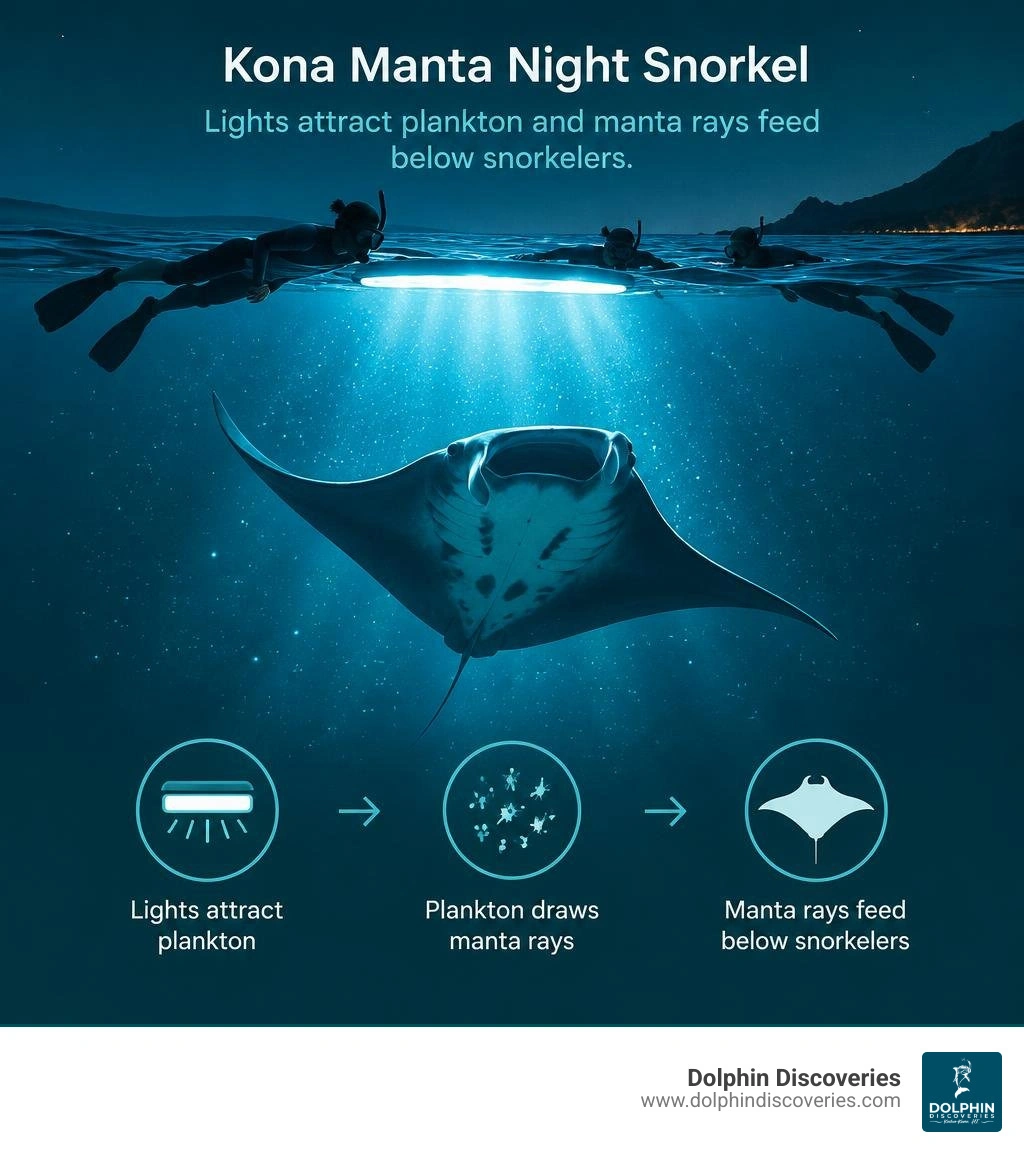
Kona's leeward coast is one of Hawaii's most reliable places to see manta rays after sunset. The lights attract plankton, and the rays arrive to feed, often making slow passes and graceful barrel rolls below the surface. Tours commonly run for about two hours, and summer brings warm water around 75 to 80 F, though manta sightings are possible year-round.
This is a wild-animal encounter, not a guarantee. Choose an operator that follows no-touch rules, keeps guests safe and secure in the water, and gives you useful naturalist insights before you enter.
I'm Shelley Carey, and I'll help you plan a Kona manta evening that puts safety, wildlife respect, and the real wow moment first.
Manta ray kailua kona vocab to learn:
- Kailua-Kona Snorkeling Guide
- Captain Cook Snorkeling Ultimate Guide
- Snorkeling Kailua Kona Ultimate Guide
Why the Manta Ray Kailua Kona Encounter Is Hawaii's Top Bucket List Adventure
The Big Island of Hawaii offers dramatic volcanic landscapes above sea level, but what happens right along the Kona Coast after dark is truly surreal. While you can find vibrant coral reefs and marine life throughout the archipelago, Kailua-Kona has earned international acclaim as the premier destination on the planet to see reef manta rays (Mobula alfredi) up close.
The reason for this phenomenon comes down to unique local geography and oceanography. The Kona district sits sheltered on the leeward side of two massive shield volcanoes: Mauna Loa and Hualalai. These mountains block the prevailing trade winds, creating calm, protected coastal waters nearly every night of the year. When combined with localized upwelling that brings nutrient-dense water closer to shore, it creates the perfect nursery for micro-plankton, the sole diet of these gentle filter feeders.
When you learn about manta rays, you discover that they are among the most intelligent creatures in the ocean, boasting the largest brain-to-body ratio of any fish. Unlike stingrays, they have no venomous tail barb, no stinging spine, and no teeth for biting. They glide effortlessly through the water column using their broad cephalic fins to direct microscopic zooplankton into their wide mouths.
| Island / Region | Primary Encounter Type | Sighting Reliability | Ocean Conditions | Group Sizes |
|---|---|---|---|---|
| Kona Coast (Big Island) | Night Snorkel & Scuba (Light Board) | Extremely High (Year-round) | Very Calm (Sheltered Leeward Coast) | Small Groups & Large Boats |
| Maui (South/West) | Daytime Reef Sightings | Low to Moderate (Opportunistic) | Moderate Swell & Wind Chop | Varies |
| Oahu | Daytime Reef Encounters | Rare (Unpredictable) | Moderate to High Currents | Varies |
| Kauai | Coastal Swims | Extremely Rare | Variable / Exposed Ocean | Varies |
Unlike daytime tours elsewhere in Hawaii where finding pelagic life requires scouring miles of open blue water, Kona provides a reliable, established hub. The shallow volcanic shelves create natural amphitheaters where rays have gathered for decades, turning an evening swim into a life-changing connection with marine life.
Best Time and Conditions for Manta Ray Kailua Kona Sightings
One of the great things about planning an adventure in September 2026 or any time throughout the calendar year is that manta rays in Kailua-Kona do not migrate. They are residential animals that stay along the Kona Coast for decades. Tour boats operate every single evening, departing shortly before sunset to position guests right as twilight fades.
While manta rays feed 365 days a year, seasonal water patterns can influence your personal comfort:
- Summer Months (Peak Season): Ocean temperatures average a balmy 75 to 80°F (24 to 27°C). The water is typically glassy and warm, making longer floats effortless.
- Winter & Spring Months: Water temperatures hover between 72 and 75°F (22 to 24°C). The manta activity remains consistent, but a thicker wetsuit top keeps you warm while floating.
- Moon Phases: While mantas feed under all moon phases, darker nights around the new moon often cause the plankton to concentrate heavily around our high-output floating light boards. On full moon nights, ambient natural light spreads plankton out, but our specialized blue and white beams still draw robust crowds of hungry rays.
- Ocean Clarity: Kona features remarkable visibility, often exceeding 60 to 80 feet even after sunset. Because our run to the manta sites takes place inside protected bays, visibility remains crisp.
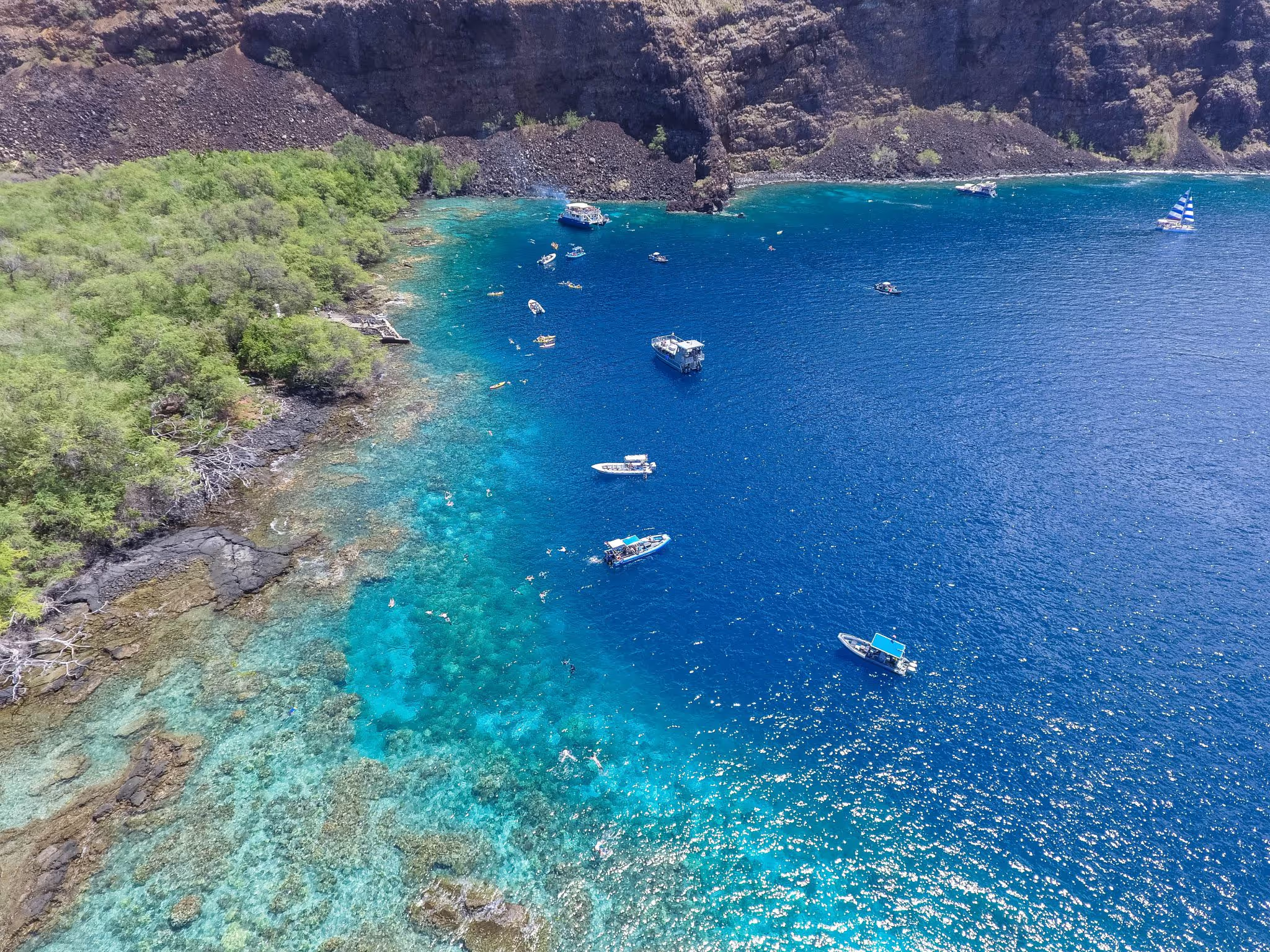
Many travelers also enjoy Manta ray snorkeling in Kona near Keauhou Bay because the calm waters of the bay provide quick, comfortable access to the feeding grounds.
Top Viewing Spots Along the Kona Coast
There are two primary locations along the Kona Coast where manta ray night snorkeling takes place:
- Keauhou Bay (Manta Village): Located just south of Kailua-Kona town, this is the historic birthplace of manta ray night viewing. In the 1970s, shore lights from coastal properties began attracting clouds of plankton, and the mantas quickly learned to associate the illumination with a feast. Our small-group tours depart right from Keauhou Bay, meaning you get a quick 5-minute boat ride to the manta site rather than spending an hour commuting on rough water.
- Makako Bay (Manta Heaven / Garden Eel Cove): Situated north of town near the Kona International Airport, this site also features strong manta activity. It is slightly more exposed to north swells in the winter months but remains a secondary hub for both divers and snorkelers.
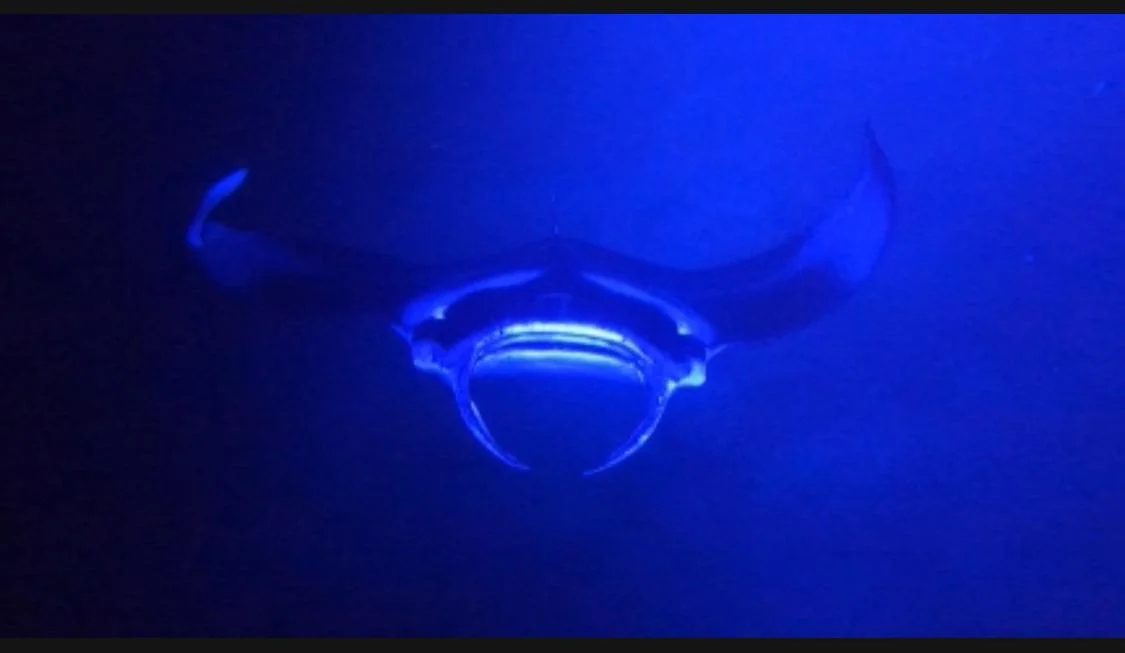
At both locations, the heart of the experience is our custom-engineered light board. Often described by our guests as a "floating campfire," this buoyant raft points powerful, eco-friendly lights straight down into the sea. The bright light column traps millions of tiny zooplankton, creating an illuminated stage right under your mask.
What to Expect on a Night Snorkel Adventure
If you are wondering what happens from check-in to your return to the harbor, our what to expect on your trip breakdown provides total peace of mind. First-time night snorkelers are often nervous about stepping into the ocean after dark, but our process is organized, calm, and designed to keep everyone safe and secure.
Most tours run between 2 and 3 hours from start to finish, with 40 to 45 minutes spent directly in the water floating with the rays.
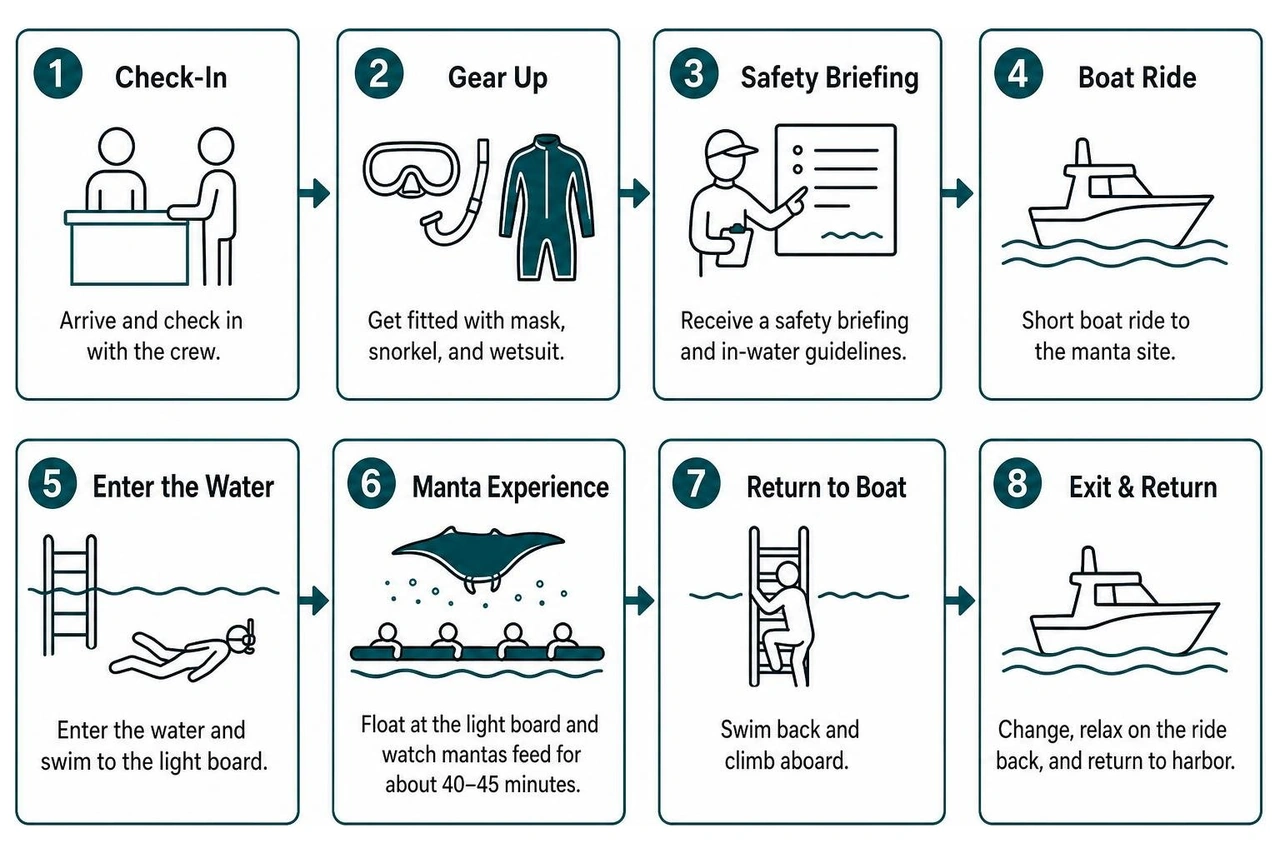
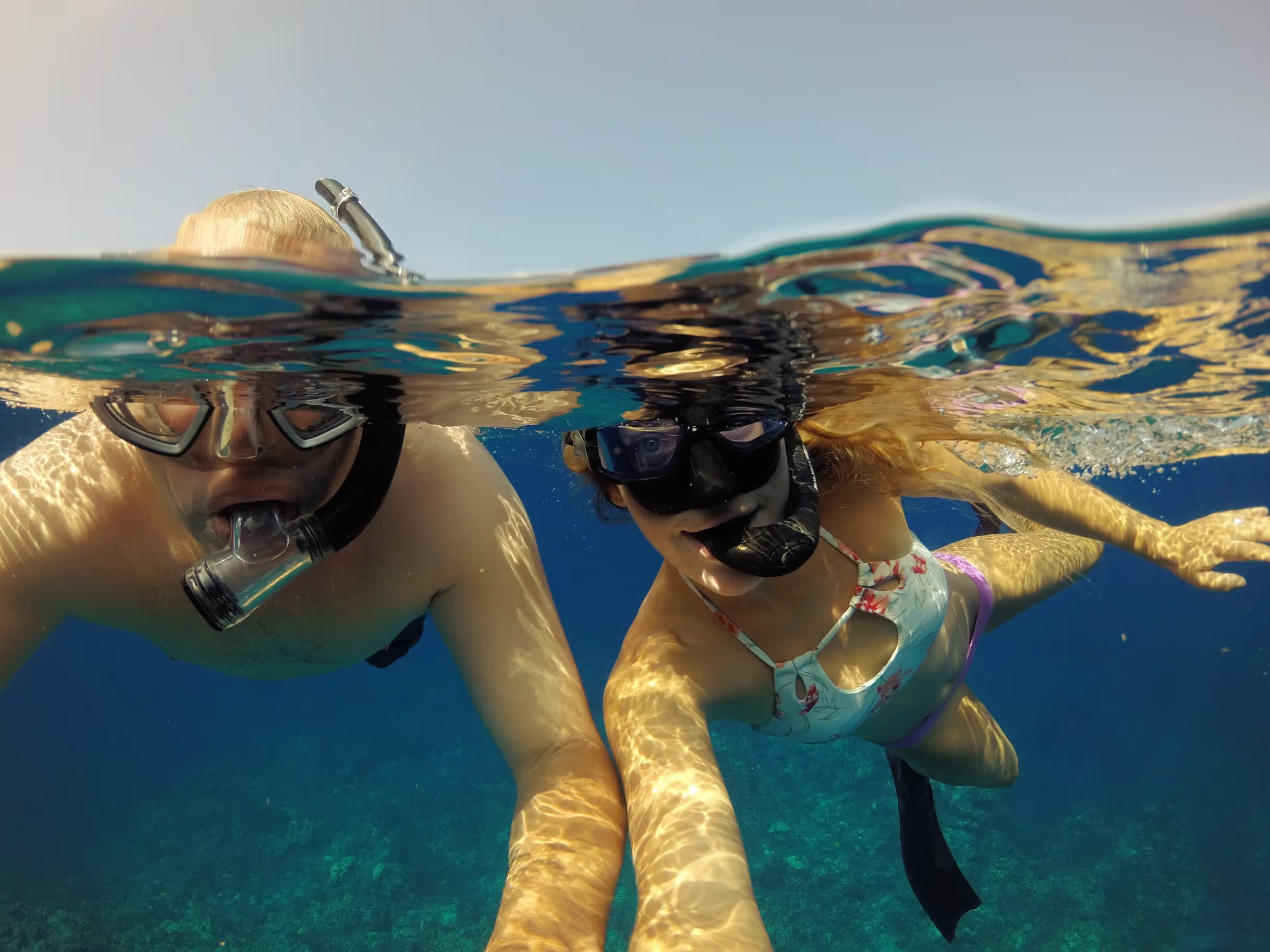
Before boarding, your naturalist crew equips you with professional-grade snorkel masks, snorkels, and high-quality wetsuits that provide both warmth and natural buoyancy. You will receive a thorough safety briefing covering the boat layout, in-water etiquette, and manta ray biology.
Our focus is always on providing an authentic experience without the chaotic crowds associated with large "cattle-maran" commercial boats. We keep group sizes intimate, allowing our naturalist guides to answer questions and assist every swimmer individually. For complete preparation tips, browse our night snorkel manta rays guide.
In-Water Experience and Floatation Support
Once our fast, rigid-hull boat secures its mooring, your guide helps everyone slip gently into the water. You do not need to kick your fins or swim laps. Instead, you simply place your hands on the secure handles of our custom floating campfire raft.
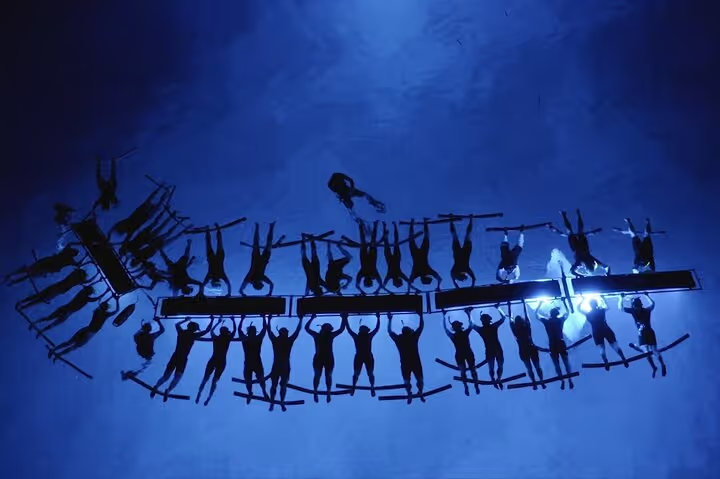
You lay completely flat at the surface, resting on the raft while wearing your snorkel. Looking down through your mask, you will see a bright cone of light penetrating the deep ocean. Within minutes, the show begins.
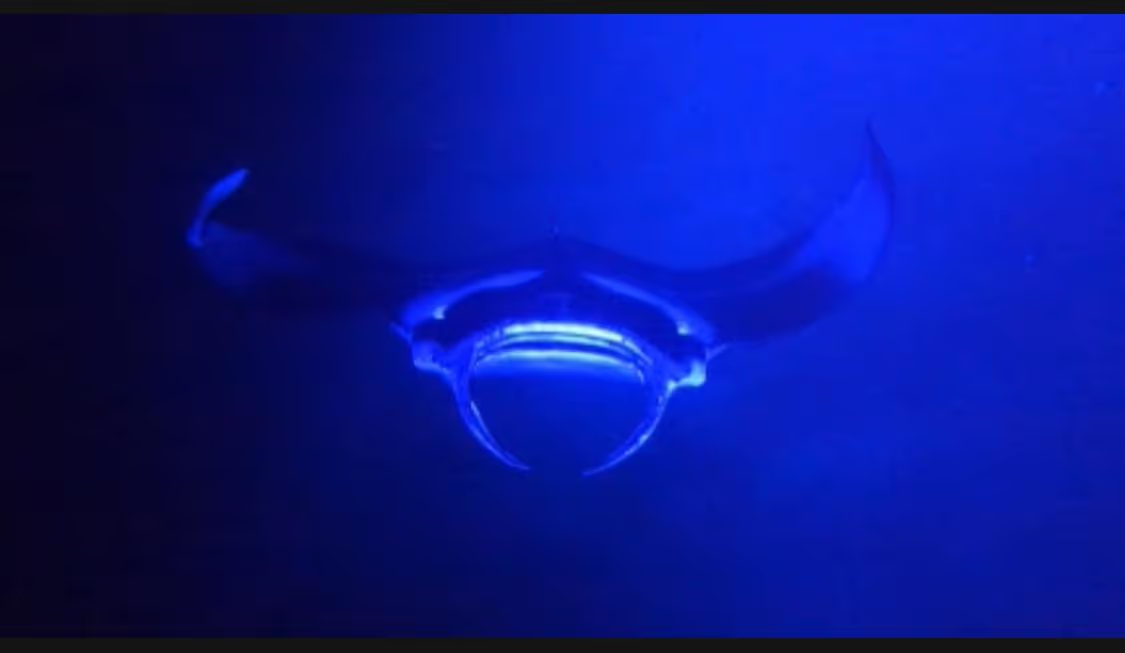
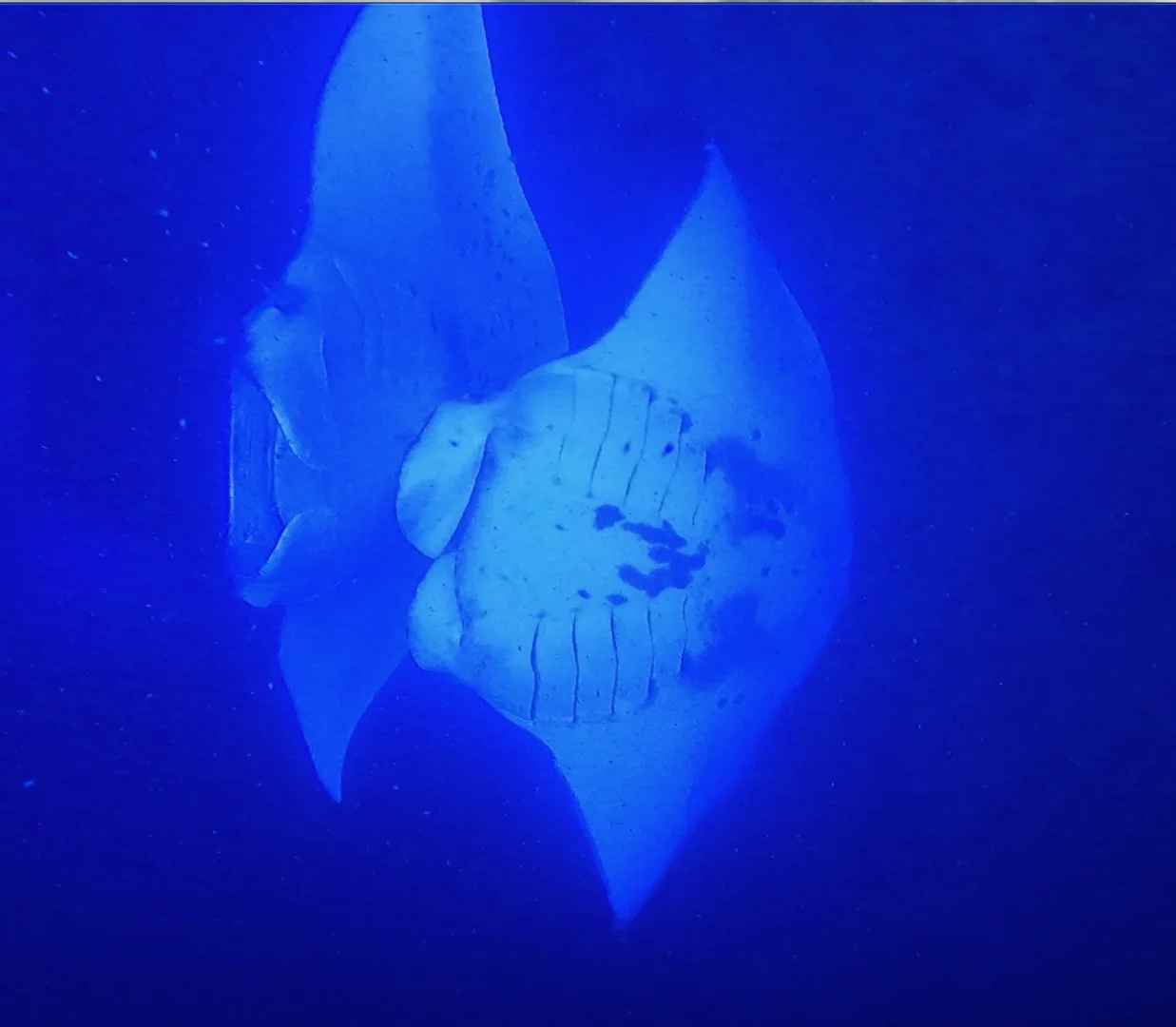
Mantas with wingspans ranging from 6 to 14 feet wide glide up from the dark bottom. They open their enormous, cavernous mouths and execute majestic, backward somersaults (known as the "barrel roll") just inches below your chest. Because mantas feed by skimming the concentrated plankton closest to the light source, they roll repeatedly right beneath the raft, showing off the unique black-and-white spot patterns on their bellies.
Crafting the Perfect Manta Ray Kailua Kona Evening Itinerary
A manta night snorkel pairs easily with other daytime Big Island adventures to make the most of your Kona stay.
Here is how we recommend spending your day leading up to the night snorkel:
- Morning: Explore the vibrant coral gardens and sea turtles (Honu) along the south Kona coastline on our 4-hour Kona snorkel tour, which stops at two premier reef locations. If you have a larger family or group, consider chartering a Kona private boat tour for a customized Holo Holo day on the ocean.
- Afternoon: Stroll down historic Ali'i Drive in Kailua-Kona. Browse local artisan shops, grab a fresh shave ice, or relax on the warm sands of Magic Sands Beach.
- Late Afternoon / Sunset: Enjoy an early seaside dinner or pupus at a waterfront open-air restaurant overlooking Keauhou or Kailua Bay. The sunset over the leeward horizon provides breathtaking orange and violet skies.
- Evening: Arrive at Keauhou Bay for your check-in with Dolphin Discoveries, slip into your gear, and set out for your night encounter.
Essential Guidelines and Ethical Wildlife Viewing
The manta ray community along the Kona Coast thrives because local ocean operators and marine naturalists abide by strict eco-tourism standards. Manta rays are wild, sensitive animals, and protecting their habitat is our core responsibility.
Every guest must adhere to simple, passive observation rules:
- The Strict No-Touching Rule: Never attempt to reach out, pet, or touch a manta ray. Mantas are covered in a protective mucous coating that shields them from skin infections and harmful marine bacteria. Touching them strips away this barrier and disrupts their natural feeding cycles.
- Stay Flat on the Surface: Snorkelers must keep their legs flat behind them at the surface rather than treading water vertically. This gives the rays the full, unobstructed water column beneath you to perform their feeding rolls safely.
- Reef-Safe Habits: Avoid kicking down toward shallow coral structures near the bay floor.
- Flash Photography Restrictions: Turn off bright camera flash strobes, which can temporarily disorient the rays. Natural video and low-light action photography under our raft lights work best.
To see what fellow travelers say about our team's commitment to wildlife preservation and attentive small-group hosting, you can check out verified reviews and traveler feedback online.
Frequently Asked Questions About Kona Manta Ray Snorkeling
Are manta rays dangerous to swim with?
No, manta rays are completely harmless to humans. They do not possess a venomous tail stinger, stinging spine, or sharp teeth. They are gentle filter feeders that survive entirely on plankton. While their massive wingspan can look intimidating at first, their gentle, calm nature makes swimming alongside them completely safe.
What happens if we do not see manta rays?
Manta rays are wild marine animals that move freely throughout the open ocean. Sighting rates in Kona are among the highest in the world, consistently exceeding 85 to 90 percent over the course of the year. However, nature can occasionally be unpredictable. If mantas do not appear during your tour, reputable operators provide options to join another trip on a standby basis.
Can non-swimmers participate in the night snorkel?
Yes, non-swimmers and beginner snorkelers participate regularly. Because our illuminated light boards offer complete flotation support, you do not need to tread water or swim long distances. As long as you feel comfortable putting your face in the water with a mask and snorkel while holding onto the raft handles, our naturalist guides will stay right beside you to ensure you feel secure throughout the entire float.
Conclusion
Floating in the warm, dark Pacific waters off Keauhou Bay while giant manta rays glide gracefully below is one of the most rewarding ocean experiences in the world. With knowledgeable naturalist insights, high safety standards, and deep respect for the ocean, our team at Dolphin Discoveries treats every guest like Ohana.
If you are ready to check this adventure off your list, explore our Manta Ray Night Snorkel Kona trip or contact Dolphin Discoveries to plan your evening on the water. Mahalo Nui and Aloha.