

Start With Kailua-Kona's Best Ocean and Island Experiences
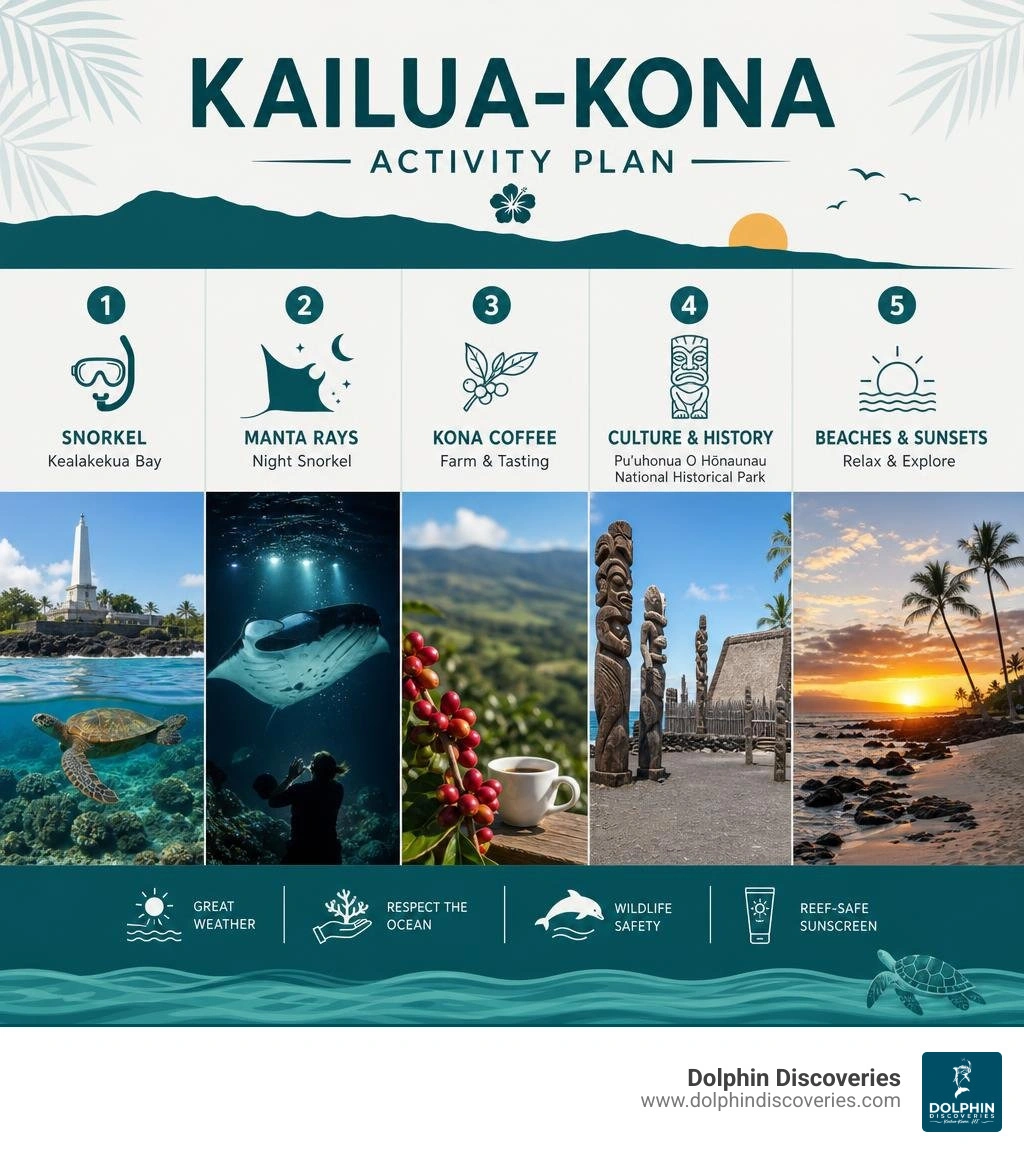
The best things to do in Kailua-Kona, Hawaii pair a small-group ocean tour with a few easy land adventures: snorkel Kealakekua Bay, watch manta rays feed after dark, visit a Kona coffee farm, explore Puʻuhonua O Hōnaunau, and spend time at a beach such as Kahaluʻu or Kua Bay.
For a simple first-trip plan, prioritize:
- A daytime snorkel trip to clear-water reefs and Captain Cook Monument.
- A manta ray night snorkel, where rays often glide beneath illuminated floats.
- A Kona Coffee Belt visit for a farm tour and tasting.
- A cultural stop at Puʻuhonua O Hōnaunau National Historical Park.
- A beach or sunset walk along Aliʻi Drive or the coast.
Kona's leeward location helps make this easy to plan. Temperatures generally stay between 71 and 78 F through the year, and the area averages about 27 inches of rain annually. Still, ocean conditions change daily. Choose reef-safe sunscreen, never touch coral or marine life, and give wild dolphins plenty of space.
At Dolphin Discoveries, we believe the strongest Kona days are built around safe, respectful time on the water, then leave room for the island's history, food, and volcanic landscape. I am Shelley Carey, and this guide will help you choose the experiences that fit your time, budget, and sense of adventure.
Discover more about things to do in kailua-kona hawaii:
Top Ocean Adventures & Things to Do in Kailua-Kona Hawaii
The calm waters off the Kona Coast offer some of the most dynamic marine environments in the Pacific. Because the massive volcanoes of Mauna Loa and Hualālai block the dominant trade winds, our leeward waters remain exceptionally calm, warm, and clear year-round. An average cloud cover of 57% keeps the daytime sun comfortable while you explore offshore reefs.
When taking part in ocean activities, respecting the marine ecosystem is vital. Practicing ethical wildlife encounters means never chasing or touching sea life, wearing mineral-based reef-safe sunscreen (free of oxybenzone and octinoxate), and respecting protected marine preserves. For an exhaustive overview of the best coastal outings, check out our Kona Snorkel Trips Ultimate Guide.
Manta Ray Night Snorkeling: Kona’s Signature Thrill
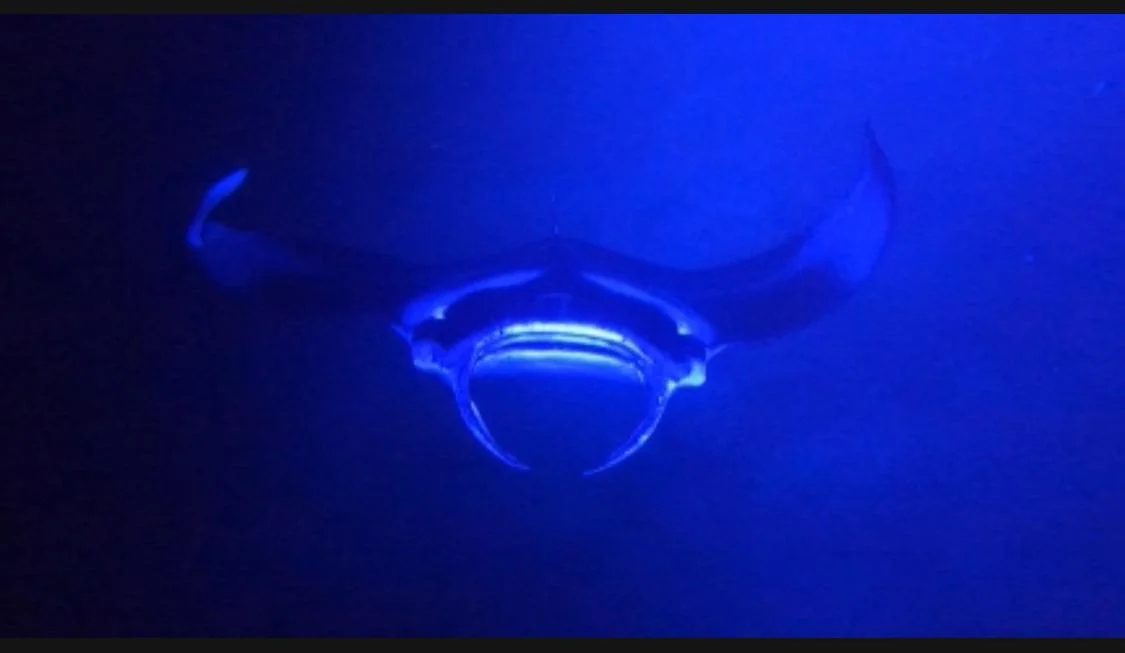
Floating in the dark ocean while gentle ocean giants perform barrel rolls beneath you is Kona's most famous adventure. Manta rays (Mobula alfredi) possess wingspans exceeding 12 feet, yet they are harmless filter feeders lacking stingers or sharp teeth.
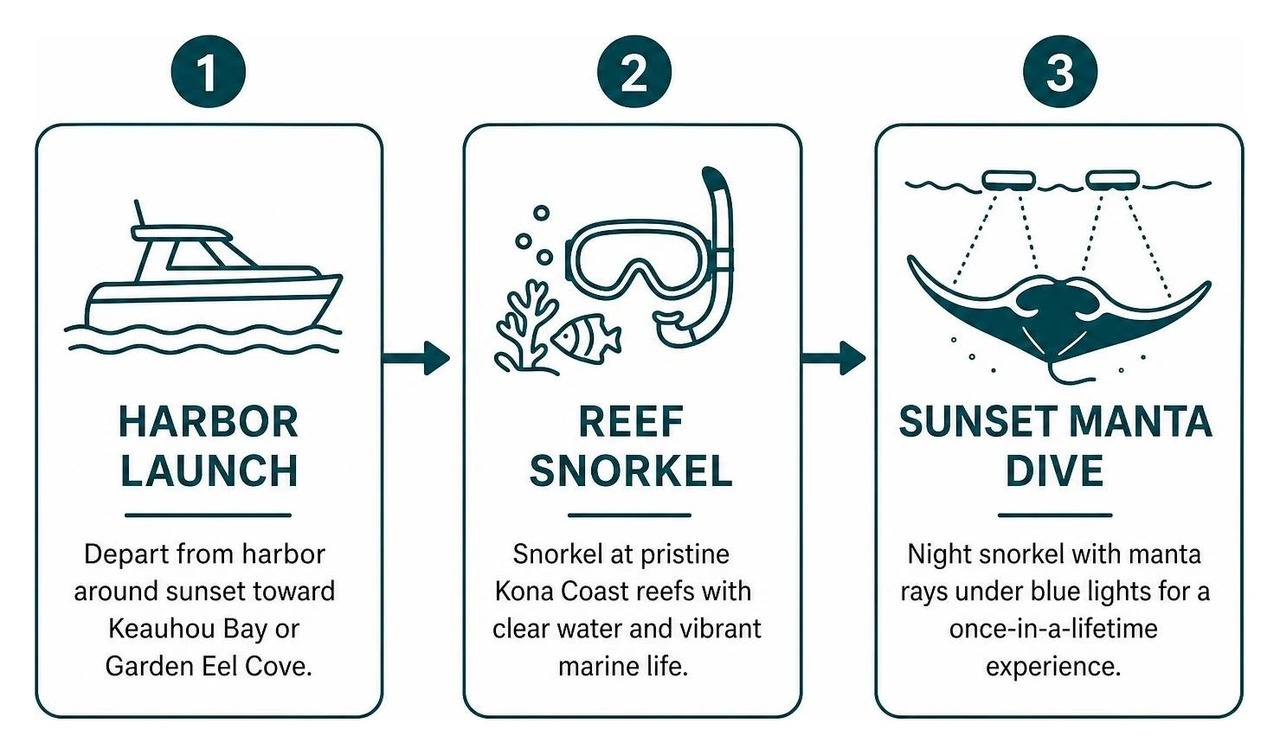
Night tours set out around sunset toward viewing sites near Keauhou Bay or Garden Eel Cove. Specialized high-powered blue lights are suspended into the water from custom float boards. These lights attract clouds of microscopic phytoplankton, which in turn draw the mantas for a feeding feast.
Snorkelers hold onto the illuminated board at the surface while mantas glide within inches, scooping up plankton with their wide cephalic fins. Across the Kona coast, the sighting success rate runs above 90% on any given night. Standard evening excursions last approximately two hours, with typical market rates running $118–$135 per adult. At Dolphin Discoveries, our dedicated Manta Ray Night Snorkel Kona starts at $99.99 per person for a two-hour small-group trip departing directly from Keauhou Bay.
Snorkeling Kealakekua Bay and Captain Cook Monument
Kealakekua Bay is a designated Marine Life Conservation District that features some of the most pristine coral reefs in the state of Hawaii. With underwater visibility regularly extending up to 80 feet, you can clearly see vibrant finger coral, lobe coral, yellow tangs, parrotfish, and green sea turtles (honu).
Accessing the remote shoreline at the Captain Cook Monument by foot requires a steep 3.8-mile round-trip trek under direct sun, and unpermitted kayak beach landings are strictly prohibited. The best, safest, and most ecologically sound way to experience the reef is via boat. Booking our naturalist-led Captain Cook Snorkel Tour ($99.99 per person for 3.5 hours, including check-in) allows you to enter directly over the reef drop-off without disturbing fragile coastal shallows. Hawaiian spinner dolphins frequently use the sheltered outer waters of this bay during morning hours to rest and nurse their young.
Seasonal Whale Watching and Dolphin Sightings
From mid-December through mid-April, thousands of North Pacific humpback whales (kōholā) complete their annual 3,000-mile migration from Alaskan feeding grounds to mate, give birth, and nurse their calves in Hawaii's warm shallows. The peak season runs between January and March, when breaches, tail slaps, and spout plumes become daily sights off Kailua-Kona.
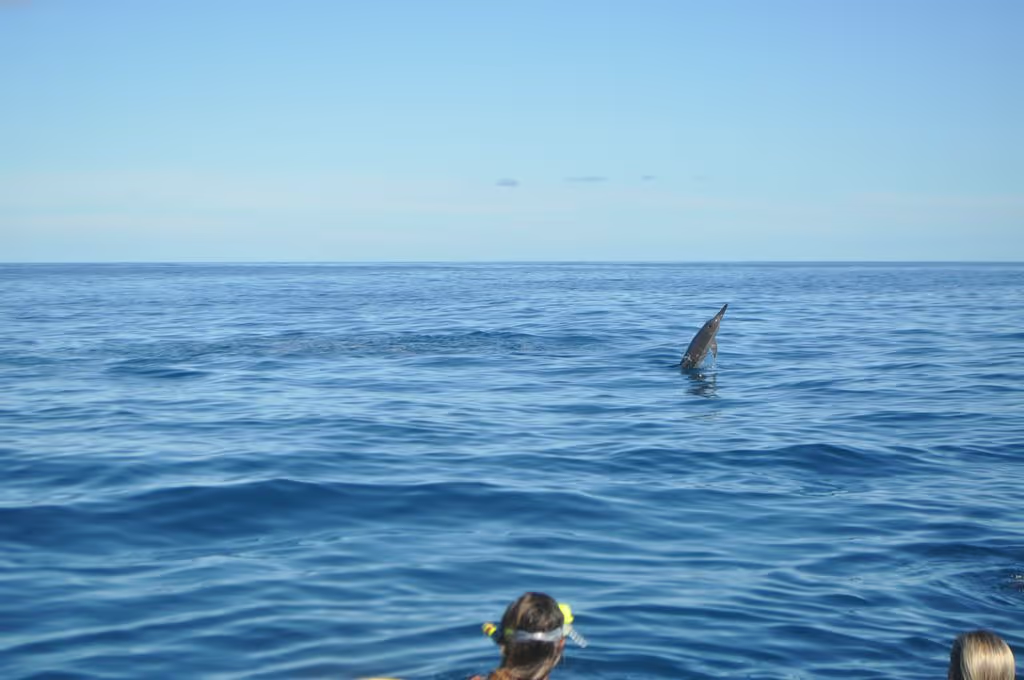
Hawaiian spinner dolphins (naiʻa) are resident species present along the coast all year. Renowned for their mid-air spins and synchronized breathing, these mammals feed offshore at night and rest in shallow bays during the day. Federal marine regulations require boaters and swimmers to maintain a minimum buffer of 150 feet (50 yards) to avoid interrupting vital daytime sleep cycles. Our Whale Watching Kailua Kona seasonal excursions (starting at $99.99 per person) use specialized underwater hydrophones, letting you listen to haunting whale songs in real time while our naturalist guides interpret behaviors.
Cultural Highlights and Local Farm Experiences
The slopes above Kailua-Kona carry deep agricultural wealth and sacred Hawaiian heritage. Transitioning from the dry shoreline to the cool upland rainforests of Hualālai volcano provides an immediate window into authentic island culture.
Historic Coffee Farm Tours in the Kona Coffee Belt
The Kona Coffee Belt is a narrow strip of land about two miles wide and 30 miles long, perched between 700 and 2,000 feet in elevation. The rich volcanic soil, morning sun, afternoon cloud cover, and gentle slope runoff create ideal growing conditions. More than 600 independent, family-owned coffee farms operate here, producing 100% pure Kona coffee that sells at retail for $45–$80 per pound.
Complimentary walking tours are available at long-standing estates like Greenwell Farms in Kealakekua, which offers a 45-minute guided overview of harvesting, pulping, and drying beans alongside self-serve tastings. Further north in Kaloko's cloud forest, Mountain Thunder Coffee Plantation provides short guided processing walks.
| Coffee Estate | Tour Type | Cost | Highlight |
|---|---|---|---|
| Greenwell Farms | 45-min Guided Walk | Complimentary | Historic orchards, extensive brew bar tastings |
| Mountain Thunder | 20-min Cloud Forest Walk | Free / $20 VIP | Organic processing mill at 3,200 ft elevation |
| Holualoa Village Roasters | Self-Guided Micro Stops | Free Access | Art galleries paired with single-estate roasteries |
Sacred Heritage at Puʻuhonua O Hōnaunau National Historical Park
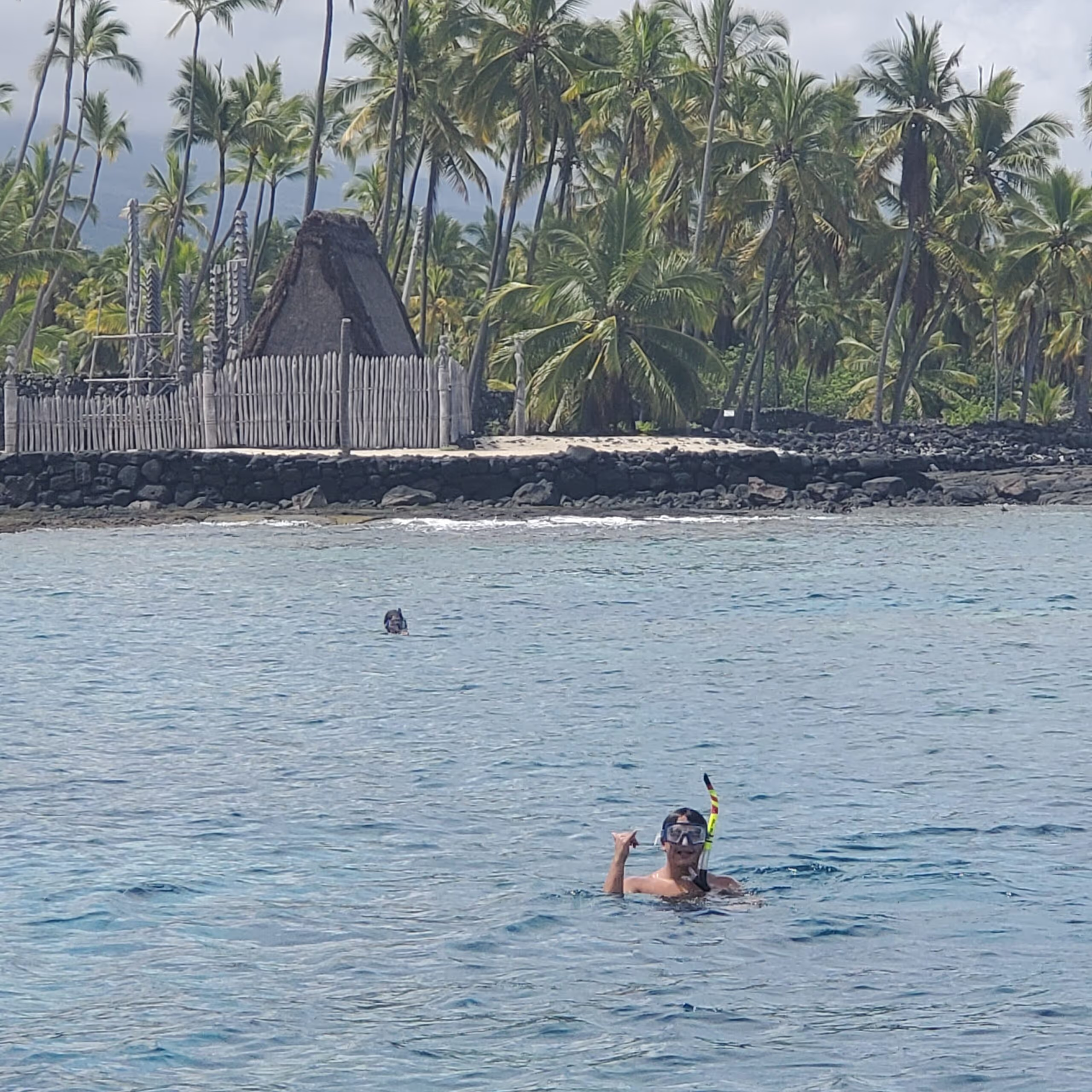
Located 20 miles south of town, Puʻuhonua O Hōnaunau National Historical Park preserves an ancient sanctuary. Under the traditional kapu system of Hawaii, breaking a sacred law carried severe penalties. If an offender or defeated warrior could reach the boundaries of this sacred enclosure, a resident kāhuna (priest) would perform an absolution ceremony, allowing the individual to return home in peace.
The park features the reconstructed Hale o Keawe heiau, fierce hand-carved wooden kiʻi statues guarding the bay, and the Great Wall—a masonry feat standing 12 feet high and 18 feet wide built without mortar. Park entry is $20 per private vehicle or $10 per pedestrian. Directly outside the park boundary lies Honaunau Bay, commonly known as Two Step, which offers deep-water coastal snorkeling. Learn more about regional landmarks in our guide to Attractions in Kailua Kona Hawaii.
Unique Things to Do in Kailua-Kona Hawaii on Land
Beyond historic coffee groves, Kona hosts several specialty agricultural and heritage sites. At the Natural Energy Laboratory of Hawaii Authority (NELHA) north of the airport, Kona Sea Salt Farm Tours showcases how pure mineral salt is harvested from deep ocean water drawn from 2,200 feet below the Pacific. Tours cost $27 for adults and include salt tastings and an optional deep-ocean mineral foot soak.
Right in downtown Kailua Village, you can walk through royal history along Aliʻi Drive. Huliheʻe Palace once served as a summer residence for Hawaiian monarchs and houses historic artifacts, woven lauhala mats, and koa wood furniture. Directly across the street stands Mokuaikaua Church, completed in 1837 as the first Christian church established in the Hawaiian Islands, constructed using volcanic basalt rock bonded with coral-lime mortar. For more off-the-beaten-path suggestions, consult this list of 17 Unique Things To Do In Kona.
Best Beaches and Coastal Excursions
Under Hawaii state law, all shorelines are open to the public below the upper wave line. However, parking, facilities, and ocean entry conditions vary widely between spots.
Premier Snorkel and Swimming Beaches
- Kahaluʻu Beach Park: Located five miles south of downtown, this shallow, sheltered bay is the premier location for novice swimmers and turtle watching. A natural offshore lava reef breaks incoming ocean swell, making it safe for kids. Arrive before 9:00 a.m. to claim limited county parking stalls.
- Kamakahonu Beach (King Kam Beach): Tucked next to Kailua Pier in downtown Kona, this small white-sand cove features almost no current, making it ideal for stand-up paddleboarding and introductory ocean swimming.
- Kua Bay (Maniniʻōwali Beach): Situated within Kekaha Kai State Park north of town, Kua Bay offers bright turquoise waters and soft sand. As of January 2026, entry requires out-of-state visitors to pay a $5 per-person entry fee and $10 per vehicle via cashless payment kiosks. Waves can be powerful during winter swells, so exercise caution.
- Makalawena Beach: Also inside Kekaha Kai State Park, this secluded crescent beach requires either an unpaved 4WD road traverse or a 20-minute hike across rugged lava fields, keeping crowds minimal.
For complete beach listings and tide insights, review our Kailua Kona Snorkeling Guide 2026.
Must-Explore Free Things to Do in Kailua-Kona Hawaii
You do not need to spend significant money to enjoy scenic afternoons in Kona:
- Old Kona Airport State Recreation Park: Just north of downtown, the abandoned airstrip offers wide open parking, ocean walking paths, tide pools, and premier sunset viewing without crowds.
- Aliʻi Drive Historic Walk: A one-mile self-guided stroll from Kailua Pier to Royal Kona Resort takes you past historic palaces, open-air craft markets, and crashing ocean seawalls.
- Kaloko-Honokōhau National Historical Park: Free to enter, this park features an easy 3-mile round-trip shoreline trail leading past ancient fishponds (loko iʻa), petroglyphs, and resting sea turtles.
- Resort Manta Viewing Deck: The public viewing platform at the Outrigger Kona Resort in Keauhou lets you watch illuminated mantas feed in the surf zone after dark without paying for a boat ticket.
Check out our Free Things Kona Guide 2026 for additional budget-friendly activities.
Day Trips: Mauna Kea Stargazing and Volcanic Wonders
Kailua-Kona makes a great home base for broader island excursions:
- Mauna Kea Stargazing: Rising 13,803 feet above sea level, Mauna Kea sits above 40% of Earth’s atmosphere, creating unmatched clarity for astronomy. You can drive any standard rental car via Saddle Road to the Onizuka Visitor Information Station at 9,200 feet for sunset viewing and free evening stargazing. Continuing to the true summit requires a low-range 4WD vehicle and acclimatization time.
- Papakōlea Green Sand Beach: Located near South Point, this cove gets its olive-green hue from olivine crystals eroded from an ancient volcanic cone. The hike is roughly 2.5 miles each way over exposed, windy coastal terrain.
- Punaluʻu Black Sand Beach: Created when hot basaltic lava flowed into the cold ocean and exploded into fine fragments, this beach is a favored resting spot for Hawaiian green sea turtles and endangered hawksbill turtles.
If you prefer custom, flexible itineraries along the Kona coastline, our private charters provide personalized ocean adventures. Read about booking a Kona Private Boat Tour (starting at $1,050 for up to 34 passengers).
Practical Travel Guide: Dining, Transportation, and Logistics
Navigating Kona is straightforward once you understand its layout.
- Transportation: Flying into Kona International Airport (KOA) puts you 15 minutes north of town. Compact rental cars average $55–$90 per day. While the county Hele-On bus transit system is fare-free through the end of 2028, route frequency is limited, making a rental car the best choice for exploring coffee farms, remote beaches, and national parks.
- Walkability & Parking: Kailua Village is walkable along the one-mile stretch of Aliʻi Drive between the pier and Royal Kona Resort. Free parking can be found at the public lot off Kuakini Highway and Old Airport Park; metered lots line the waterfront.
- Local Dining: Kona cuisine emphasizes fresh Pacific seafood. Don't miss poke bowls made with fresh-caught yellowfin ahi at Da Poke Shack or Umeke’s Fish Market Bar & Grill. For craft brews and sunset pizzas, Kona Brewing Company and Ola Brew Co. offer lively open-air taprooms.
- Accommodations: Vacation rentals and condo units within walking distance of central Aliʻi Drive range from $150–$250 per night. If you prefer large oceanfront luxury resorts, properties along the Kohala Coast (30–45 minutes north) run $400–$700+ per night.
Frequently Asked Questions About Kona Travel
What is the best time of year to visit Kailua-Kona?
The shoulder months of April through May and September through November offer ideal weather, calm water visibility, and smaller crowds. If your priority is humpback whale watching, visit between January and March. Coffee lovers should consider November for the annual Kona Coffee Cultural Festival harvest festivities.
Do you need a rental car to get around Kailua-Kona?
Yes, a rental car is strongly recommended. While you can walk around downtown Kailua Village and take the free Hele-On bus along Aliʻi Drive, reaching the Kona Coffee Belt, Volcanoes National Park, Mauna Kea, and outer state beaches requires your own transportation.
What should you not miss when visiting Kailua-Kona?
The absolute essentials include snorkeling the vibrant coral reef at Kealakekua Bay, swimming above manta rays during a nighttime snorkel, sampling 100% estate coffee in Holualoa, and visiting the historic sacred grounds of Puʻuhonua O Hōnaunau.
Conclusion
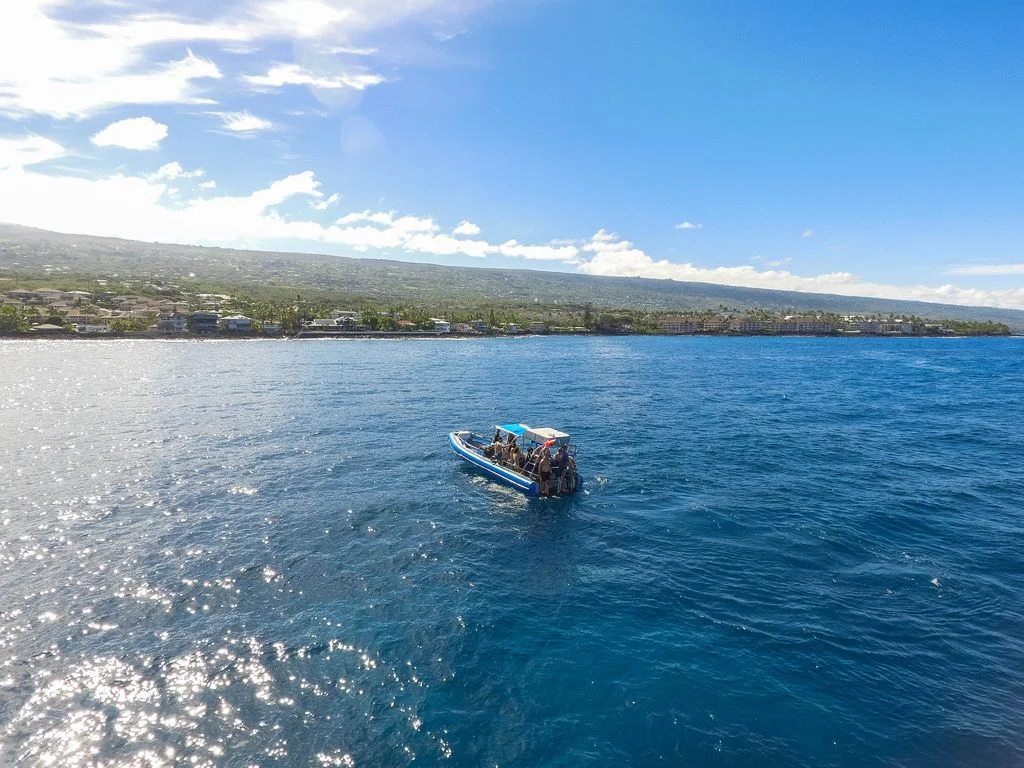
Kailua-Kona offers an unmatched blend of ocean encounters, rich Hawaiian history, and volcanic landscapes. As a woman- and veteran-owned local business, Dolphin Discoveries is proud to share these waters through small-group, naturalist-led excursions aboard fast, rigid-hull inflatable boats. We focus on low passenger counts to ensure every guest enjoys an intimate, ethical, and educational look at Hawaii's marine life.
Whether you are watching manta rays somersault beneath your board or cruising past dramatic sea cliffs on the way to Captain Cook Monument, reserving your excursions early guarantees your spot on the water. Check availability for all our Dolphin Discoveries tours and start planning your Kona itinerary today.