

Marine Education
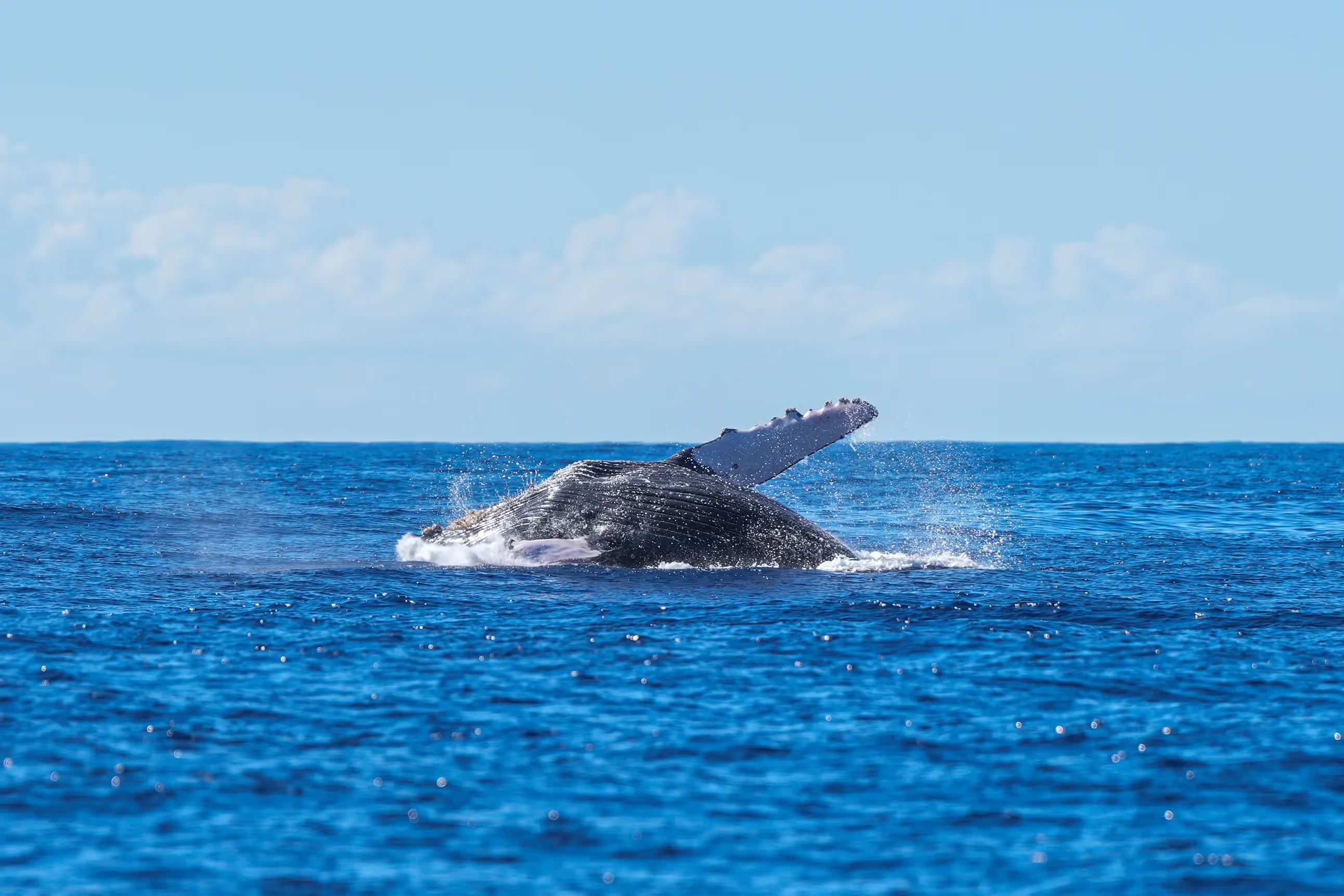
From December through March, an estimated 10,000 humpback whales travel from Alaska to Hawaii’s warm waters to breed, give birth, and nurse their calves. Hawaii is the only U.S. state where humpbacks reproduce, making whale season a spectacular and uniquely Hawaiian experience.
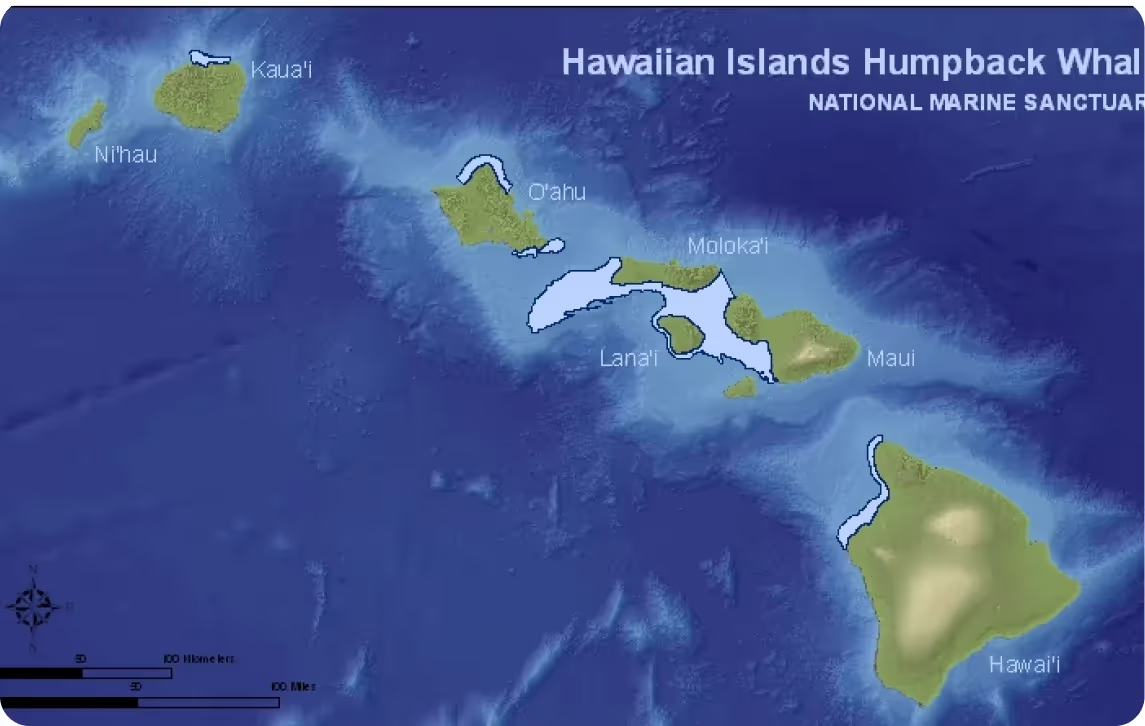
Humpbacks travel over 3,000 miles from their Alaskan feeding grounds to Hawaii's warm breeding waters — one of the longest migrations of any mammal on Earth. Pregnant females typically arrive first in late fall, followed by mothers with young calves, then breeding adults as the season builds toward its peak between January and February. The whales don't feed while in Hawaii, living instead off fat reserves built up over the summer in Alaska, which is part of why researchers believe the warm, predator-free waters here are so critical for calves in their first vulnerable months of life. Whale season in Kona typically runs from December through March, and while no two seasons look exactly alike, any tour during these months gives you a strong chance of a sighting.
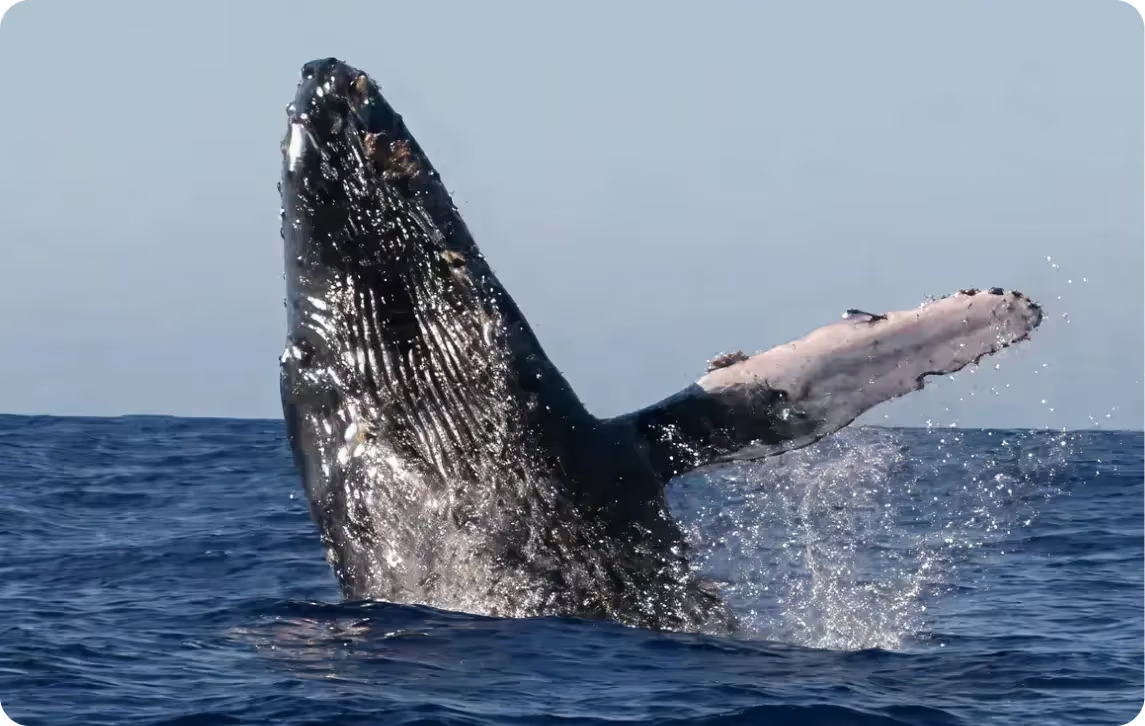
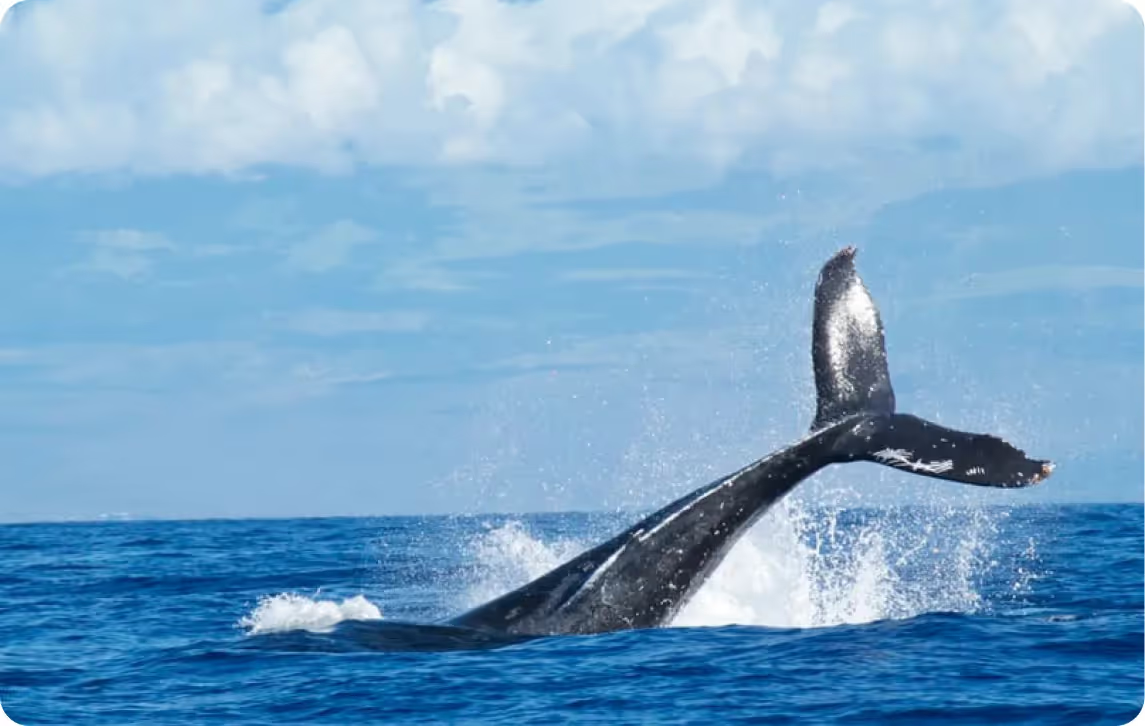
Breaching (full-body leaps that end in a thunderous splash), tail slaps, pectoral fin waves, and spy hopping (rising vertically to look around above the surface) are among the most common behaviors you'll see on a Kona whale watch. Males also sing complex, hours-long songs to attract mates — a phenomenon still not fully understood by scientists, and one that's audible for miles underwater. Every whale's tail, or fluke, has a unique pattern of markings, much like a fingerprint, which researchers use to identify and track individual whales from year to year. Adult humpbacks can grow up to 45-50 feet long and weigh as much as 40 tons, yet despite their size, they're known for being surprisingly acrobatic — a full breach can send tons of whale several feet clear of the water.
Our Kona tours offer the southernmost whale watching in the United States, putting you closer to the heart of the humpbacks' breeding grounds than almost anywhere else in Hawaii. Our small RHIB boats allow closer, fully legal approaches than the large catamarans many operators use, giving you a more intimate view without disturbing the whales. Because we're on the water daily, our captains know the patterns and hot spots along the Kona Coast where whale activity tends to concentrate each season. Humpback whales are protected under U.S. federal law, and our captains are trained to maintain a safe legal distance at all times, letting whales approach on their own terms rather than pursuing them — which often leads to some of the most memorable, unhurried encounters of the trip.