

Marine Education
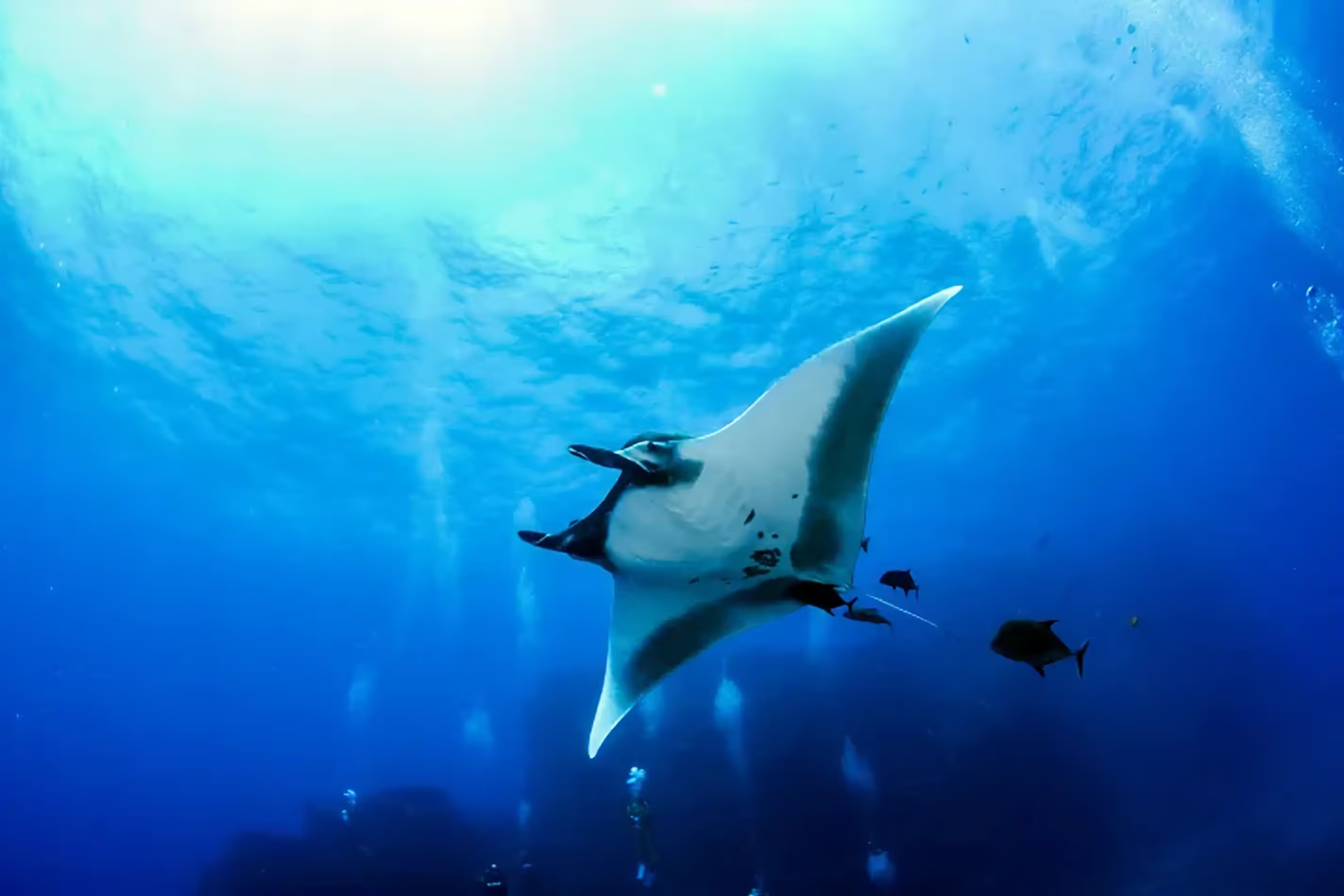
Giant oceanic manta rays have wingspans up to 20 feet and are among the ocean's most graceful creatures, gliding through Kona's waters with a calm, deliberate elegance that makes every encounter feel unforgettable. Kona's unique underwater geography and plankton concentrations make it one of the world's most reliable locations to encounter these magnificent animals, night after night, all year round. Unlike many marine wildlife encounters that depend on luck or seasonal timing, Kona's manta population is largely resident, which is why so many divers and snorkelers consider this the single best place on the planet to swim with them. Learn why they come here and what makes a manta ray encounter so magical.
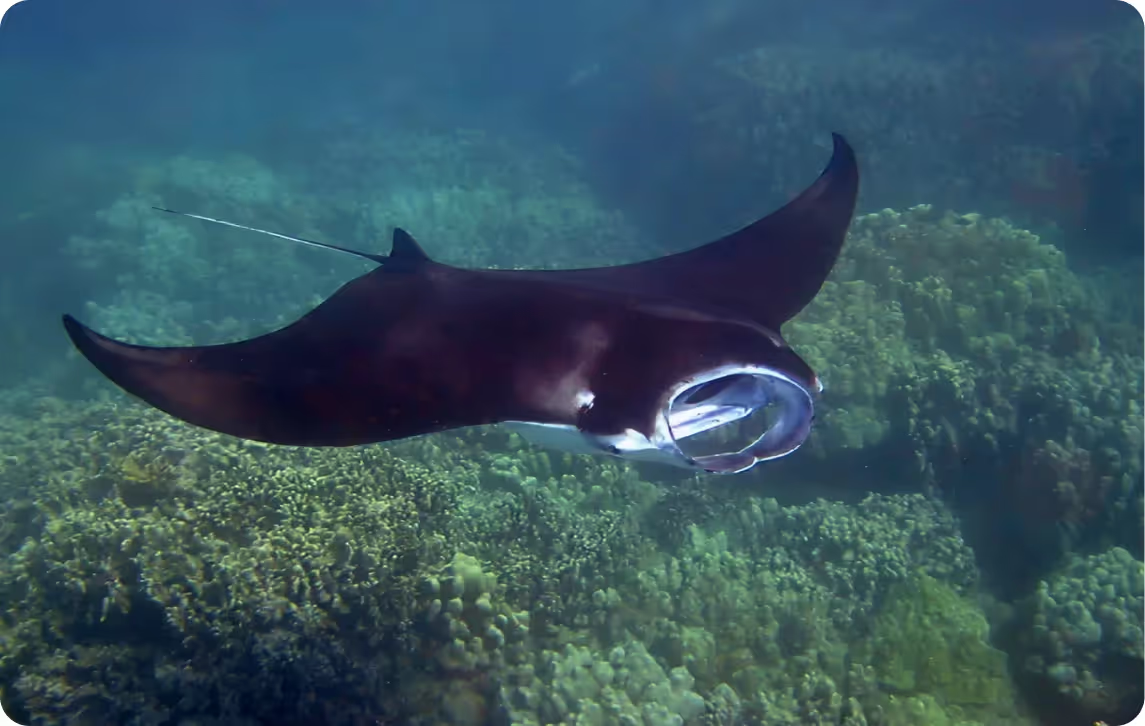
Kona's coastline features underwater lava formations that rise steeply from deep water to shallow reef, concentrating plankton, the manta rays' primary food source, in predictable feeding zones just offshore. Hotel and dive lights attract plankton at night, creating the same reliable feeding spots that have made Kona famous among divers worldwide, most notably at what's known as Manta Ray Village near Keauhou Bay. Because the mantas return to these same feeding grounds so consistently, Kona offers some of the most dependable manta ray encounters anywhere in the world, regardless of season.
Mantas are filter feeders, entirely harmless to humans, using their wide mouths to strain plankton from the water as they swim. They often perform elegant "barrel rolls" while feeding, spinning gracefully through dense clouds of plankton and sometimes passing just inches from snorkelers floating above. Each manta has unique belly markings, much like a human fingerprint, which researchers and guides use to identify and track individual animals across encounters and even across years. Despite their massive size, mantas are naturally curious and calm around people, which is part of what makes swimming alongside them feel so different from other wildlife encounters.
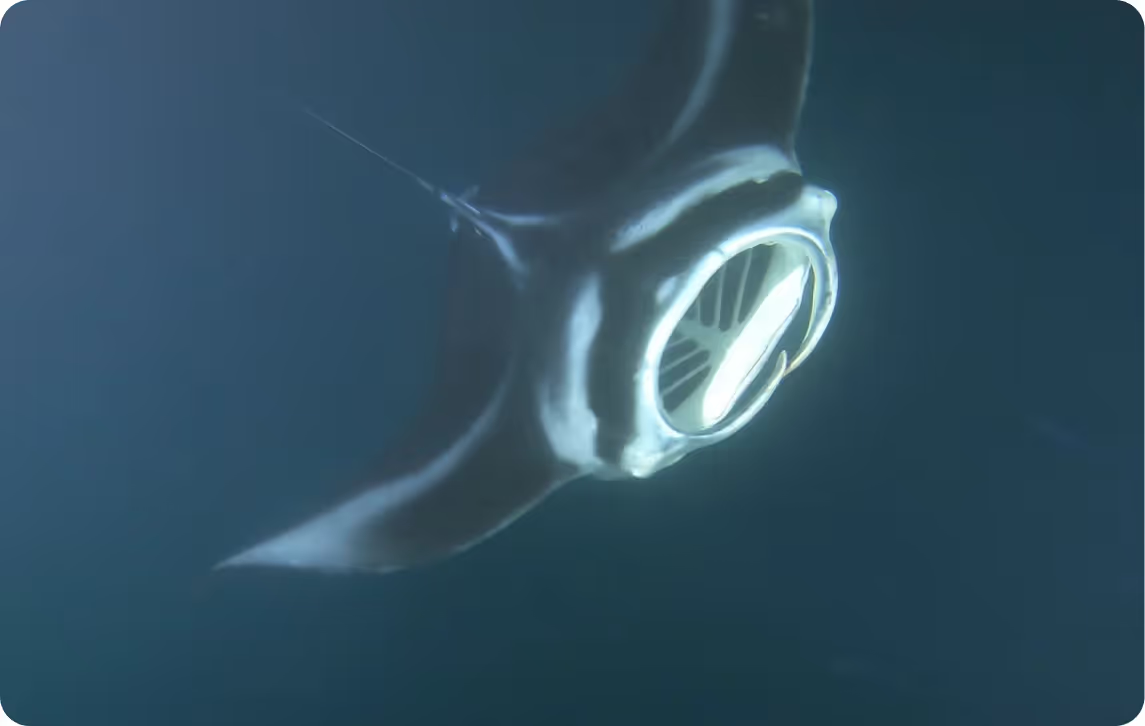

Manta rays are classified as vulnerable to extinction, threatened by habitat loss, bycatch, and the demand for their gill plates in some international markets. By joining ethical tours that respect their space, maintain proper distances, and avoid touching or chasing the animals, you're directly supporting conservation efforts and sustainable tourism practices that help protect this population for future generations. Kona's manta rays are among the most studied in the world, and responsible tourism plays a real role in the ongoing research that helps scientists understand and protect them.