

Kona Water Temperature Right Now and What to Expect
In late September, Kona water temperature is typically about 82 F (28 C). Recent September 2026 readings have ranged from 81.7 to 83.1 F, which is near Kona's annual peak and comfortably warm for swimming, snorkeling, and surfing.
| What to know | Typical late-September conditions |
|---|---|
| Water temperature | 81.7 to 83.1 F |
| Historical September average | About 81.4 F |
| Wetsuit needed? | Usually no, but a rash guard helps with sun and reef protection |
| Best use | Swimming, snorkeling, diving, and boardshort surfing |
Kona's ocean stays warm all year, usually cooling only to the mid-70s F in late winter. Conditions can still vary by beach, wind, rain runoff, depth, and time of day, so check the latest forecast before heading out.
I'm Shelley Carey, and next we'll look at how Kona's water temperature shifts through the seasons and what those changes mean for your time in the ocean.
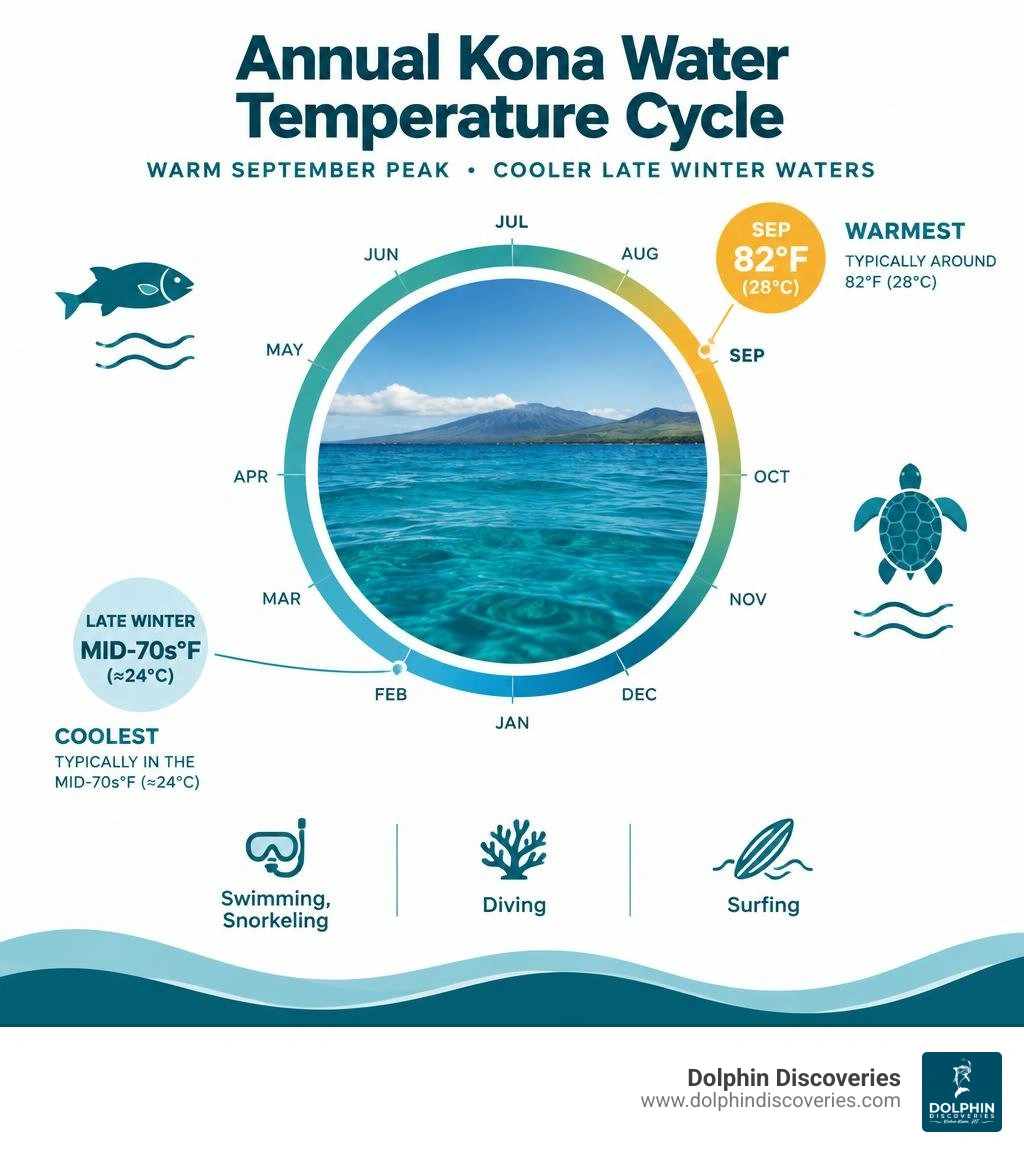
Kona water temperature terms explained:
Understanding Kona Water Temperature Throughout the Year
The leeward coast of the Big Island offers some of the most stable ocean conditions in the United States. Massive volcanic peaks, Mauna Kea and Mauna Loa, shield Kailua-Kona from strong east trade winds. This natural barrier keeps nearshore sea surface conditions calm and clear.
Daily records from NOAA-calibrated sea surface temperature data show that Kona waters rarely drop below 75 F (24 C), even during winter cold snaps. In fact, our swimming season runs all twelve months of the year because temperatures never drop below the 68 F threshold where thermal distress sets in.
Planning ahead with a comprehensive Kailua-Kona snorkeling guide helps you match gear and locations with seasonal shifts. The table below outlines annual climate and ocean norms for Kailua-Kona:
| Month | Avg Water Temp (°F) | Avg Water Temp (°C) | Avg High Air Temp (°F) | Wet Days / Rain Pattern |
|---|---|---|---|---|
| January | 77.4 | 25.2 | 81.0 | Light winter showers |
| February | 76.5 | 24.7 | 81.2 | Coolest water cycle |
| March | 76.1 | 24.5 | 81.5 | Transition period |
| April | 77.0 | 25.0 | 82.1 | Mild spring warming |
| May | 78.3 | 25.7 | 83.5 | Calm morning seas |
| June | 79.5 | 26.4 | 85.0 | Summer precipitation peaks |
| July | 80.2 | 26.8 | 86.2 | Warm surface layers |
| August | 81.8 | 27.7 | 87.0 | Very warm water |
| September | 82.4 | 28.0 | 86.8 | Peak annual sea warmth |
| October | 80.9 | 27.2 | 85.5 | Warm and clear |
| November | 79.2 | 26.2 | 83.7 | Mild winter transition |
| December | 77.8 | 25.4 | 81.8 | Early winter swells |
Monthly Kona Water Temperature Breakdown and Seasonal Trends
Ocean warming follows a smooth curve. Kailua-Kona reaches its thermal peak around mid-September, when surface waters average between 81.7 F and 83.1 F (27.6 C to 28.4 C). Satellite records confirm that late summer retains heat across shallow reef flats.
During autumn, the sea releases warmth gradually. By late February and early March, ocean temperatures bottom out near 76.1 F (24.5 C). Even at its coolest, the Pacific here feels refreshingly mild compared to most mainland coastlines. Checking water temperature forecast models before your morning swim helps you anticipate short-term fluctuations caused by passing weather fronts.
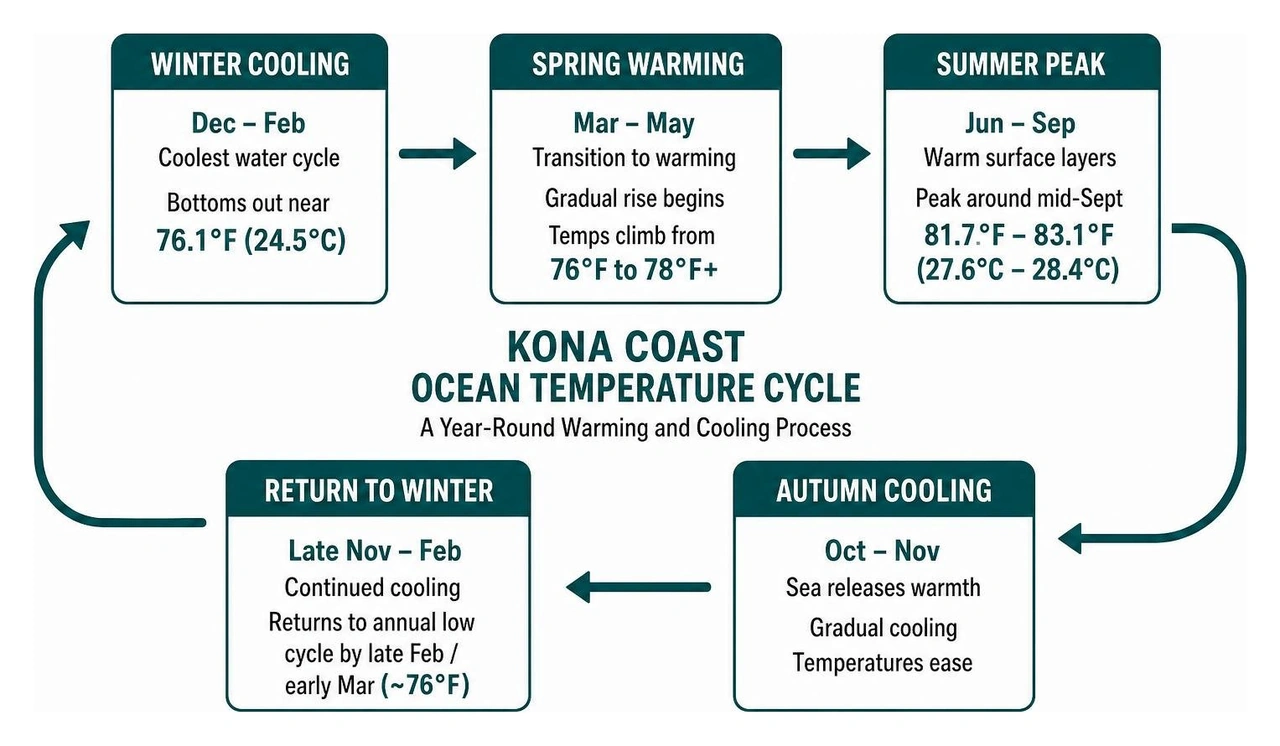
Warmest vs Coldest Months along the Kohala and Kona Coast
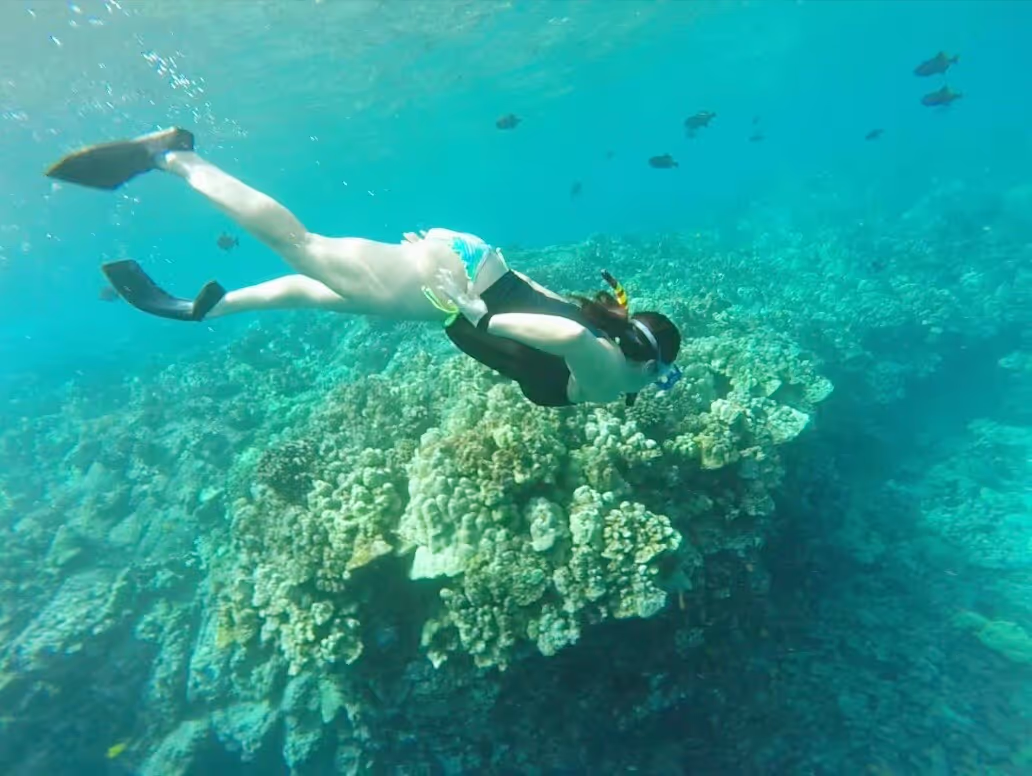
Late summer to early fall, from July through October, is the prime window for swimmers who prefer water that feels like a heated swimming pool. Visibility often peaks during late summer, giving snorkelers clear views of vibrant coral gardens and marine life.
Winter ocean temperatures remain comfortable for active swimming, surfing, and diving. The cooler winter ocean also brings thousands of migrating North Pacific humpback whales to the sheltered waters of West Hawaii. Taking a seasonal whale watching cruise between December and April lets you observe mothers and calves playing in calm waters.
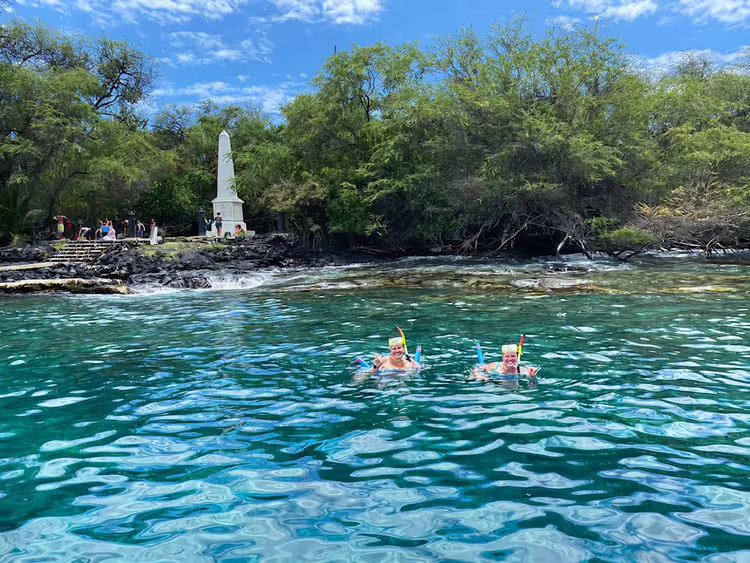
What Influences Ocean Temperatures at Popular Kona Beaches
While regional satellite data provides a reliable baseline, local geography creates microclimates along the shoreline. Deep-water drop-offs, underwater topography, and coastline curves all change how the water feels on your skin. Exploring the top things to do in Kailua-Kona gives you a look at how varied these coastal environments can be.
Comparing Banyans, Kamakahonu Beach, and Pine Trees
Different shorelines produce noticeable temperature variations:
- Kamakahonu Beach (King Kam Beach): Located inside Kailua Bay, this shallow cove is protected by a solid breakwater. With minimal wave action and direct sun exposure, water temps often sit around 84 F to 85 F during sunny afternoons. It is ideal for families and casual wading.
- Banyans: This popular surf spot features an exposed, shallow lava reef. Fast-moving swells break over the reef shelf, keeping the water mixed and close to open-ocean readings of 82 F to 84 F.
- Pine Trees (Kohanaiki Beach Park): Kohanaiki features open ocean access with deeper surge channels. Upwelling from deeper offshore currents can bring cooler water near the breaks, making morning surf sessions feel a degree or two cooler than sheltered downtown bays.
Environmental Factors: Winds, Tides, and Freshwater Runoff
Several natural forces cause local temperature shifts:
- Offshore Winds and Upwelling: Strong localized gusts can push warm surface water offshore, drawing cooler, nutrient-rich water up from the deep.
- Freshwater Springs (Waipuna): Cold groundwater filters down from Hualalai and Mauna Loa through porous basalt, emerging as cool freshwater lenses on top of salty bay water.
- Tidal Cycles: Low tide allows sun-warmed water to pool in shallow lagoons, while incoming high tides introduce deeper, cooler ocean currents.
- Rainfall Runoff: Heavy upland rain occasionally sends cooler mountain water down to the shore, creating temporary cool layers at surface level.
Wetsuit and Gear Guide for Swimmers and Divers
Selecting the right ocean apparel keeps you comfortable and safe in the water.
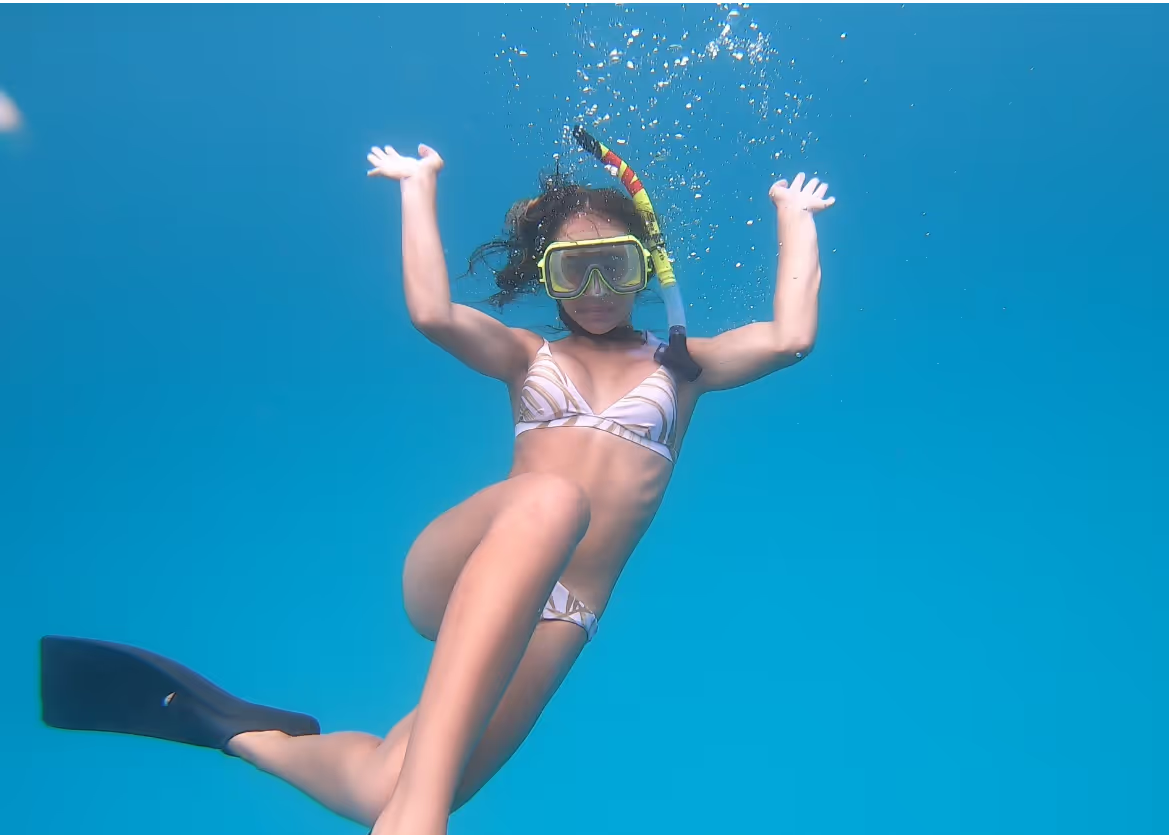
Recommended Exposure Protection for Daytime Swimming and Snorkeling
For daytime snorkeling and swimming during summer and fall, bare skin, swimsuits, or boardshorts are completely fine. However, experienced water lovers wear a high-UPF rash guard. Sunlight reflects powerfully off white sand and coral, making sun defense necessary during longer swims. A rash guard also protects against accidental scrapes on volcanic rock.
During late winter (January through March), water sitting around 76 F can feel brisk after 45 minutes of slow floating. A 1 mm or 2 mm neoprene top provides enough core warmth for extended reef tours. Reviewing expert guided snorkeling tips can help you pack the right blend of thermal tops, reef booties, and mineral sunscreen.
Gear Recommendations for Kona Water Temperature and Night Dives
Nighttime ocean excursions require different preparation. Once the sun sets, air temperatures drop into the low 70s, and gentle breezes can make wet skin feel chilly between swims.
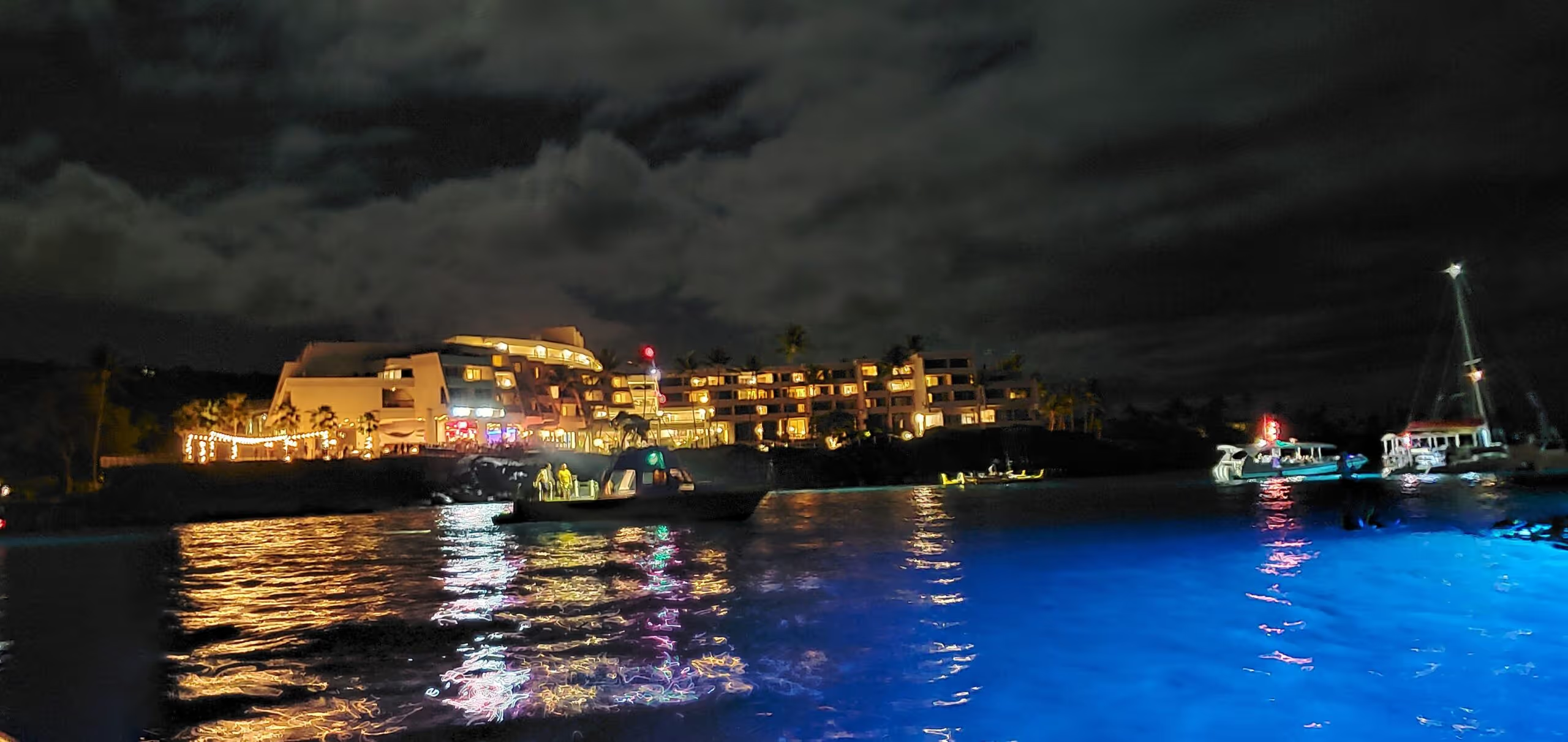
For an evening manta ray night snorkel tour, wearing a full 3 mm neoprene wetsuit or a plush thermal top is recommended. The extra insulation traps a thin layer of water next to your body, warmed by your own body heat. This ensures you stay completely warm while watching mantas glide underneath our custom floating light board.
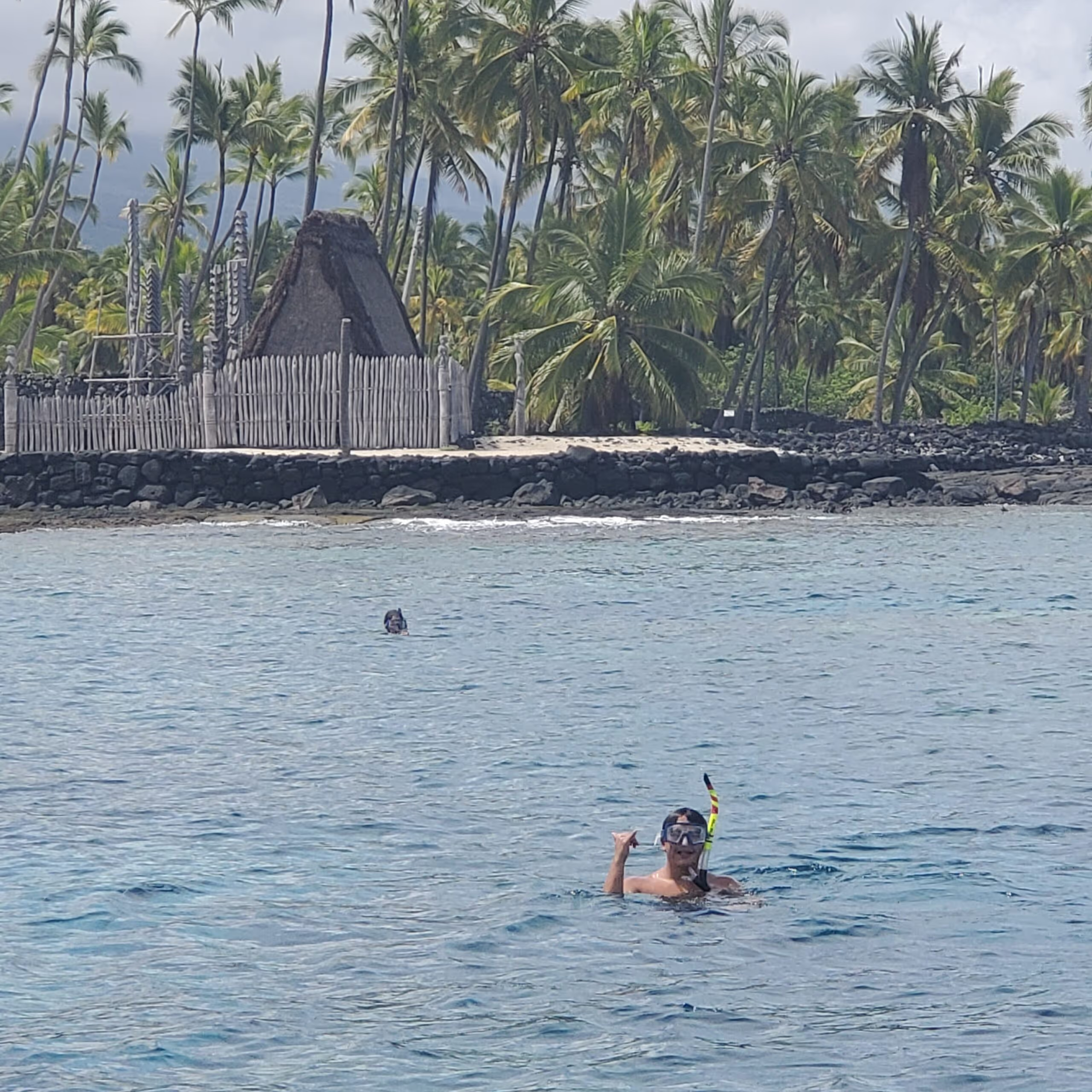
If you plan daytime excursions to pristine marine reserves, a dedicated Captain Cook snorkeling tour provides ideal opportunities to test your snorkel kit alongside clear historical reefs.
Frequently Asked Questions About Kona Ocean Conditions
Is the water warm enough for swimming in Kona without a wetsuit?
Yes. Kona's ocean remains warm enough for swimming in simple swimwear every month of the year. With surface temperatures ranging from 75 F to 83 F, most swimmers do not require thermal neoprene during sunny daytime hours. A rash guard is recommended primarily for UV protection and defense against rough reef surfaces.
How does Kona water temperature compare to Maui, Oahu, or mainland US beaches?
Kona is located on the protected western side of the southernmost major Hawaiian island, giving it some of the warmest, calmest coastal waters in the state. Water temperatures along Oahu's North Shore or Maui's windward coast often run 1 to 2 degrees cooler due to stronger trade-wind exposure.
Compared to mainland Pacific destinations like Southern California, where summer water rarely exceeds 68 F and winter drops to 57 F, Kona's ocean is truly tropical year-round.
What is the 7 to 10-day ocean temperature forecast trend?
Satellite and buoy tracking indicate that ocean temperatures remain remarkably stable day to day. Readings typically shift by less than 0.5 F over a 7-day period. Short-term changes are driven mostly by afternoon cloud cover, gentle surface winds, and tidal cycles rather than sudden temperature drops.
Conclusion
Understanding seasonal water temperatures helps you plan comfortable ocean outings on the Big Island. From peak 83 F late-summer waters to mild 76 F winter cycles, the Kona Coast invites you into the sea all year. When you head out to witness majestic marine life, choosing an ethical, naturalist-led excursion makes all the difference.
At Dolphin Discoveries, our small-group tours depart daily from historical Keauhou Bay. We travel on fast, agile vessels to bypass the crowded catamaran fleets, reaching pristine spots like Kealakekua Bay with ease. Whether you join our Ohana for a tranquil daytime reef snorkel with local Honu or experience the surreal beauty of a manta ray barrel roll during an evening snorkel, you will enjoy safe and secure ocean adventures backed by deep naturalist insights.
Mahalo Nui for exploring our island waters with care and Aloha. Book your small-group tour online at dolphindiscoveries.com to discover Kona's unforgettable marine world.