

Book a Captain Cook Snorkeling Tour With the Right Access Plan
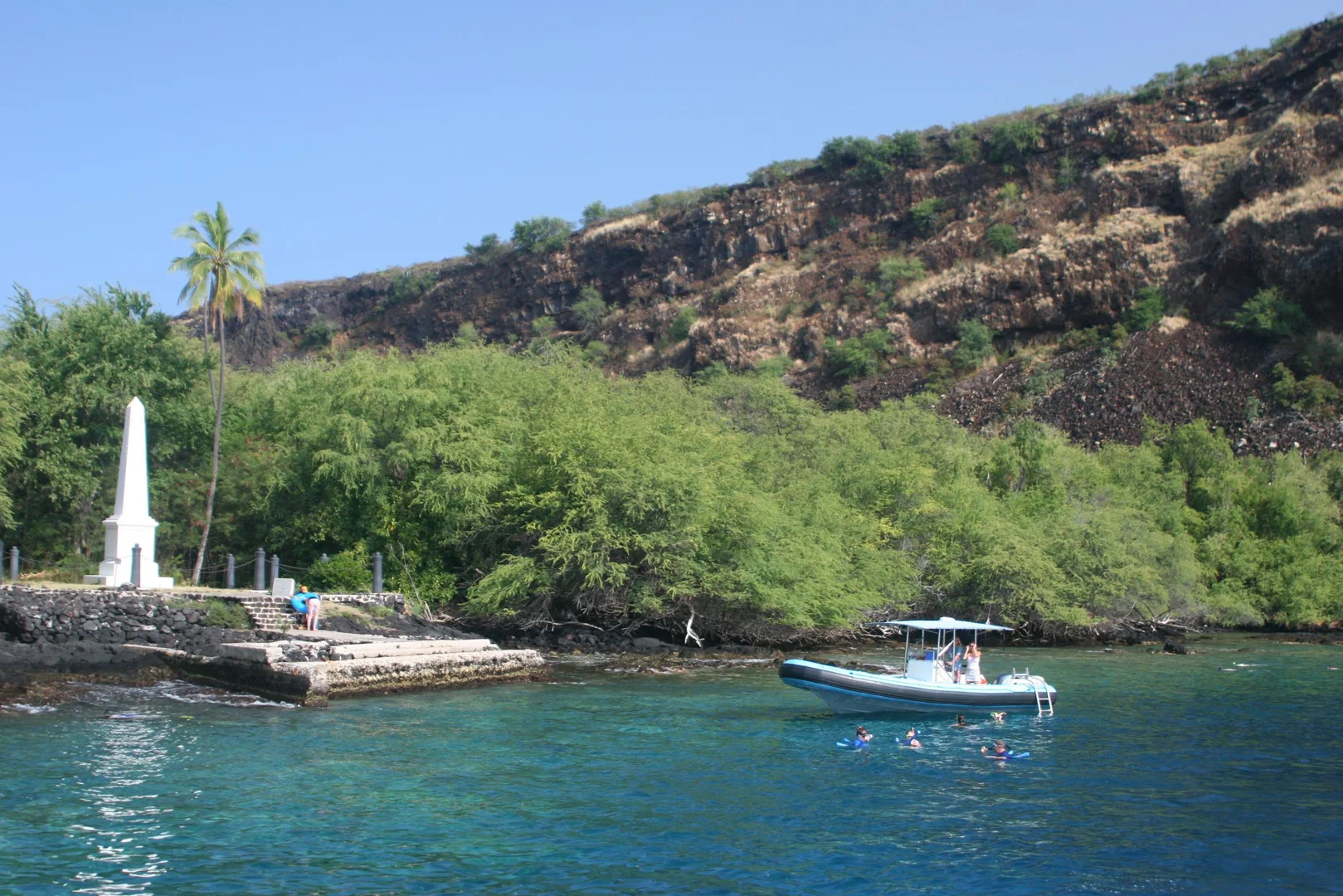
For the easiest way to snorkel the clear reef at Kealakekua Bay, book a Captain Cook snorkeling tour by boat. A guided boat trip avoids the nearly 4-mile Ka'awaloa Trail hike and the permit and landing challenges that can come with kayaking. It also gives you a safer ladder entry, a safety briefing, and more time in the water near the Captain Cook Monument.
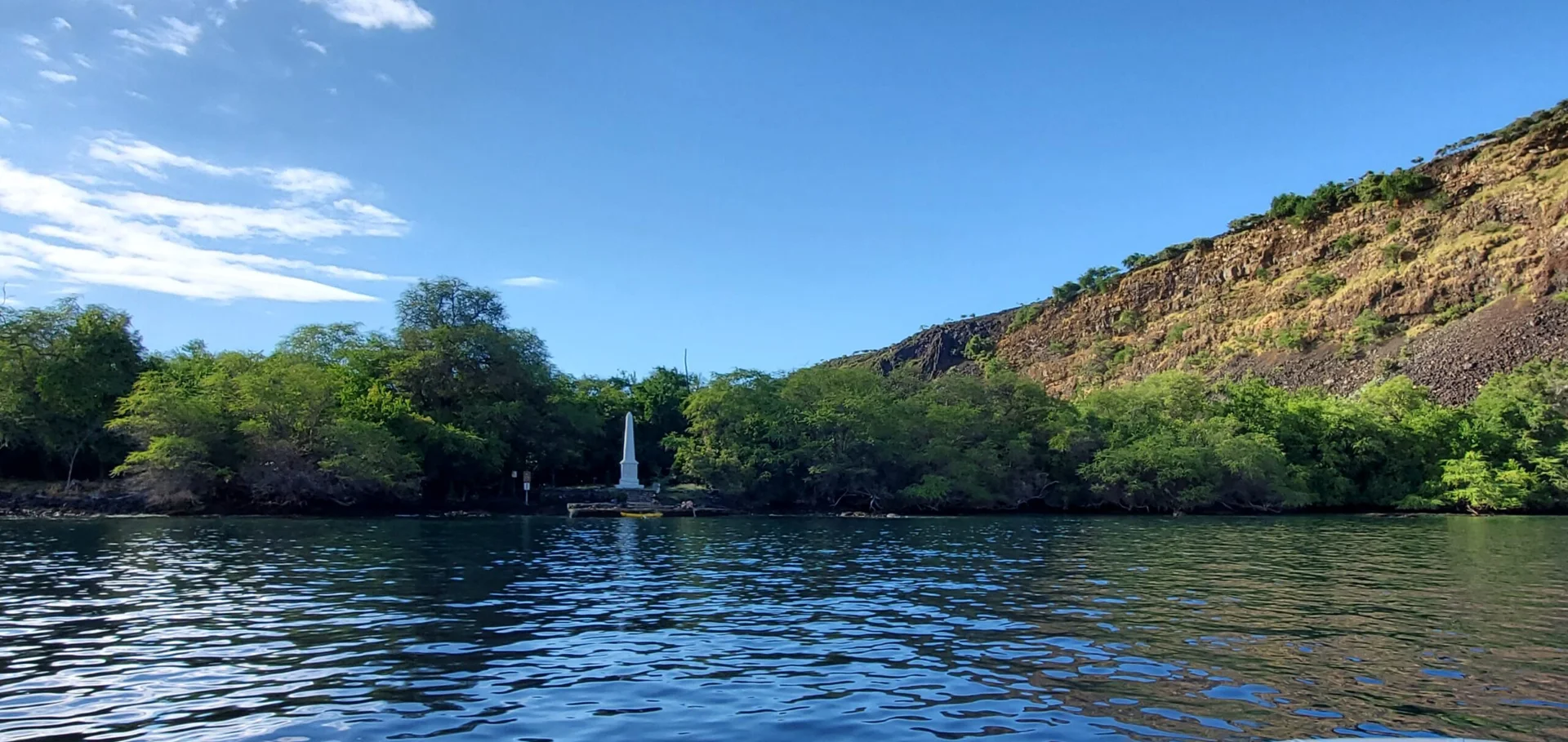
Kealakekua Bay is a protected Marine Life Conservation District, known for visibility that can reach 100 feet on calm mornings. The reef beside Ka'awaloa Cove holds colorful tropical fish, coral formations, and occasional sea turtles. The most productive area is often to the right of the monument, where a coral shelf leads toward deeper water.
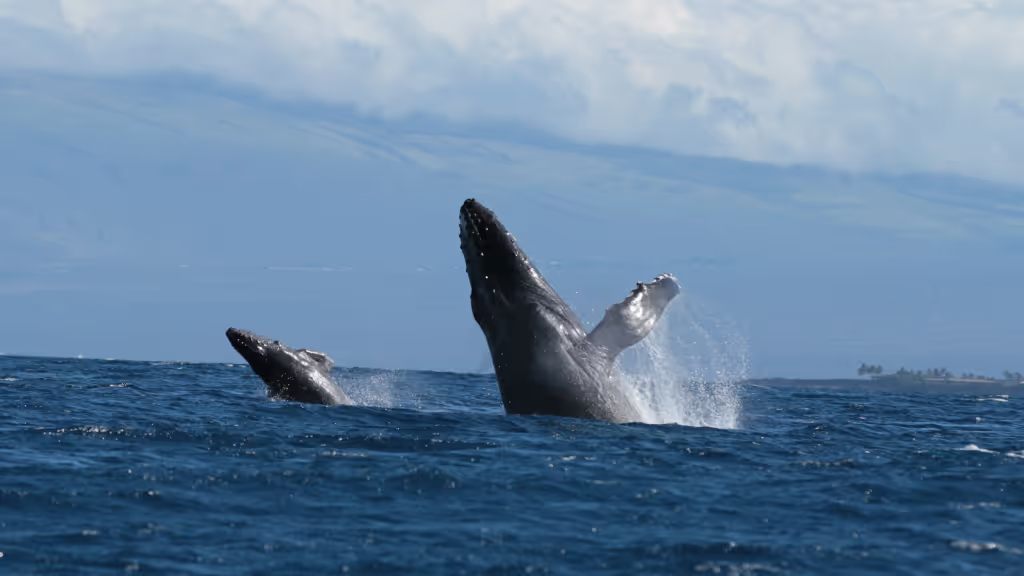
At Dolphin Discoveries, we recommend early departures when winds are usually lighter and the water is often smoother. Choose a small-group trip that respects the reef, uses reef-safe practices, and gives wildlife plenty of space, including the required 50-yard distance from Hawaiian spinner dolphins.
I’m Shelley Carey, and I’ll help you understand what to book, what to bring, and how to enjoy this special bay responsibly.

Simple captain cook snorkeling tour word guide:
Accessing the Monument: Comparing Hiking, Kayaking, and Boat Excursions
Reaching the secluded reef at Ka'awaloa Cove requires planning because no public roads lead directly to the shoreline. Visitors have three primary transport options: hiking the overland trail, paddling across the bay in a kayak, or joining a guided boat tour.
| Access Method | Physical Effort Level | Permit Requirements | Water Entry Safety | Reef Accessibility & Time |
|---|---|---|---|---|
| Ka'awaloa Trail Hike | High (strenuous uphill return) | None required for foot traffic | High risk (slippery lava rocks and concrete wall) | Limited by fatigue and gear transport |
| Rented / Guided Kayak | Moderate to High (open water paddle) | State DLNR landing permit required | Moderate risk (slippery ladders, surf chop) | Moderate; requires monitoring kayak moorings |
| Guided Boat Excursion | Low to Moderate | Managed by licensed operator | Low risk (stable boat swim ladder with staff aid) | Maximum swim time and prime reef positioning |
Each option offers a distinct experience, but the physical demands, safety considerations, and regulatory hurdles vary significantly.
The Rigorous Ka'awaloa Trail Hike
The Ka'awaloa Trail is a challenging trek that covers nearly 4 miles round trip with an elevation change of roughly 1,400 feet. The route begins near the top of Captain Cook Monument Road off Highway 11, cutting through overgrown tall grass before descending steeply over loose volcanic rock and dirt.
While walking down toward the shoreline takes roughly 45 to 60 minutes, the return journey is a relentless uphill climb under direct, radiant Kona sun. Because there are zero public amenities or potable water sources along the trail, hikers must carry all of their own gear, including masks, fins, snacks, and at least two to three liters of drinking water per person. Climbing 1,400 feet in tropical heat after a strenuous swim leads to exhaustion for many unprepared visitors.

Kayaking Regulations and Permit Hurdles
Kayaking across Kealakekua Bay from the public launch at Napo'opo'o provides a water-level perspective of the sea cliffs, but it comes with strict legal regulations. The bay is a protected Marine Life Conservation District managed by the Hawaii Department of Land and Natural Resources (DLNR).
To land a kayak at Ka'awaloa or tie off anywhere near the Captain Cook Monument, you must hold a valid state permit or rent from one of the few permitted commercial operators. State conservation rules and moratoriums are strictly enforced to protect fragile shallow corals from anchor damage and hull strikes.
Even with a permit, entering the water from a kayak near the old concrete pier presents physical hazards. The ocean surge frequently sweeps over mossy, slick lava rock, turning an exit or entry into a slipping risk.
What to Expect on a Guided Captain Cook Snorkeling Tour
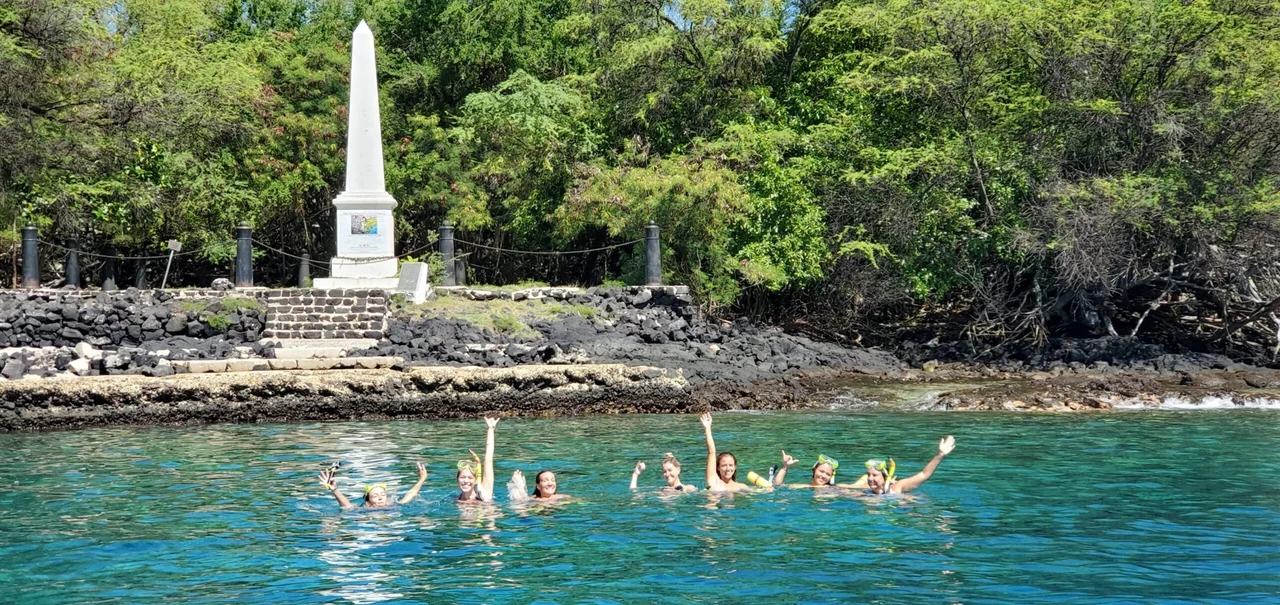
For a seamless and relaxing morning on the water, booking a dedicated Captain Cook snorkel tour takes the logistical burden off your shoulders.
Small-group boat charters handle all state conservation permits, navigation, and gear setup, allowing you to focus entirely on the ocean. Guests step down heavy-duty boat swim ladders directly into calm, deep water, completely avoiding the slick rocks and crashing shorebreak that hikers and paddlers must navigate.
Onboard naturalists provide safety briefings, marine life identification, and rich historical context regarding why Captain Cook excursions are the ultimate Big Island experience. This combination of comfort, safety, and expert instruction explains why Captain Cook Monument snorkeling should be on your Hawaii bucket list.
Why a Captain Cook Snorkeling Tour Is the Ultimate Kealakekua Bay Adventure
Opting for a guided boat excursion provides distinct advantages over self-guided excursions. Fast, rigid-hull inflatable boats (RIBs) maximize your time exploring the reef rather than slogging across access paths.
Departing out of Keauhou Bay places you just minutes from the monument, gliding past ancient sea caves and rugged lava flows along the Kona Coast. A small-group setting ensures personalized attention from our USCG-licensed captains and naturalists, providing a comfortable trip for both first-timers and veteran snorkelers. If you want a more comprehensive ocean day, you can also join a Kona snorkel tour with two snorkeling spots to explore multiple protected reefs along the coast.
Morning vs. Afternoon Captain Cook Snorkeling Tour Departures
Timing makes a substantial difference in ocean conditions along West Hawaii. During the early morning hours, the ocean surface inside Kealakekua Bay is typically calm, glassy, and protected from offshore winds.
As the island warms by midday, onshore thermal breezes create surface chop and reduce underwater clarity. Taking a morning Captain Cook snorkel adventure provides the best lighting for photography and the smoothest sea conditions for swimming.
Navigating the Reef: Best Entry Points and Coral Formations
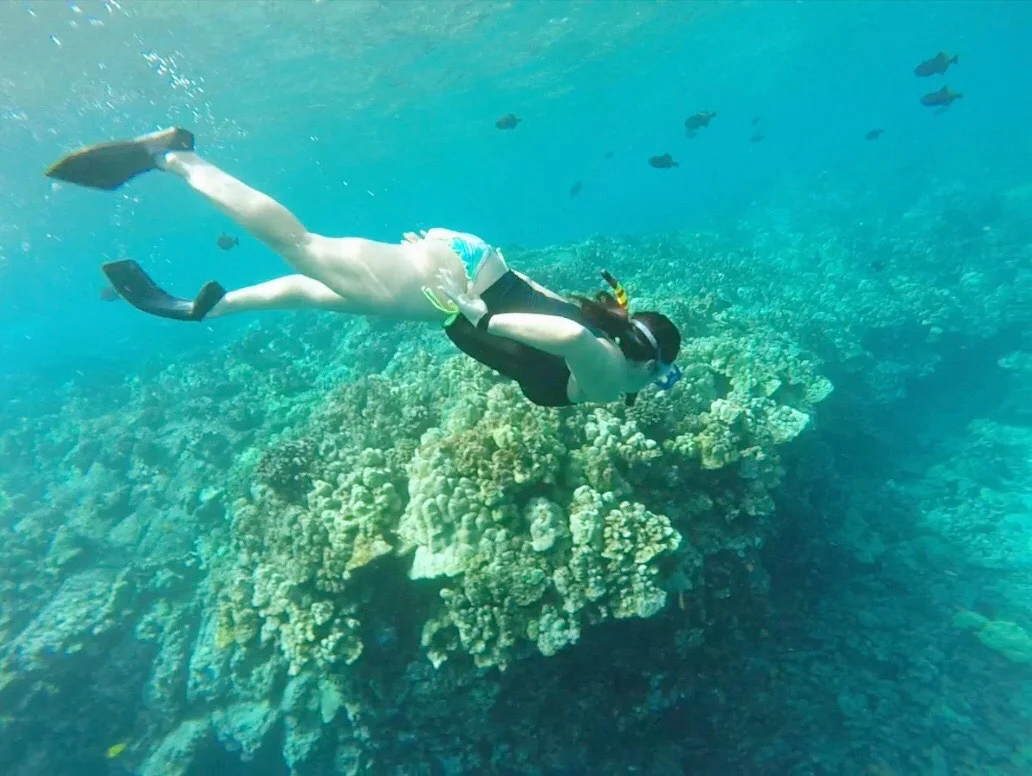
The underwater geography around the Captain Cook Monument features distinct marine habitats. Snorkelers entering from a boat have immediate access to the rich coral shelf located to the right (northwest) of the monument jetty.
The reef flat sits in 10 to 20 feet of water before dropping into the deep blue floor of the bay. Healthy coral growth extends approximately 1,200 feet along this shoreline shelf. As you glide along the drop-off, the transition from shallow sunlit lobe coral to the deep pelagic blue reveals why Konas Captain Cook snorkel where beauty meets adventure remains an enduring favorite.
Marine Life Highlights and Conservation Guidelines
Kealakekua Bay has enjoyed protected marine sanctuary status since 1969, allowing native Hawaiian reef species to thrive with minimal human interference. To safeguard this ecosystem, visitors must practice conscientious ocean etiquette.
Snorkelers should wear only mineral-based, non-nano zinc oxide sunscreens that comply with Hawaii state law, as chemical sunscreens bleach sensitive corals. Additionally, maintain neutral buoyancy, never kick or stand on the living reef, and resist the urge to touch or chase any marine life.
Vibrant Coral Reefs and Tropical Fish Species
The pristine waters of the bay support massive colonies of lobe (Porites lobata), finger (Porites compressa), and cauliflower (Pocillopora meandrina) corals. These structures create vital grazing and hiding habitat for hundreds of fish species, including:
- Yellow Tang (Lau'ipala): Bright yellow herbivorous fish grazing in active schools along the shallow flats.
- Milletseed & Ornate Butterflyfish (Kīkākapu): Distinctive native species darting among finger coral branches.
- Parrotfish (Uhu): Large, colorful reef scrapers that feed on algae and produce fine white coral sand.
- Whitemouth & Zebra Moray Eels (Pūhi): Solitary predators tucked into the lava crevices and reef cavities.
The deeper drop-off zone also provides glimpses of pelagic fish, trevally (Ulua), and spotted eagle rays gliding effortlessly along the edge of the blue water.
Protecting Hawaiian Spinner Dolphins and Sea Turtles
Kealakekua Bay serves as a critical daytime resting habitat for Hawaiian spinner dolphins (Stenella longirostris, known locally as Nai'a). These nocturnal foragers hunt in deep offshore waters at night and enter calm bays during the day to rest, socialize, and nurture their young.
Under federal regulations implemented on October 28, 2021, it is strictly unlawful for vessels, swimmers, and kayakers to approach within 50 yards of Hawaiian spinner dolphins in Hawaiian waters. If dolphins enter your immediate swimming area, remain calm, maintain your course, and do not pursue or swim toward them. You can learn about dolphins and their resting biology to understand why passive observation is vital to their survival.
Similarly, Hawaiian green sea turtles (Honu) frequent the bay to graze on marine algae. These reptiles are federally protected under the Endangered Species Act and should always be given at least 10 feet of space to surface and breathe without distress.
Frequently Asked Questions About Kealakekua Bay Snorkeling
What is the easiest and safest way to enter the water at Captain Cook Monument?
The safest, lowest-impact entry method is stepping off the swim ladder of a guided tour boat into 15 to 20 feet of clear water.
Entering from the shoreline requires stepping over slippery, moss-covered concrete walls or sharp basalt rocks where breaking swells can easily cause scrapes or falls. Boat entries also eliminate the risk of accidentally stepping on delicate shallow coral heads or sea urchins (Wana). For more packing tips and gear suggestions, check our guide on what you need to know before you go.
Are there restrooms, shade, or freshwater facilities at the monument site?
No. The Captain Cook Monument is located on a remote, undeveloped shoreline. There are no public restrooms, trash cans, shade structures, or running freshwater showers anywhere near the monument.
Hikers and kayakers must carry out all trash, pack sufficient shade gear, and bring all freshwater supplies with them. In contrast, guided snorkel excursions provide shaded boat decks, onboard marine heads (restrooms), fresh drinking water, and post-snorkel freshwater rinses.
How close can snorkelers and boats get to spinner dolphins in the bay?
All ocean users, including boaters, paddlers, and swimmers, must maintain a minimum distance of 50 yards (150 feet) from Hawaiian spinner dolphins across all main Hawaiian Islands. This rule protects the dolphins during their critical daytime rest cycles. Licensed tour operators follow strict non-intrusive protocols to ensure dolphins are observed respectfully from legal viewing distances without disrupting their natural behaviors.
Plan Your Kona Snorkel Adventure
A trip to the Captain Cook Monument at Kealakekua Bay offers some of the most spectacular underwater visibility and thriving coral habitats in Hawaii. By choosing a small-group, boat-based tour, you skip the physical strain of the Ka'awaloa hike, bypass complicated kayak permits, and enjoy a safe, educational ocean adventure led by knowledgeable naturalists.
At Dolphin Discoveries, our veteran- and woman-owned team takes pride in offering small-group, eco-friendly excursions that prioritize marine conservation, safety, and authentic local knowledge. Our 3.5-hour Captain Cook snorkel tour (including check-in) is $99.99 per person, departing directly from Keauhou Bay with high-grade snorkel gear, flotation aids, and expert instruction included. We also offer our 4-hour Kona snorkel tour with two snorkeling spots starting at $109.99 per person, 2-hour dolphin and whale watching tours starting at $99.99 per person, and customizable private charters starting at $1,050 for up to 34 guests. (All rates are subject to change; please check dolphindiscoveries.com for current pricing and seasonal schedules.)
If you are ready to explore the clear waters of Kealakekua Bay, explore our available tour departures or contact our friendly crew to find the perfect ocean excursion for your Kona getaway.