

Start With Kona's Best Snorkel Spots
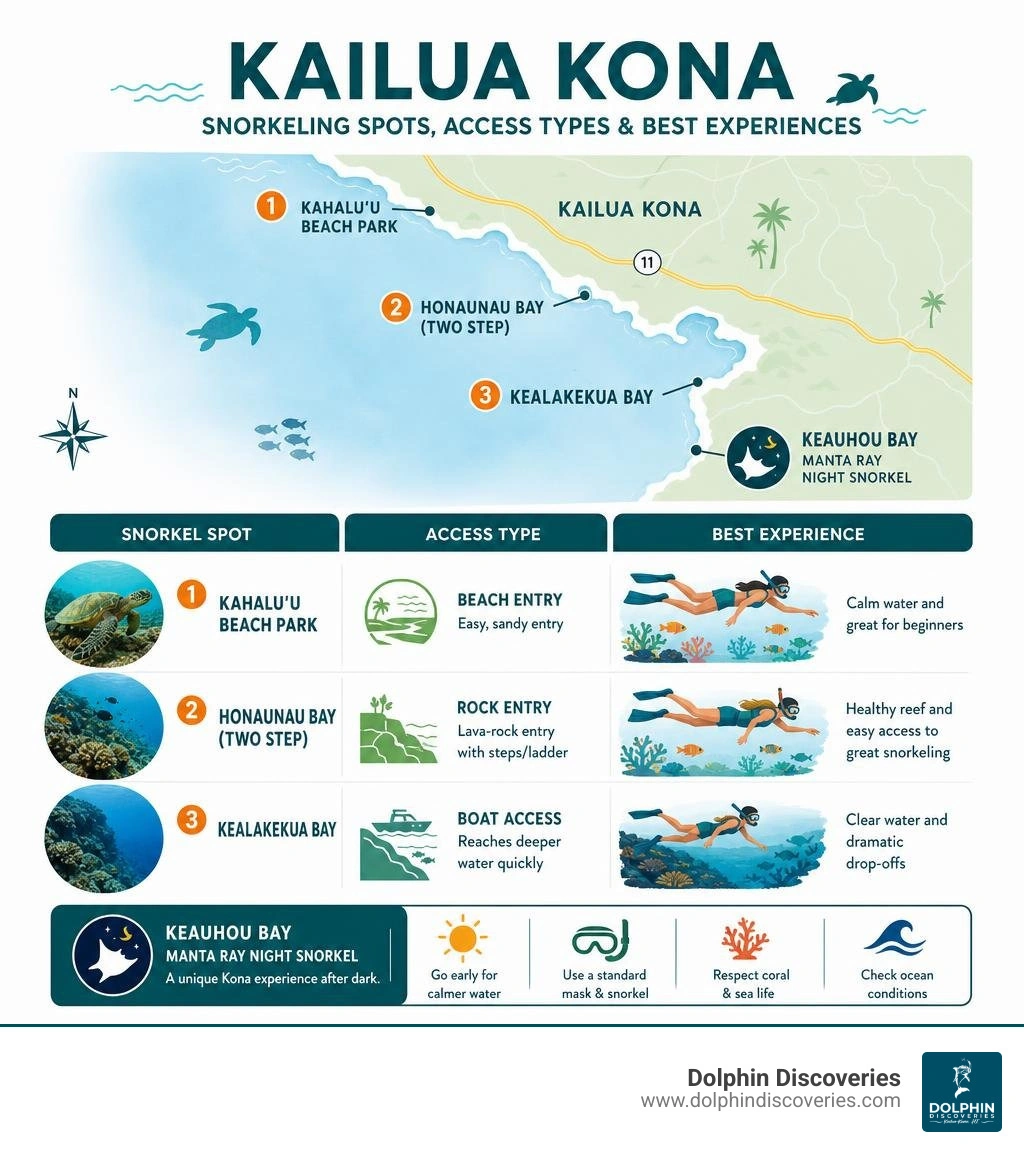
For the best snorkeling Kailua Kona has to offer, start early at Kahalu'u Beach Park for calm, beginner-friendly water, Honaunau Bay (Two Step) for lava-rock entry and healthy reef, or Kealakekua Bay for clear water and dramatic drop-offs. For a true Kona-only experience, join a guided manta ray night snorkel in Keauhou Bay rather than entering dark, active boat areas on your own.
Kona's leeward coast is often calmer than Hawaii's windward shores, but conditions still change by beach and season. Check the ocean before you enter, use a standard mask and snorkel instead of a full-face mask, and never touch coral or approach sea turtles. Morning is usually the best window for clearer, smoother water.
At Dolphin Discoveries, we help guests explore Kona's reefs in small groups with care for the animals, coral, and changing ocean conditions. I am Shelley Carey, and next, we'll look at the shore spots that best fit your skill level and snorkeling goals.
Similar topics to snorkeling kailua kona:
Introduction

The Kona Coast stretches nearly 100 miles along the western side of the Big Island, featuring over 30 distinct ocean entry points and snorkeling areas. Because the massive volcanoes of Mauna Kea and Mauna Loa block the prevailing northeast trade winds, this leeward coast enjoys remarkably calm, clear ocean conditions compared to other Hawaiian shorelines. Underwater, ancient volcanic basalt flows have created intricate lava tubes, dramatic drop-offs, and vibrant coral gardens that house hundreds of reef species found nowhere else on Earth.
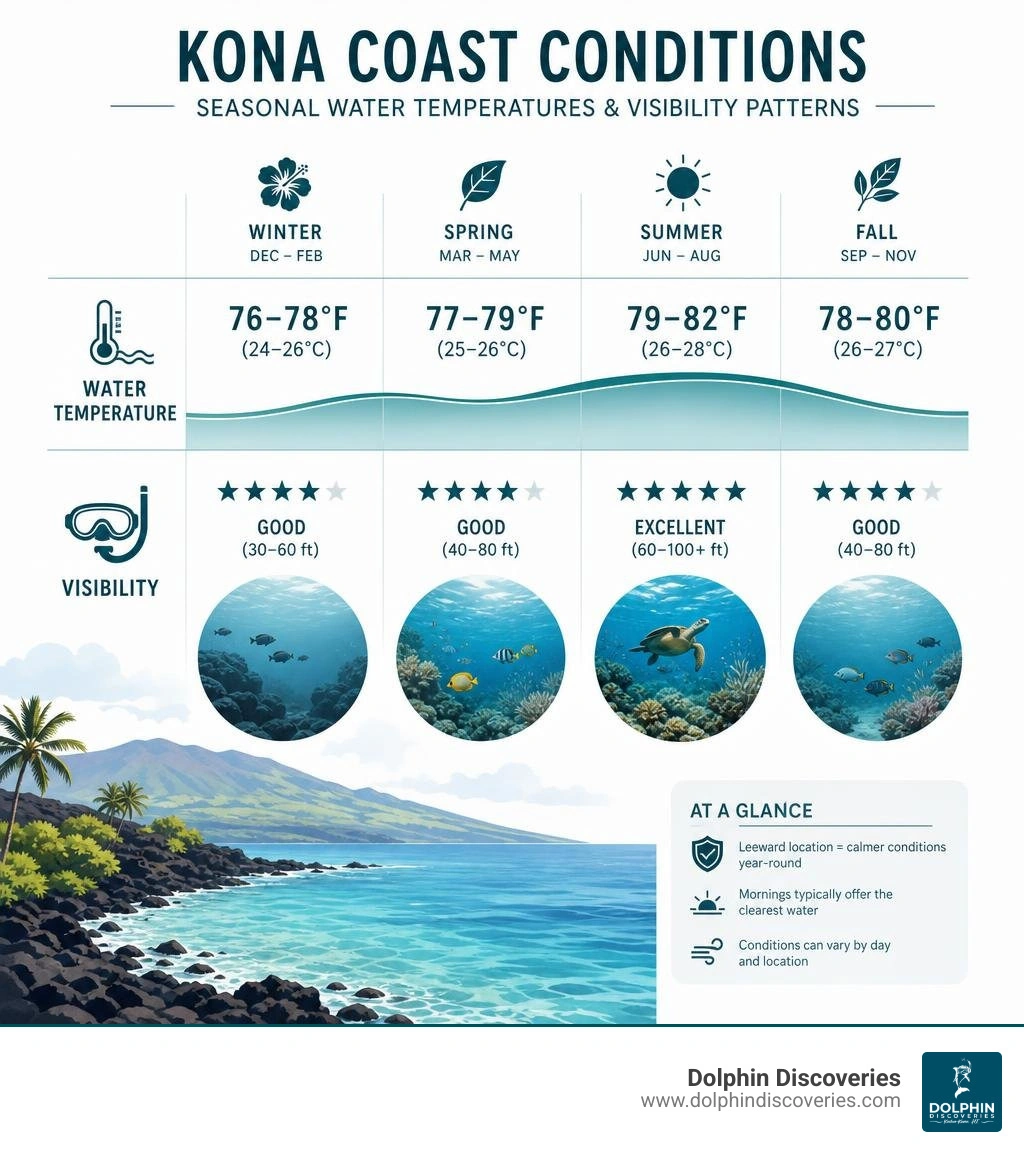
Understanding local conditions is the key to having a rewarding time in the water. While Kona's leeward position provides protection year-round, subtle shifts in seasonal ocean swells and daily wind patterns impact clarity and wave energy.
Top Spots for Snorkeling Kailua Kona Shorelines and Bays
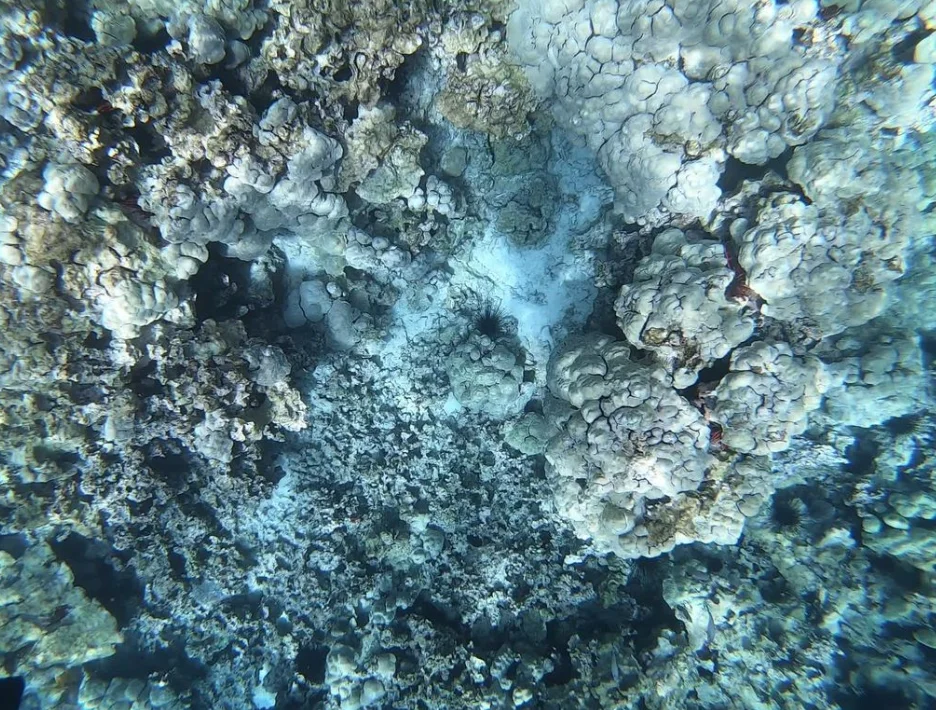
Under Hawaii state law, all shorelines up to the upper reaches of the waves are public property. This means you have legal access to the ocean across the island, even through gated luxury resorts. However, finding the safest entry points and best coral cover requires a bit of local know-how. Here is a breakdown of the top shore-accessible spots around Kona.
Kahalu’u Beach Park for Beginners and Families
If you are just getting comfortable with a mask and fins or introducing children to the reef, Kahalu’u Beach Park is the gold standard. A large submerged rock breakwater across the outer bay absorbs offshore wave energy, keeping the inner waters gentle and shallow—rarely exceeding depths of 10 feet.
Over 100 species of fish have been documented by researchers and volunteers within this shallow ecosystem. Swimmers regularly spot schools of yellow tang, parrotfish (uhu), butterflyfish, Moorish idols, and Hawaii’s state fish, the humuhumunukunukuāpuaʻa.
An on-site educational kiosk staffed by local ocean stewards offers fish identification cards, mask defogger, and reef-safe sunscreen advice. When entering, stick to the sandy channel on the left side of the bay; the right side borders an active surf break with stronger outward currents. County parking in the paved lot costs $14, with restrooms, freshwater showers, and lifeguards on duty. If you're planning a trip with little ones, check out our guide on Snorkeling Big Island with Kids for extra family preparation tips.
Honaunau Bay (Two Step) and Pristine Coral Formations
Located adjacent to the historic Puʻuhonua o Hōnaunau National Historical Park, Honaunau Bay—fondly known as "Two Step"—is arguably the Big Island’s premier shore-entry reef. The site earns its nickname from two natural lava rock ledges on the bay's northern point that function like flat stairs, allowing you to step directly into 10- to 15-foot deep water without walking across live coral.
Once submerged, you'll encounter massive, healthy lobes of brain coral and finger coral shelving down into a 40-foot sandy canyon. Visibility frequently exceeds 80 to 100 feet. You can learn more about this site and nearby alternatives in our comprehensive breakdown of Kona Snorkeling.
Because entering requires navigating slippery volcanic rock, wearing protective water shoes or hard-soled booties is recommended until your fins are securely on. Avoid stepping on the black lava benches where green sea urchins (wana) nest in crevices.
Kealakekua Bay and the Historic Captain Cook Monument
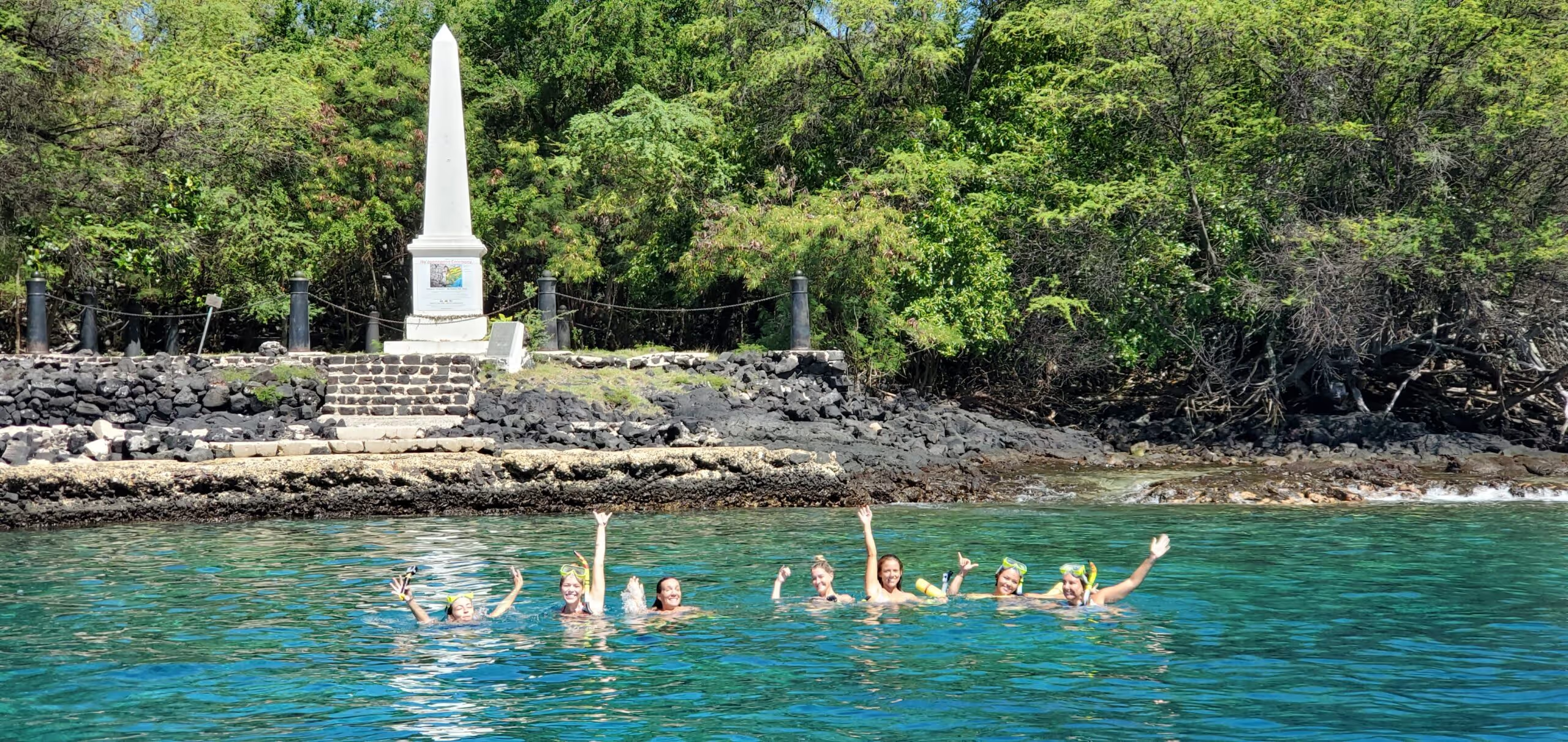
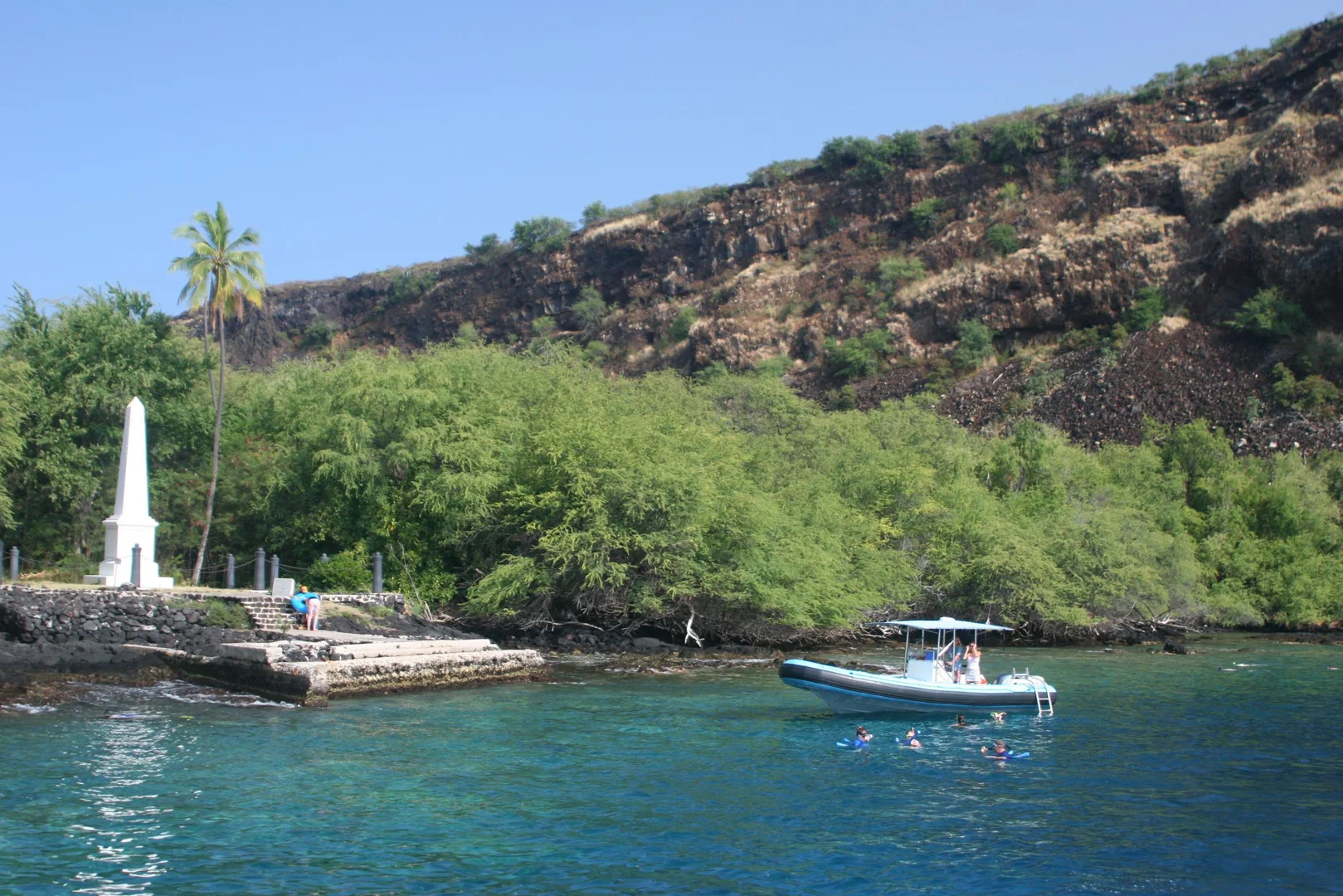
Kealakekua Bay is a protected State Marine Life Conservation District that offers the highest coral density and marine biodiversity on the island. The best reef is concentrated against the northern point surrounding the white stone Captain Cook Monument. Here, massive coral walls plunge into turquoise water, hosting schools of triggerfish, moray eels, and vibrant coral heads.
Accessing this remote corner requires some planning:
- By Land: A steep, challenging 1.75-mile hike descending 1,200 vertical feet down Napoopoo Road (requiring a hot, unshaded uphill trek on the return).
- By Kayak: Permitted ocean kayak rentals from authorized operators (landing on the shoreline near the monument is strictly regulated by state permits).
- By Boat: The most relaxing, educational, and direct route is booking an organized captain cook snorkel tour, which allows you to bypass the grueling hike and slip right into the clearest section of the bay.
Hidden and Less Crowded Gems: Kiholo Bay and Honomalino
For adventurers looking to escape the busiest beaches, the Kona coastline holds several quiet treasures:
- Kiholo Bay: Located roughly 20 miles north of Kailua-Kona, this expansive bay features contrasting black lava plains, turquoise water, and a sheltered lagoon frequented by Hawaiian green sea turtles (honu). Walking to the main turtle cove requires a scenic 1-mile stroll along the coastal gravel path from the parking area. The inner lagoon is brackish and slightly silty, so stay toward the outer rocky points for clearer reef visibility.
- Honomalino Bay: Situated south near the traditional fishing village of Miloliʻi, Honomalino is reached via a pleasant 0.75-mile footpath through coastal kiawe trees and ancient lava beds. The secluded cove features a mix of black and golden sand fringed by coconut palms, with tranquil waters over outer coral benches.
Both locations showcase why Kona is celebrated for having the Best Snorkeling Hawaii has to offer. Pack plenty of fresh water and pack out all trash, as these remote sites lack public facilities.
Unique Guided Ocean Adventures and Night Reef Encounters
While shore snorkeling offers wonderful flexibility, the deep volcanic drop-offs and secluded sea caves along the South Kona coast are best experienced by boat. Small, maneuverable vessels let you reach pristine offshore reefs that are inaccessible by foot, while naturalists provide real-time context on the local geology and marine life behavior.
| Experience Feature | Shore Snorkeling | Guided Boat Snorkel Tour |
|---|---|---|
| Physical Effort | High (rock entries, steep trail hikes) | Low (easy swim-step ocean platform) |
| Reef Accessibility | Limited to calm public shorelines | Remote sea caves, offshore drop-offs |
| Safety Supervision | Independent ocean awareness | USCG Master Captains & Lifeguards |
| Marine Education | Self-guided exploration | Onboard naturalists & marine biologists |
| Equipment Provided | Must rent or bring personal gear | High-grade sanitized masks, fins, wetsuits |
The Iconic Manta Ray Night Snorkel
Of all ocean encounters in Hawaii, the night snorkel with giant manta rays (Mobula alfredi) is the most remarkable. The Kona Coast is home to a thriving population of between 200 and 300 resident manta rays, each identified by unique spot patterns on their ventral (belly) sides.
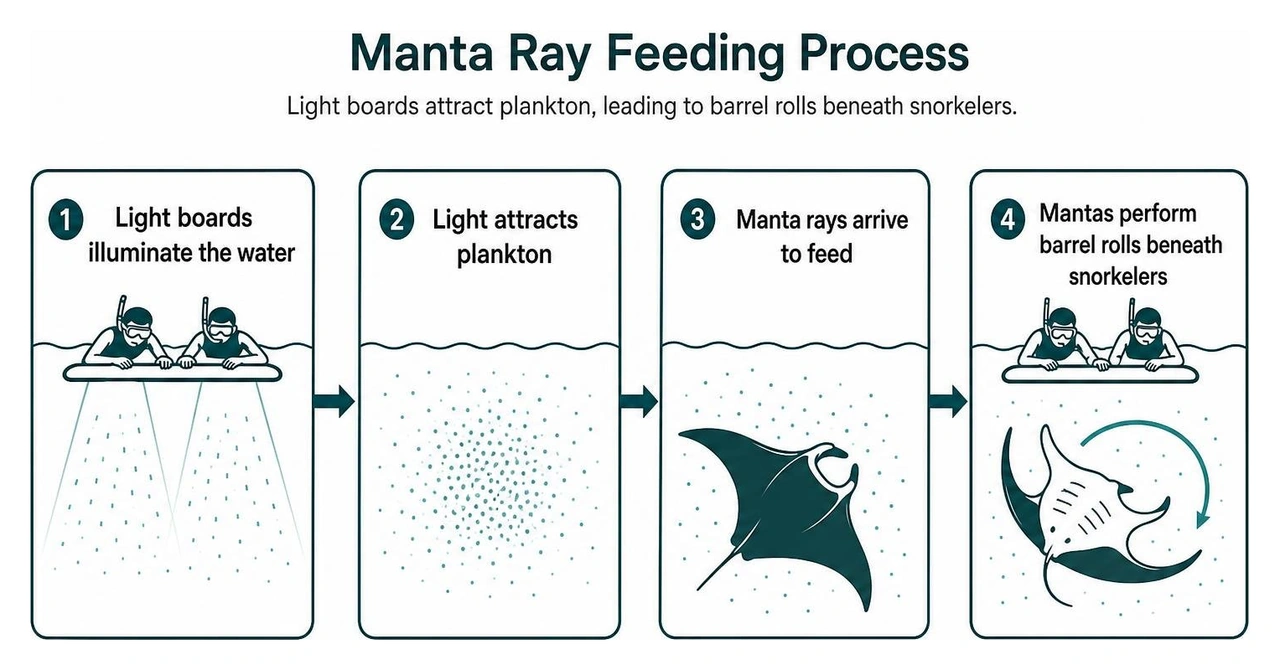
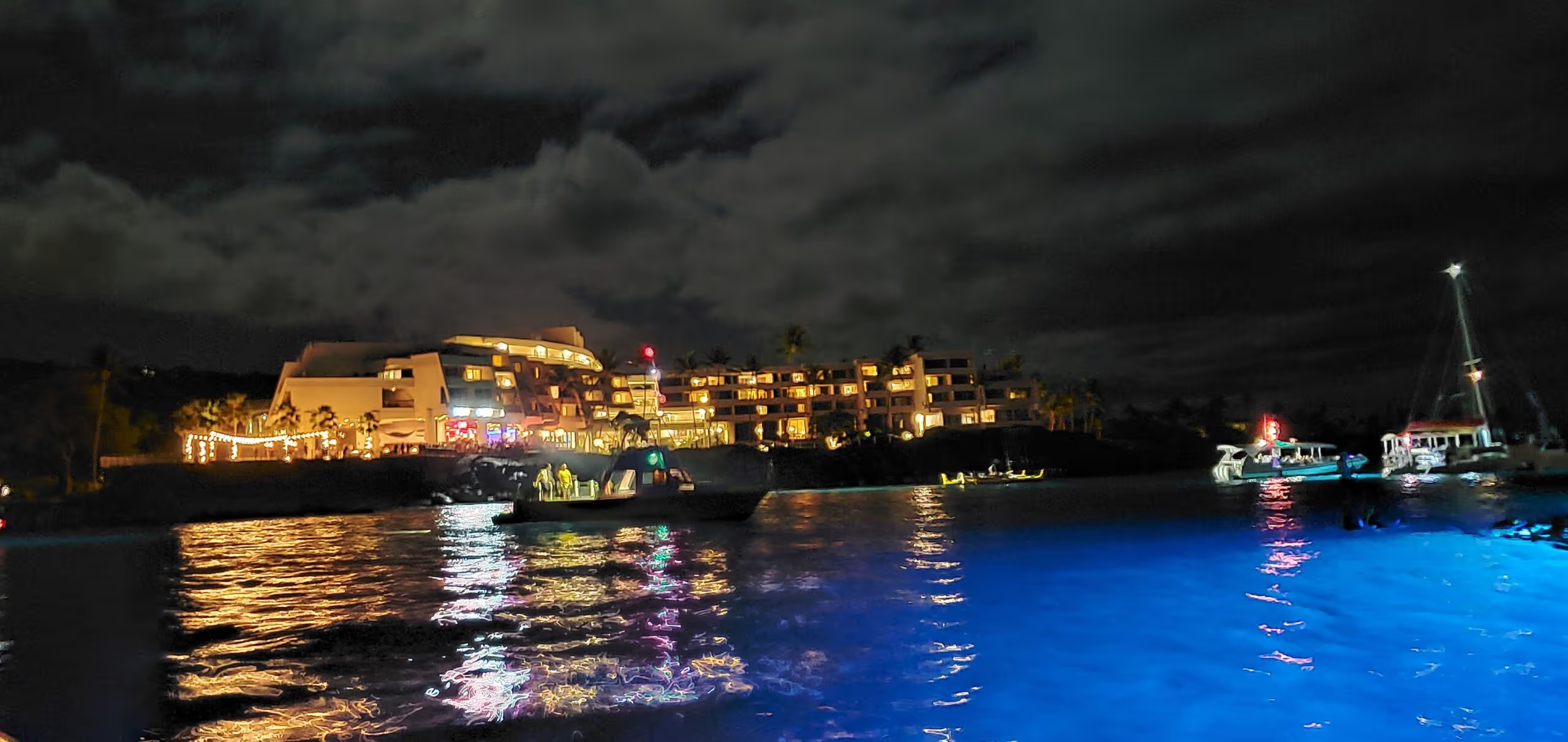
This encounter began organically in the 1980s when resort shoreline floodlights in Keauhou Bay attracted concentrated swarms of microscopic ocean plankton. Filter-feeding mantas quickly learned that the illuminated water created an effortless buffet.
Today, you can join an ethical manta ray night snorkel kona where you float peacefully holding onto a customized, illuminated swim board. Mantas—often boasting wingspans of 8 to 14 feet—glide and perform graceful backward somersaults (barrel rolls) inches beneath your mask to scoop up plankton. Because mantas lack barbs, stingers, or teeth, they pose zero threat to humans, making this one of the safest large-animal encounters in the world.
Booking Boat Tours vs. Shore Snorkeling Kailua Kona
Shore snorkeling gives you spontaneous access to shallow bays, but booking a specialized tour opens up pristine marine sanctuaries. A multi-stop trip like our kona snorkel tour two snorkeling spots pairs the rich coral gardens of Kealakekua Bay with remote, cliff-walled sea caves and offshore lava tubes along the South Kona coastline.
Guided boat charters also remove the stress of hunting for scarce beach parking, navigating jagged lava entries, or getting caught in unexpected rip currents. For a comprehensive overview of shore spots versus chartered trips, The Ultimate Guide to Snorkeling in Kona, Hawaii offers great additional perspective for mapping out your vacation days.
Essential Preparation, Gear, and Marine Conservation Rules
A smooth day on the water comes down to proper gear and understanding the reef environment. If you want a step-by-step roadmap for getting started, read through how to plan a kona snorkel trip no prior experience required before packing your bags.
Essential Tips for Snorkeling Kailua Kona Safely
- Ditch the Full-Face Mask: We strongly advise using a traditional two-piece setup (a separate silicone mask and J-tube or dry-top snorkel). Full-face integrated masks carry documented safety risks of carbon dioxide (CO2) buildup and cannot be quickly cleared if water breaches the seal.
- Defog Properly: Apply a drop of commercial biodegradable defogger or diluted baby shampoo to dry lenses, rub thoroughly, and give it a quick ocean rinse right before donning your mask.
- Assess Conditions First: Spend at least five minutes observing the water before stepping in. Watch where the waves are breaking, note any surging water over shallow rocks, and identify your exit point. For detailed safety pointers, review a beginners guide to kailua-kona snorkeling tips and tricks.
Marine Wildlife Etiquette and Reef Conservation
Hawaii's coral reefs are delicate, living ecosystems that require mindful stewardship:
- Keep Your Distance from Sea Turtles: Hawaiian green sea turtles (honu) are protected under state and federal law. Always maintain a minimum distance of at least 10 feet (3 meters). Never chase, corner, touch, or attempt to ride a turtle.
- Mind NOAA Spinner Dolphin Rules: Federal NOAA regulations strictly prohibit swimming within 50 yards (150 feet) of Hawaiian spinner dolphins in coastal waters. These nocturnal hunters use shallow bays during the day to rest, socialize, and nurse their young. If dolphins approach your vessel or swim area, maintain your course and avoid swimming directly toward them.
- Wear Certified Mineral Sunscreen: Hawaii law bans sunscreens containing oxybenzone and octinoxate, chemicals proven to bleach and mutate juvenile coral polyps. Use only non-nano zinc oxide or titanium dioxide mineral formulas—or better yet, wear a UV-protective rashguard to minimize lotion use entirely.
- Never Stand on Living Coral: What looks like a sturdy boulder is actually a colony of thousands of delicate, slow-growing coral polyps. Kicking or standing on coral breaks their skeleton and introduces fatal bacterial infections. If you need to rest, roll onto your back to float or tread water in sandy channels. For deeper insights on local reef safety, check out our kona guided snorkeling tips 2026.
Frequently Asked Questions About Kona Snorkeling
What is the best time of day to snorkel in Kailua-Kona?
Early morning—between 7:00 AM and 10:30 AM—is by far the best time to snorkel. Morning brings glassy surface conditions, light winds, and peak visibility. By midday, offshore thermal trade winds pick up, creating choppy surface conditions and reducing underwater clarity.
Can you snorkel in Kona during the winter months?
Yes. Thanks to the towering shelter of Mauna Loa and Hualālai, the leeward Kona Coast remains snorkel-friendly year-round. While massive northwest winter swells can occasionally create rough surf at exposed northern beaches, protected bays like Kahalu’u, Kealakekua, and Keauhou stay generally calm. Winter water temperatures dip slightly to around 75°F–77°F (24°C–25°C), so slipping on a 1mm–2mm neoprene wetsuit top will keep you comfortable during long swims.
Is it safe to do the manta ray night snorkel on your own?
Attempting to swim out into Keauhou Bay or the offshore airport cove at night on your own is extremely dangerous. These areas experience heavy boat traffic with twin-engine catamarans and tour vessels maneuvering in pitch-black conditions. Joining an organized tour ensures you have specialized high-lumen light arrays to attract plankton, continuous professional in-water lifeguard supervision, and clear visibility for approaching boats.
Conclusion
From the calm, fish-filled shallows of Kahalu’u to the breathtaking drop-offs of Kealakekua Bay, exploring the Kona Coast under the surface is an unforgettable way to connect with Hawaii's vibrant marine life. Respecting the reef, giving wildlife plenty of space, and choosing the right bays for your comfort level ensures these waters remain healthy for generations to come.
As a woman- and veteran-owned ocean tour team, Dolphin Discoveries is proud to share our passion for marine conservation and local ecology across every trip. Our small-group, naturalist-led excursions depart directly from Keauhou Harbor on fast, comfortable rigid-hull inflatables—getting you quickly to the best snorkeling spots while avoiding large crowds.
Captain Cook Snorkel Tours start at $79.99 per person for a 3-hour trip, while our 2-hour Manta Ray Night Snorkel and Dolphin & Whale Watching tours start at $99.99. For a full half-day adventure, our Kona Snorkel Tour – Two Snorkeling Spots starts at $109.99 per person (4 hours), and private boat charters start at $1,050 for up to 34 guests on a fully customizable "Holo Holo" trip. (All rates subject to change; please confirm current availability at dolphindiscoveries.com).
Whether you're gearing up for your very first ocean swim or mapping out your daily coastal itinerary with our kailua-kona snorkeling guide 2026, we'd love to welcome you aboard and share Kona's living reefs with you.