

See Kona's Manta Rays Feeding After Dark
For a night snorkel with manta rays in Kona, book a guided evening boat tour, wear the provided mask, snorkel, wetsuit, and flotation gear, then hold onto a lighted surface board while mantas glide beneath you. The lights attract tiny plankton, which in turn draws the rays to feed. Your job is simple: float calmly, keep your hands to yourself, and let the wildlife choose the encounter.
Kona is one of the world's best places for this experience because manta rays regularly visit nearshore feeding sites after dark. Some have wingspans over 16 feet, yet they are gentle filter feeders with no stinger. A typical encounter lasts about 45 to 60 minutes, though sightings are never guaranteed because these are wild animals.
At Dolphin Discoveries, we believe the best manta encounter is a respectful one: no touching, no chasing, and no standing on reef. I am Shelley Carey, and I will help you plan a safe, informed, and memorable night on the water.
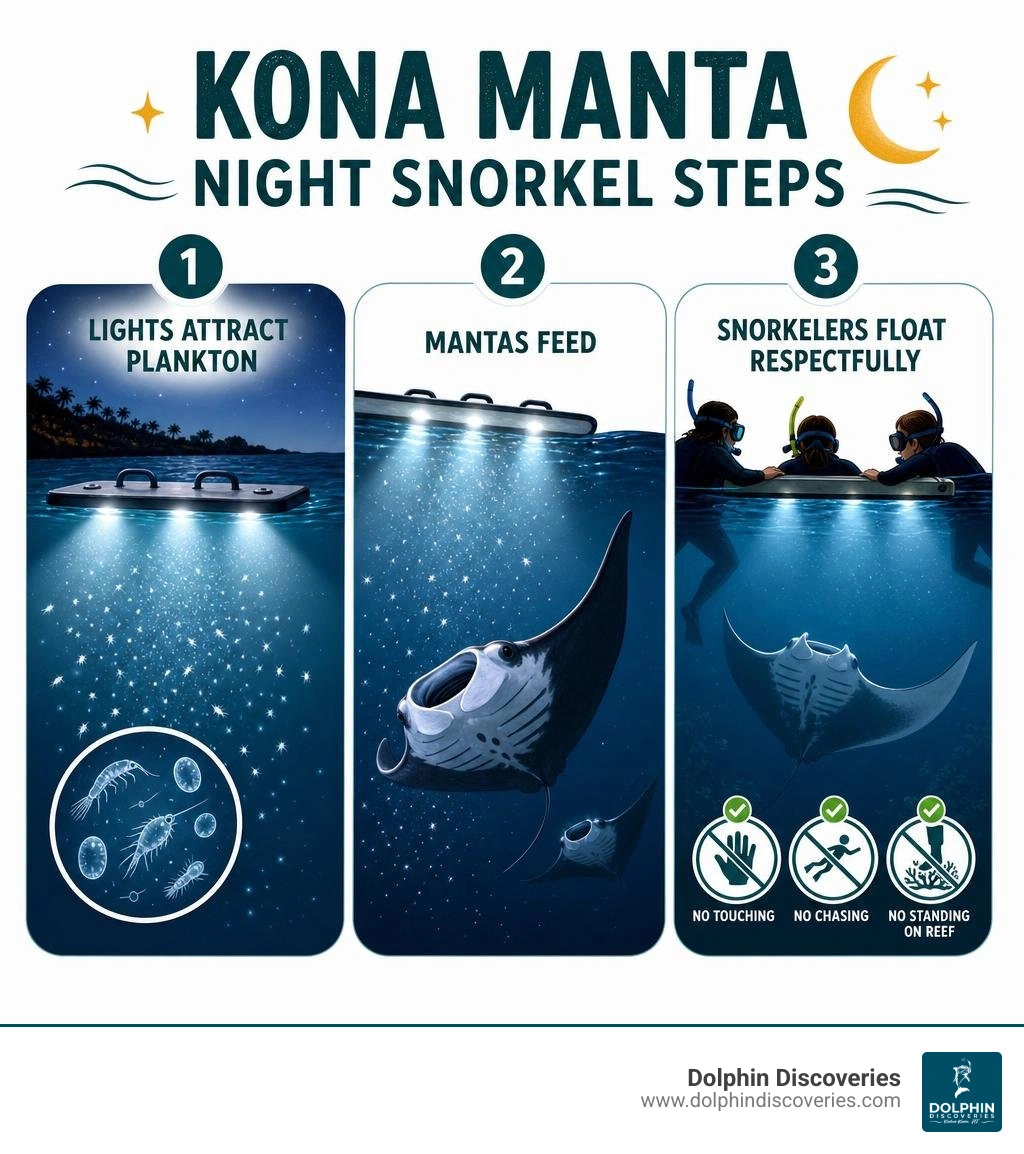
Night snorkel manta rays kona vocab explained:
Why the Night Snorkel Manta Rays Kona Experience Is Unrivaled
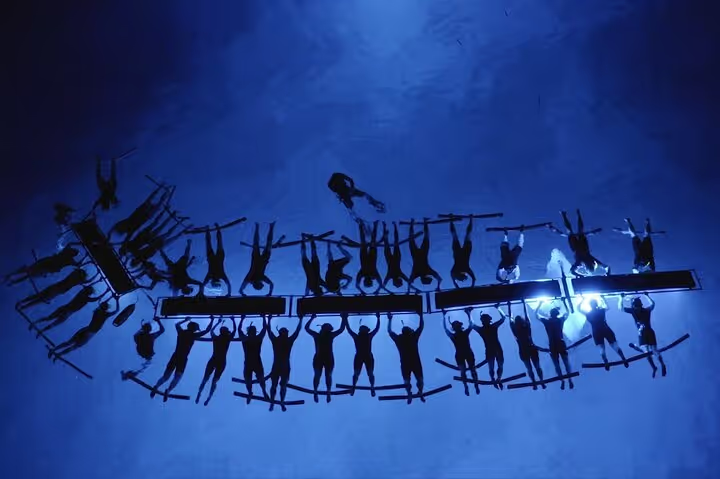
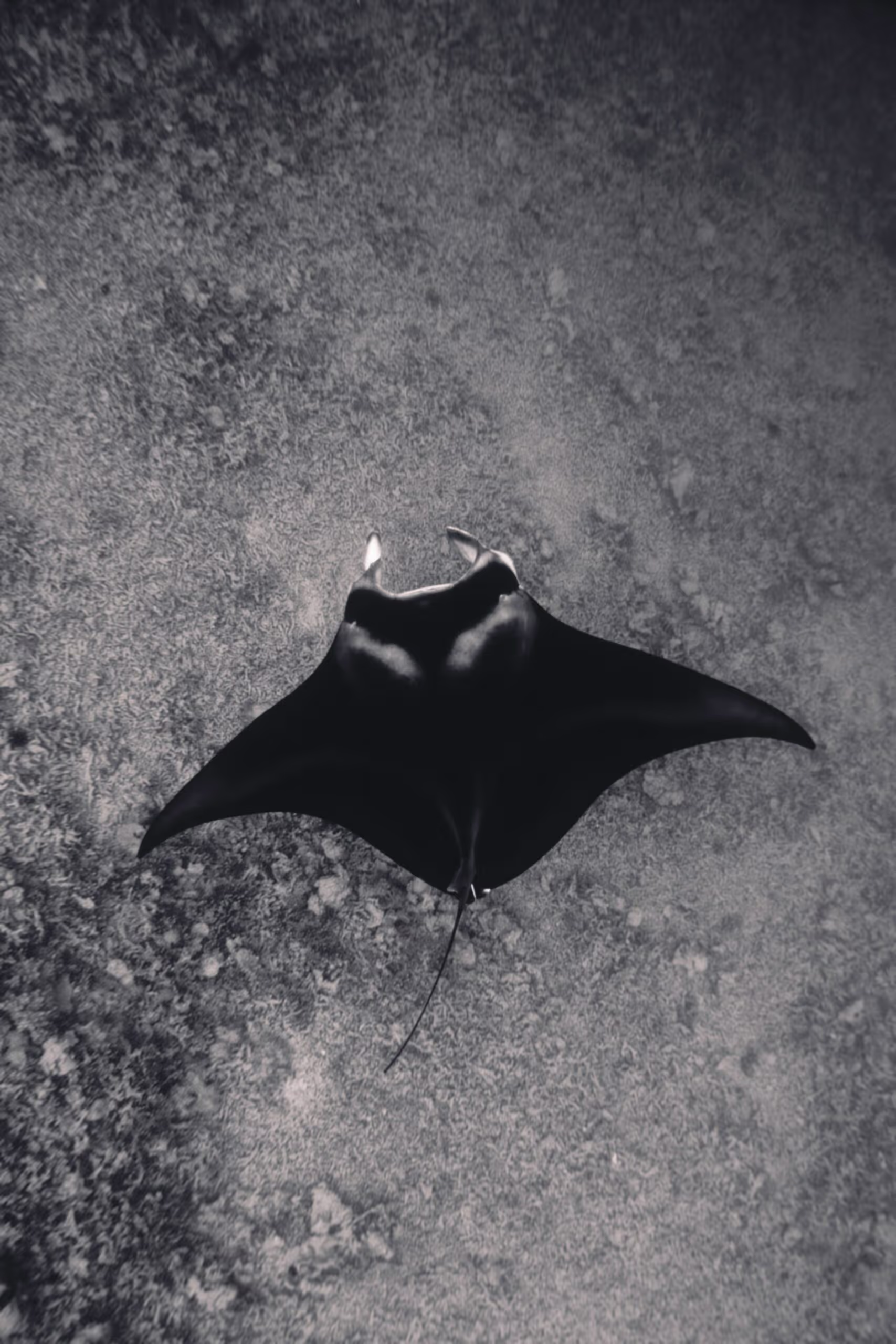
The Kona coast of the Big Island is globally recognized as the premier destination for observing reef manta rays (Mobula alfredi). Unlike pelagic oceanic mantas that roam the open sea, Kona is home to a resident population of several hundred identified individuals. Because these animals remain along the shallow coastal shelves, researchers and naturalists have documented their feeding behaviors and family lineages for decades.
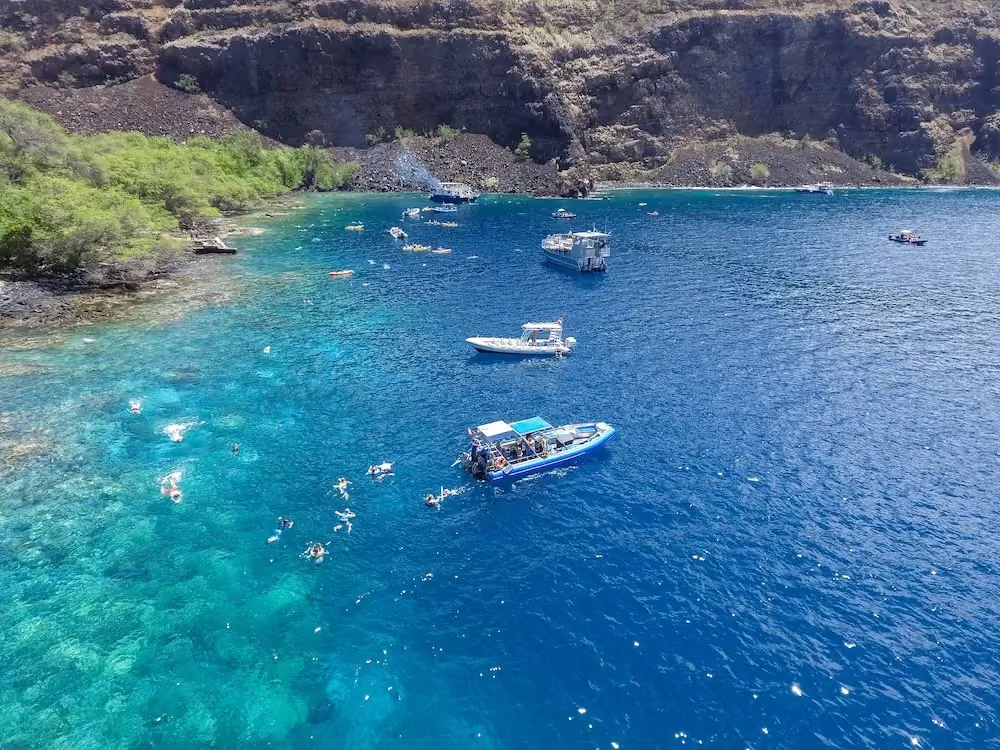
Primary feeding hotspots like Keauhou Bay (often called "Manta Village") and Makako Bay ("Manta Heaven" near the Kona airport) feature calm, protected waters where these magnificent animals gather. During peak feeding conditions, tour operators consistently report sighting success rates over 95%. When you take the time to learn about manta rays, you discover that Kona's underwater topography creates a natural funnel for marine nutrients, which is why manta ray tours on the Big Island are magical.
Coastal Kona features volcanic drop-offs that meet upwelling deep-water currents. As night falls, phototactic (light-attracted) zooplankton rise from the depths toward the surface. When illuminated by high-powered dive lights, these microscopic organisms concentrate into dense clouds, drawing in manta rays with wingspans reaching up to 16 feet across.
The Science Behind the Light Boards and Plankton Feeding
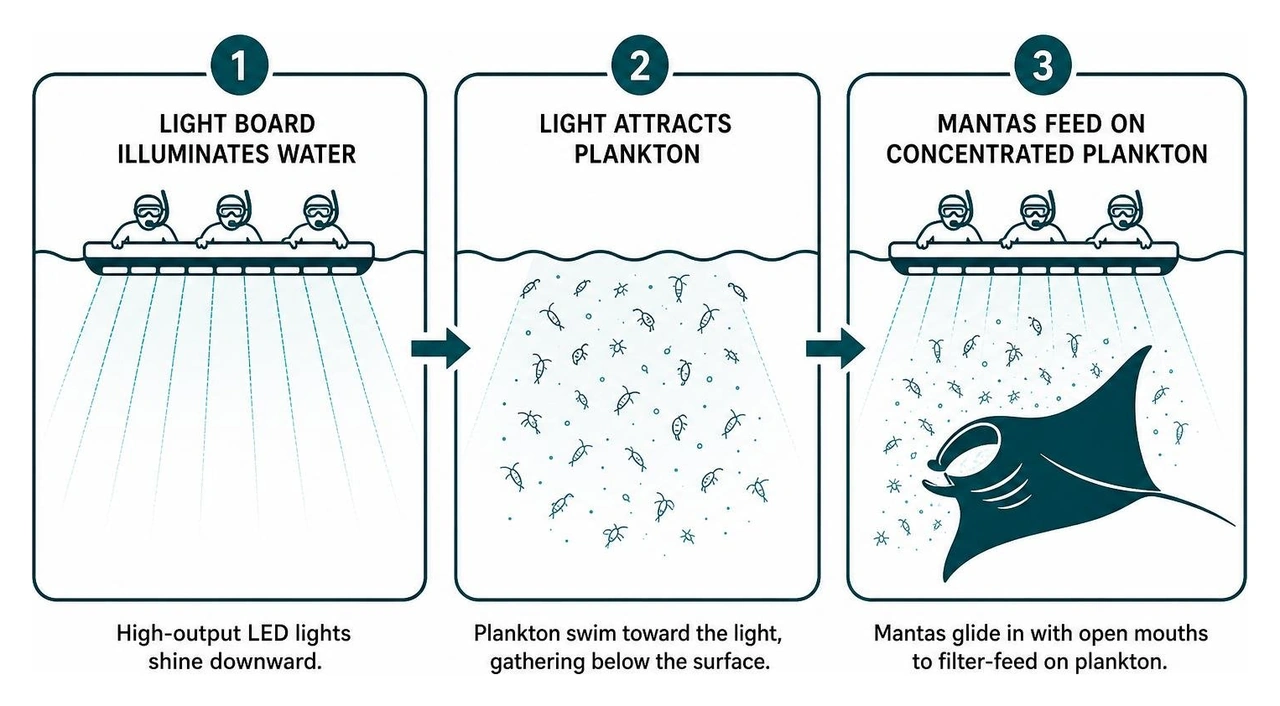
The entire encounter relies on an ingenious, non-invasive dynamic between specialized lighting and marine biology:
- High-Output LED Lighting: Custom surface float boards shine bright blue and white LED light arrays downward into the water column.
- Plankton Phototaxis: Zooplankton, including copepods, crab larvae, and mysid shrimp, naturally swim toward light sources, gathering directly below the float.
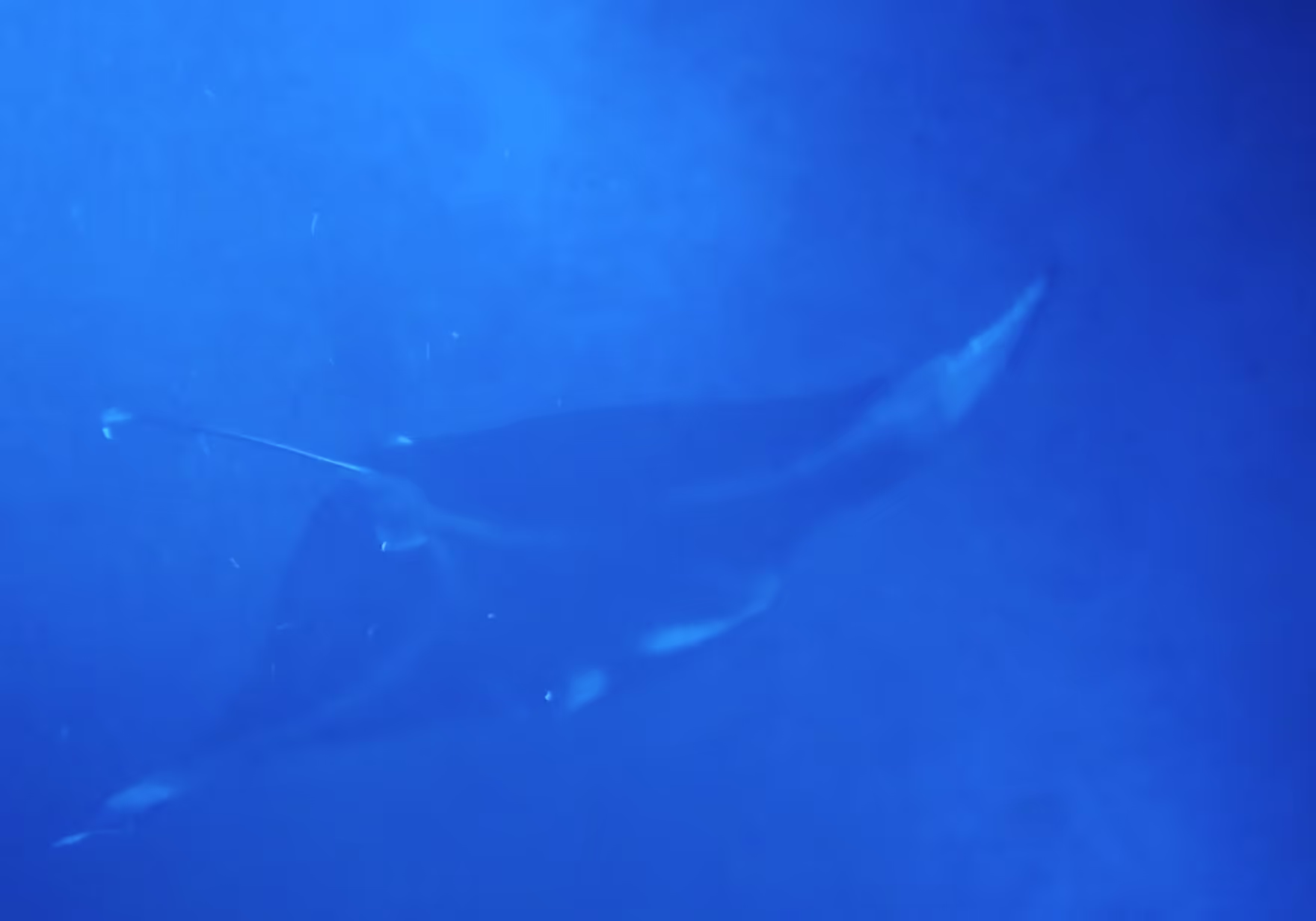
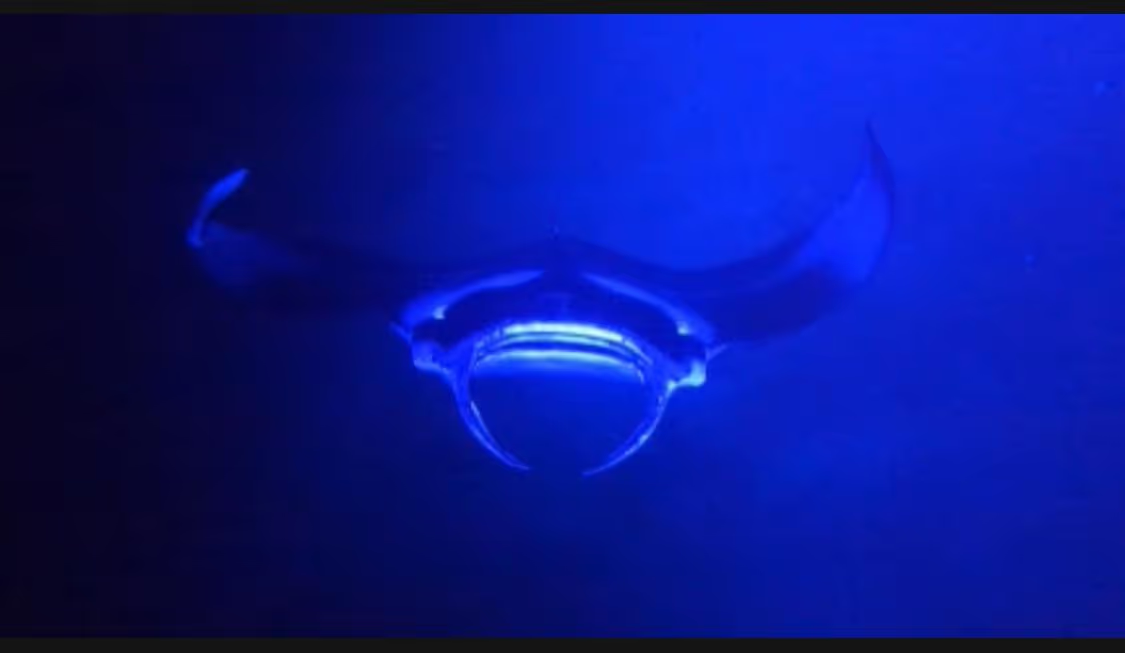
- Filter-Feeding Dynamics: Manta rays glide into the light beams with their wide, cavernous mouths wide open.
- Cephalic Fin Manipulation: The mantas unfurl their flexible cephalic fins (the horn-like flaps flanking their mouths) to funnel plankton-rich water across their internal gill rakers.
- Acrobatic Barrel Rolls: To maximize their feeding efficiency within the concentrated beam of light, mantas execute backward somersaults repeatedly, often coming within inches of the floating snorkelers.
This setup creates a completely voluntary buffet for the rays. They are not held in captivity or coerced with chum; they simply exploit an easy food source created by the lights before gliding back into the dark ocean.
How the Manta Ray Night Snorkel Works from Start to Finish
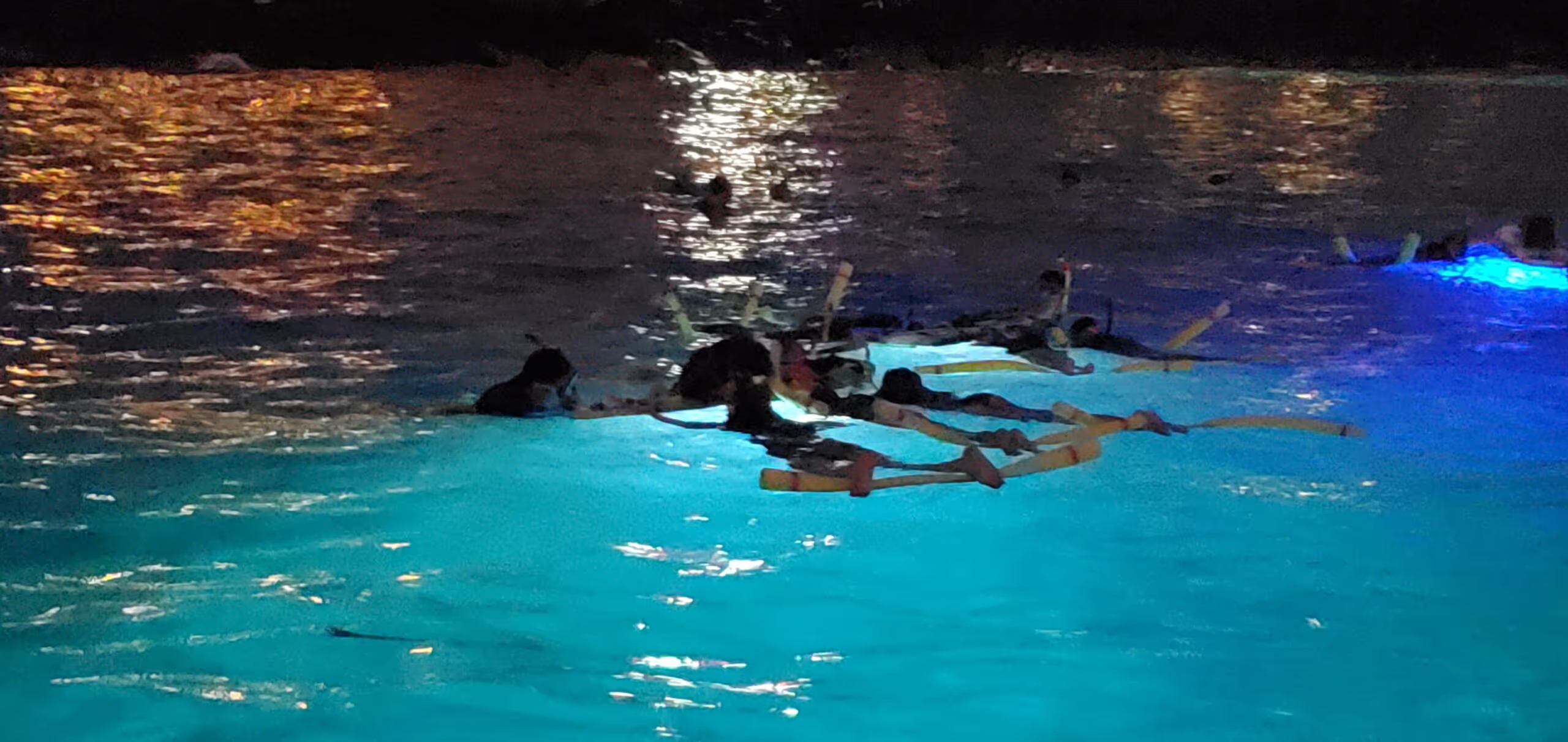
Joining a night excursion is a smooth, structured experience designed to keep you safe and warm. Here is what you can expect from the moment you step onto the dock:
- Harbor Briefing & Gear Fitting: Before departure, guides fit you with thermal wetsuits, specialized optical masks, and snorkels, providing a full briefing on passive observation protocols.
- Short Boat Ride: Vessels depart as the sun dips below the horizon, navigating a short distance to the protected mooring sites at Keauhou Bay or Makako Bay.
- Board Deployment: Guides enter the water first, anchoring large, buoyant "light boards" equipped with sturdy perimeter handles and downward-facing LED lights.
- Water Entry: Snorkelers slip into the water and grasp the handles along the edge of the floating board, resting their bodies flat at the surface.
- The Encounter: For 45 to 60 minutes, you float effortlessly while watching the mantas somersault through the illuminated water column directly beneath your chest.
- Warm Return: After exiting the water, dry off and enjoy warm beverages on the short cruise back to the harbor.
For a comprehensive breakdown of the trip logistics, explore our manta ray night swim guide 2026 to help you get ready.
Essential Gear and Preparation to Night Snorkel Manta Rays Kona
Proper preparation ensures your focus remains on the wildlife rather than feeling cold or uncomfortable. We supply high-grade neoprene wetsuits, which provide essential thermal insulation in the 76°F to 80°F ocean water while adding natural buoyancy. Snorkelers with vision correction can request optical masks to ensure crisp visibility of every barrel roll.
If you are susceptible to motion sickness, take preventive measures at least one hour before departure, as floating on surface swells in the dark can challenge your equilibrium. Reviewing our manta ray night swim tips 2026 will help you prepare for a seamless evening in the water.
Planning Your Kona Manta Snorkel Adventure
Choosing the right tour time depends on your group's preferences regarding atmosphere and daylight:
| Tour Departure | Lighting Conditions | Water Atmosphere | Best Suited For |
|---|---|---|---|
| Sunset Departure (Early) | Golden hour cruise, transitioning to pitch black in water | Lively harbor activity, energetic manta feeding | Families with younger kids, sunset photographers |
| Night Departure (Late) | Pitch black cruise and water entry | Quieter waters, fewer boats on the moorings | Adults, couples, travelers seeking a quieter mood |
Space on certified boats is limited due to local vessel regulations. We recommend booking your seats at least 2 to 3 weeks in advance, particularly if traveling between June and September. For full rate details and package choices, consult our Kona manta snorkel cost guide 2026.
Best Season and Timing to Night Snorkel Manta Rays Kona
Manta ray night snorkeling is a year-round activity in Kailua-Kona thanks to the shelter provided by Hualalai and Mauna Loa volcanoes. However, seasonal ocean patterns can influence your trip:
- Summer (May through September): Brings the calmest surface conditions, minimal wind, and sighting success rates exceeding 95%.
- Winter (October through April): Occasional north and northwest ocean swells can affect water visibility or cause tour rescheduling, though mantas feed consistently regardless of the month.
- Moon Phases: Plankton naturally concentrates around bright artificial lights on dark, new moon nights, while full moons can disperse plankton across a wider area.
Safety Guidelines and Wildlife Interaction Etiquette
Protecting the delicate marine ecosystem is our top priority. Manta rays are covered in a protective dermal mucus layer that shields them from bacteria and marine infections. Touching a ray strips away this layer, leaving them vulnerable to lesions and illness.
- Practice Passive Observation: Keep your hands on the float board handles at all times.
- Maintain a Horizontal Position: Keep your legs horizontal at the surface of the water; dangling legs can accidentally kick a manta as it breaches the surface to feed.
- Never Chase or Free Dive: Stay at the surface and let the mantas dictate the proximity of the encounter.
- Use Reef-Safe Sunscreen: If applying lotions earlier in the afternoon, ensure they are 100% mineral-based (zinc oxide or titanium dioxide) to prevent chemical contamination of the bay.
To dive deeper into ethical marine encounters, read through our guidelines for a safe and enjoyable Hawaii manta ray dive.
Frequently Asked Questions About Kona Manta Night Snorkeling
Do manta rays have stingers or pose any danger to humans?
No. Manta rays are completely harmless to humans. Unlike stingrays, mantas do not possess a stinging barb or venomous spine on their tails. They are toothless filter feeders that consume microscopic plankton and possess a gentle, curious temperament. For more facts, check out our questions and answers around the manta ray night snorkel.
What happens if no manta rays show up during the tour?
Because mantas are wild, free-roaming animals, there is always a small possibility of a "skunk night." When conditions result in no sightings, reputable operators typically provide a return voucher allowing guests to join another tour on a standby basis during their stay.
Can non-swimmers participate in the night snorkel?
Yes. The experience is very accessible because participants do not need to actively swim through open water. You wear a buoyant wetsuit and life vest while holding onto a solid, floating board guided by a professional captain and lifeguard-certified naturalist.
Conclusion
Floating in the dark ocean while multi-thousand-pound giants glide inches beneath you is an unforgettable encounter with the natural world. Choosing an operator dedicated to small-group excursions ensures a personalized, calm, and respectful environment for both you and the marine life.
As a woman- and veteran-owned local business, Dolphin Discoveries is proud to share our passion for Hawaii's marine ecosystems through responsible, small-group adventures. Our 2-hour Manta Ray Night Snorkel departs directly from Keauhou Bay, putting you moments away from the primary feeding sites with experienced naturalists leading the way.
When you are ready to witness these gentle giants in action, reserve your manta ray night snorkel in Kona directly through our team and secure your spot on the water.