

What Is a Manta Ray Night Swim — and Why Is It Worth It?
A manta ray night swim is one of the most extraordinary ocean experiences on the planet — and Hawaii's Big Island is the best place in the world to do it.
Here's the quick version of what you need to know:
- What it is: You float on the surface at night, holding a lighted board, while giant manta rays glide inches below you to feed on plankton
- Where: Two main sites on the Kona Coast — Manta Village (Keauhou Bay) and Manta Heaven (near the airport)
- How long: Tours typically last 1.5–2 hours, with about 30–45 minutes in the water
- Success rate: Most operators report 85–96% sighting success, thanks to Kona's resident manta population
- Who can do it: Beginners welcome — you hold a float board the whole time; no diving required
- Is it safe: Yes — manta rays have no teeth, no stingers, and no barbs
Kona's manta rays are year-round residents, not seasonal visitors. That's what makes this experience so reliable. Swimmers describe manta rays — some stretching up to 18 feet wide and weighing over 1,000 pounds — gliding silently just inches from their faces in the dark ocean. It sounds unbelievable. Most people say it feels unbelievable too.
An estimated 80,000 people do this every year. That number keeps growing — and once you understand how it works, it's easy to see why.
The Science and Magic Behind a Manta Ray Night Swim
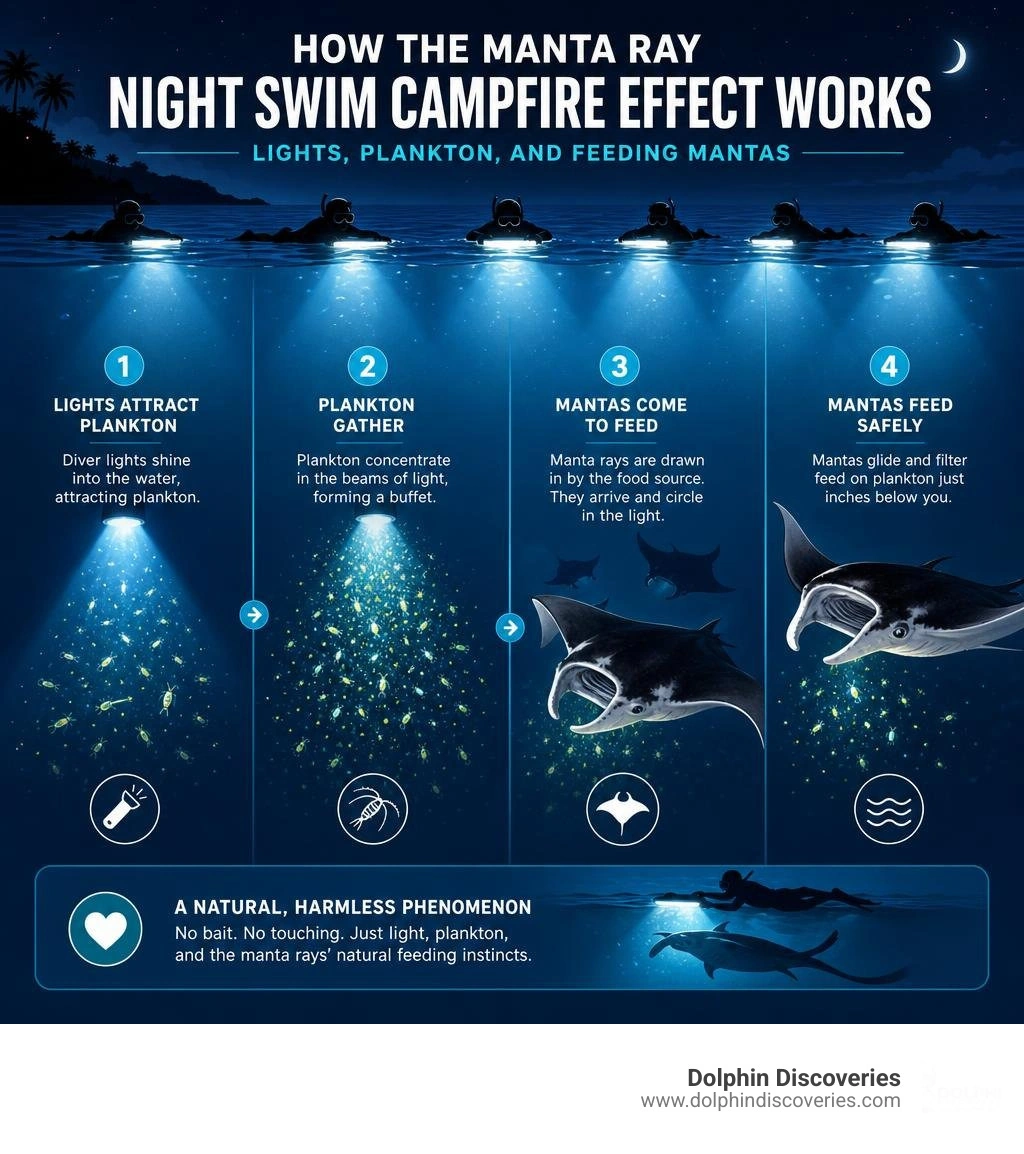
The entire experience relies on a fascinating ecological phenomenon known as the "campfire effect." While it feels like pure magic when you are in the water, the mechanism behind it is entirely scientific.
Manta rays (Mobula alfredi) are filter feeders. Unlike predatory sharks, they do not hunt large fish; instead, they consume massive quantities of microscopic zooplankton, such as copepods. Under normal conditions, these tiny organisms are scattered throughout the water column. However, they are naturally drawn toward light sources.
When we place high-output, eco-friendly blue and white lights into the water at night, we mimic the natural glow of the moon on a massive scale. This intense artificial light acts as a beacon, drawing zooplankton from the surrounding dark water into a highly concentrated cloud.
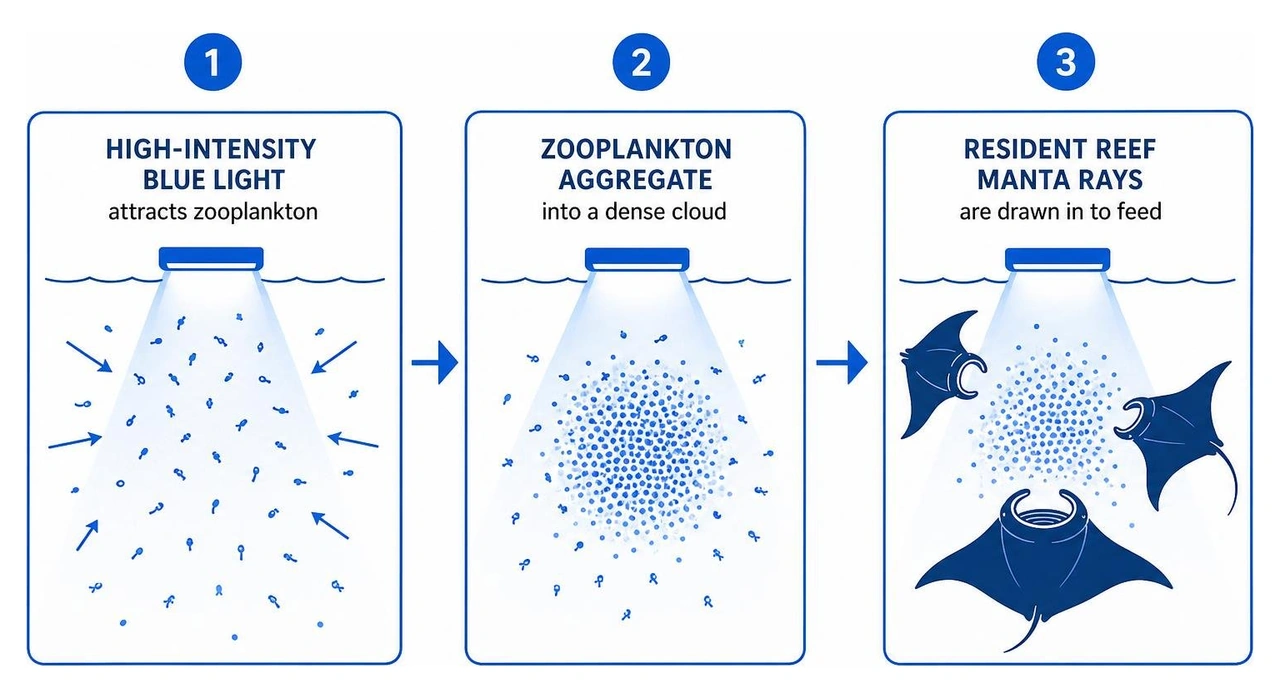
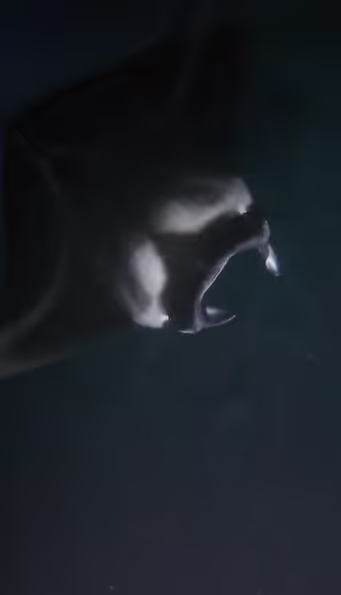
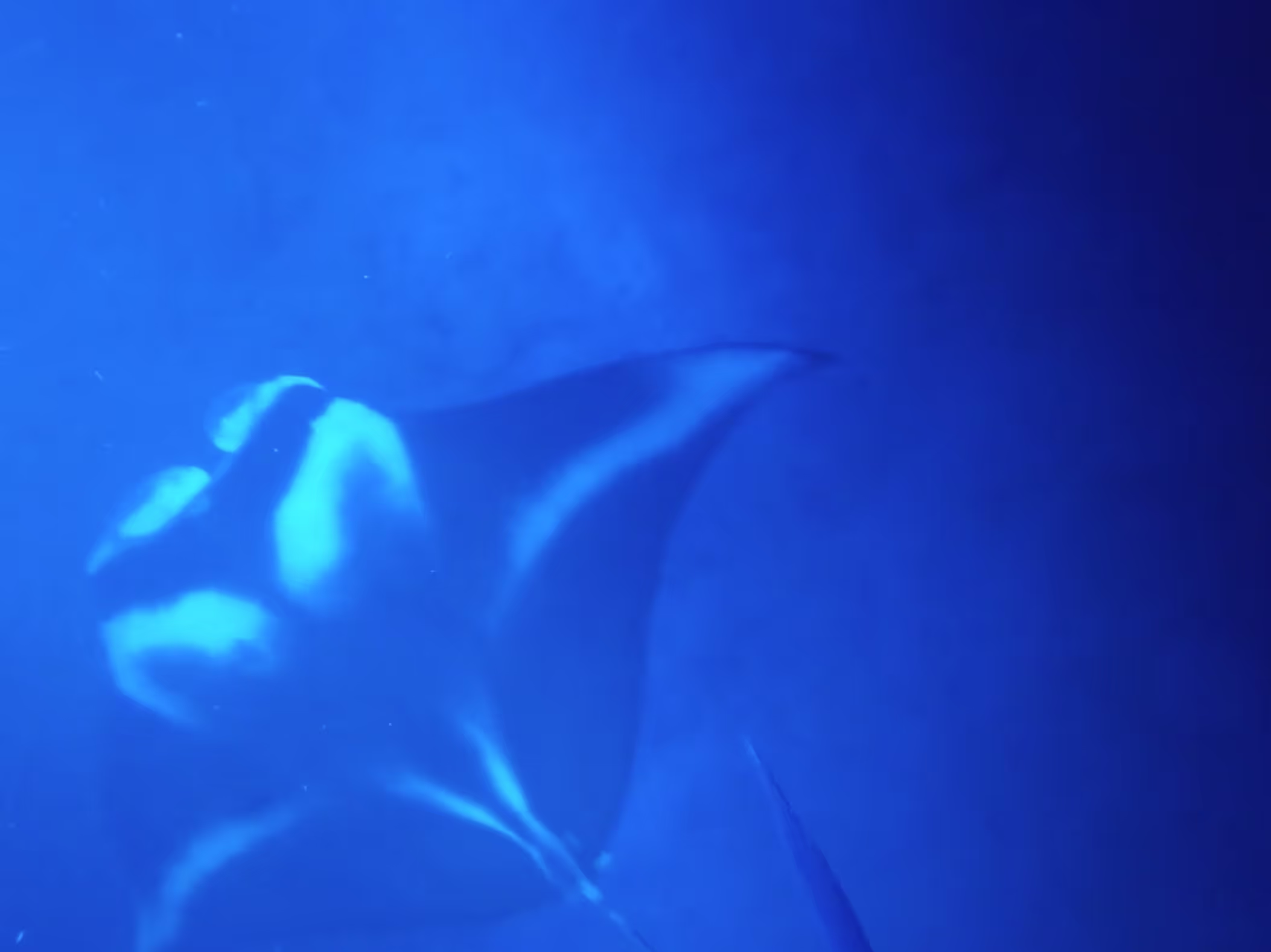
For the resident manta rays of the Kona Coast, this concentrated cloud of plankton is an all-you-can-eat buffet. The rays swim into the illuminated zone, open their cavernous mouths, and use their specialized cephalic fins (the horn-like flaps on either side of their heads) like funnels to scoop up their microscopic meals.
To maximize their feeding efficiency, they perform spectacular, slow-motion barrel rolls and somersaults right through the light beams. Because the plankton gathers closest to the light sources, the mantas swim directly up to the floating light boards held by snorkelers, often brushing past just inches away.
This unique interaction allows us to observe their nocturnal feeding behavior in relative solitude, as noted in PADI’s look at Close Focus: The Manta Ray World by Night . To learn more about their unique biology, check out our guide to Learn About Manta Rays.
Prime Big Island Locations for Manta Encounters
The Kona Coast of the Big Island is uniquely suited for night snorkeling due to its calm waters, near-shore drop-offs, and predictable currents. While there are several places to explore the ocean, two primary locations host the nightly manta ray "campfire."
Manta Village (Keauhou Bay)
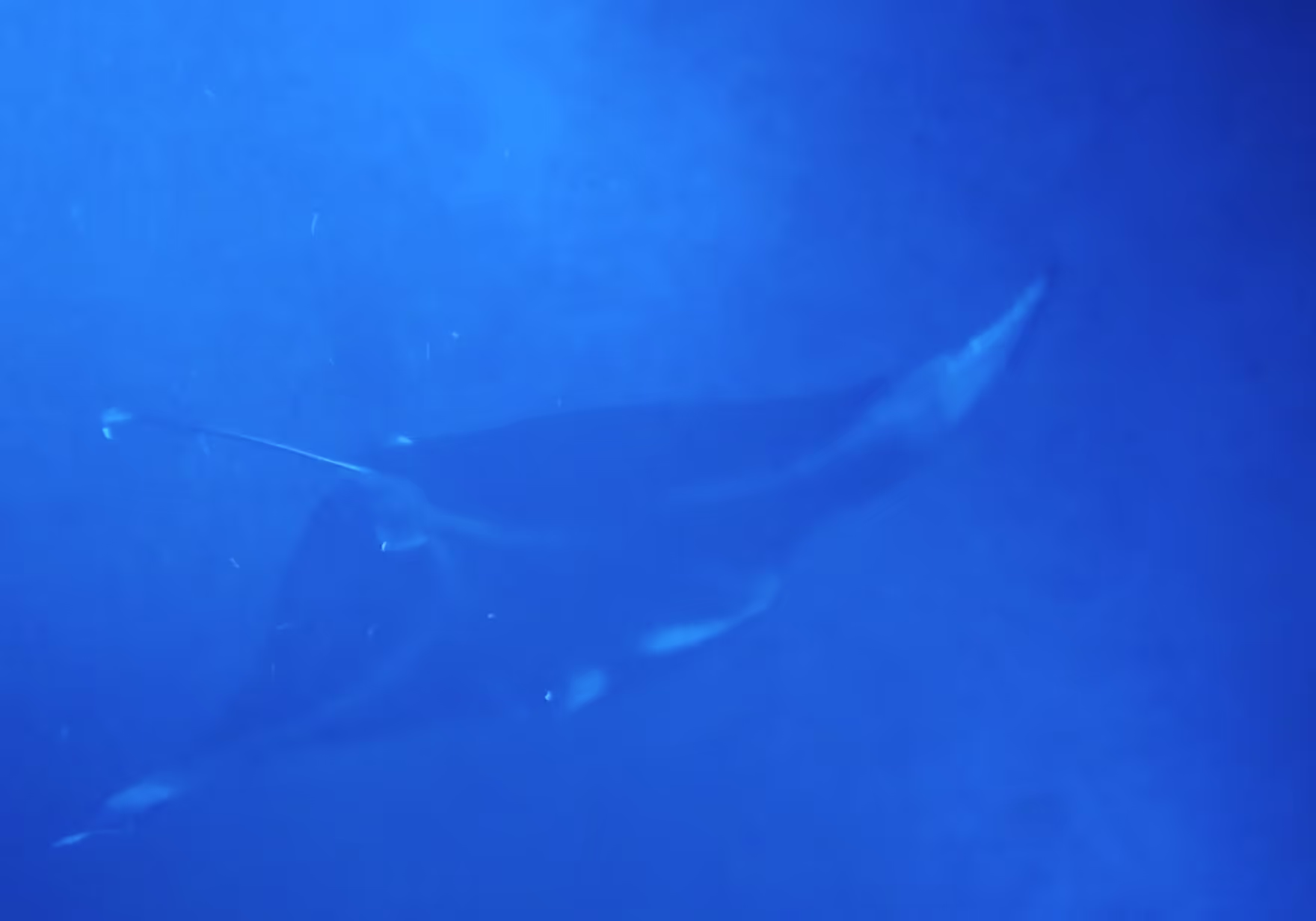
Located just south of Kailua-Kona, Manta Village is the historic birthplace of the night manta swim. In 1979, the Sheraton Resort (now the Outrigger Kona Resort) turned on powerful floodlights overlooking the rocky shoreline. The lights attracted plankton, and a single manta ray discovered the feast. Over the next four decades, more and more rays joined, creating a highly consistent feeding site. Today, it boasts a historical success rate of roughly 92% to 96%, with an average of 4 unique rays spotted per night.
Manta Heaven (Garden Eel Cove / Makako Bay)
Situated further north near the Kona International Airport, Manta Heaven (often referred to as Garden Eel Cove) features a shallow, sandy bottom that is home to thousands of tiny garden eels. This site is highly regarded by divers and snorkelers alike. Because of the local currents and nutrient-rich waters, Manta Heaven frequently experiences massive plankton blooms. While it has a slightly lower historical baseline success rate (around 90%), it often boasts a higher average number of rays per night—sometimes averaging 11 or more during peak feeding sessions.
| Feature | Manta Village (Keauhou Bay) | Manta Heaven (Garden Eel Cove) |
|---|---|---|
| Primary Attraction | Historic resort-light feeding site | Shallow sandy bottom & rich currents |
| Sighting Success Rate | 92% - 96% | 85% - 90% |
| Average Rays per Night | ~4 rays | ~11 rays |
| Depth Range | 25 to 40 feet | 30 to 50 feet |
| Best For | Ultra-short boat transits | High-density ray sightings |
To help you decide which spot fits your itinerary, take a look at our detailed breakdown on Where to Find the Best Manta Ray Night Dive in Hawaii.
What to Expect During Your Nighttime Adventure
Your manta ray night swim begins just before dusk. As we board our fast, comfortable vessels at Keauhou Bay, you'll enjoy a scenic sunset cruise along the rugged Kona Coast. The transition from daylight to twilight is spectacular, setting a peaceful tone for the evening.
Once we arrive at the site, our expert naturalists will conduct a thorough marine briefing. We will explain manta anatomy, behavior, and the safety rules that keep both you and the marine life safe.
Next, you will suit up. We provide high-quality 3mm neoprene wetsuits. These suits serve two vital purposes: they keep you warm in the evening waters (which typically range from 77°F to 81°F) and provide natural wetsuit buoyancy, allowing you to float effortlessly on the surface.
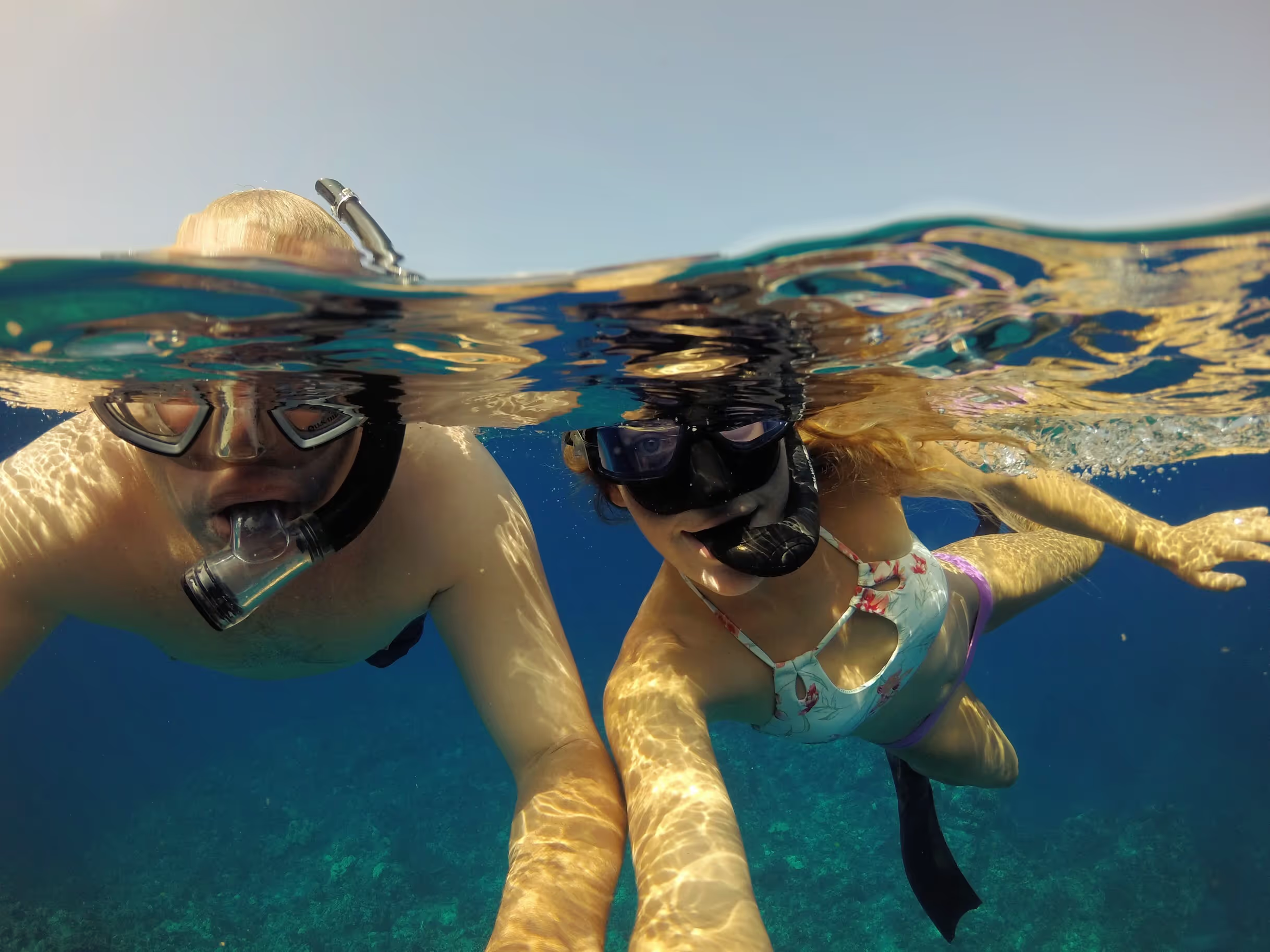
When it's time to enter the water, you won't need to swim around or search for the rays. Our crew deploys custom-built floating light boards equipped with high-intensity, eco-friendly lights pointing downward. You simply hold onto the handles of the board and let your body float flat on the surface.
As the lights do their job, the plankton gathers, and the mantas arrive to perform their weightless ballet directly beneath you. It is a completely passive, stationary experience that is both thrilling and deeply peaceful. For a step-by-step look at this process, read our guide on What to Expect from a Night Snorkel with Manta Rays in Kailua Kona.
Preparing for Your Manta Ray Night Swim
While a night snorkel is incredibly accessible, proper mental and physical preparation ensures you have the best possible time.
- Swimming Ability: You do not need to be an Olympic swimmer, but you must be comfortable in the ocean and able to swim at least 25 yards. Because the experience is stationary, you won't be traveling long distances, but you must be able to hold onto the float board and climb a metal ladder back onto the boat.
- Conquering Dark Water Anxiety: It is completely normal to feel a bit nervous about entering the Pacific Ocean at night. To ease your mind, focus on slow, steady breathing through your snorkel. Once you look down and see the glowing, illuminated arena beneath the board, any fear of the dark quickly fades into awe.
- Preventing Motion Sickness: Floating stationary on the ocean surface can sometimes trigger seasickness, even in calm conditions. We highly recommend taking a motion sickness medication (like Dramamine) prior to departure if you are prone to nausea. Eating a light meal beforehand also helps.
- Physical Fitness: Participants should have a moderate level of physical fitness and be free of major cardiovascular or respiratory conditions.
For more preparation tips, explore What You Need to Know About Manta Ray Night Snorkeling in Kona.
Safety Protocols and Harmless Giants
Many first-time visitors ask: Are manta rays dangerous? The answer is a resounding no. Manta rays are harmless giants. Unlike stingrays, they have no defensive barbs, stingers, or venomous spines. They also lack teeth, utilizing specialized gill rakers to filter plankton.
Our safety protocols are designed to protect both our guests and these gentle creatures:
- Passive Observation: We practice strict passive observation. You must never chase, touch, or attempt to pet the manta rays.
- Flat Positioning: Snorkelers must keep their bodies completely flat on the surface of the water, holding onto the light board with legs extended behind them. We do not allow life jackets because they force your legs downward, which can lead to accidentally kicking a passing ray. Instead, we use wetsuits and pool noodles for horizontal flotation.
- No Free Diving: Snorkelers must remain on the surface at all times. Free diving down toward the mantas is strictly prohibited, as it disrupts their feeding lanes and increases the risk of a collision.
- Ladder Safety: When exiting the water, guests must carefully climb the boat's sturdy metal ladder one at a time, keeping fins on until instructed by the crew.
To read more about our industry-leading safety standards, see our Guidelines for a Safe and Enjoyable Hawaii Manta Ray Dive.
Booking Your Excursion: Tour Options and Logistics
When planning your manta ray night swim, booking in advance is essential. These excursions are highly popular and regularly sell out weeks ahead, especially during peak travel seasons.
Tours typically run seven nights a week, departing around sunset. The entire excursion lasts between 1.5 and 2 hours, with approximately 30 to 45 minutes of dedicated in-water time.
When comparing tours, pay close attention to group sizes. Large commercial vessels can carry up to 30 to 50 passengers, which can lead to crowded light boards and a less personal experience. At Dolphin Discoveries, we specialize in small-group, naturalist-led tours on fast, maneuverable rigid inflatable boats. This allows us to provide a highly personalized, unhurried encounter.
For a comprehensive checklist on choosing the right excursion, check out our article on How to Find Your Perfect Night Manta Ray Snorkeling Tour.
Choosing the Best Manta Ray Night Swim Tour
To ensure your tour is safe, comfortable, and environmentally responsible, keep these key factors in mind:
- Green-Listed Operators: Always choose an operator recognized by local conservation groups (like Hawaii Ocean Watch) as a "green-listed" provider. These operators strictly adhere to sustainable wildlife interaction guidelines.
- Light Intensity: The success of attracting plankton depends heavily on the power of the lights used. Look for operators that utilize high-intensity, custom-built light systems.
- Transit Times: Departing from Keauhou Bay offers a massive advantage. Because Manta Village is located just outside the harbor, the boat ride to the snorkel site takes only 3 to 5 minutes, compared to a bumpy 30-minute ride from other northern harbors.
- Private Charters: If you are traveling with family or a small group, consider booking a private charter. This option offers customizable itineraries and exclusive access to the boat and guides.
To learn more about what makes our local Big Island tours so special, read Manta Ray Night Swim Big Island.
Ethical Wildlife Encounters and Conservation
Manta rays are protected species in Hawaiian waters. Because they have a slow reproductive rate—typically giving birth to only one pup every two to five years—protecting the local population is critical for their long-term survival.
One of the most important rules of the manta ray night swim is never touch the rays. Mantas are covered in a delicate, protective mucus layer that shields them from bacteria and marine parasites. Touching them, even gently, removes this coating and leaves them highly vulnerable to infections and lesions.
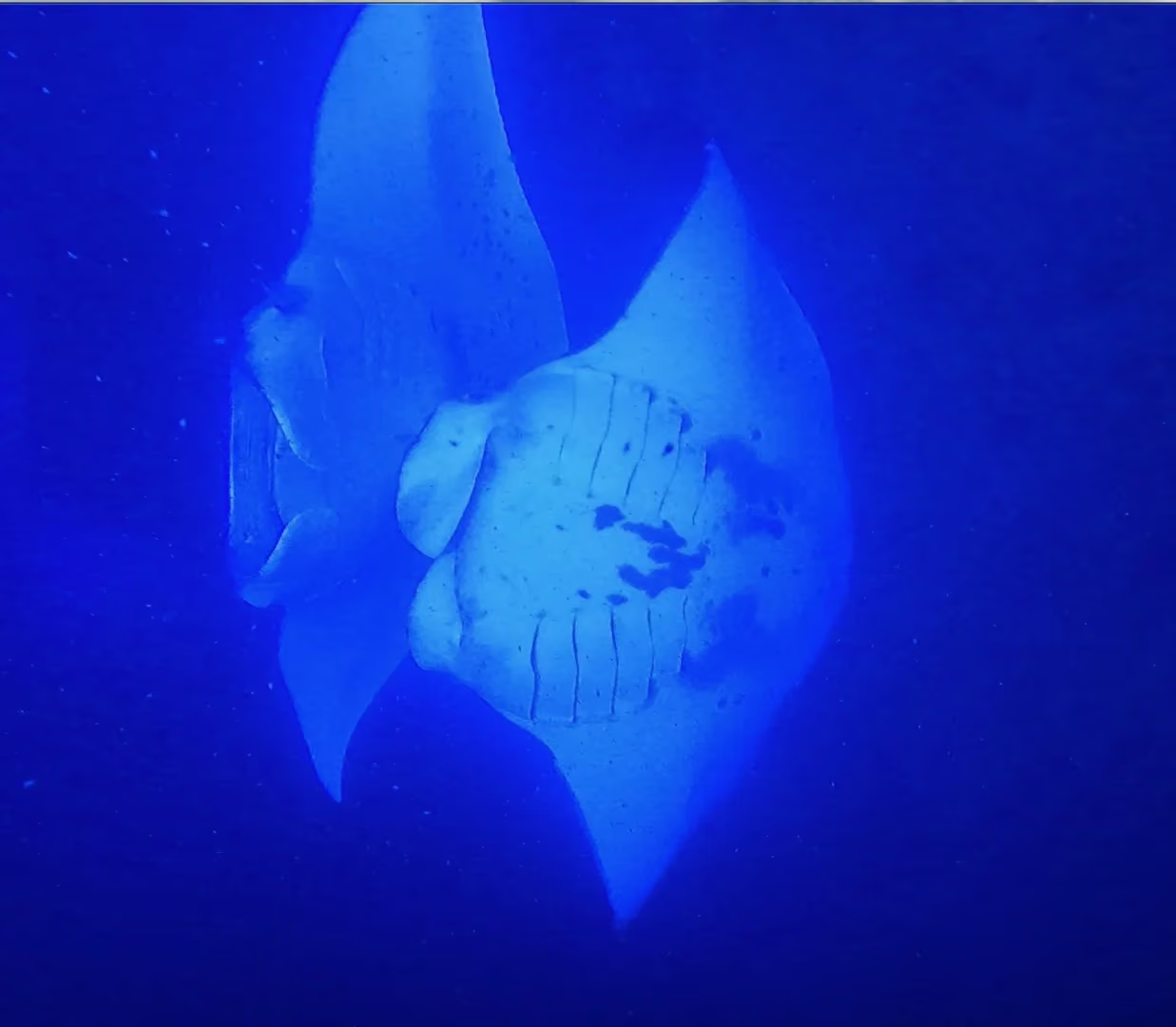
Additionally, we actively support local citizen science and research efforts. Every reef manta ray has a completely unique pattern of black spots on its white belly, serving as an underwater fingerprint. Researchers have identified and named over 250 individual mantas in the Kona database.
During our tours, guides often capture photos of these belly spots to monitor the health and movements of the population. Guests are also encouraged to share their underwater photos with local databases to contribute to active conservation.
Discover why these ethical guidelines are so vital by reading Snorkel with Manta Rays in Hawaii: A Must-Do Activity for Ocean Lovers.
Frequently Asked Questions about Manta Night Swims
What happens if we don't see any manta rays?
Because manta rays are wild ocean animals, sightings can never be 100% guaranteed. However, our success rates are incredibly high, hovering around 90% to 92% year-round. In the rare event that no mantas are sighted during your charter, we do not offer refunds, but we do provide a standby policy that allows you to join another scheduled tour for free on a space-available basis. For more details on our policies, see our Questions and Answers Around the Manta Ray Night Snorkel.
Are manta rays dangerous to swim with?
Not at all. Manta rays are gentle filter feeders. They do not have teeth, stingers, or defensive barbs. They are completely harmless to humans. Their massive size (up to 16 or 18 feet in wingspan) can be intimidating at first, but their movements are incredibly graceful and controlled. Learn more about their anatomy in our guide: Everything You Need to Know About Manta Ray Snorkeling in Kona.
Can children and non-swimmers participate?
We welcome children ages 7 and older on our snorkel tours, provided they are comfortable in the water and accompanied by an adult. For safety reasons, all participants entering the water must have basic swimming skills. If you have non-swimmers in your party, they can purchase "ride-along" tickets to watch the glowing underwater show from the safety and comfort of our boat. To book your family's spots, visit our Manta Ray Night Snorkel Kona tour page.
Conclusion
A manta ray night swim is more than just a tourist activity; it is a humbling, bucket-list encounter with some of the ocean's most magnificent and gentle giants. Floating in the dark Pacific while these massive creatures glide and loop just inches away is an experience you will never forget.
At Dolphin Discoveries, we are dedicated to providing safe, thrilling, and highly ethical wildlife encounters. Our small-group, naturalist-led tours from Keauhou Bay ensure you receive a personalized experience while respecting the delicate marine environment.
Are you ready to join us for Hawaii's ultimate after-dark adventure during the 2026 season? Space is limited, so secure your front-row seat to the underwater ballet today!