

How to Choose an Ethical Marine Wildlife Tour
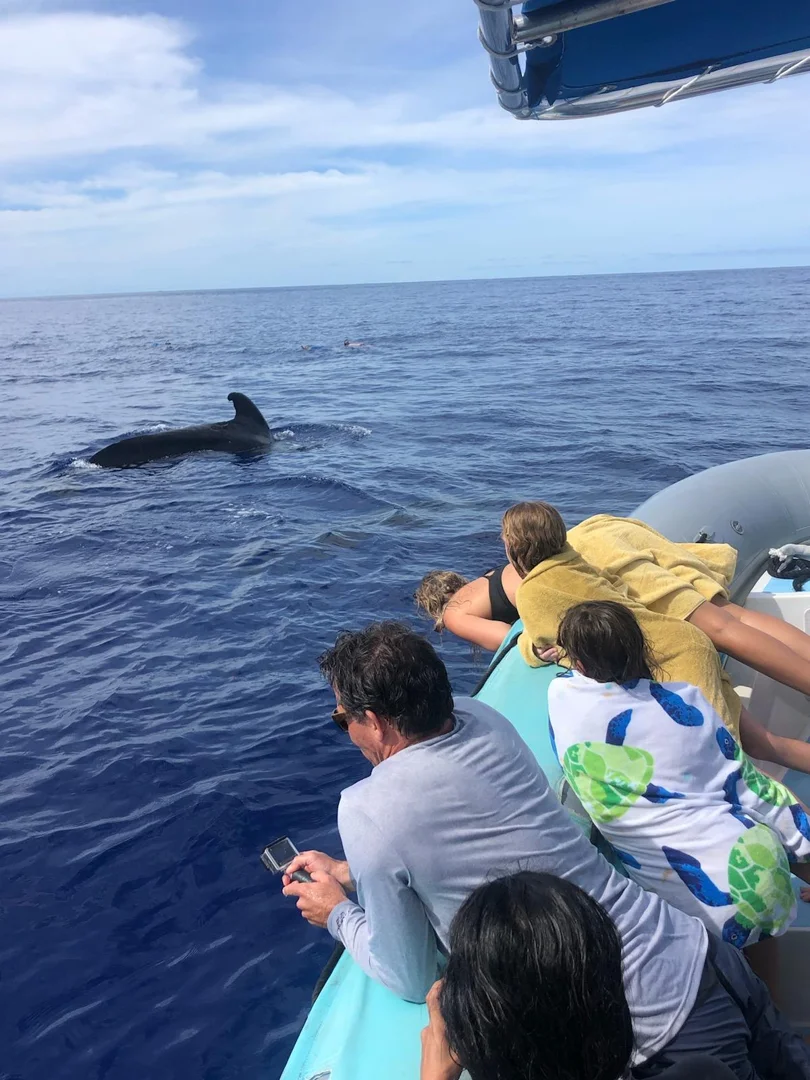
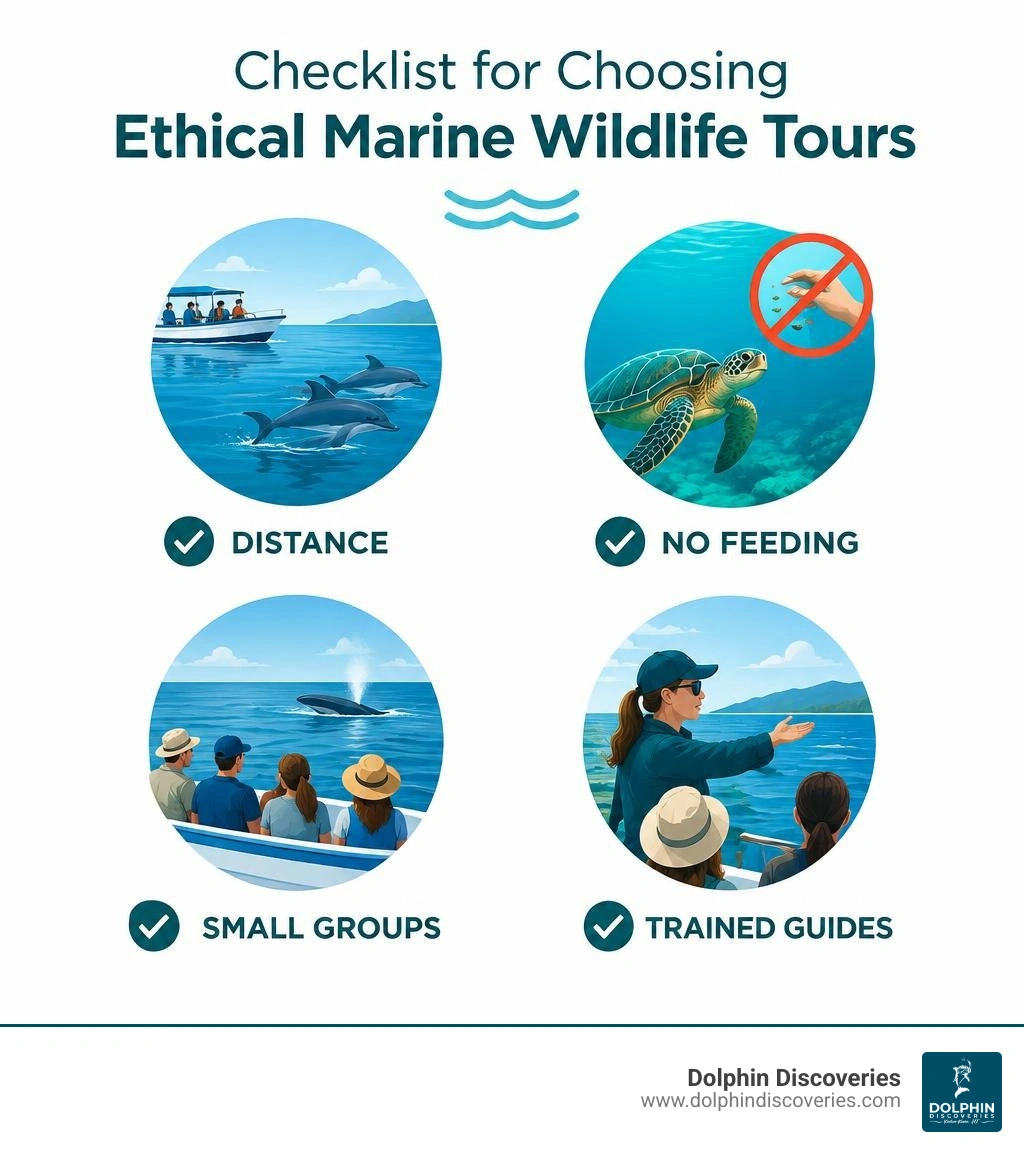
Will the captain slow down rather than chase a pod of dolphins? That is a useful question to ask before booking. Choose tours that follow local wildlife rules, keep a respectful distance, never feed or touch animals, and let wildlife decide whether to approach. Ask how many guests and boats share an encounter, and what the crew does if an animal shows signs of stress.
These choices matter whether you are watching whales or spotting honu near Kona's reefs. I'm Shelley Carey, and I'll help you tell a respectful ocean tour from one that puts the photo first.
Ethical marine wildlife tours vocabulary:
For a broader look at how responsible viewing fits into global ocean protection, the Marine Mammal Protection Act outlines key federal safeguards for wild marine mammals in U.S. waters.
What Defines Ethical Marine Wildlife Tours vs Harmful Encounters?
An ethical marine tour lets wild animals live entirely on their own terms. Unlike captive marine parks or roadside aquariums that rely on performance and confinement, responsible ocean tours operate in open water where animals retain complete freedom of choice.
True eco-tours prioritize animal welfare and habitat preservation over guest entertainment. When you step onto a boat, you enter a wild creature's home as a polite guest. Responsible operators practice non-intrusive navigation, reduce acoustic disturbance, and never force an encounter. If an animal swims away, an ethical crew lets it go.
Core Principles of Ethical Marine Wildlife Tours
At the heart of sustainable marine ecotourism are a few clear standards: passive viewing, low boat density, zero feeding, and strict adherence to wildlife protection laws. Operators should employ trained naturalists who read subtle behavioral cues, recognizing when an animal is resting, feeding, or stressed.
The table below highlights the differences between responsible ocean excursions and exploitative wildlife tourism:
| Feature | Ethical Marine Wildlife Tours | Exploitative Wildlife Tourism |
|---|---|---|
| Animal Agency | Wildlife chooses whether to approach or leave | Animals are cornered, chased, or trapped |
| Feeding & Baiting | Strictly prohibited; natural foraging preserved | Chumming or food handouts used to lure animals |
| Group & Vessel Size | Small groups; quiet, low-emission vessels | Overcrowded "cattle-maran" boats; multiple vessels swarming |
| Guest Behavior | Passive surface floating; no touching or chasing | Touching, grabbing, or riding marine life |
| Staff Expertise | Naturalist insights and marine biology briefings | Uncredentialed crews focused purely on selfies |
| Conservation Impact | Supports research, reef cleanups, and local policy | Purely extractive profits with zero local reinvestment |
Long-Term Impacts of Baiting, Chumming, and Chasing Wildlife
When operators cut corners to guarantee close encounters, the ecological fallout can last for years. Chumming or feeding alters natural foraging behaviors, conditioning predators and grazers to associate boats with free meals. This habituation increases the danger of propeller strikes, fishing line entanglements, and aggression toward humans.
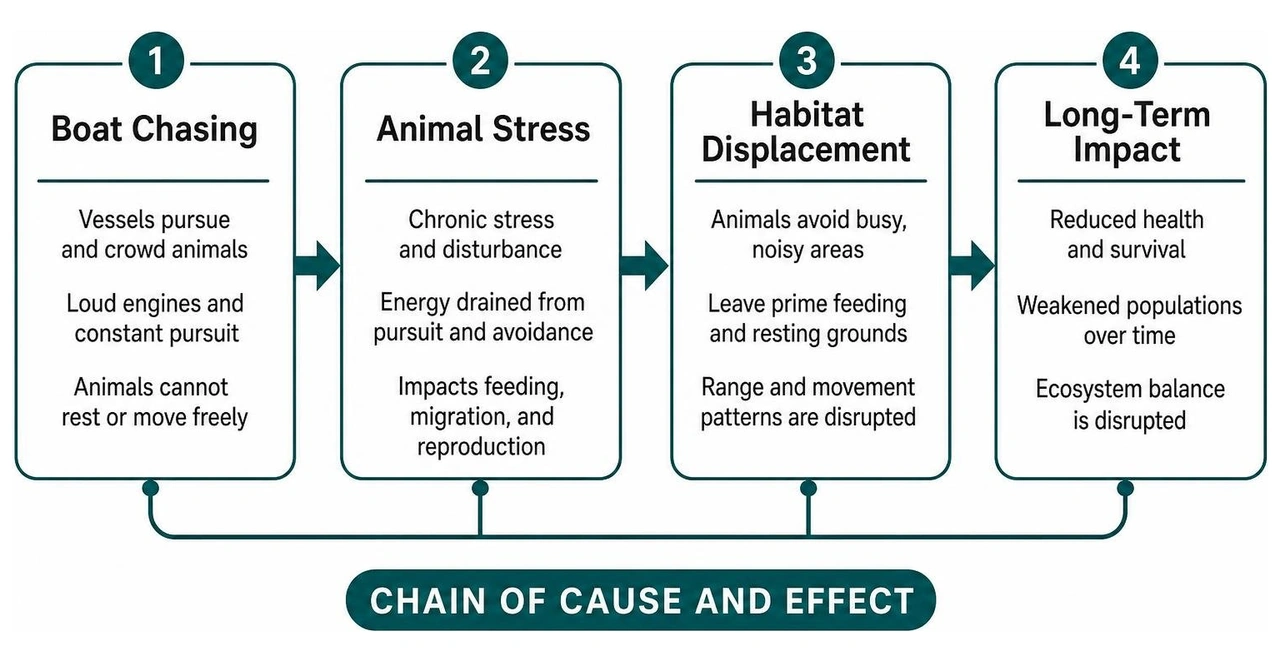
Chasing animals causes chronic stress. For pelagic species, constant boat pursuit burns critical caloric reserves needed for migration, hunting, and calf rearing. Over time, high vessel traffic and loud engine noise displace resident populations from their primary feeding and resting grounds.
Best Practices for Interacting with Key Marine Species
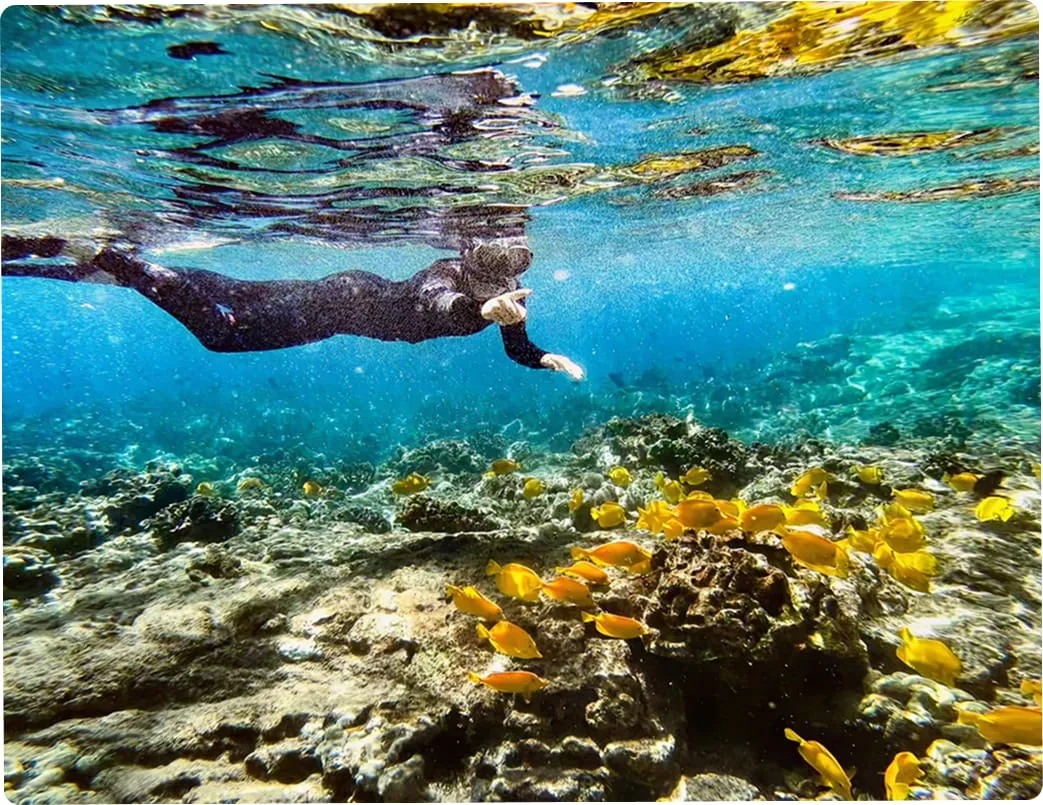
Every marine species has distinct biological needs and vulnerability levels. Ethical tour operators adapt their operating protocols based on the animals they encounter.
Whales and Dolphins: Safe Distances and No-Chase Protocols
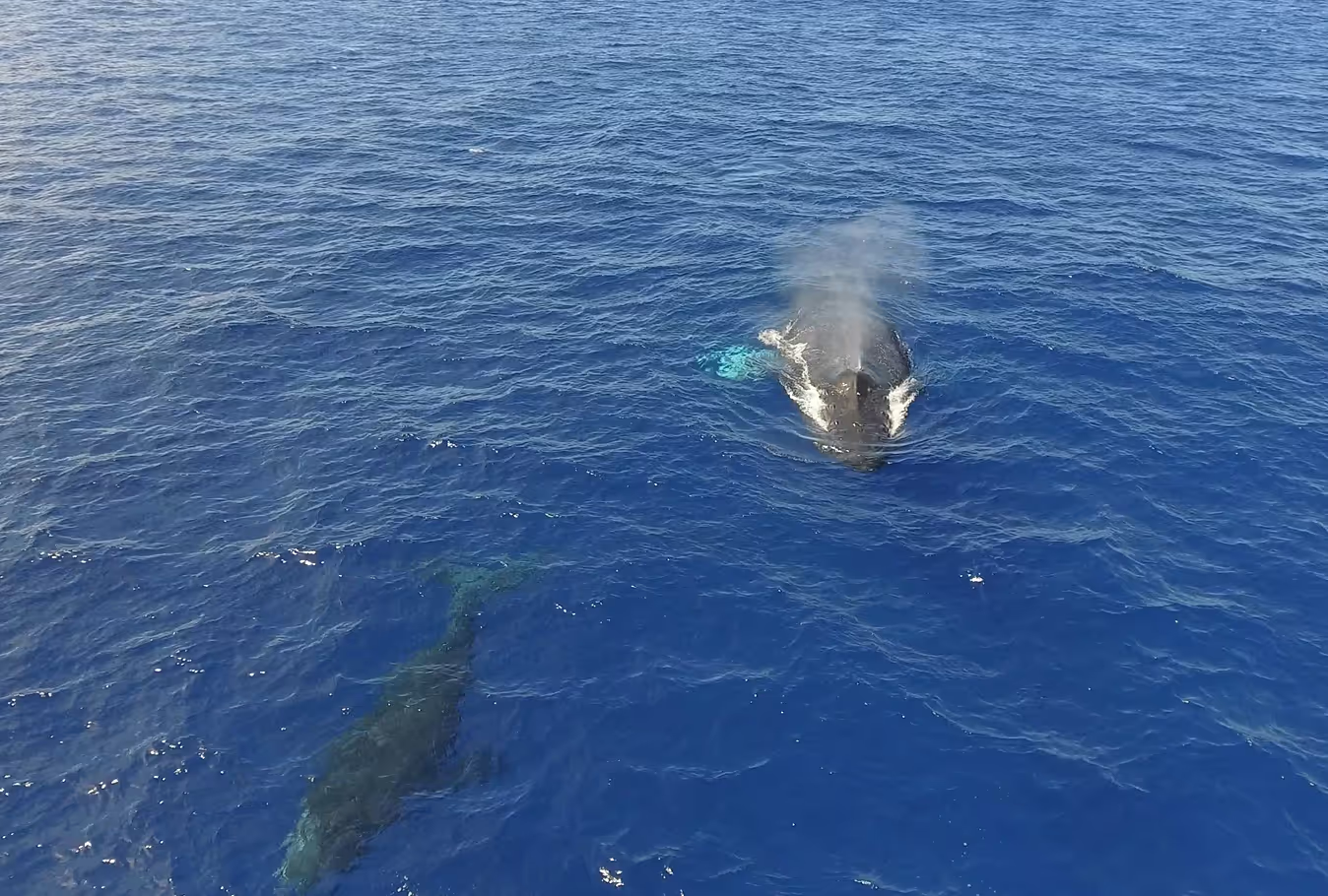
Cetaceans rely on delicate acoustic senses for navigation, communication, and echolocation. Responsible boat captains approach pods at slow, idle speeds from an oblique angle rather than heading directly toward them or cutting off their path of travel.
Federal laws and sanctuary rules mandate keeping specific buffer zones around marine mammals. In US waters, vessels must stay at least 100 yards away from humpback whales. When traveling along the Kona Coast, understanding Hawaiian spinner dolphins resting habits is vital. Spinner dolphins feed in deep offshore waters at night and use shallow, protected bays during the day to sleep and nurture their young. Approaching them during rest periods disrupts their sleep cycle.
If you plan a winter trip to observe humpback mothers and calves, reviewing a humpback whale watching guide helps set realistic expectations for respectful, no-chase encounters on the water.
Manta Rays and Sea Turtles: Passive Observation and Habitat Protection
Snorkeling with coastal giants requires calm, disciplined body language. Sea turtles (Honu) surface regularly to breathe and feed along shallow reefs. Swimmers should always stay several yards back, never block a turtle's path to the surface, and avoid touching their shells, which can transmit harmful bacteria or cause distress.
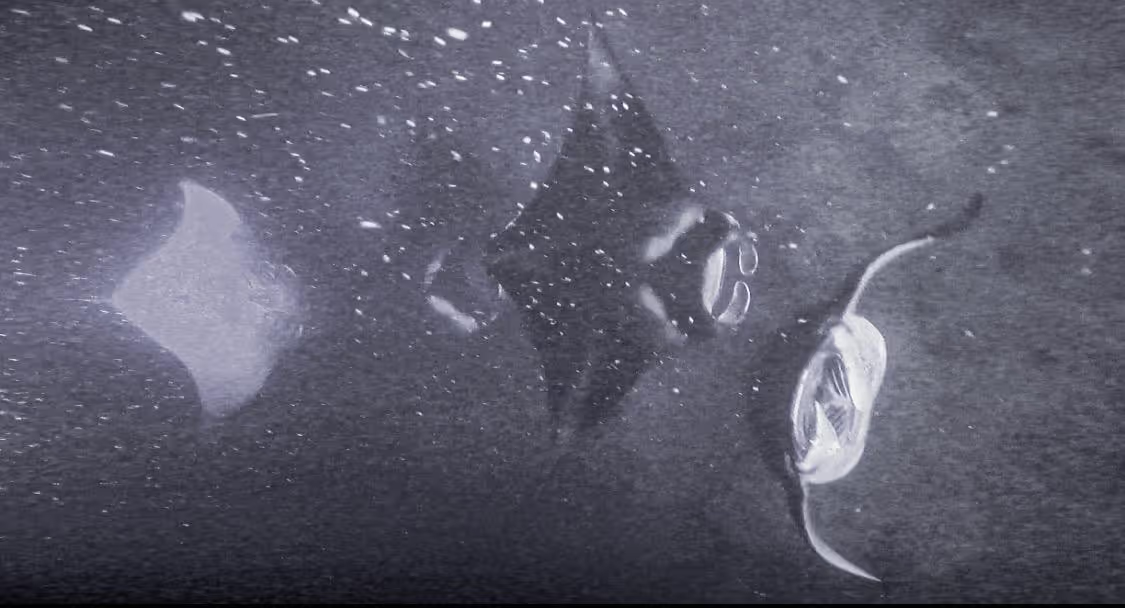
For manta rays, passive surface observation is the gold standard. During an evening encounter, snorkelers hold onto an illuminated float board, sometimes called a "floating campfire." The lights attract swarms of microscopic plankton. Manta rays then glide upward to filter-feed, performing majestic underwater loops known as the "barrel roll" just inches below the surface.
Reviewing the guidelines for a safe Hawaii manta ray dive ensures you keep your hands and fins still so the animals can move without obstruction. Joining a dedicated manta ray night snorkel in Kona allows you to experience this surreal natural ballet while remaining completely safe and secure.
Wild Sharks: Avoiding Feeding and Disruptive Behaviors
Wild shark sightings should showcase apex predators functioning naturally in their ocean ecosystems. Responsible ocean operators never rely on chum slicking, bait crates, or physical handling.
Spotting reef sharks or pelagic species naturally along drop-offs offers fascinating naturalist insights into ocean health. Passive viewing preserves normal predator-prey dynamics, lowers accidental bite risks, and supports non-invasive research such as acoustic tagging and photo identification.
How to Identify and Verify Ethical Tour Operators
Finding a responsible tour operator takes a bit of research before you book. Marketing materials often use buzzwords like "eco-friendly" or "green tour," so it helps to examine what happens out on the water.
How to Choose Ethical Marine Wildlife Tours and Avoid Red Flags
Watch for obvious red flags when browsing company websites:
- Guaranteed physical contact: Any outfit promising that you will touch, hold, feed, or ride a marine animal is unethical.
- Aggressive vessel operations: Companies that boast about "chasing down the action" or using multiple speedboats to corner pods should be avoided.
- Lack of clear rules: Reputable operators explain safety guidelines, distance regulations, and reef etiquette before leaving the dock.
To make an informed decision, read up on booking considerations for whale watching and check out essential things to know before booking ocean tours.
Naturalist Guides, Small Groups, and Conservation Funding
The best tours feature knowledgeable guides and small passenger counts. Small-group excursions minimize physical disruption to reef systems and avoid creating underwater noise walls.
Exploring why private snorkel tours offer lower wildlife impact reveals how custom charters give captains full control to adjust routes around sensitive habitats. On dedicated Kona whale watching tours, having a trained crew on board transforms simple sightseeing into an enriching masterclass on cetacean biology and marine stewardship.
Global Conservation Approaches and Marine Protected Areas
Around the world, marine protected areas (MPAs) show how well-regulated tourism can actively preserve threatened ecosystems.
Leading Global Models of Responsible Marine Encounters
Different regions have developed unique frameworks to manage wildlife interactions:
- Tonga: Strict licensing laws restrict humpback whale swim groups to just four swimmers and a certified guide at a time, keeping strict distance buffers to prevent calf separation.
- Mozambique: Whale shark dive sites enforce strict caps on vessel numbers, ensuring no more than a few low-emission boats share an area each morning.
- Egypt (Samadai Dolphin House): This offshore reef established distinct zoning: a no-entry sanctuary zone exclusively for resting spinner dolphins, an outer swim zone with visitor caps, and an exterior mooring zone. User fees directly fund local reef preservation.
- Galapagos Marine Reserve: Tight yearly visitor limits and mandatory licensed naturalist guides ensure fragile marine iguana and sea turtle feeding grounds stay undisturbed.
Research, Volunteering, or Observation: Supporting Conservation
Travelers can support ocean health across several styles of trips:
Whether you join a multi-week reef monitoring project or book guided snorkel tours at Captain Cook in Kealakekua Bay, your presence can fund local conservation. In Kealakekua, protected bay status preserves pristine coral coverage and keeps boat traffic organized within designated moorings. The Marine Protected Area framework used in many of these regions shows how zoning and visitor limits can support both wildlife and local communities.
Frequently Asked Questions About Ethical Marine Encounters
What rules should travelers follow during an ethical marine tour?
Travelers should practice passive viewing at all times:
- Never touch or chase: Keep your hands to yourself and let marine life move freely.
- Use mineral sunscreen: Apply non-nano zinc oxide formulas to protect coral reefs from toxic chemicals like oxybenzone.
- No flash photography: Bright flashes startle marine mammals and disorient nocturnal feeders.
- Follow crew instructions: Stay calm in the water and maintain standard safety distances.
For more details on vessel policies and ocean preparation, check our frequently asked questions on eco-tour policies.
What percentage of tour fees typically goes toward ocean conservation?
Ethical tour outfits generally direct between 2% and 10% of gross ticket revenues toward ocean health initiatives. These funds support local marine park permits, community reef monitoring programs, non-profit rescue foundations, and research partnerships.
How can I support ocean wildlife if I cannot join a tour?
You can protect marine life from anywhere in the world:
- Adopt a wild animal symbolically through accredited marine conservation funds.
- Reduce single-use plastics that wash into watersheds and open ocean gyres.
- Donate directly to grassroots groups conducting coral restoration and cetacean research.
- Log historical wildlife photos with open-source citizen science databases to assist ongoing population tracking.
Conclusion
Choosing an ethical marine excursion means voting for the long-term health of our oceans. When you prioritize animal welfare, respect natural behaviors, and travel with dedicated local crews, your journey becomes a positive force for the marine environment.
At Dolphin Discoveries, we care deeply for our ocean home along the Kona Coast. Whether we are taking the short 5-minute boat ride from Keauhou Bay to the manta site or sharing naturalist insights across Kealakekua, our Ohana is committed to safe, small-group adventures that leave marine habitats thriving. To see how we put these values into practice, learn more about Dolphin Discoveries ethical boat tours before planning your next ocean journey. Mahalo Nui for traveling with care and respect.