

Kona vs. Hilo: Comparing Ocean Conditions, Visibility, and Reefs
Kona is the clear winner for snorkeling tours because its calm leeward waters, 100-foot visibility, and dense coral reefs create the best conditions on the Big Island. Hilo offers a different kind of beauty, but its windward coast brings trade wind swells, rainfall, and runoff that reduce underwater clarity.
The Big Island of Hawaii is divided by massive volcanic peaks. Mauna Kea and Mauna Loa stand over 13,000 feet tall, creating two entirely different climate zones and marine environments.
On the west side, the Kona Coast sits squarely in the leeward shadow of these giant mountains. The volcanic mass blocks the prevailing northeast trade winds, leaving the nearshore waters remarkably flat, calm, and clear. Water visibility in Kona Bay and along the South Kona coast averages 100 feet throughout the year. Because Kona receives minimal rainfall, there is virtually no river runoff to cloud the water or disturb delicate coral growth. The result is a thriving underwater landscape with extensive coral gardens growing directly over ancient volcanic basalt. This is exactly why snorkeling tours in Kona offer such consistent, reliable conditions.
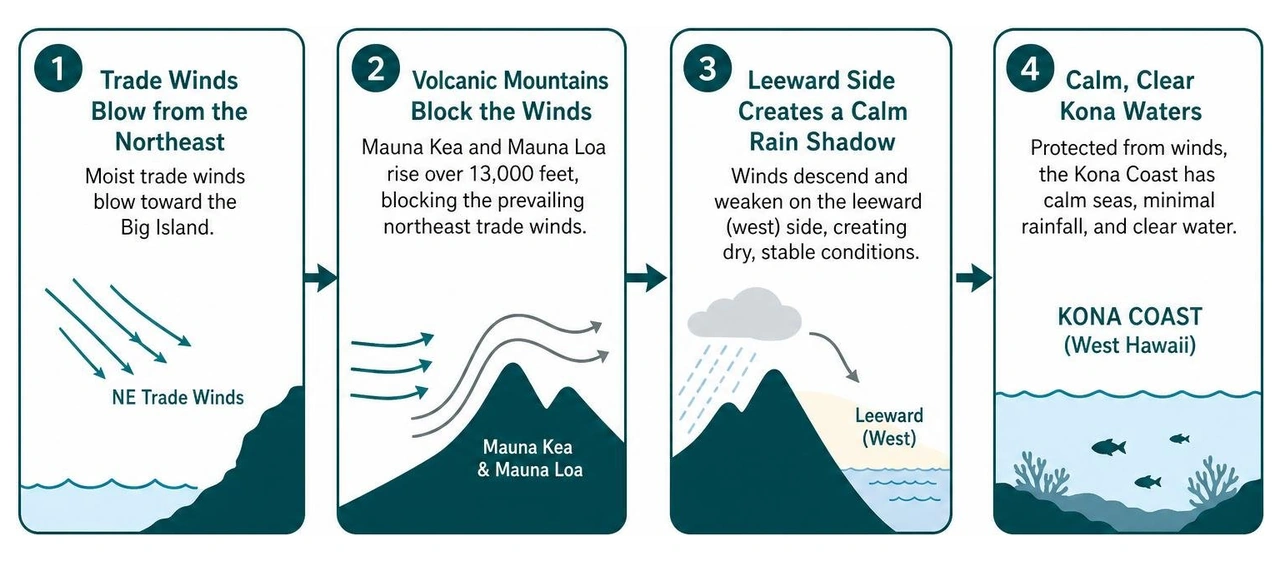
In contrast, East Hawaii and the Hilo coast face the windward trade winds directly. Hilo receives significant annual rainfall, feeding lush rainforests and rushing rivers. When those rivers meet the ocean, freshwater runoff and sediment flow into coastal bays. The incoming trade wind swells also create rougher surface chop. While Hilo offers dramatic black sand beaches and tide pools, the mixing of cold freshwater with saltwater creates a halocline layer that often blurs underwater visibility.
| Feature | Kona Coast (West Hawaii) | Hilo Coast (East Hawaii) |
|---|---|---|
| Average Visibility | Up to 100 feet | 15 to 40 feet (variable) |
| Ocean Surface | Calm, leeward waters | Exposed to trade wind swells |
| Rainfall & Runoff | Very dry; minimal runoff | High rainfall; river runoff present |
| Coral Coverage | Dense, continuous coral reefs | Scattered coral, lava rock, tide pools |
| Boat Tour Availability | High concentration of guided trips | Very limited guided boat tours |
While Hilo is an incredible place for exploring rainforests, waterfalls, and local culture, it is not built around offshore boat excursions. If you are crossing the island to see East Hawaii attractions, you might explore educational stops like Welcome to Campus Visits and Tours to experience the local academic and natural landscape. But when your goal is experiencing the best snorkeling tours Kona has to offer, the west coast provides the ideal ocean conditions.
Why Kona Snorkeling Tours Offer Hawaii's Best Marine Encounters
The protected waters of West Hawaii support an extraordinary concentration of marine life. Over one million visitors explore Kona's reefs each year because these ecosystems are among the healthiest and most biologically diverse in the Pacific.
Over 25 percent of the fish species found in Hawaiian waters are endemic, meaning they exist nowhere else on Earth. While drifting above the reef, you will encounter yellow tangs grazing on algae, vibrant parrotfish crunching on coral, butterflyfish moving in pairs, and humuhumunukunukuapua'a navigating the reef floor.
The Kona Coast is also a sanctuary for the Hawaiian green sea turtle, known locally as Honu. Over 90 percent of local snorkel outings report encountering sea turtles, with an average of three to five sightings per trip. These protected reptiles rest on sandy patches or surface for air along the outer reef drop-offs. Learning why Kona snorkeling is the best in Hawaii comes down to this reliable access to healthy coral ecosystems and diverse wildlife.
Signature Experiences on Kona Snorkeling Tours
Kona is world-famous for ocean adventures you simply cannot find on the Hilo side of the island.
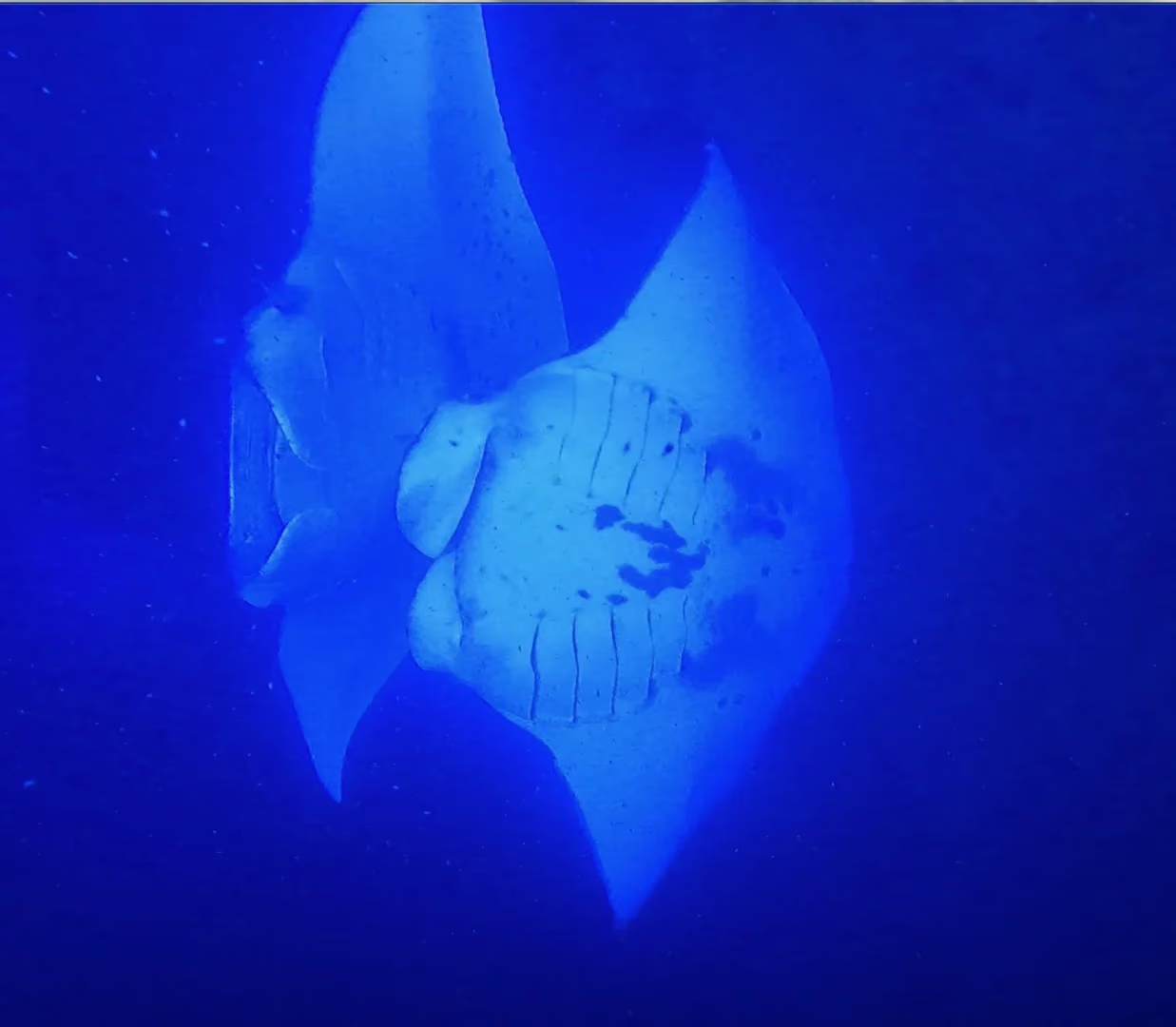
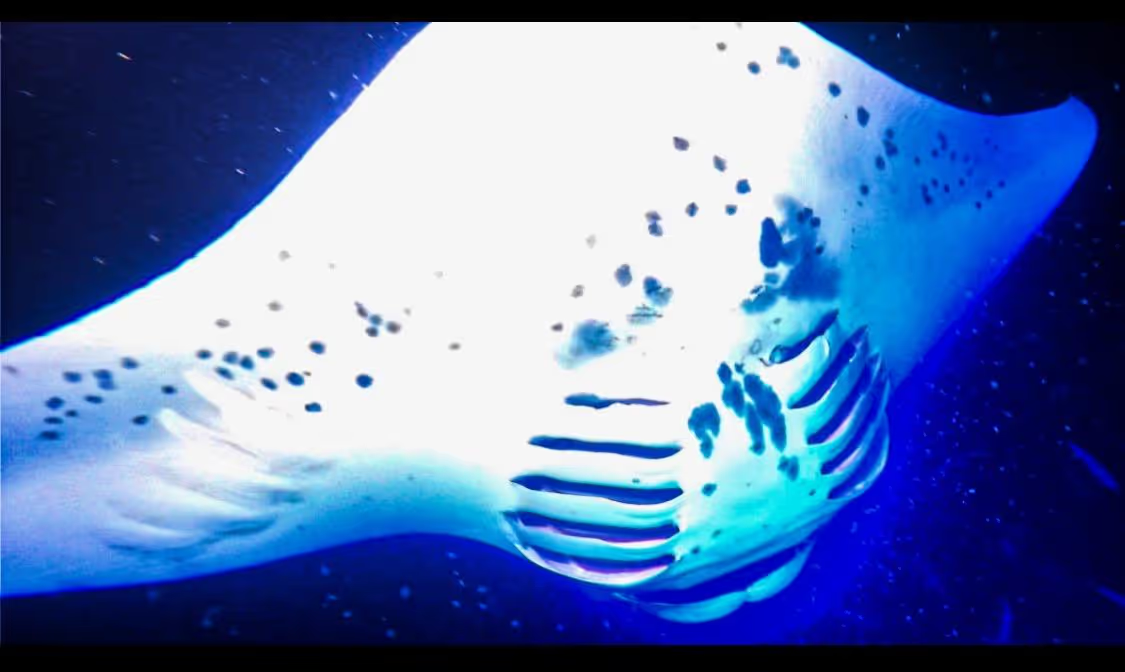
The most iconic experience is the evening manta ray excursion. Over 50,000 ocean lovers participate in these tours annually. Massive coastal manta rays gather in specific bays along the Kona Coast after sunset to feed on microscopic zooplankton. Joining manta ray night snorkel encounters from Keauhou Bay places you right above the action. Snorkelers hold onto a custom, illuminated "floating campfire" light board that attracts plankton. The gentle rays, boasting wingspans up to 12 to 14 feet, glide upward from the dark and perform backward barrel rolls just inches below you. It is a surreal, life-changing encounter.
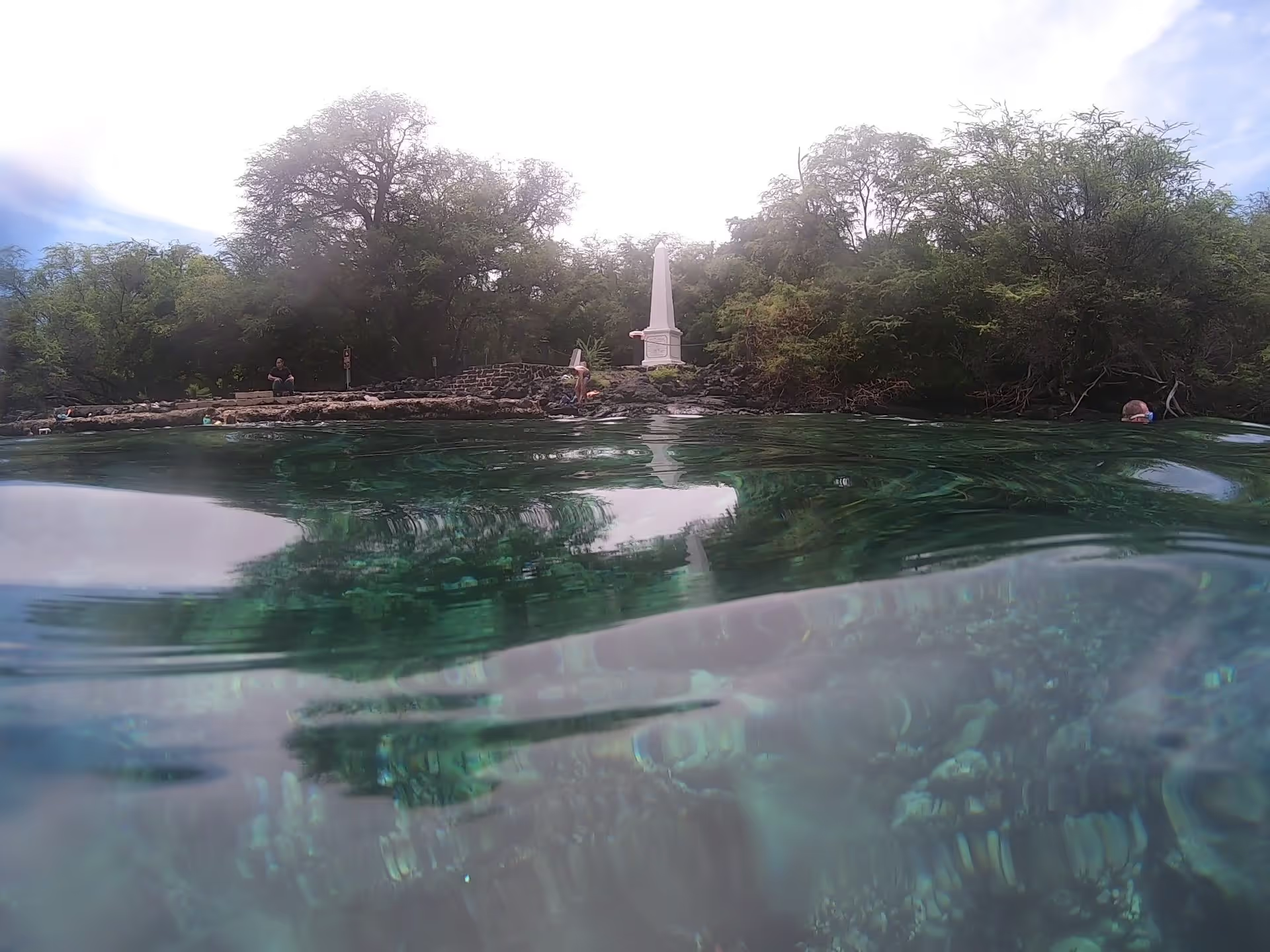
During daylight hours, the premier destination is Kealakekua Bay Marine Life Conservation District. Home to the historic monument, the bay is protected from open-ocean swell by towering sea cliffs. Taking a dedicated Captain Cook snorkel tour takes you to some of the most pristine coral coverage in the state, where visibility regularly exceeds 100 feet and schools of tropical fish surround you the moment you enter the water.
Combining Wildlife Encounters with Kona Snorkeling Tours
Because West Hawaii waters are so calm, boat trips often combine reef exploration with coastal wildlife watching.
Pod of Hawaiian spinner dolphins frequently travel along the shallow bays in the morning, resting and socializing. Fast, small-group boats provide an ethical vantage point to observe these acrobatic marine mammals from a respectful distance without disrupting their natural behaviors.
If you visit between December and March, you can pair reef time with seasonal humpback whale watching tours. Thousands of humpbacks migrate from Alaska to the warm, protected leeward waters off Kailua Kona to breed, calve, and nurse their young. Hearing their songs through an onboard hydrophone while watching a 40-ton mother breach alongside her calf adds another dimension to your time on the water. For a complete seasonal breakdown, our Kona snorkeling ultimate guide 2026 covers everything you need to know about local wildlife migrations.
Planning Your Snorkeling Trip: Costs, Logistics, and Shore vs. Boat
Choosing between shore-based snorkeling and guided boat tours comes down to safety, accessibility, and the quality of the reef you want to see.

Shore snorkeling in Kona is readily available. Popular locations like Kahalu'u Beach Park offer a shallow, protected bay ideal for small children and nervous first-timers. Further south, Honaunau Bay (commonly called Two Step) features smooth lava shelves that make deep-water entry accessible for confident swimmers. However, shore snorkeling requires navigating slippery lava rock entries, timing ocean swells, and dealing with crowded beach parks.
Guided boat tours unlock pristine, remote reef locations that cannot be reached easily by car or foot, such as the northern edge of Kealakekua Bay or the sea caves along the South Kona coastline. Smaller boats carry small groups, avoiding the crowded feel of large "cattle-maran" vessels.
Typical Tour Inclusions and Pricing
Most guided snorkel trips on the Kona Coast last between two and four hours. Operators provide high-quality sanitized masks, snorkels, fins, flotation gear, and fresh snacks or light lunches.
At Dolphin Discoveries, excursions are structured around small groups led by experienced marine naturalists:
- Captain Cook Snorkel Tour: Starts at $79.99 per person (3 hours).
- Manta Ray Night Snorkel: Starts at $99.99 per person (2 hours).
- Dolphin & Whale Watching Tour: Starts at $99.99 per person (2 hours).
- Kona Snorkel Tour (Two Snorkeling Spots): Starts at $109.99 per person (4 hours).
- Private Boat Charters: Start at $1,050 for up to 34 guests on a fully customizable "Holo Holo" trip across multiple reef locations.
All prices are per person unless noted, and subject to change. Always confirm current rates and availability at dolphindiscoveries.com. Reviewing how to find and book the best Kona snorkeling tours can help you decide between a private charter or a scheduled morning run.
Essential Tips for Season, Timing, and Ocean Safety in Kona
Even in calm leeward waters, ocean safety and environmental stewardship are essential for a smooth day on the water.
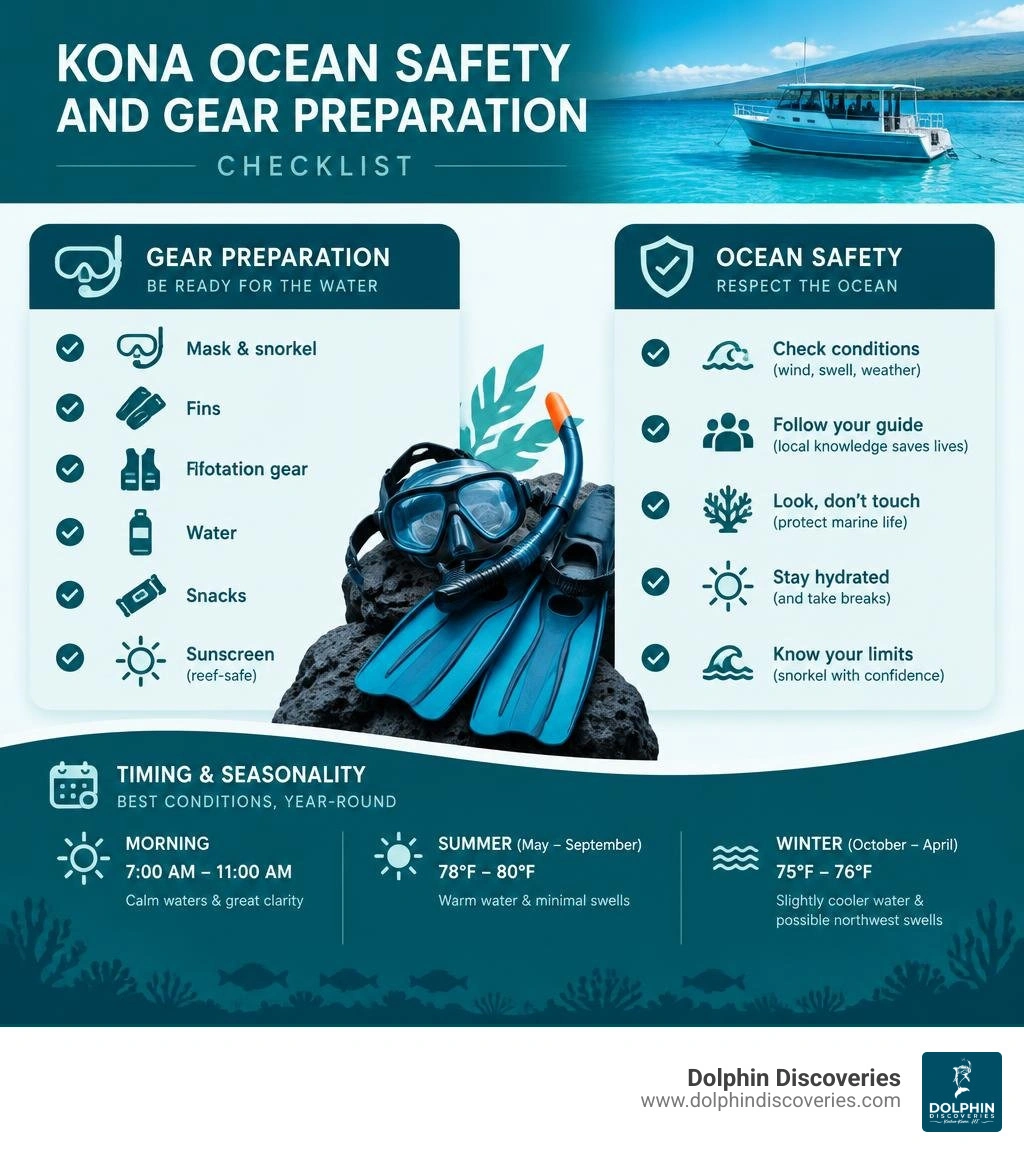
Timing and Seasonality
Morning departures almost always offer the best conditions. Between 7:00 AM and 11:00 AM, surface winds are light, keeping the water glass-smooth and maximizing underwater clarity. By early afternoon, onshore sea breezes pick up, creating light chop over outer reefs.
Kona offers excellent year-round conditions, but the peak summer season runs from May through September. During these months, water temperatures average a comfortable 78°F to 80°F, and ocean swells are minimal. Winter months bring slightly cooler water (around 75°F to 76°F) and occasional northwest swells, which skilled boat captains navigate by selecting sheltered southern bays.
Ocean Safety and Reef Protection
To ensure your time in the water remains safe and secure, keep these practices in mind:
- Wear Reef-Safe Sunscreen: Hawaii state law prohibits sunscreens containing oxybenzone and octinoxate, which bleach coral reefs. Use non-nano zinc oxide or titanium dioxide mineral formulas, or wear UV-rated rash guards to eliminate sunscreen runoff entirely.
- Never Stand on Coral: Coral polyps are fragile living animals. Stepping on a reef head can destroy decades of growth and cause painful cuts.
- Give Wildlife Space: Maintain at least a 10-foot boundary from sea turtles (Honu) and never pursue, touch, or crowd resting marine life.
- Choose Eco-Certified Operators: Approximately 70 percent of Kona tour operators hold eco-certifications. Partnering with certified naturalists ensures ethical wildlife encounters that respect animal behaviors.
For more preparation advice, check out our Kona guided snorkeling tips 2026.
Frequently Asked Questions About Kona and Hilo Snorkeling
Can you snorkel directly from the shore in Hilo?
Yes, you can snorkel from shore at locations like Richardson Ocean Park or Carlsmith Beach Park in Hilo. However, these areas feature natural cold freshwater springs bubbling up from the ocean floor. The mixing of fresh and saltwater creates a blurry halocline effect, reducing visibility to 15 to 30 feet. Entries are rocky, and conditions can change rapidly when trade wind swells increase.
What is the best time of day to take a snorkel tour in Kona?
Morning is the best time for daytime reef excursions because surface conditions are calmest and water clarity is at its peak. For nighttime manta encounters, twilight and after-dark departures are required, with trips leaving Keauhou Bay for a quick 5-minute boat ride to the manta viewing site.
Is Kona better than Hilo for snorkeling excursions?
Kona is significantly better for guided snorkeling excursions. Mauna Loa blocks the wind, keeping the leeward coast calm with up to 100 feet of visibility. Hilo receives heavy rainfall and direct trade wind exposure, leading to river runoff and rougher coastal waters.
Conclusion: Why Kona Takes the Snorkeling Crown
When you weigh water clarity, ocean conditions, and marine biodiversity, the Kona Coast is the clear winner for snorkeling on Hawaii's Big Island. While Hilo offers stunning waterfalls and lush landscapes, Kona provides the calm seas, 100-foot visibility, and thriving coral gardens needed for unforgettable days on the water.
At Dolphin Discoveries, we treat every guest like Ohana. Our small-group, fast-boat departures from Keauhou Bay allow you to skip the crowded decks and experience ethical, naturalist-led encounters with majestic manta rays, wild dolphins, and vibrant reef fish.
Mahalo Nui for exploring our island's ocean treasures. When you are ready to plan your morning reef trip or evening manta ray experience, explore our tours and reserve your Kona snorkel tour directly with our crew. Aloha!