

Where to See Wild Dolphins Near You
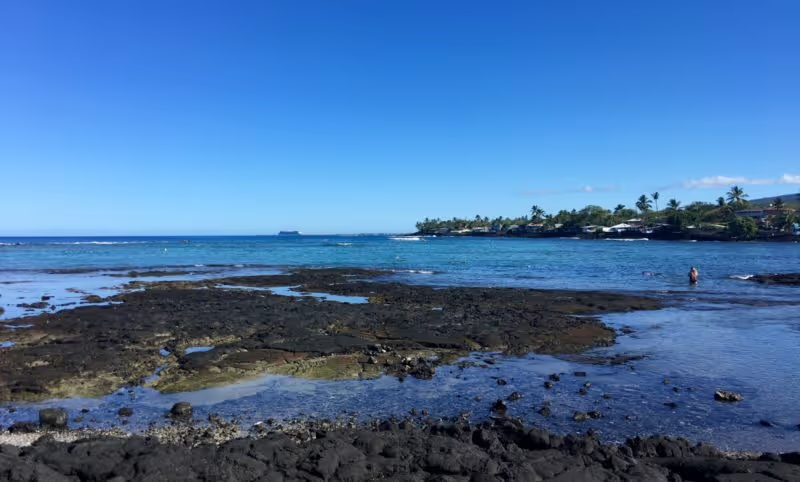
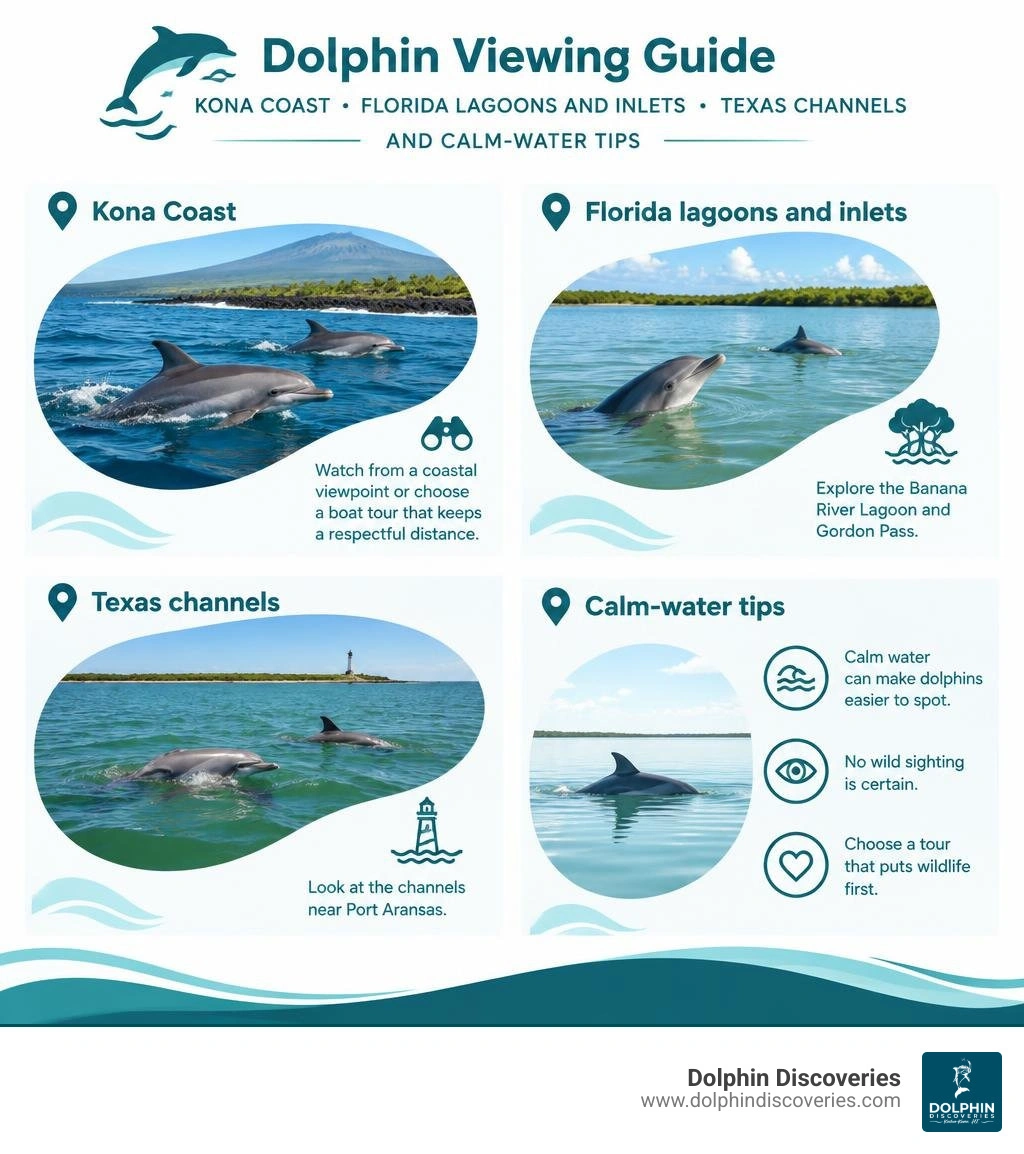
Visiting Hawaii? The Kona Coast is a good place to start your search for wild dolphins. Watch from a coastal viewpoint or choose a boat tour that keeps a respectful distance. On the mainland, look at Florida's Banana River Lagoon and Gordon Pass, or the channels near Port Aransas, Texas.
Calm water can make dolphins easier to spot, but no wild sighting is certain. I'm Shelley Carey, and I'll help you find the right coastal spot and choose a tour that puts wildlife first. If you are searching for dolphin viewing near me, the locations below offer some of the most reliable opportunities to see pods in their natural habitat. NOAA Fisheries offers helpful guidance on responsible marine wildlife viewing for anyone planning a coastal trip.
Learn more about dolphin viewing near me at our dolphin viewing point guide.
Prime Coastal Havens for Dolphin Viewing Near Me
Finding wild dolphins begins with understanding where they spend their days. Dolphins do not wander the open ocean randomly. They stick to predictable geographic features where food is plentiful and waters offer shelter.
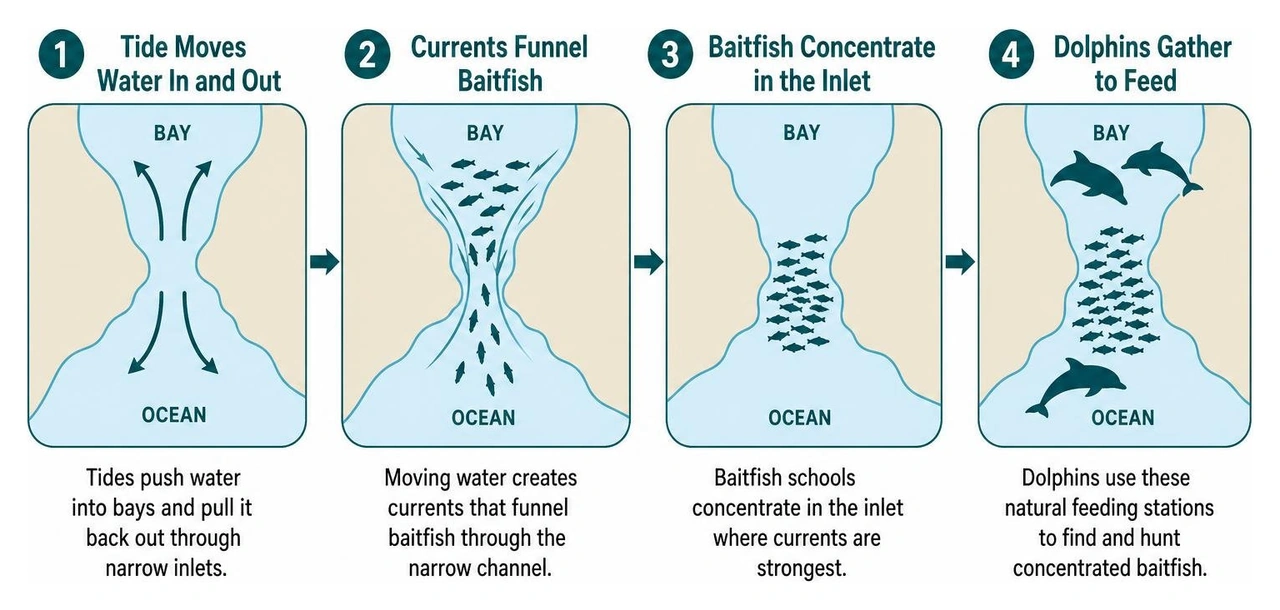
Inshore estuaries, shallow sandy bays, and barrier island passes act as natural gathering spots. Tidal flows push schools of fish through narrow channels, creating natural feeding stations for resident pods. When you search for dolphin viewing near me, look for these specific coastal formations.
Top Estuaries and Inlets for Dolphin Viewing Near Me
Estuaries and passes create prime feeding grounds. When moving water funnels baitfish through a narrow channel, pods gather along the current seam to hunt.
In Florida, Gordon Pass in Naples serves as a classic tidal highway. Moving tides funnel baitfish between Naples Bay and the Gulf, attracting active bottlenose dolphins. Further north, the Banana River Lagoon and Boca Ciega Bay offer calm, sheltered waterways where resident pods stay year-round. Taking time for understanding wild dolphin behavior helps you spot surface ripples and active baitfish boils before the animals even break the water.
Island Channels and Coastal Points for Dolphin Viewing Near Me
Island coastlines present a different dynamic. Along the Kona Coast of the Big Island of Hawaii, the ocean floor drops quickly into deep offshore trenches while offering protected, crystal-clear bays near shore.
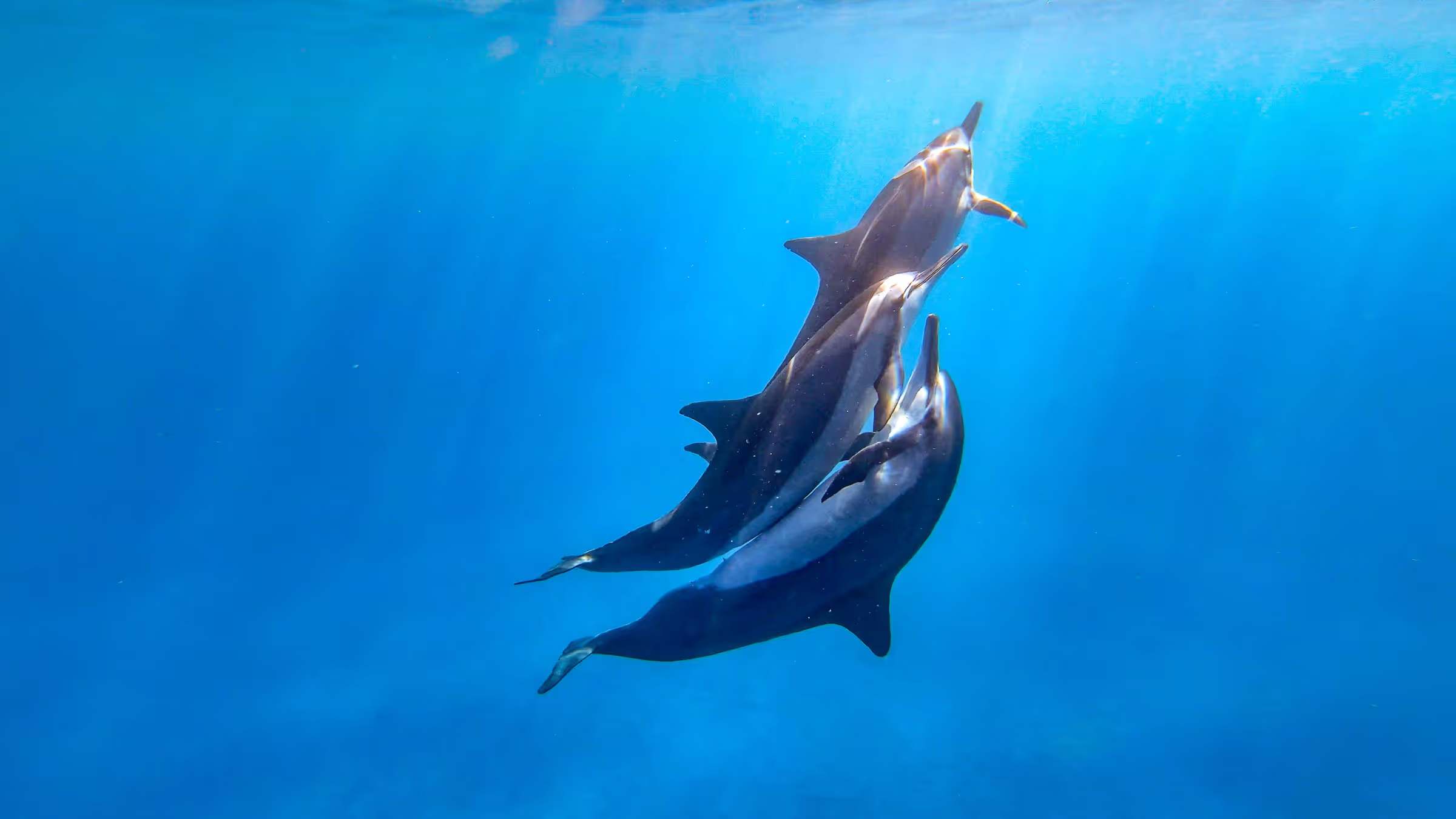
These calm, sandy-bottom coves provide daytime resting areas for Hawaiian spinner dolphins. After spending the night hunting in offshore waters, pods return in the morning to cruise quietly through shallow waters. Elevated shoreline lookouts serve as natural dolphin viewing points, allowing you to watch their social interactions in clear water without entering their space. Other iconic waterways, such as the Lydia Ann Channel in Texas, offer great vantage points as dolphins travel between shallow flats and deep shipping channels.
Choosing the Right Dolphin Tour Experience
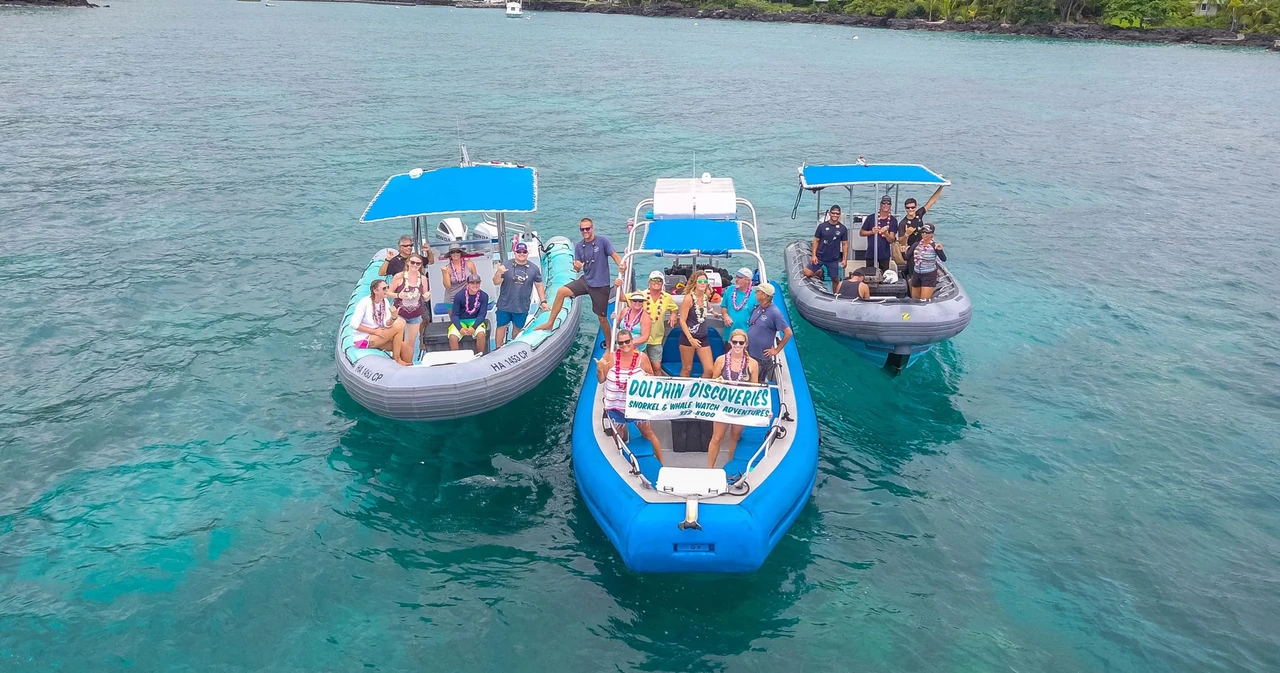
How you choose to get on the water shapes your entire experience. Vessel size, hull design, and passenger count determine how close you feel to the ocean and how the boat interacts with marine life.
Large catamarans provide wide deck space and smooth stability, but their size can make personal interaction with the crew harder. They carry dozens of passengers, turning a peaceful encounter into a crowded scene. Small-boat charters offer a different feel. Rigid inflatable boats (RIBs) and shallow-draft vessels sit low to the waterline. They maneuver smoothly, produce less underwater noise, and offer direct access to knowledgeable guides.
| Feature | Small-Boat Charters (RIBs) | Large Catamaran Cruises | Shore Viewing Lookouts |
|---|---|---|---|
| Passenger Capacity | 6 to 14 guests (intimate) | 40 to 100+ guests | Unlimited public access |
| Wildlife Proximity | Eye-level, low to waterline | Elevated deck perspective | Distant (binoculars needed) |
| Maneuverability | High; quick, quiet repositioning | Low; requires wide turning space | Static location |
| Eco-Impact | Low wake, minimal sound footprint | Higher displacement, heavy wake | Zero marine impact |
| Naturalist Guidance | Direct conversation with captain | Loudspeaker announcements | Self-guided interpretation |
Sightseeing Cruises vs. In-Water Encounters
Choosing between a sightseeing cruise and an in-water encounter requires understanding wildlife welfare and federal protections. Wild dolphins depend on daily rest and uninterrupted social time to survive.
Under the Marine Mammal Protection Act (MMPA), approaching wild dolphins too closely or attempting to swim with them in resting bays disrupts their natural behaviors. Passive observation from a vessel allows dolphins to control the encounter. If they want to play in the boat's wake, they will approach on their own terms.
Choosing ethical marine wildlife tours ensures your trip prioritizes non-intrusive viewing. Responsible operators keep their engines in neutral around pods, maintain required buffer distances, and let the animals move freely.
Timing, Ocean Conditions, and Marine Life Sightings
Ocean conditions dictate what you see and how easily you see it. Early morning departures offer the best dolphin viewing conditions. As the sun rises, winds remain light, leaving the ocean surface glassy and calm.
Calm water makes spotting dorsal fins, tail slaps, and bait boils straightforward. By afternoon, thermal winds generate surface chop, making wildlife harder to track from a distance.
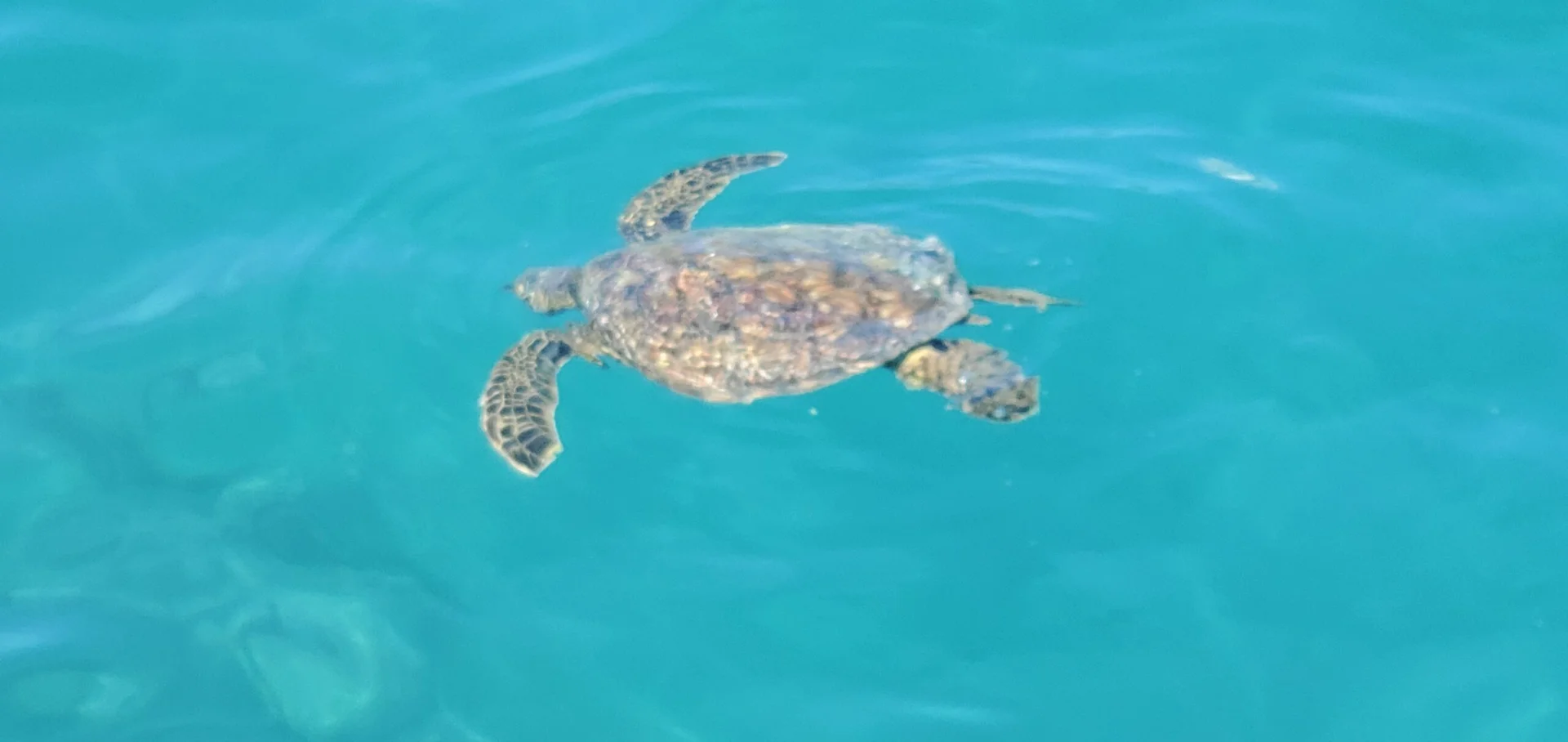
Joining guided dolphin watching excursions during early hours also increases your chances of spotting other coastal species. In Hawaii, you will often spot a green sea turtle (Honu) resting near the surface or feeding along the reef edge. In coastal mainland lagoons, manatees, stingrays, ospreys, and pelicans share the same shallow waterways.
How to Prepare for an Ethical Wildlife Excursion
Proper preparation ensures a smooth, comfortable day on the ocean. Marine environments can be harsh if you are unprepared for sun exposure, wind, and water glare.
Start with quality polarized sunglasses. Polarized lenses cut surface glare, letting you peer below the surface to track moving dolphins before they break the air. Protect your skin by wearing UPF sun shirts, hats, and non-nano zinc reef-safe sunscreen. Chemical sunscreens harm coral reefs and coastal marine ecosystems.
Review these preparation essentials:
- Hydration and Light Snacks: Bring a refillable water bottle to stay hydrated under the sun.
- Camera Gear: Use a fast shutter speed to freeze leaping dolphins, and keep your phone secured with a wrist strap.
- Layers: Pack a light windbreaker for the boat ride back when sea breezes pick up.
- Safety Equipment: Reputable operators provide safe and secure USCG-approved life jackets tailored for all ages, including infants and children.
Finding the best dolphin boat tours means choosing operators that value safety and environmental stewardship. You can combine your wildlife trip with stops at historic coastal lighthouses, sandy beaches, or nature preserves. Before heading down to the harbor, review standard tour preparation guidelines so you arrive ready for the day.
Frequently Asked Questions About Dolphin Viewing
How likely am I to see dolphins on a coastal tour?
Sightings are common in areas with resident pods, though wild animal behavior is never guaranteed. In protected bays and estuaries, resident pods maintain established home ranges and feed during predictable tidal cycles. Experienced captains use local knowledge and weather patterns to search known feeding corridors and resting zones, leading to regular sightings.
How long do typical dolphin tours last and what do they cost?
Standard coastal dolphin tours generally run between 1.5 and 4 hours. Pricing varies depending on vessel size, duration, and whether snorkeling is included.
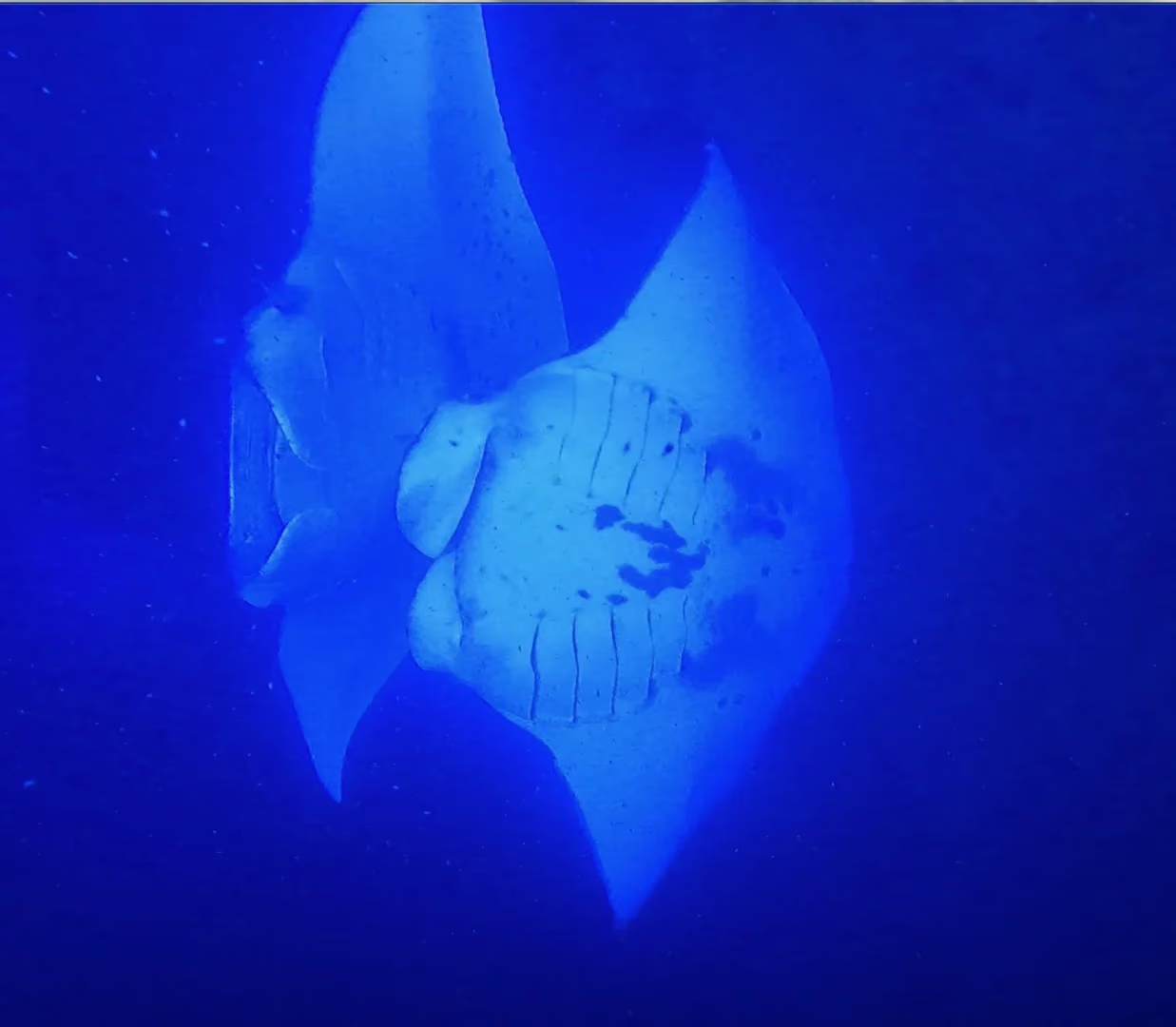
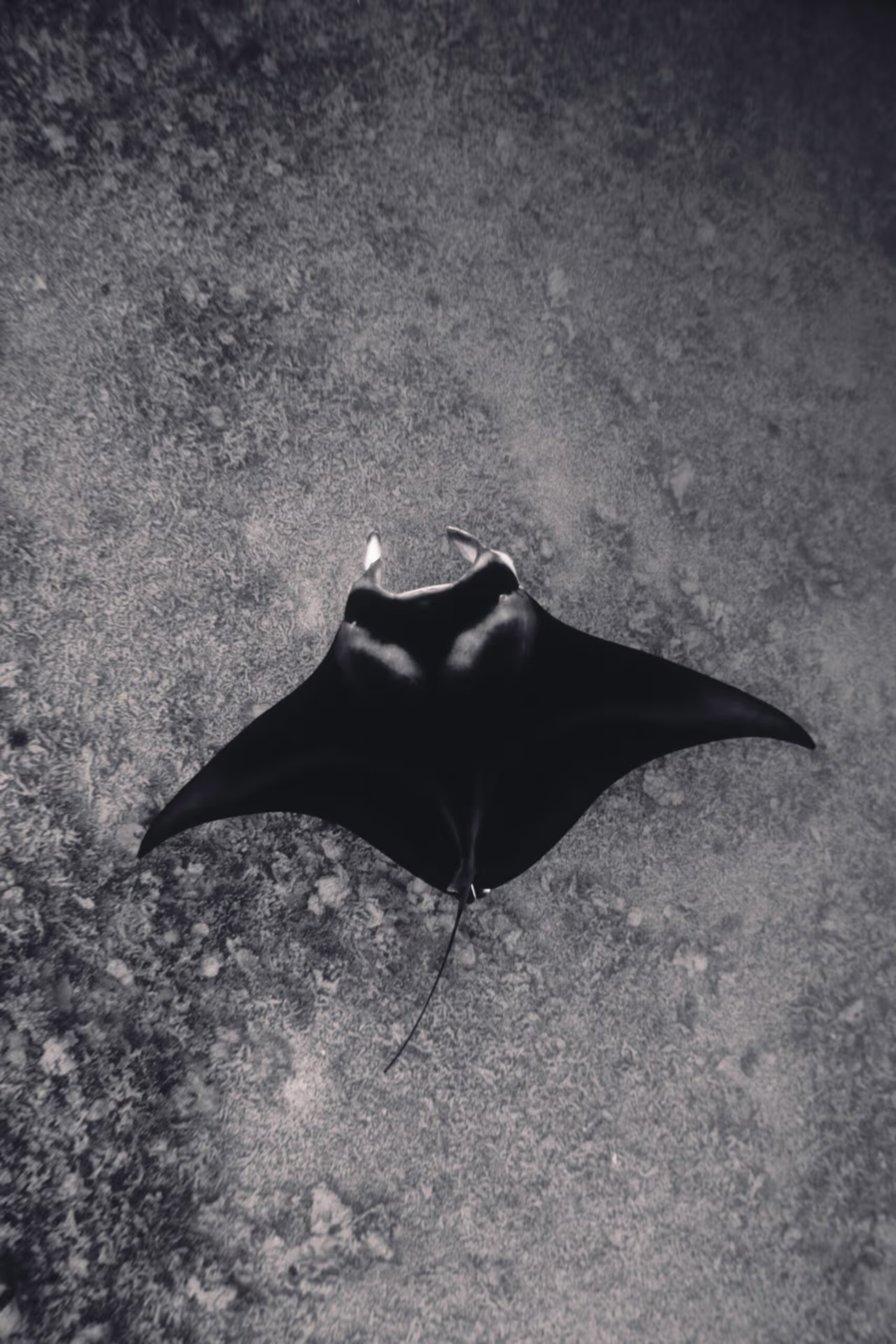
At Dolphin Discoveries, our Captain Cook Snorkel Tour starts at $79.99 per person for a 3-hour trip. The 2-hour Dolphin & Whale Watching trip and Manta Ray Night Snorkel start at $99.99 per person. The Kona Snorkel Tour with two snorkeling spots runs for 4 hours and starts at $109.99 per person. Private boat charters start at $1,050 for up to 34 guests on a fully customizable Holo Holo trip. All prices are per person unless noted and subject to change, so always confirm current rates and availability at dolphindiscoveries.com.
What is the weather and cancellation policy for marine tours?
Ocean conditions change quickly, and licensed captains assess wind, swell, and visibility daily to ensure guest comfort. Most professional operators maintain flexible weather policies that allow you to reschedule your excursion or receive a full refund if the captain cancels a trip due to rough water. If you need to make changes yourself, most operators require 24 to 48 hours advance notice. You can check our frequently asked tour questions for specific booking and cancellation terms.
Conclusion
Observing dolphins in their natural coastal habitat offers a real connection to our oceans. When you choose respectful, small-group excursions led by knowledgeable naturalists, you protect these majestic marine mammals for generations to come.
At Dolphin Discoveries, we love welcoming your Ohana aboard our fast, comfortable boats in Keauhou Bay. From sharing naturalist insights along the rugged Kona Coast to watching pods glide through the water, we focus on safe, authentic, and ethical adventures. When you are ready to get on the water, take a look at our ocean tours and join us along the Kona shoreline. Aloha and Mahalo Nui!