

The Cheat Sheet to Finding the Best Dolphin Watching Spots
Dolphin watching is one of the most rewarding ocean experiences you can have — and this guide tells you exactly where to go, when to go, and how to do it responsibly.
Here's a quick snapshot of what you need to know:
| Question | Quick Answer |
|---|---|
| Best time of day | Early morning (7:00–8:00 AM) for calm water and active dolphins |
| Best season | Varies by location; many destinations offer year-round sightings |
| Typical tour length | 1.5 to 3 hours |
| Average cost | ~$29–$110 USD per person depending on location and tour type |
| Sighting success rate | 95–99%+ at top destinations |
| Can you swim with them? | Usually no — most ethical operators follow strict no-contact rules |
| What species might you see? | Bottlenose, spinner, common, Pacific white-sided, and more |
More than 13 million people took a whale or dolphin watching trip in a single year across 120 countries, generating over $2.1 billion globally. That number has only grown since. It's not hard to see why — there is something genuinely transformative about watching wild dolphins in their natural habitat.
But not all tours are equal. Some operators crowd the animals. Others skip the education entirely. And if you're visiting Hawaii, finding a small-group, ethical, safety-first experience takes a little research.
That's exactly what this guide is for. I'm Patrick Marvin, and I'll walk you through everything — from the best global hotspots to what to pack and how to spot a responsible operator.

What to Expect on a Dolphin Watching Tour
Taking a trip out onto the open ocean is an exhilarating experience, but knowing what to expect beforehand ensures you have the best possible adventure. Many first-time visitors imagine massive cruise ships crowded with hundreds of people, but the most rewarding way to experience these marine mammals is on a small-group, naturalist-led fast boat.
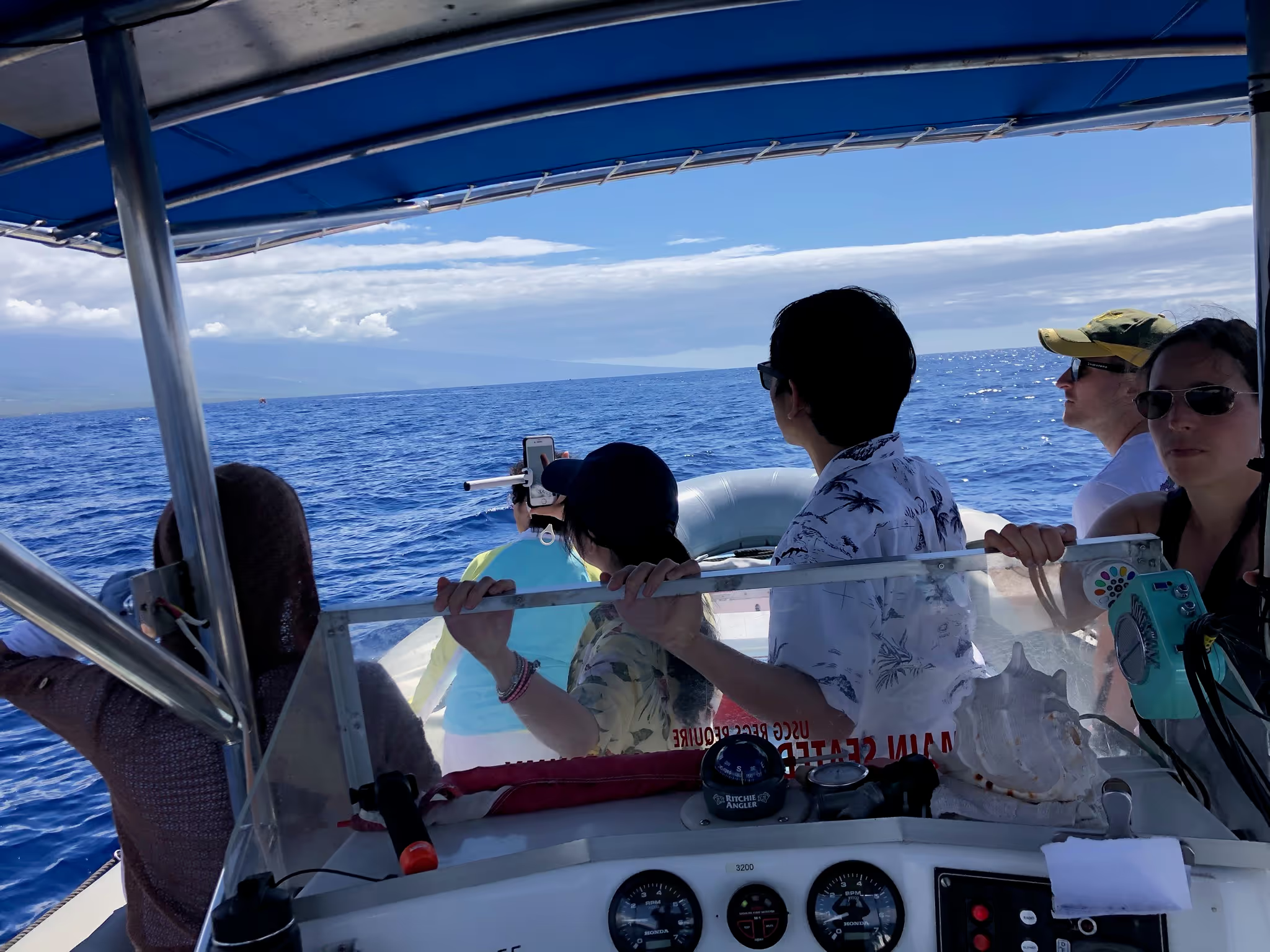
On a smaller vessel, you are much closer to the water level. This gives you an intimate, unobstructed view of the ocean. Instead of peering over the shoulders of three rows of tourists, a small-group excursion allows you to hear the dolphins breathe, see the intricate patterns on their skin, and easily ask your captain and onboard naturalist questions.
Different Species of Dolphins You Might Encounter
The ocean is home to a diverse array of dolphin species, each with its own unique personality, social structure, and acrobatic style. Depending on where you are cruising along the Kona Coast of the Big Island, you are likely to encounter several distinct species:
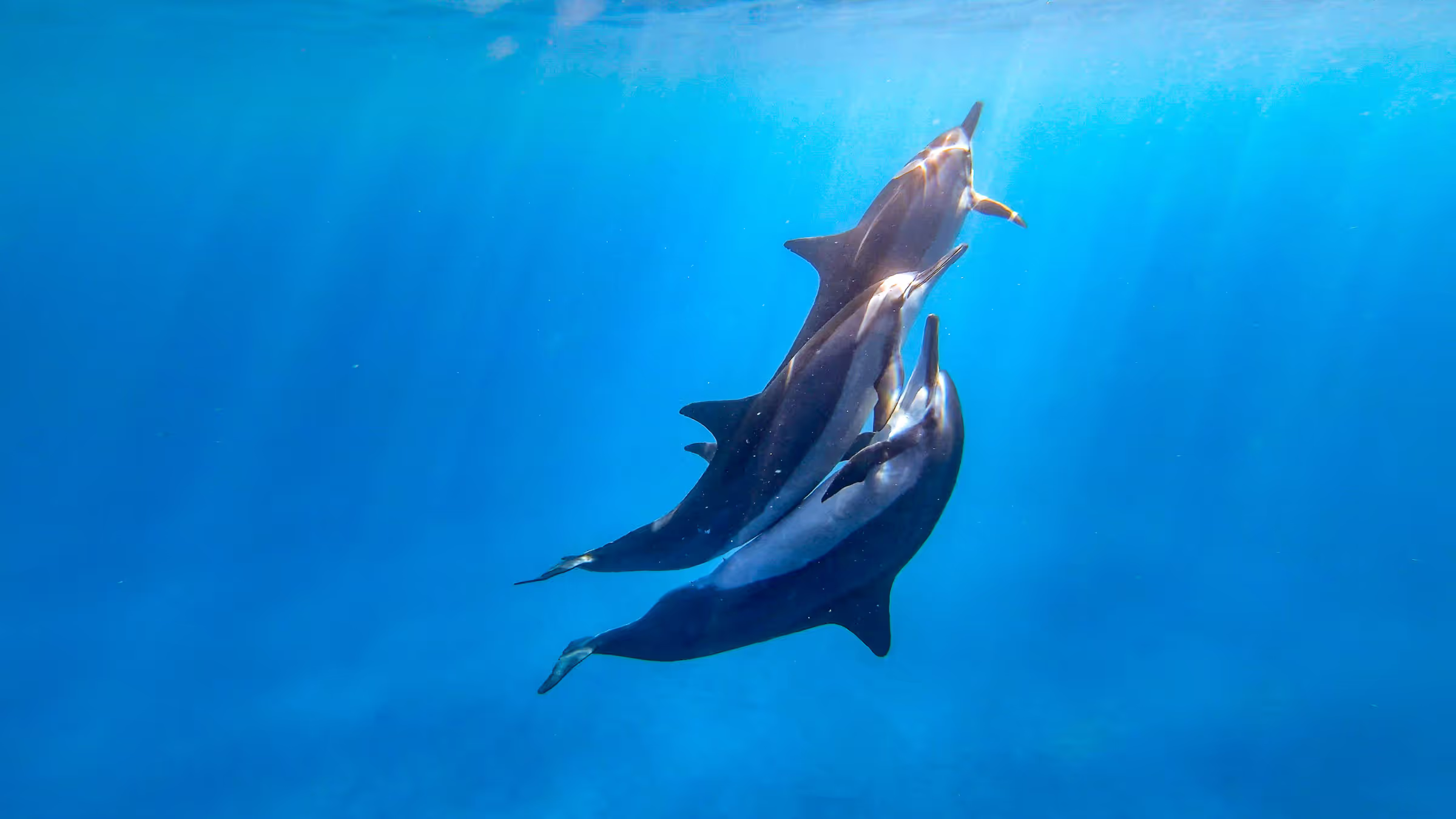
- Hawaiian Spinner Dolphins: Famous for their breathtaking aerial displays, these relatively small dolphins can launch themselves into the air and spin up to seven times in a single leap. They use calm, shallow bays during the day to rest and socialize after hunting in the deep ocean at night.
- Common Bottlenose Dolphins: The classic, highly recognizable dolphins known for their curiosity. They are larger, robust, and often love to ride the pressure wave created by the bow of our boat.
- Pantropical Spotted Dolphins: Often confused with bottlenose dolphins when young, they accumulate beautiful white spots as they mature. They are incredibly fast, highly social, and love to leap alongside fast-moving vessels.
- Risso's Dolphins: Distinctive for their blunt noses and pale, scarred skin. These scars are accumulated over a lifetime of socializing and hunting deep-sea squid, giving them a rugged, battle-tested look.
- Pacific White-Sided Dolphins: Highly active and playful, these dolphins are known for their striking dark grey, light grey, and white coloration.
When conditions are perfect, smaller groups of dolphins can merge into massive herds known as "megapods." Encountering a megapod of hundreds of animals traveling, leaping, and socializing together is an unforgettable spectacle that turns the ocean surface into a sea of white froth and dorsal fins. To dive deeper into how these incredible creatures live, communicate, and play, check out our guide to Learn About Dolphins.
Typical Tour Itinerary and Duration
While every ocean excursion is slightly different, a high-quality dolphin watching tour follows a carefully planned sequence designed for passenger comfort, safety, and optimal wildlife viewing.

A standard dedicated dolphin and whale watching tour typically lasts about 2 hours. Here is a look at what your morning looks like:
- Check-in and Safety Briefing: You'll meet your crew at Keauhou Bay, step aboard our fast rigid inflatable boat (RIB), and receive a brief overview of the vessel's safety features and ethical wildlife viewing guidelines.
- The Coastal Cruise: As we head out of the bay, we'll cruise along the dramatic volcanic shoreline of the Kona Coast. Your naturalist guide will share insights about the local geology, history, and marine ecosystems.
- Active Scanning and Wildlife Encounter: Your captain and crew will use their trained eyes to scan the horizon for tells—like a flock of seabirds, a disturbance in the surface water, or a sudden flash of silver. Once dolphins are spotted, we slow our engines to a quiet idle and let the dolphins dictate the interaction.
- Educational Presentations: While observing the pod, your naturalist will explain the behaviors you are seeing, whether it’s resting, nursing, or socializing. On many tours, we can lower a specialized hydrophone (underwater microphone) into the water, allowing you to listen to the clicks, whistles, and squeaks the dolphins use to communicate in real-time.
- Return to Harbor: We make a smooth, fast cruise back to Keauhou Bay, leaving you with incredible photos and a deep appreciation for the ocean.
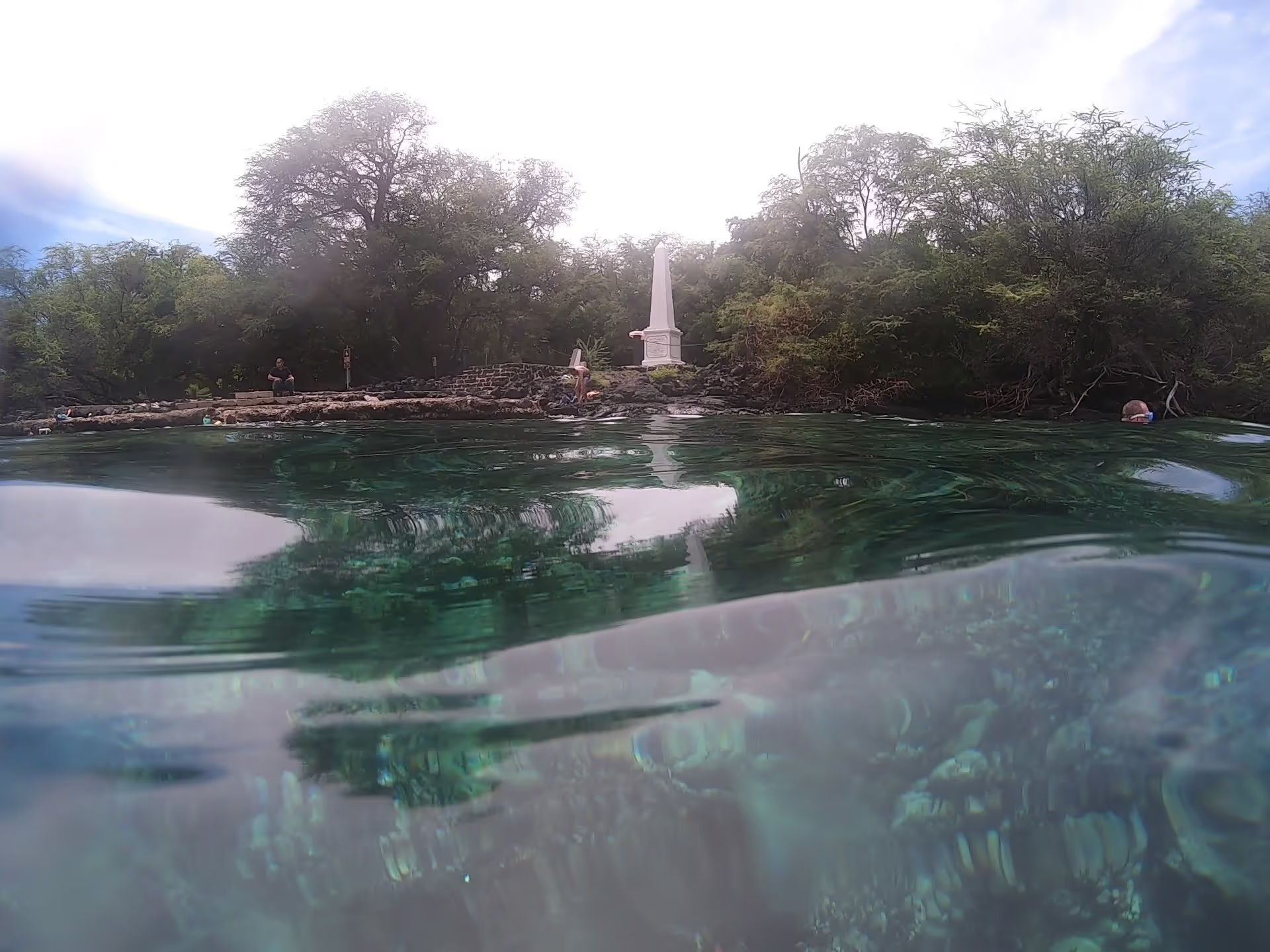
If you want to combine wildlife viewing with snorkeling, you can choose longer options. For example, our Captain Cook Snorkel Tour lasts 3 hours, while the Kona Snorkel Tour – Two Snorkeling Spots gives you a comprehensive 4-hour ocean adventure.
Planning Your Perfect Dolphin Watching Adventure
A little preparation goes a long way toward making your time on the water comfortable and stress-free. The ocean is a dynamic environment, and understanding its daily and seasonal rhythms is the secret to booking the perfect trip.
Best Time of Year and Day for Dolphin Watching
In Hawaii, we are incredibly fortunate: our resident dolphin populations do not migrate, meaning dolphin watching is a spectacular year-round activity. However, the time of day you choose makes a massive difference.
Without a doubt, morning tours are the absolute best time for dolphin watching.
During the early morning hours, the winds are calmest, and the ocean swell is at its gentlest. This "mirror-flat" water makes it significantly easier to spot dorsal fins breaking the surface from a distance. Additionally, the soft, golden morning light is ideal for photography, preventing the harsh glare and deep shadows of midday.
Biologically, morning is also when species like spinner dolphins return from their deep-water nighttime feeding grounds to the sheltered bays along the Kona Coast, making them highly active and visible.
What to Wear and Pack for Your Ocean Excursion
Because our fast boats move quickly over the water, you'll want to pack smart to stay warm, dry, and protected from the elements. Here is your essential packing checklist:
- Windbreaker or Light Layers: Even in the middle of summer, the offshore breeze on a moving boat can feel surprisingly cool. A light, windproof jacket keeps you comfortable.
- Polarized Sunglasses: This is a game-changer! Polarized lenses cut through the ocean's surface glare, allowing you to actually see the dolphins swimming and gliding just beneath the water before they break the surface.
- Reef-Safe Sunscreen: Protect your skin while protecting the delicate coral reefs of Hawaii USA. Avoid sunscreens containing oxybenzone and octinoxate.
- Dry Bag or Waterproof Case: Protect your phone, camera, and dry clothing from occasional sea spray.
- Motion Sickness Prevention: If you are prone to seasickness, take a preventative remedy the evening before and the morning of your trip. The open ocean can be bumpy, and being prepared ensures you enjoy every second.
For more detailed preparation tips, check out our comprehensive Know before you go tips page.
How to Choose an Ethical Dolphin Watching Operator
As uninvited guests in the marine world, we have a profound responsibility to ensure our presence does not disrupt or harm the animals we come to admire. Irresponsible boat handling can cause short-term behavioral changes, such as forcing dolphins to dive constantly or abandon their feeding and resting grounds, which can lead to long-term population declines.
When researching operators, look for companies that actively participate in recognized conservation and education programs. Programs like Dolphin SMART and Whale SENSE train captains and naturalists annually to practice responsible viewing.
Additionally, ensure the company operates USCG-inspected vessels. This guarantees the boat meets strict safety, stability, and emergency equipment standards mandated by the United States Coast Guard.
Ethical Rules for Interacting with Cetaceans During Dolphin Watching
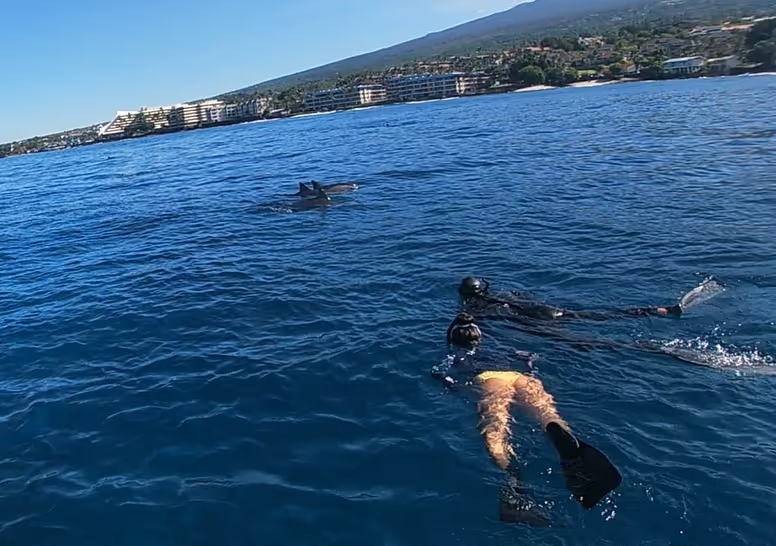
In Hawaii, federal regulations under the Marine Mammal Protection Act (MMPA) strictly prohibit swimming with, touching, or chasing wild spinner dolphins. Because these animals hunt all night, they use the daytime to rest, nurse their calves, and hide from predators. Human intrusion during these critical hours disrupts their sleep cycles, leaving them exhausted and vulnerable.
To learn more about these fascinating behaviors and why protection is so vital, read our article on Hawaiian Spinner Dolphins behavior.
An ethical operator will:
- Maintain a respectful distance and never crowd, corner, or herd a pod of dolphins.
- Put the engine in neutral or idle when dolphins approach the boat voluntarily.
- Never allow or encourage guests to enter the water to swim with wild dolphins.
- Limit the time spent viewing a single pod to avoid causing cumulative stress.
Sighting Guarantees and Tour Pricing
Because we are dealing with wild animals in their natural, open-ocean habitat, sightings can never be 100% guaranteed. However, the Kona Coast of the Big Island has some of the highest dolphin sighting success rates in the world, often exceeding 95% on morning departures.
When looking for the Best Dolphin Boat Tours Near Me, look for operators with transparent pricing and clear policies. At Dolphin Discoveries, we keep our pricing straightforward and highly competitive:
- Captain Cook Snorkel Tour (3 hours): Starts at $79.99 per person.
- Dolphin & Whale Watching Tour (2 hours): Starts at $99.99 per person.
- Manta Ray Night Snorkel (2 hours): Starts at $99.99 per person.
- Kona Snorkel Tour – Two Snorkeling Spots (4 hours): Starts at $109.99 per person.
- Private Boat Charters: Start at $1,050 for up to 34 guests on a fully customizable, private "Holo Holo" trip.
Note: All prices are subject to change. Please always confirm current rates and availability directly at dolphindiscoveries.com.
Top Global Destinations for Spotting Dolphins
| Destination | Primary Species | Best Season | Sighting Rate | Unique Feature |
|---|---|---|---|---|
| Kona Coast, Hawaii | Spinner, Bottlenose, Spotted | Year-Round | 95%+ | Crystal-clear volcanic water, dramatic drop-offs |
| Mid-Atlantic US Coast | Bottlenose | April – October | 90%+ | Large seasonal migrations near sandy beaches |
| Southern California | Common, Pacific White-Sided | Year-Round | 90%+ | Massive megapods of 1,000+ animals |
| Central & South America | Spinner, Spotted, Bottlenose | Year-Round | 95%+ | Remote, heavily protected national marine parks |
Premier North American Coastal Hotspots
While mainland locations like South Padre Island in Texas, Virginia Beach in Virginia, Cape May in New Jersey, and Dana Point in California are famous for their seasonal migrations of coastal bottlenose dolphins, the absolute gold standard for North American dolphin watching is the Kona Coast of the Big Island, Hawaii.
The unique geography of the Big Island plays a massive role here. Massive volcanoes like Mauna Loa shield the Kona Coast from strong trade winds, creating a vast, calm "lake-like" ocean environment. Deep ocean trenches sit just minutes from the shoreline, allowing deep-water species to hunt at night and easily travel to shallow, sandy bays to rest during the day. This provides incredibly reliable, year-round encounters that are virtually unmatched on the mainland.
Unforgettable International Marine Sanctuaries
Across the globe, dedicated marine sanctuaries protect critical dolphin habitats. While some travelers head to North Carolina or explore the West Coast of the United States, international sanctuaries also draw massive crowds.
For instance, Costa Rica's Marino Ballena National Park offers incredible opportunities to view marine life in a protected environment, while Brazil's isolated archipelago is detailed in the FERNANDO DE NORONHA SPINNER DOLPHINS: YOUR ULTIMATE GUIDE. In Australia, travelers head to Nelson Bay to see resident bottlenose dolphins, and Mexico's Pacific coast is known for Dolphins in Puerto Escondido: When to See Them & How to Book (2026).
However, you don't need a passport to experience world-class marine sanctuaries. The protected bays of the Kona Coast, such as Kealakekua Bay, function as highly regulated marine life conservation districts. Here, strict local and federal laws ensure that dolphins, manta rays, and coral reefs are protected from destructive commercial practices, offering a pristine sanctuary right in Hawaii USA.
Frequently Asked Questions about Dolphin Encounters
What other marine wildlife might I see on a tour?
Our coastal waters are incredibly biodiverse! Depending on the season, you might spot:
- Humpback Whales: During our winter whale watching season (December through April), thousands of humpback whales migrate to our warm waters to breed and give birth. Learn more about these giants in our Big Island Whale Watching guide and check out our Humpback Whales Watching Guide For The Big Island to plan your winter trip.
- Green Sea Turtles (Honu): Frequently seen feeding on algae along the shallow volcanic reefs.
- Manta Rays: Kona is world-famous for its resident manta rays. If you want to see them up close, our Manta Ray Night Snorkel is a bucket-list experience.
- Flying Fish (Malolo): These amazing fish erupt from the surface, skimming 20 to 30 meters over the water to escape larger predators.
What happens if we don't see any dolphins?
While our sighting success rate is exceptionally high (over 95%), dolphins are wild animals and can occasionally be elusive. If we don't spot any marine mammals during your tour, we will discuss our current standby or rescheduling policies to ensure you get another opportunity to experience the magic of the ocean.
Can children join the dolphin tour?
Absolutely! Our small-group tours are fantastic for families and highly educational for children. We recommend our tours for children aged 4 and up, as our fast boats ride directly on the water. We provide Coast Guard-approved life jackets in all sizes to ensure everyone stays safe and comfortable.
Conclusion
Experiencing wild dolphins in their natural habitat is a memory that stays with you forever. By choosing a small-group, eco-conscious tour, you are not only securing an intimate, front-row seat to this ocean ballet—you are also supporting sustainable tourism and active marine conservation.
At Dolphin Discoveries, we believe that meeting these animals in the wild inspires a unique bond and a lifelong commitment to protecting our oceans. Whether you want to scan the horizon for spinner dolphins, snorkel the historic waters of Captain Cook, or swim with manta rays under the stars, we are ready to welcome you aboard.
Ready to start your adventure? Book an ethical Hawaii ocean tour with Dolphin Discoveries today!