



Breathing through a snorkel feels strange for the first few minutes. Your face is in the water, your nose is sealed inside the mask, and every breath comes through a tube in your mouth. The good news is that it is a skill, and most people get comfortable quickly once they know what to do.
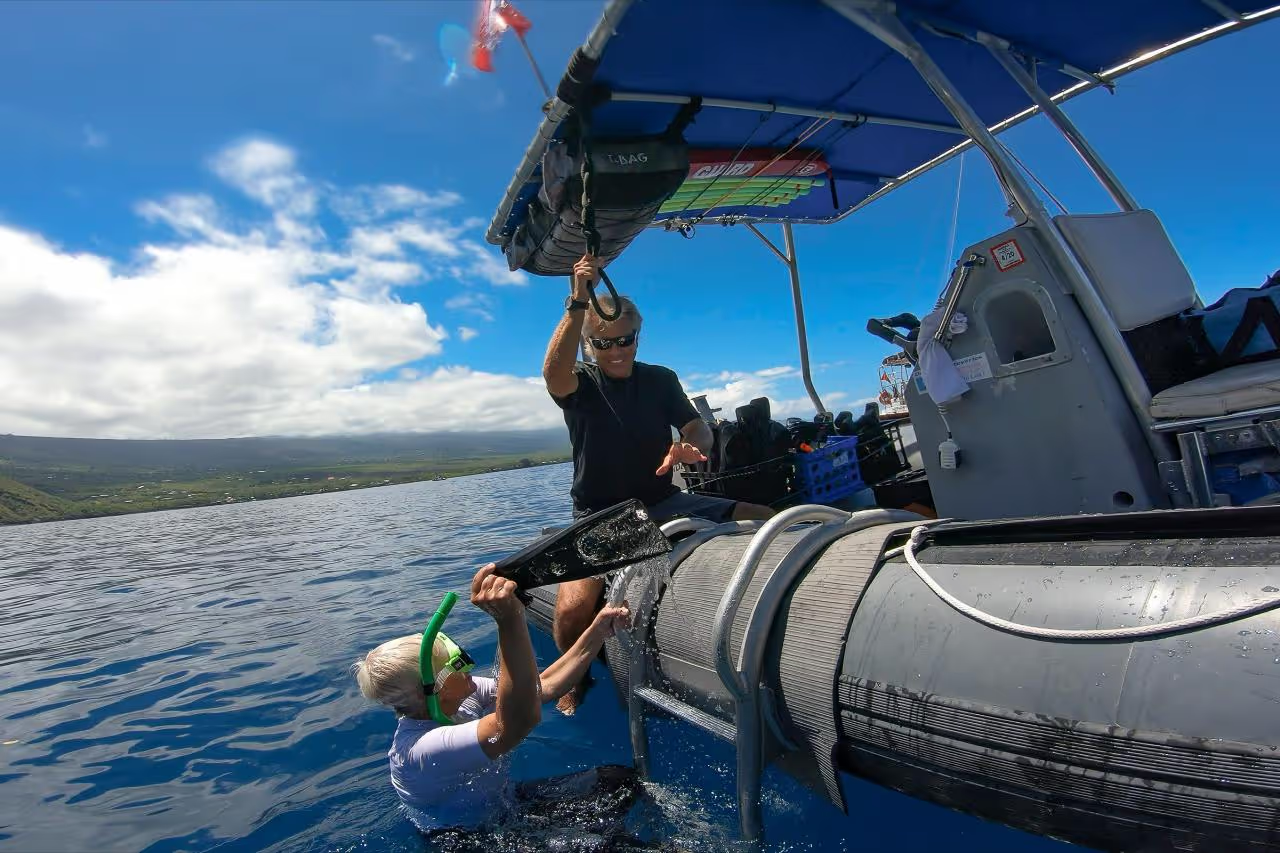
This guide covers how to breathe when snorkeling, step by step, how to clear water from your snorkel, what to do if you feel short of breath, and how our crew helps first-timers on our Kona snorkel tours.
How to Breathe When Snorkeling, Step by Step

- Practice on land - Put on the mask and snorkel before you get in and breathe through your mouth for a minute. Hawaii's Ocean Safety program advises practicing breathing through the snorkel and taking the mask off on land first. If breathing through it feels wrong on land, don't take it into the water.
- Get a good seal - Your mask should fit and not leak. Move your hair out of the way and seal your lips around the mouthpiece. Ocean Safety also recommends putting anti-fog in your mask before you get in.
- Float first - Lie flat and let the water hold you up. Ocean Safety says to "conserve your energy while snorkeling by floating" and to kick only when you need to. A relaxed body uses less air.
- Breathe slow and full - Take slow, deep breaths in and out through your mouth. A snorkel adds extra air space that you have to move with every breath. Divers Alert Network (DAN) explains that carbon dioxide builds up if your breaths are too small. So try not to take short, quick breaths, even when you're excited.
- Keep the tip up - Keep your face down and the top of the snorkel pointed at the sky. Lifting your head to look around tips the snorkel back toward the water.
- Stop if you feel off - Ocean Safety lists dizziness, a headache or feeling disoriented as possible signs of carbon dioxide buildup. Take the snorkel out, breathe fresh air and get out of the water.
How to Clear Water From Your Snorkel
A little water in the tube is normal. A wave splashes over the top, or you dip your head too low. Ocean Safety notes that waves near the entry and exit can push water into your snorkel, so take extra care there. Here is how to handle it.
- Blow it out - Breathe out with one short, hard puff, like blowing out a candle across the room. The water shoots out the top. Take your next breath slowly in case a few drops are left.
- Tilt and tip - If you dive under, DAN describes a simple trick: tilt your head back and breathe out a little as you come up, then tip your head forward at the surface. That leaves most snorkels clear.
- Use the valve - Many snorkels have a one-way valve near the mouthpiece. DAN notes these valves mean you don't have to work as hard to clear the tube, though good technique does the same job.
- Just lift your head - If the tube floods and you can't clear it, lift your face, take the mouthpiece out, breathe, and empty it. There is no rush.
What about full-face snorkel masks?
Full-face masks cover your eyes, nose and mouth. Hawaii's Ocean Safety program lists concerns including carbon dioxide rebreathing and a strap system that can be harder to take off. It says health officials are still studying whether these masks raise drowning risk. If you use one, rent only from a licensed vendor, get instructions, breathe slowly and calmly through your nose, and practice on land first. On our Captain Cook and manta tours, masks and snorkels are provided.
Common Breathing Problems and Quick Fixes
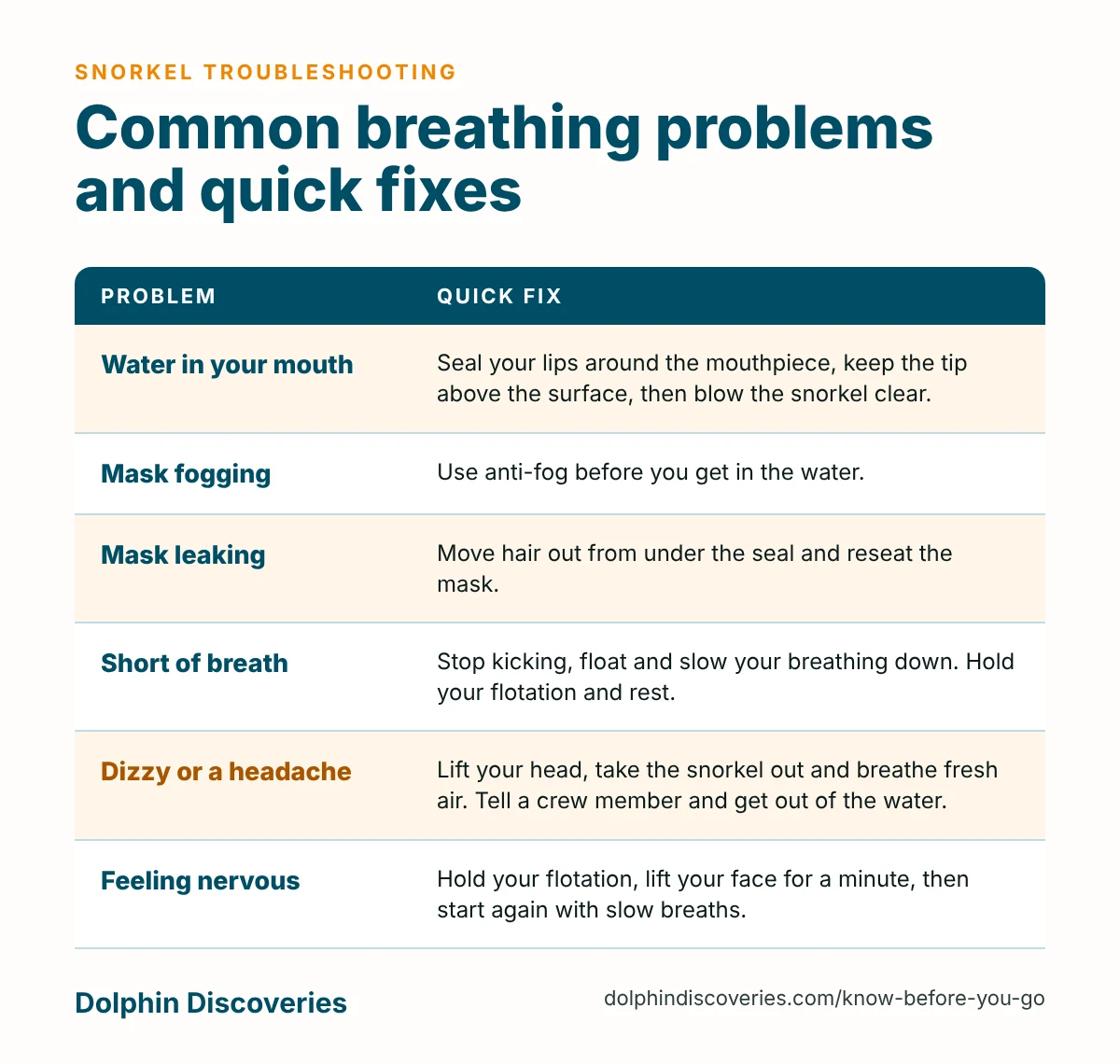
- Water in your mouth: Seal your lips around the mouthpiece, keep the tip above the surface, then blow the snorkel clear.
- Mask fogging: Use anti-fog before you get in the water.
- Mask leaking: Move hair out from under the seal and reseat the mask.
- Short of breath: Stop kicking, float and slow your breathing down. Hold your flotation and rest.
- Dizzy or a headache: Lift your head, take the snorkel out and breathe fresh air. Tell a crew member and get out of the water.
- Feeling nervous: Hold your flotation, lift your face for a minute, then start again with slow breaths.
Ocean Safety also lists things that raise risk for snorkelers: recent air travel, health conditions such as asthma or heart disease, a recent flu or infection, being tired or anxious, and weak swimming. If any of those apply to you, take it easy, and check with your doctor if you're unsure.
Practice With Our Crew in Kona
The easiest place to learn is calm water with a crew watching. All of our tours check in at our store in the Keauhou Shopping Center, 78-6831 Ali'i Dr, Suite F-146, Kailua-Kona, and depart from Keauhou Bay on small-group rigid-hull inflatable boats.
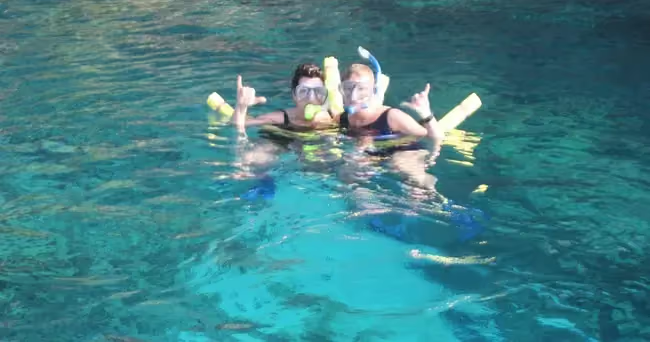
- Morning Captain Cook Snorkel Adventure - A slower-paced tour of Kealakekua Bay made for new snorkelers. Pool noodles are included, and snorkel vests are provided for kids 12 and under (available to rent for ages 13 and up). It runs 3.5 hours including check-in for ages 6 to 70, at $99.99. See the Morning Captain Cook Snorkel Adventure.
- Captain Cook Snorkel Tour - Our crew provides fitted masks, snorkels and flotation aids if needed, and you average about an hour of snorkeling. Our Captain Cook snorkel tour is 3.5 hours including check-in, for ages 6 to 70, at $99.99.
- Deluxe Kona Snorkel Adventure (Two Spots) - Two stops in one trip: Kealakekua Bay and the Place of Refuge. It is the longest of our Kona snorkel tours, at 5 hours total with 4 hours on the water, for ages 6 to 70, at $119.99.
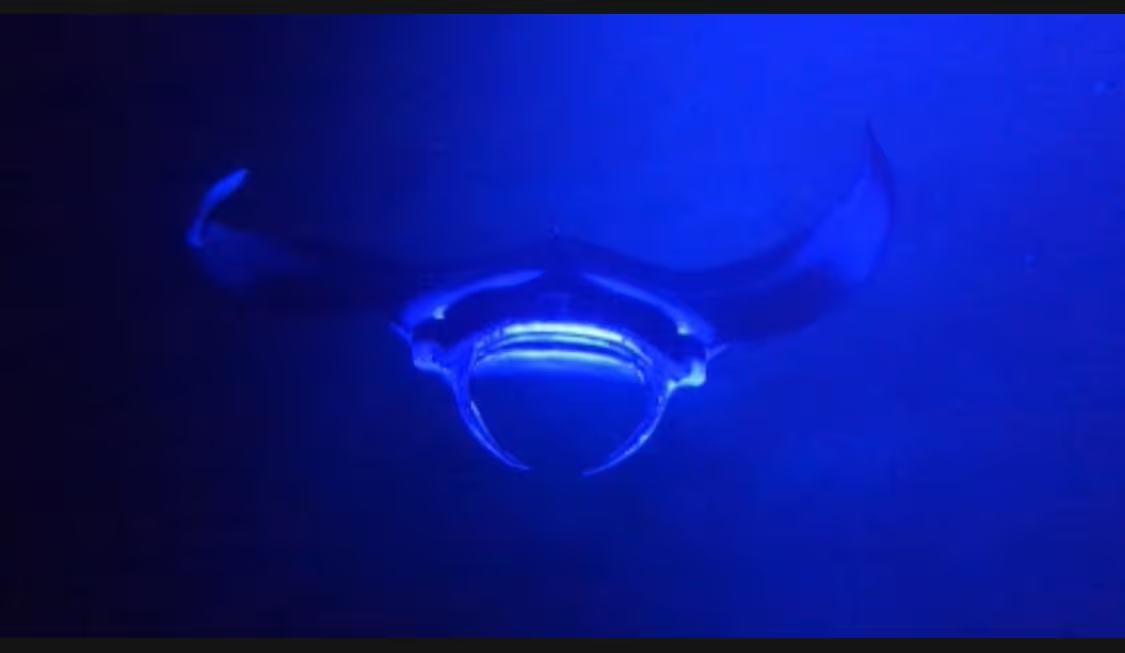
- Manta Ray Night Snorkel - You hold a lit float board and lie flat, so you can focus on slow, easy breaths while mantas feed below. Our manta ray night snorkel in Kona is 2 hours, with about 30 minutes in the water, for ages 6 to 70, at $99.99.
On every tour, you need to know how to swim to get in the water. Flotation helps you relax, but it doesn't replace swimming. Not sure what to wear in the water? Read our guide to the snorkel vest vs life jacket. Once you're breathing easy, our Hawaiian fish identification guide helps you name what you see. For a packing list, visit Know Before You Go.
How to Breathe When Snorkeling FAQ
Do you breathe through your nose or mouth when snorkeling?
With a regular mask and snorkel, you breathe through your mouth only. Your nose stays inside the mask. Full-face masks are different: Hawaii's Ocean Safety program advises breathing slowly and calmly through your nose with those.
Why do I feel out of breath when snorkeling?
A snorkel adds extra air space to every breath. Short breaths don't bring in enough fresh air, so carbon dioxide can build up. Slow down, take fuller breaths, and float instead of kicking hard.
How do I get water out of my snorkel?
Breathe out with one short, hard puff to push the water out the top, then breathe in slowly. If that doesn't work, lift your head, take the mouthpiece out and empty the tube.
Can I snorkel if I can't swim?
Not on our tours. Guests in the water must know how to swim. Friends or family who don't snorkel can ride along on the Manta Ray Night Snorkel with a reserved ticket.
What snorkel gear do you provide?
On the Captain Cook Snorkel Tour, our crew provides fitted masks, snorkels and flotation aids if needed. The Manta Ray Night Snorkel includes masks, snorkels, short sleeve wetsuit tops and pool noodles. Have questions? Call us at (808) 322-8000 or read our FAQ.