

Things to Do in Kailua-Kona: Start With the Ocean, Then Explore the Coast
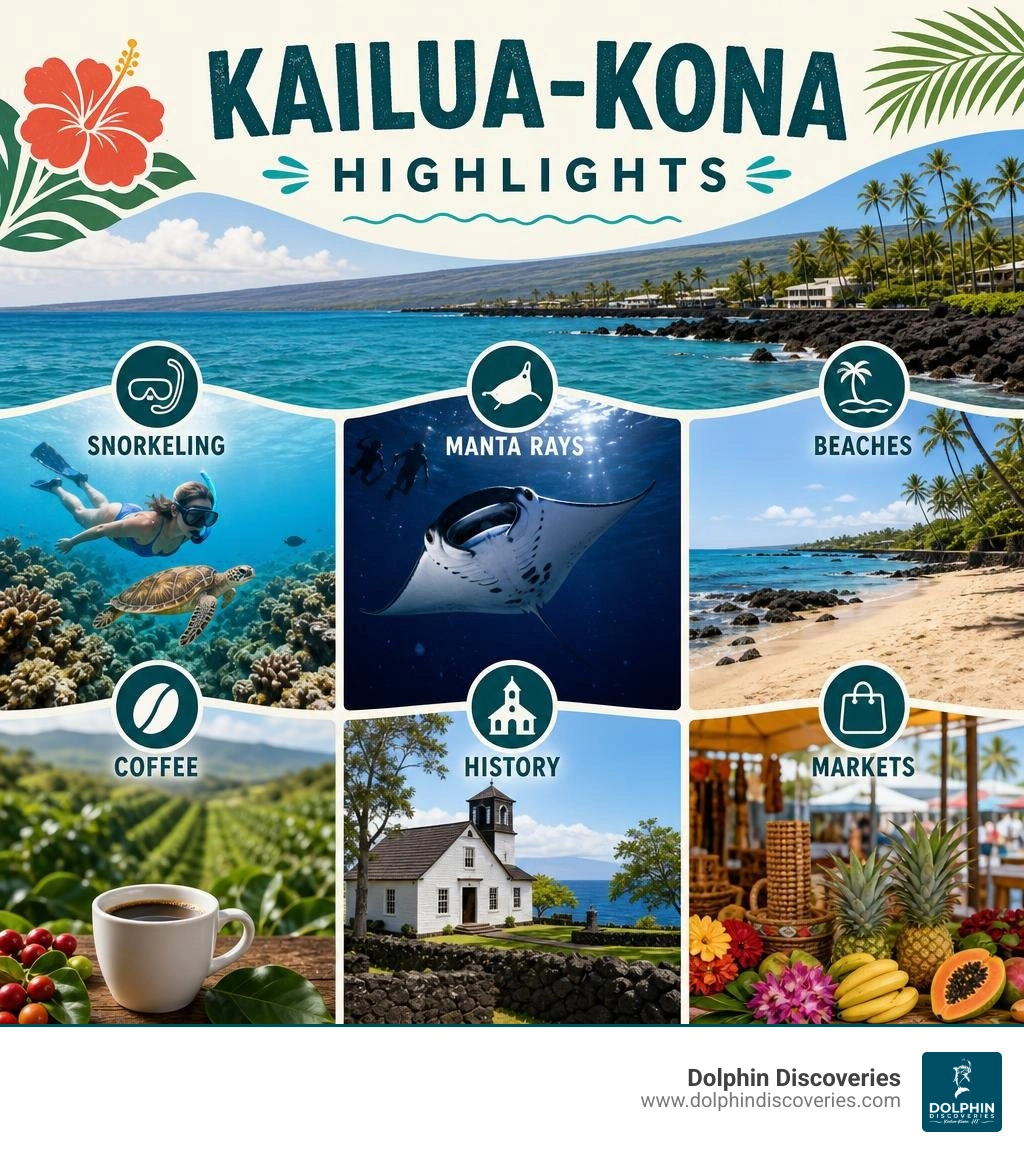
The best things to do in Kailua-Kona combine clear-water snorkeling, a manta ray night snorkel, sunny beach time, Kona coffee farms, and Hawaiian history along the coast. For a well-rounded first visit, plan one ocean tour, one beach day, and time to explore Alii Drive, local markets, or historic sites.
Kailua-Kona is a strong base for the Big Island's dry west side. Temperatures generally stay between 71 and 78 F throughout the year, so swimming, snorkeling, and coastal sightseeing can fit almost any itinerary. The walkable core of town runs for about a mile along Alii Drive, while a rental car makes it much easier to reach beaches, coffee country, and parks farther south or north.
At Dolphin Discoveries, we believe the best Kona days include respect for the reef and the animals that live here. Use reef-safe sunscreen, give wildlife plenty of space, and choose responsible ways to experience the water.
I'm Shelley Carey, and this guide will help you choose the Kona experiences that best fit your time, interests, and comfort level.
Things to do in kailua-kona terms made easy:
Top Ocean Activities and Things to Do in Kailua-Kona
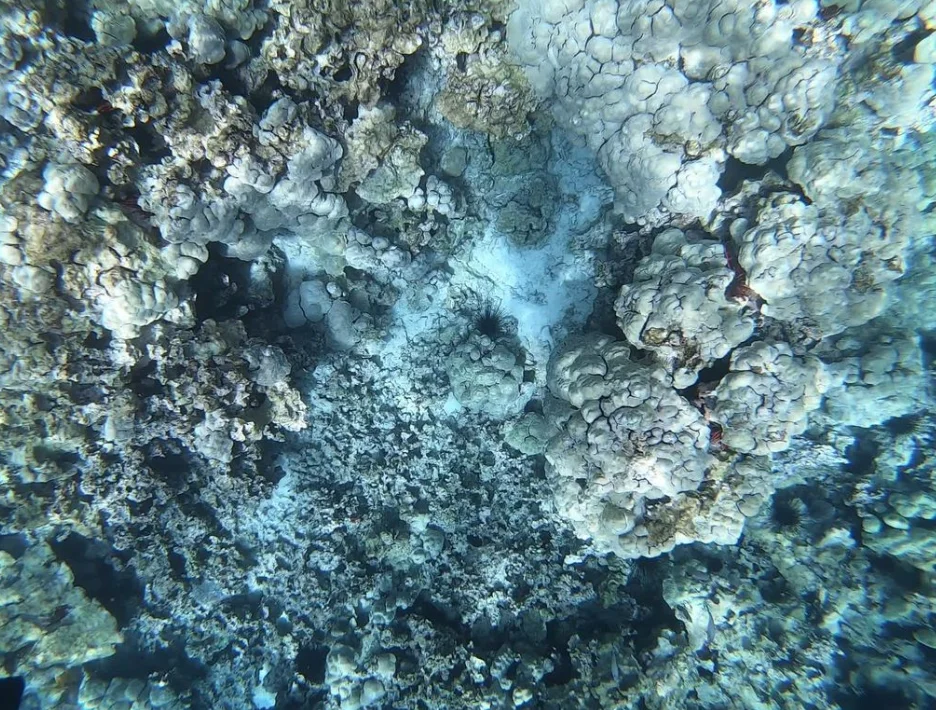
The calm, sun-drenched waters off the leeward Kona Coast create some of the finest marine environments in the Pacific. Shielded from heavy trade winds by the towering peaks of Mauna Kea and Hualālai, our shoreline offers excellent water clarity and an abundance of marine life. If you want a deeper look at water adventures, check out this comprehensive Kona activities overview.
Most offshore excursions depart from Keauhou Bay, located just south of downtown Kailua-Kona. Operating out of Keauhou allows for swift access to rich coral reefs and deep-water drop-offs without lengthy boat transits.
Must-Do Things to Do in Kailua-Kona at Night: Manta Ray Snorkel Tours
Snorkeling with coastal manta rays (Mobula alfredi) at night is often considered one of the most remarkable wildlife encounters in the world. These gentle giants, which boast wingspans reaching up to 12 to 16 feet, possess no stinging barbs, teeth, or venomous spines. They are filter feeders that consume microscopic zooplankton.
Our manta ray night snorkel tour in Kona takes guests just outside Keauhou Bay. High-powered underwater light boards illuminate the water column, attracting dense concentrations of plankton. The mantas arrive to feed, performing slow, graceful backward somersaults mere inches below you while you float comfortably at the surface.
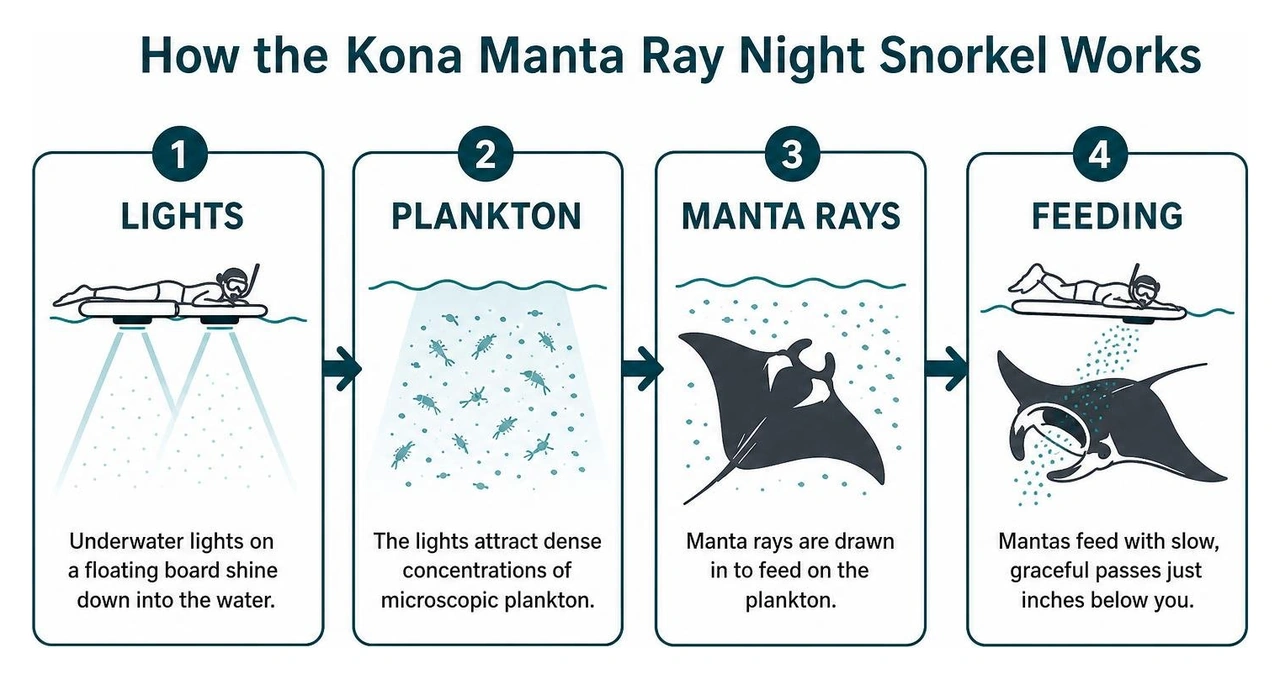
Understanding fascinating manta ray behaviors enriches the experience. Every ray has a unique spot pattern on its ventral (belly) surface, allowing researchers and naturalists to identify individual animals across decades. Ethical viewing is paramount:
- Float flat on the surface using our specialized light board.
- Avoid touching, chasing, or diving down toward the rays, as physical contact can strip away their protective mucous layer.
- Wetsuit tops and sanitized snorkel gear keep you warm and buoyant throughout the night session.
Snorkeling Historic Kealakekua Bay and Captain Cook Monument
Kealakekua Bay is a designated State Marine Life Conservation District that features over 100 feet of underwater visibility and some of the healthiest coral coverage in the Hawaiian archipelago. Because overland access to the Captain Cook Monument involves a steep, exposed 3.8-mile round-trip trek, arriving by boat is the safest and most comfortable way to visit.
Our morning Captain Cook snorkel tour navigates past dramatic sea caves and ancient lava formations before mooring near the historic monument. The bay shelters hundreds of species of reef fish, including yellow tangs, parrotfish, moray eels, and the humuhumunukunukuāpuaʻa (reef triggerfish).
If you want to explore multiple reef environments in one outing, our two-spot Kona snorkel adventures combine Kealakekua Bay with secluded southern coves like Honaunau or protected coastal shelves rich in sea turtles.
Seasonal Whale Watching and Coastal Wildlife Encounters
Every winter between December and April, over 8,000 humpback whales (Megaptera novaeangliae) migrate from their sub-Arctic feeding grounds in Alaska to the warm, shallow waters surrounding the Hawaiian Islands to mate, give birth, and nurse their calves.
Joining a specialized boat for winter whale watching in Kailua-Kona provides an intimate look at surface behaviors, including breaches, tail slaps, and pectoral fin waves. We also lower onboard hydrophones into the sea so you can listen to the haunting, complex melodies of male humpback whale songs. You can review more humpback whale migration facts before your cruise.
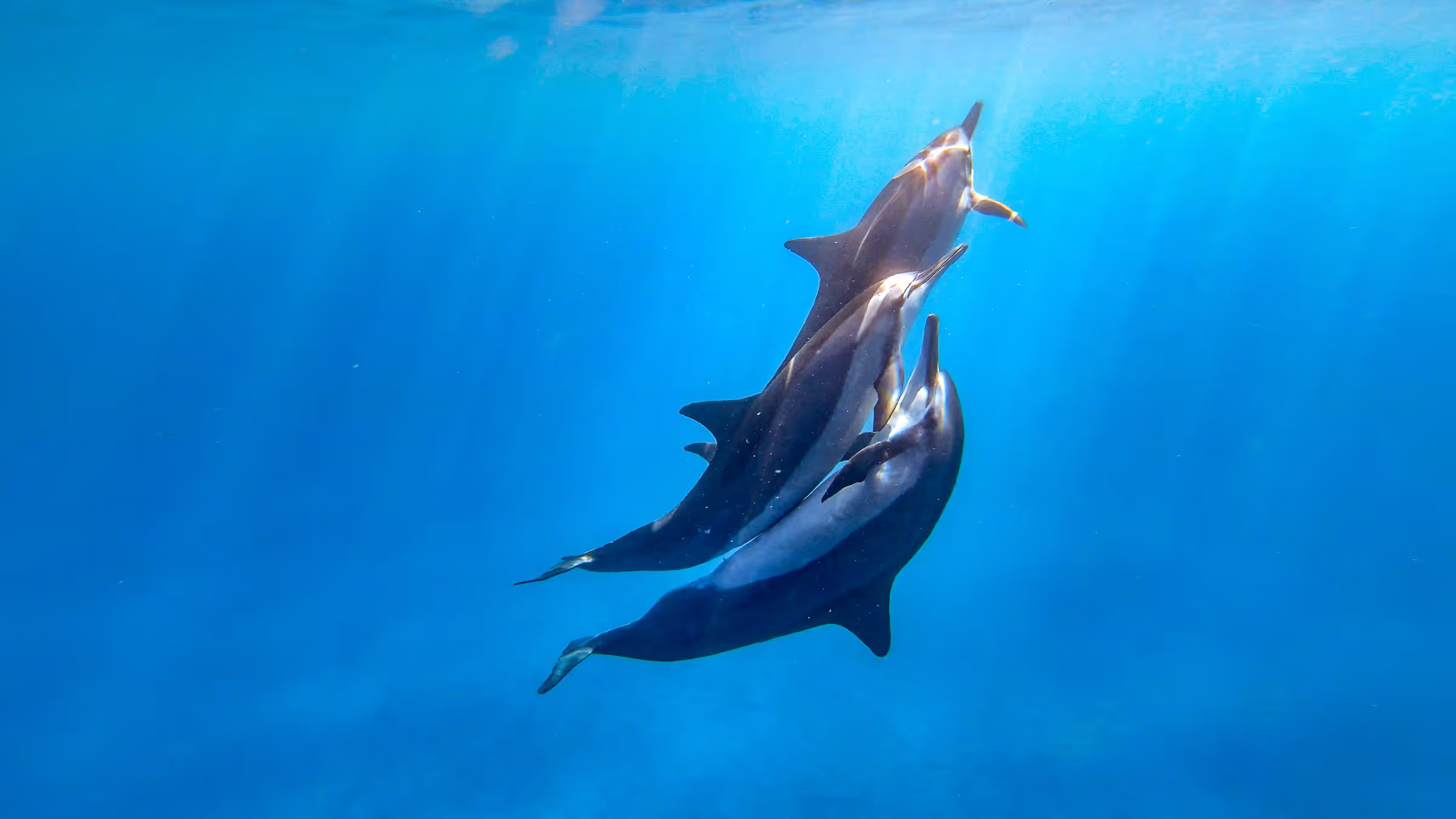
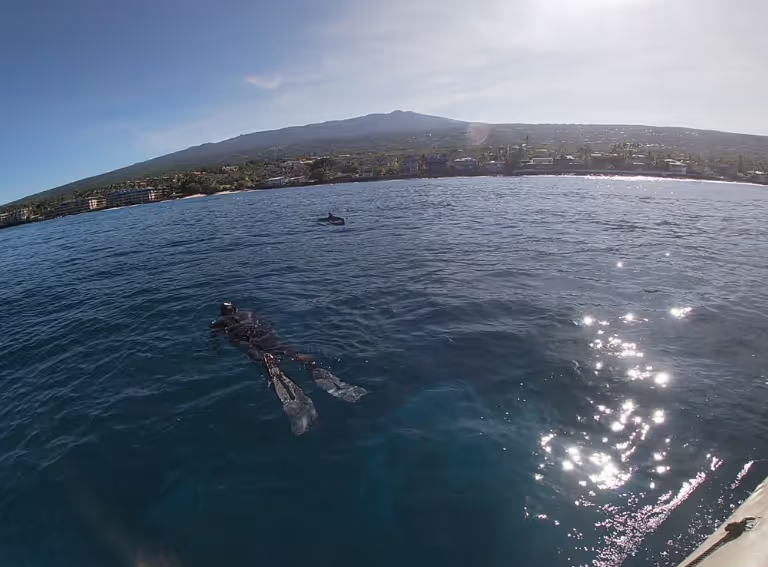
Throughout the rest of the year, Hawaiian spinner dolphins (Stenella longirostris) frequent nearshore bays during morning hours to rest and socialize. Federal regulations prohibit swimming with, approaching, or remaining within 50 yards of spinner dolphins to protect their vital daytime resting cycles. We strictly follow these wild spinner dolphin guidelines on every trip. For families and groups wanting an exclusive itinerary, we offer custom private boat charters along the Kona coast.
Best Beaches in and Around Kailua-Kona
From family-friendly lagoons to remote stretches of white sand bordered by stark black basalt, the beaches along the Kona coastline offer something for every traveler. All ocean access in Hawaii is open to the public below the high-tide line, though some state parks charge non-resident entry fees. Refer to this guide to Big Island beaches and costs for full logistics.
Remember to pack mineral-based sunscreen (active ingredients zinc oxide or titanium dioxide) to comply with state environmental laws protecting coral reefs.
Family-Friendly Beaches: Kahaluʻu and Kamakahonu
- Kahaluʻu Beach Park: Located roughly 5 miles south of downtown Kailua-Kona, Kahaluʻu is a top site for novice snorkelers and families. A natural outer reef break creates a sheltered, calm bay filled with sea turtles (honu) grazing on seaweed. Arrive before 9:00 AM to secure a parking spot in the free public lot.
- Kamakahonu Beach (King Kam Beach): Tucked next to Kailua Pier in downtown Kona, this small cove features gentle, protected water with no heavy surf. It is an ideal spot for toddlers, swimming lessons, and renting stand-up paddleboards. Read through our guide on top Kona activities for families with kids for more family ideas.
Scenic Coastal Havens: Kua Bay, Magic Sands, and Makalawena
- Maniniʻōwali Beach (Kua Bay): Part of Kekaha Kai State Park north of the airport, Kua Bay boasts bright turquoise water and powdery white sand. As of January 2026, non-residents pay $5 per person entry plus a $10 vehicle parking fee via cashless kiosks. The shorebreak can get powerful, so watch ocean conditions closely.
- Magic Sands Beach (Laʻaloa Beach Park): Situated along Aliʻi Drive, this beach earned its nickname because strong winter surf pulls the sand offshore, exposing underlying lava rock, before returning it in spring and summer. It is a historic hub for bodyboarding, a sport popularized along this coast in the early 1970s.
- Makalawena Beach: Also inside Kekaha Kai State Park, "Maks" requires either a 4x4 vehicle or a 20-minute hike across an unshaded rough lava trail. The reward is an uncrowded crescent of white sand, natural sand dunes, and calm swimming coves.
Historic and Cultural Things to Do in Kailua-Kona
Kailua-Kona is steeped in royal history. It served as the seat of government when King Kamehameha I united the Hawaiian Islands in 1810 and remained a favorite residence for Hawaiian royalty throughout the 19th century. If you appreciate heritage, explore these Big Island must-see cultural attractions.
Ancient Sacred Sites and Temples
- Puʻuhonua o Hōnaunau National Historical Park: Located south of Kealakekua, this 180-acre sacred site served as a sanctuary (city of refuge) for ancient lawbreakers and defeated warriors. Take a self-guided walk past reconstructed thatched hales, ancient royal fishponds, and intricately carved wooden kiʻi guarding the sacred heiau (temple).
- Kaloko-Honokōhau National Historical Park: Situated just north of Kailua-Kona, this coastal park showcases traditional Hawaiian engineering, featuring massive stone fishponds (loko iʻa), petroglyph fields, and wetlands frequented by native waterbirds.
Royal Landmarks Along Aliʻi Drive
- Huliheʻe Palace: Located along the waterfront on Aliʻi Drive, this elegant two-story lava rock and coral mortar palace served as a summer retreat for Hawaiian monarchs like King Kalākaua and Queen Kapiʻolani. It now functions as a museum displaying royal artifacts and historic koa furniture.
- Mokuaikaua Church: Standing directly across from Huliheʻe Palace, Mokuaikaua was completed in 1837 as the first Christian church established in the Hawaiian Islands. Its walls incorporate mortared lava stones and interior beams made from hand-hewn ʻōhiʻa timbers.
For more downtown historical sights, browse our list of top historic attractions in Kailua-Kona.
Kona Coffee Farms, Local Markets, and Culinary Hotspots
The unique microclimate of western Hawaii—rich volcanic soil, morning sun, afternoon cloud cover, and gentle slope rains—makes the slopes of Hualālai and Mauna Loa world-famous for growing coffee.
Touring Upland Kona Coffee Plantations
The Kona Coffee Belt is a narrow agricultural strip stretching between 700 and 2,400 feet in elevation along Highway 180 and Highway 11.
- Greenwell Farms (Kealakekua): One of the oldest operating coffee estates in Hawaii, offering complimentary 45-minute walking tours of the orchards and processing facilities, complete with free tastings.
- Mountain Thunder Coffee Plantation (Kaloko Cloud Forest): Perched high in the cloud forest, providing free self-guided and guided tours of their organic mill and roasting room.
- Holualoa Village: A charming historic artist community in the uplands filled with art galleries, pottery studios, and small family coffee estates.
Farmers Markets, Local Shopping, and Craft Brews
- Kona Farmers and Crafts Market: Open Wednesday through Sunday (7:00 AM to 4:00 PM) in downtown Kailua-Kona, featuring local papayas, mangoes, apple bananas, macadamia nuts, handmade jewelry, and authentic Kona coffee beans.
- Keauhou Farmers Market: Held every Saturday morning (8:00 AM to noon) at the Keauhou Shopping Center, highlighting 100% locally grown Big Island produce, baked goods, and island honey.
- Kona Brewing Company: A great open-air brewpub downtown serving handcrafted beers like Big Wave Golden Ale and Longboard Island Lager alongside fresh island pizzas.
- Local Poke Spots: Sample fresh ahi poke at local favorites like Da Poke Shack (near Magic Sands) or Umekes Fishmarket Bar & Grill.
Check out our curated Kailua-Kona travel tips for more dining and shopping ideas.
Essential Kailua-Kona Trip Planning Guide
Planning a trip to the Big Island requires understanding the geographical differences between the dry, sunny west coast (Kona) and the lush, rain-fed east coast (Hilo).
| Feature | Kailua-Kona (West Side) | Hilo (East Side) |
|---|---|---|
| Annual Rainfall | ~27–40 inches (approx. 20 rainy days/year) | ~120–140 inches per year |
| Primary Attractions | Coral reef snorkeling, manta ray night tours, sunny beaches, coffee farms | Waterfalls, botanical gardens, Hawaii Volcanoes National Park access |
| Ocean Conditions | Calm, clear waters sheltered from trade winds | Rougher surf, rugged coastal bluffs, black sand bays |
| Sunshine Levels | ~300 sunny days per year | Frequent tropical rain showers and cloud cover |
Before packing, review our essential pre-trip guide for Kona travelers for checklists on gear, motion sickness prep, and reef protection.
Getting Around Kona: Car Rentals, Parking, and Walkability
While the central downtown corridor along Aliʻi Drive (between the Kailua Pier and Royal Kona Resort) is easily walkable, public transit across the island is limited. Renting a car from Kona International Airport (KOA)—a short 15-minute drive north of town—is strongly advised if you plan to visit upcountry coffee farms, remote northern beaches, or Volcanoes National Park (which is roughly a 2.5 to 3-hour drive from Kona).
Downtown parking includes free public lots near the Old Airport Beach Park and paid parking lots along Aliʻi Drive.
Best Time to Visit and Where to Stay
- Winter (December to March): Ideal for humpback whale watching and escaping mainland cold; expect larger crowds and peak holiday pricing.
- Shoulder Seasons (April to May & September to November): Warmest ocean temperatures, calm waters for snorkeling, fewer visitors, and lower accommodation rates.
- Where to Stay: Choose downtown Kailua-Kona for walkable dining and nightlife, Keauhou for quiet oceanfront condos near the boat harbor, or the Kohala Coast (40 minutes north) for upscale luxury resorts.
Frequently Asked Questions About Kailua-Kona
How many days should I spend in Kailua-Kona?
We recommend spending at least 3 to 5 days in Kailua-Kona. This gives you ample time to book an offshore snorkel tour and a manta ray night trip, spend a dedicated day beach-hopping along the Kohala coast, explore the upcountry coffee farms, and take an optional day trip to Hawaii Volcanoes National Park.
Do I need a rental car in Kailua-Kona?
Yes, a rental car is highly recommended. Although you can walk around downtown Aliʻi Drive or use rideshare services for short hops, having a car is essential for reaching scenic beaches like Kua Bay, driving into the coffee-growing region of Holualoa, and exploring the broader Big Island.
How does Kailua-Kona compare to Hilo?
Kailua-Kona is significantly drier and sunnier, making it the primary hub for ocean activities, snorkeling, diving, and beach resort stays. Hilo is much wetter and greener, serving as a peaceful base for exploring rainforests, waterfalls (like ʻAkaka Falls), and the active volcanic landscapes of Kīlauea. Many travelers split their stay between both sides.
Conclusion
From vibrant coral gardens and historic Hawaiian sanctuaries to aromatic coffee plantations and world-renowned night manta ray encounters, Kailua-Kona offers a rich blend of natural wonders and cultural heritage.
As a locally operated, woman- and veteran-owned small-group tour company, Dolphin Discoveries is dedicated to showcasing Kona's marine ecosystems through ethical, naturalist-guided adventures on fast, comfortable vessels.
When you are ready to explore the coastline, read our guest reviews or browse through all of our ocean snorkel and wildlife tours to start planning your time on the water with us.