

What to Know Before Visiting Honaunau Bay National Park
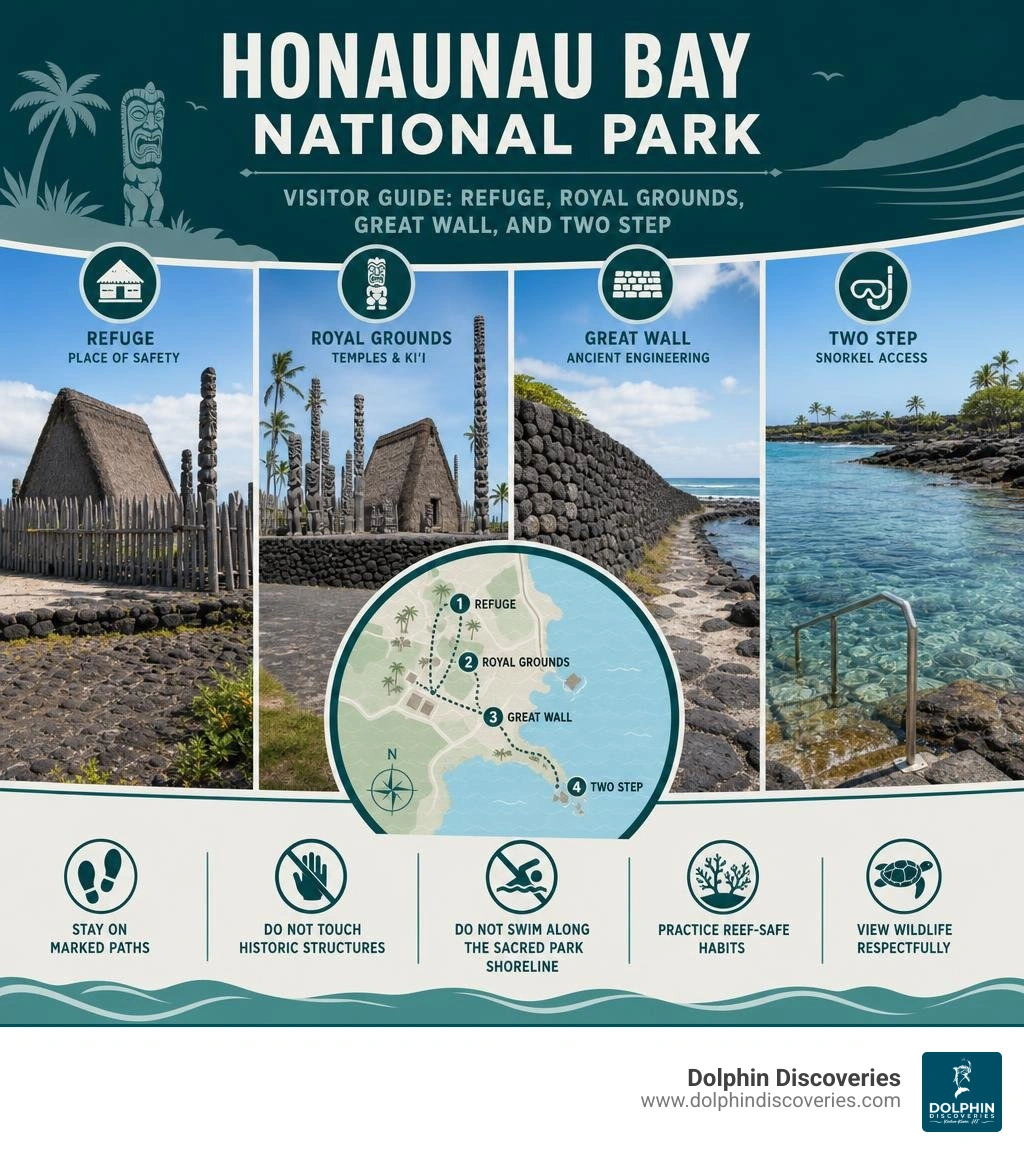
Honaunau Bay National Park is commonly used to describe the area around Puʻuhonua o Hōnaunau National Historical Park, a sacred South Kona site beside Hōnaunau Bay. Start with the park's royal grounds, temples, and Place of Refuge, then visit nearby Two Step separately if you plan to snorkel.
This is not just a scenic coastal stop. Ancient Hawaiians came here seeking safety after breaking kapu laws or being defeated in battle. Today, visitors can walk past the reconstructed Hale o Keawe heiau, carved kiʻi, fishponds, and the massive dry-stacked Great Wall.
Please treat the grounds as a living cultural place: stay on marked paths, do not touch historic structures, and do not swim along the sacred park shoreline. Snorkeling access is adjacent to the park at Hōnaunau Bay's Two Step area, where reef-safe habits and respectful wildlife viewing matter.
I'm Shelley Carey, and next I'll explain the history and sacred traditions that make this shoreline so important.
Honaunau bay national park terms to learn:
History and Sacred Traditions of the Puʻuhonua
History and Sacred Kapu System at Honaunau Bay National Park
In ancient Hawaii, life was governed by the strict, intricate legal and religious framework known as the kapu system. These laws maintained spiritual balance and social order across every tier of island society. Kapu dictated everything from who could eat certain foods to fishing schedules and interactions between commoners and the ruling aliʻi (chiefs). For example, a commoner whose shadow accidentally crossed the path of a high chief or the royal grounds could be sentenced to immediate death.
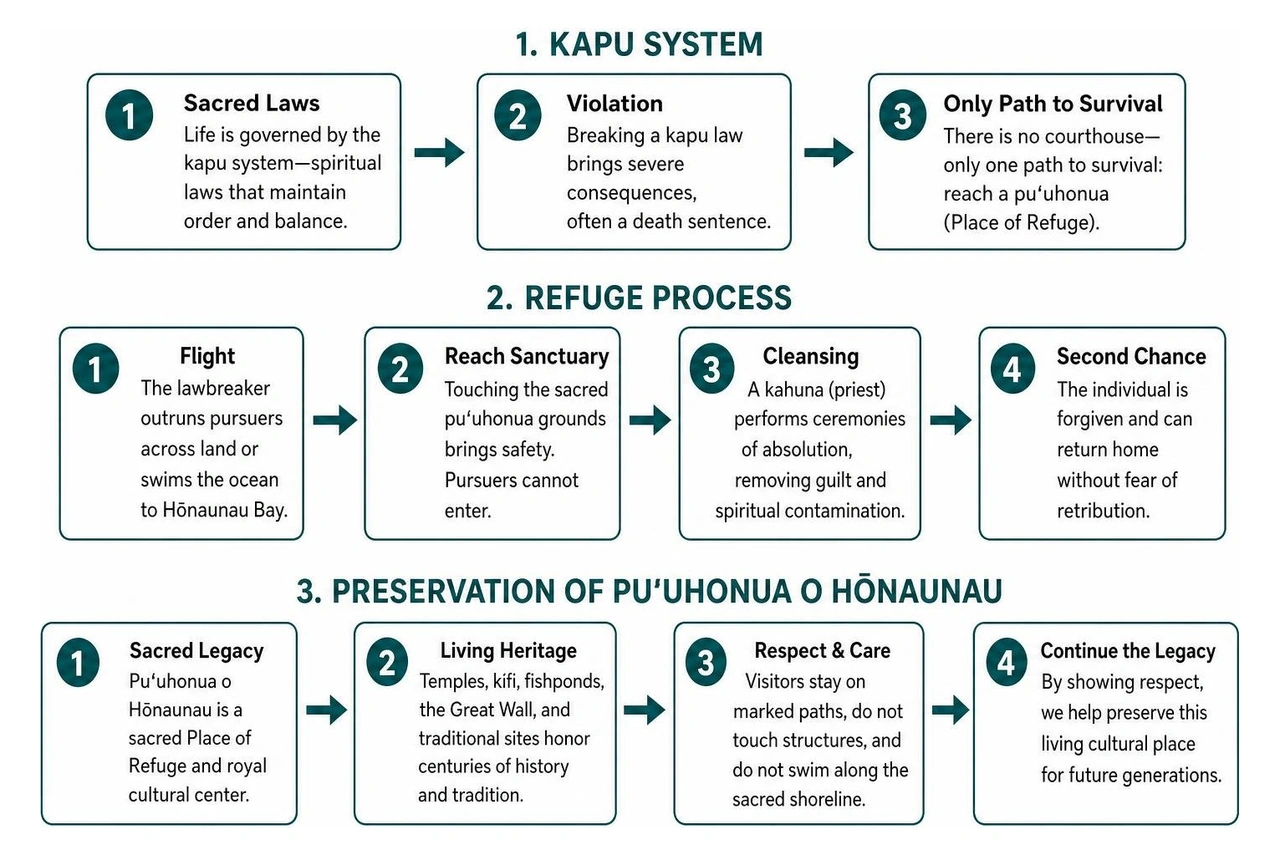
Breaking a sacred law was not resolved in a courthouse. In this society, there was only one path to survival: reaching a sacred sanctuary known as a puʻuhonua.
When an individual violated a kapu, their life depended entirely on physical endurance. Pursuers would give chase, and the offender would have to outrun them across rough volcanic terrain or brave turbulent ocean currents to swim into Hōnaunau Bay. If the lawbreaker managed to touch the sacred sanctuary grounds before being caught, pursuers were forbidden by divine law from entering.
Inside this haven, protected by Lono—the Hawaiian god of life, agriculture, and peace—the offender sought an audience with a kahuna (priest). The kahuna performed formal ceremonies of absolution, freeing the individual from guilt and spiritual contamination. Once cleansed, the person was granted a second chance and could safely return home to their community without fear of retribution.
Beyond serving lawbreakers, the puʻuhonua was a critical wartime haven. During violent conflicts between warring island factions, defeated warriors, non-combatant elders, women, and children could take shelter behind its protective boundaries. Puʻuhonua o Hōnaunau National Historical Park preserves more than 700 years of this unique spiritual sanctuary. To dive deeper into the surrounding shoreline's geography, read our full guide about Honaunau Bay.
Hale o Keawe and the Great Wall
The spiritual power that sustained this sacred refuge was intimately connected to royal ancestry and ancestral mana (divine spiritual energy). At the heart of this sanctuary stood Hale o Keawe, an ancient heiau (temple) originally built around 1650 AD by Kanuha for Chief Keaweʻīkekahialiʻiokamoku, the great-grandfather of King Kamehameha I.
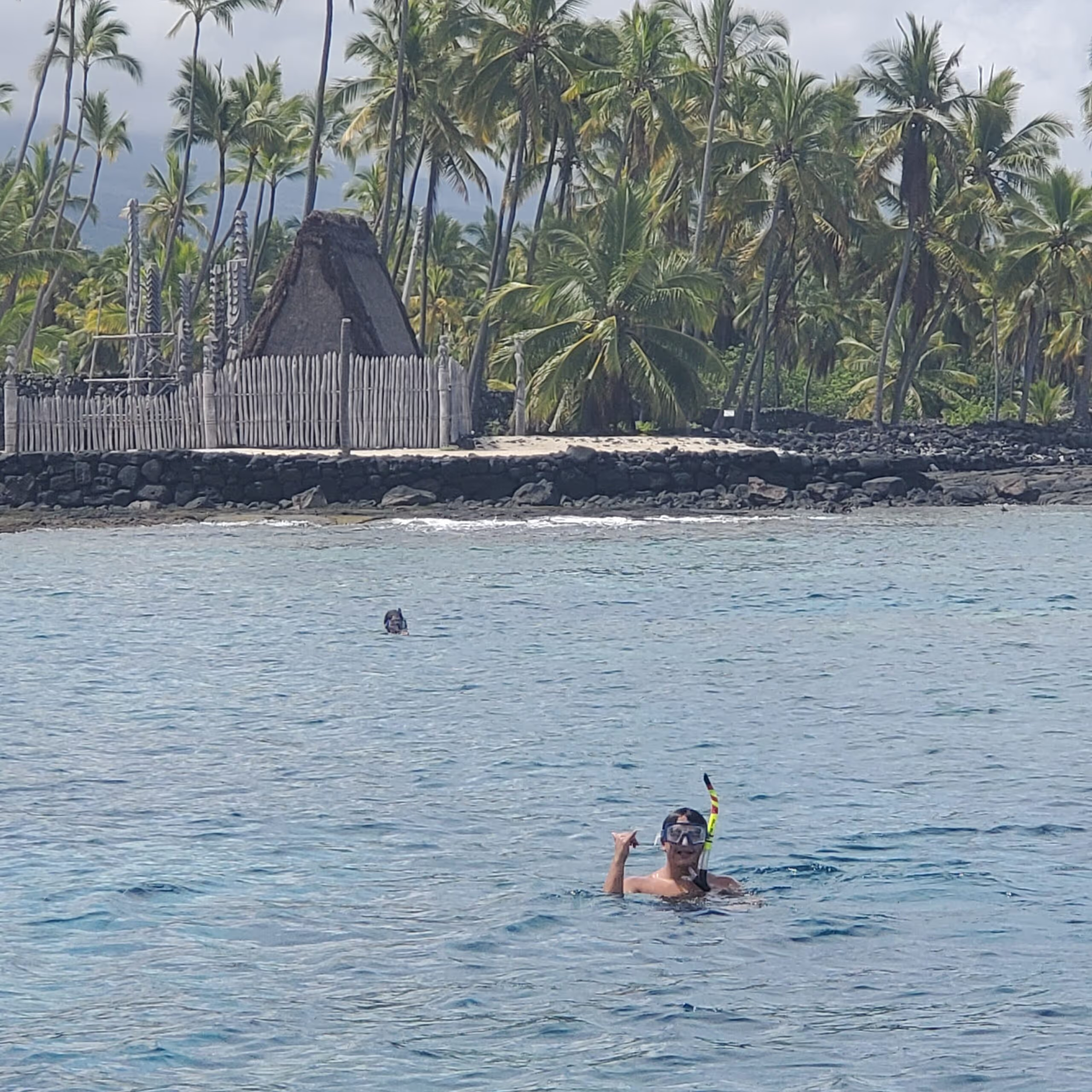
Hale o Keawe served as a royal mausoleum holding the consecrated bones of 23 high-ranking aliʻi. In ancient Hawaiian belief, the physical remains of powerful chiefs retained immense mana after death. This concentrated spiritual energy infused the surrounding land, creating an impenetrable aura of sanctity where no blood could ever be shed.
The heiau survived the initial 1819 abolition of the kapu system under King Kamehameha II. While many traditional temples across the islands were dismantled, Hale o Keawe remained intact for another decade. In 1829, High Chiefess Kapiʻolani protected the sacred royal remains by having them carefully moved and hidden in the dramatic cliffs above Kealakekua Bay before the wooden superstructure was taken down.
Separating the sacred refuge from the secular Royal Grounds is the imposing Great Wall, known historically as Pā Puʻuhonua. Built around 1550 using uhua humu pōhaku—an ancient Hawaiian masonry technique of dry-stacking unmodified basalt stones without mortar—the wall measures up to 12 feet tall, 18 feet thick, and 965 feet long. More than 80% of the original masonry remained standing when the National Park Service began careful stabilization efforts in the 1960s.
Beyond the main complex, visitors can follow the historic 1871 Trail, an ancient coastal corridor later widened for pack animals that leads to the abandoned ruins of Kiʻilae Village. This coastal settlement was continuously inhabited until 1926, offering rare archeological insights into the transition from ancient Hawaiian life to modern times.
Exploring Key Landmarks in Honaunau Bay National Park
Sacred Heiau, Kiʻi Carvings, and Royal Grounds
Puʻuhonua o Hōnaunau spans 420 acres of protected coastline, featuring an extraordinary concentration of archeological features. As you walk the designated self-guided trail, several landmark sites illustrate how Hawaiian royalty lived, governed, and honored their ancestors.
- ʻĀleʻaleʻa Heiau: Predating Hale o Keawe, this massive stone platform served as the central temple of the puʻuhonua for generations before Hale o Keawe was constructed.
- Carved Kiʻi Statues: Towering wooden carvings guard the palisade surrounding Hale o Keawe. These hand-carved representations of Hawaiian ancestral deities gaze out across the ocean, keeping watch over the sacred compound.
- Keoneʻele Cove: This protected inlet served as the royal canoe landing. In ancient times, only the aliʻi were permitted to bring their outrigger canoes ashore here, and stepping into this cove without royal blood was strictly kapu.
- Keōua Stone: A massive basalt rock named after Keōua Kalanikupuapaʻīkalaninui, the father of Kamehameha the Great. Legend holds that this great chief slept on the stone while his guards watched over him.
- Traditional Hālau and Kōnane Papamū: Preserved and reconstructed thatched open-air structures (hālau) demonstrate traditional canoe-building and tool-crafting spaces. Nearby, you will spot smooth stone slabs etched with depressions for kōnane, an ancient Hawaiian strategy game similar to checkers.
The park is an essential stop among classic Kona Hawaii attractions, offering an unhurried, tangible look into pre-contact culture. You can read detailed archival perspectives on the site via the Hawai'i Island: Pu'uhonua o Honaunau National Historical Park overview.
Coastal Trails and Ancient Village Ruins
For travelers who enjoy walking among open lava landscapes, the park features access to a coastal segment of the Ala Kahakai National Historic Trail corridor. The 1871 Trail winds south along the shoreline, passing dramatic basalt tide pools, anchialine pools (brackish landlocked pools influenced by ocean tides), and native coastal vegetation.
Along the trail, sharp eyes might spot wild goats grazing among the lava rocks, as well as the steep stone ramps of ancient hōlua slides. Hawaiian chiefs raced down these extreme stone tracks on narrow wooden sleds (papa hōlua) at high speeds—an ancient sport reserved exclusively for the aliʻi.
| Feature / Aspect | Self-Guided Royal Grounds Walk | 1871 Trail to Kiʻilae Village Hike |
|---|---|---|
| Distance | 0.5 miles round trip | ~2.0 miles round trip |
| Typical Duration | 45–60 minutes | 1.5–2 hours |
| Terrain | Flat crushed coral, packed dirt, and sand | Rough, uneven pāhoehoe and ʻaʻā lava |
| Key Highlights | Hale o Keawe heiau, Great Wall, Kiʻi, royal fishponds | Kiʻilae Village ruins, hōlua slides, anchialine pools |
| Sun Exposure | High (sparse palm shade) | Direct, full sun exposure (no shade) |
| Footwear Needed | Comfortable walking shoes or sturdy sandals | Closed-toe athletic shoes or hiking boots |
Snorkeling, Marine Wildlife, and Nearby Coastal Adventures
Two Step Snorkeling and Protected Marine Life
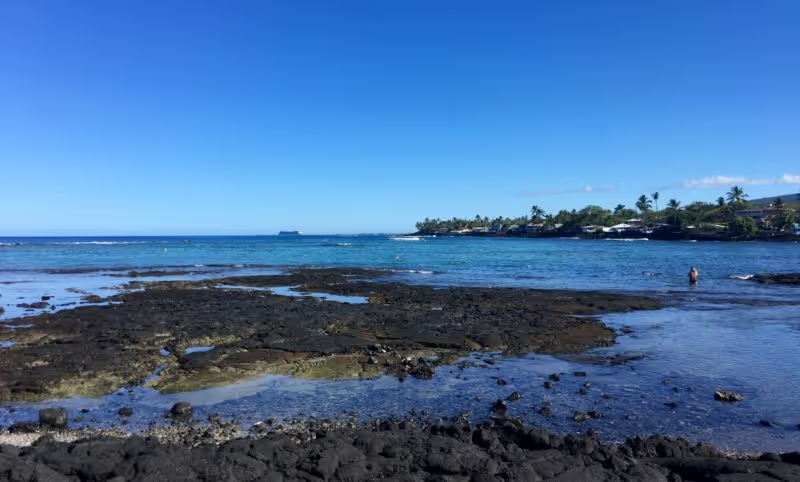
While the sacred waters directly fronting the national historical park are strictly closed to ocean recreation, world-class snorkeling is located immediately adjacent to the park boundary at Hōnaunau Bay's famous entry point known as Honaunau Bay Two Step.
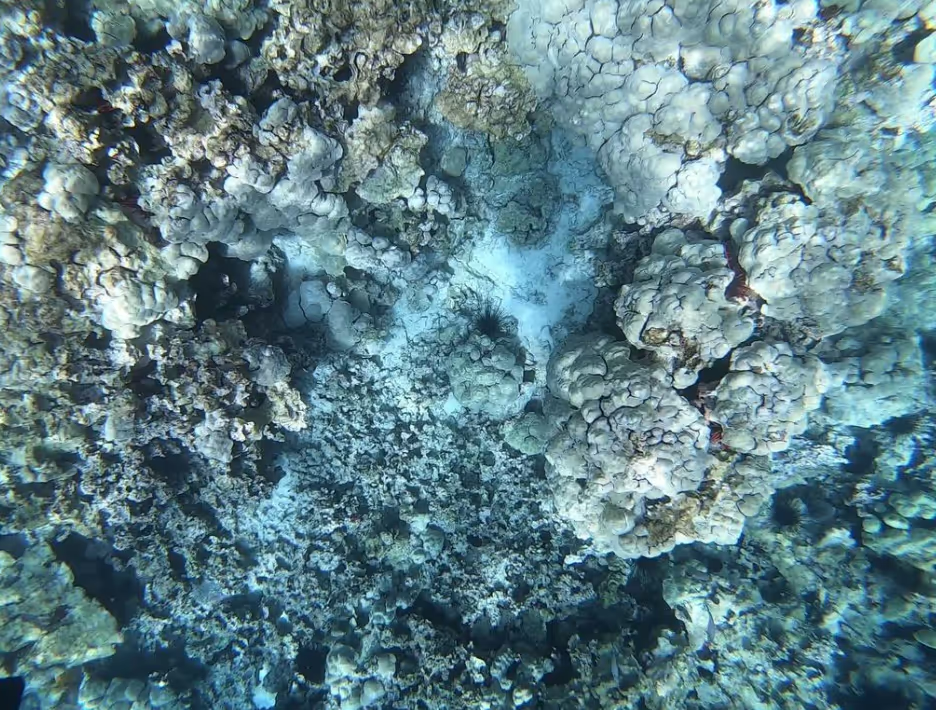
Named for the natural flat volcanic rock shelves that form natural steps into deep, clear water, Two Step offers effortless access to one of the most vibrant coral reef ecosystems in Hawaii. The water drops quickly into depths ranging from 15 to 40 feet, providing exceptional underwater visibility that often exceeds 100 feet.
When exploring these waters, snorkelers frequently encounter diverse marine life:
- Honu (Hawaiian Green Sea Turtles): These majestic reptiles feed on algae along the volcanic shelf and often haul out on the warm black lava platforms of Keoneʻele Cove to rest. By federal and state law, keep a respectful distance of at least 10 feet (3 meters) from resting turtles.
- Hawaiian Spinner Dolphins (Stenella longirostris): Pods of spinner dolphins frequently enter South Kona bays during daylight hours to rest, nurse calves, and avoid offshore predators after hunting squid and lanternfish at night. Federal regulations strictly prohibit approaching or swimming within 50 yards of spinner dolphins in Hawaii's coastal waters.
- Tropical Reef Species: Dense colonies of finger coral, lobe coral, and cauliflower coral host yellow tang, parrotfish (uhu), raccoon butterflyfish, triggerfish (humuhumunukunukuāpuaʻa), and moray eels.
Protecting these delicate reefs requires conscious care. Always wear mineral, non-nano zinc oxide sunscreen, avoid kicking or standing on live corals, and observe all wildlife ethically without crowding or chasing animals.
Exploring South Kona and Kealakekua Bay by Boat
Exploring South Kona by water provides an unforgettable vantage point that land-based travel simply cannot match. The dramatic volcanic sea cliffs, ancient lava tubes, and historic bays of the Kona coast tell a story millions of years in the making.
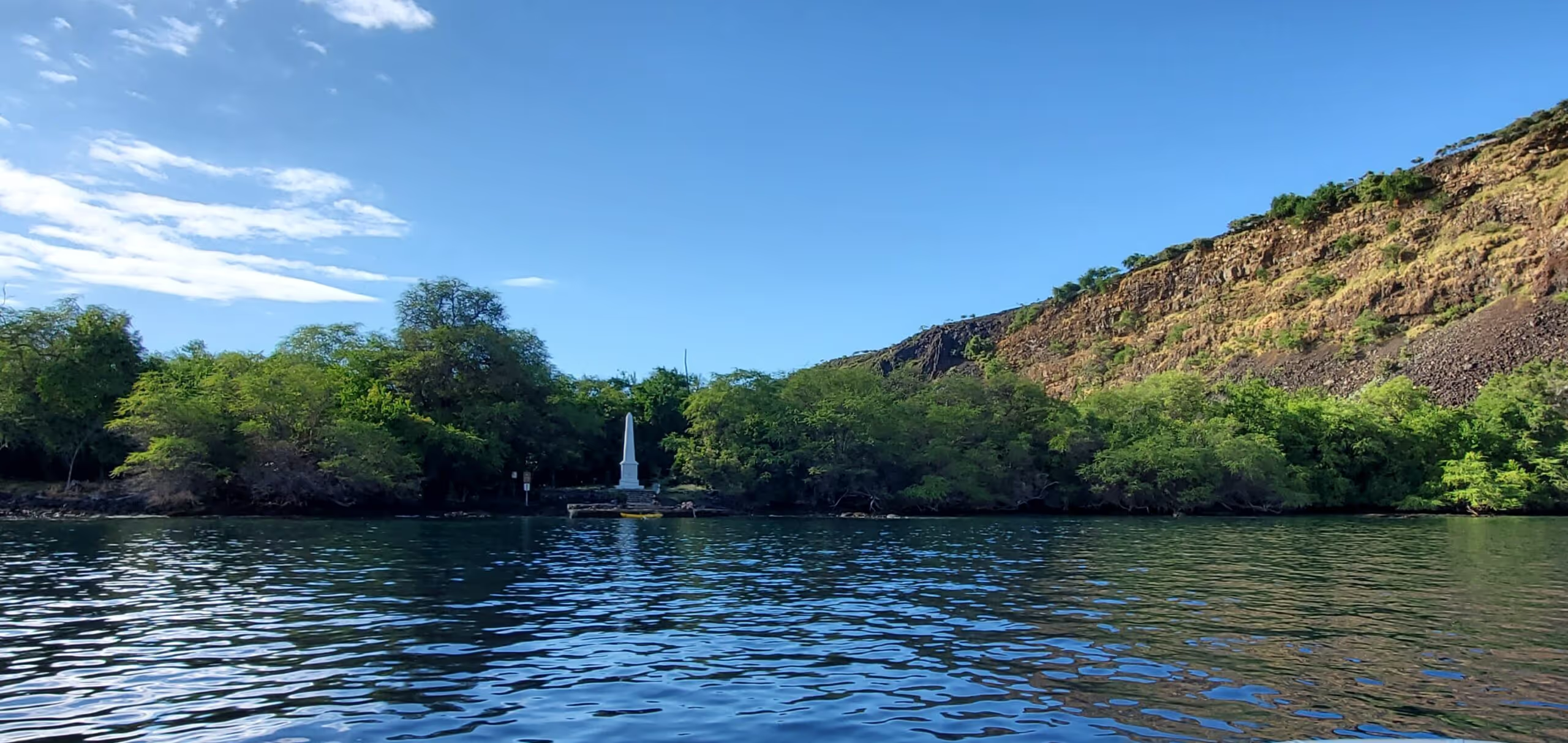
Kealakekua Bay, located just a short boat ride north of Hōnaunau, is a designated State Marine Life Conservation District. Known as the site of the Captain Cook Monument and framed by sheer sea cliffs formed by massive prehistoric landslides, it offers some of the densest and healthiest coral gardens on the Big Island.
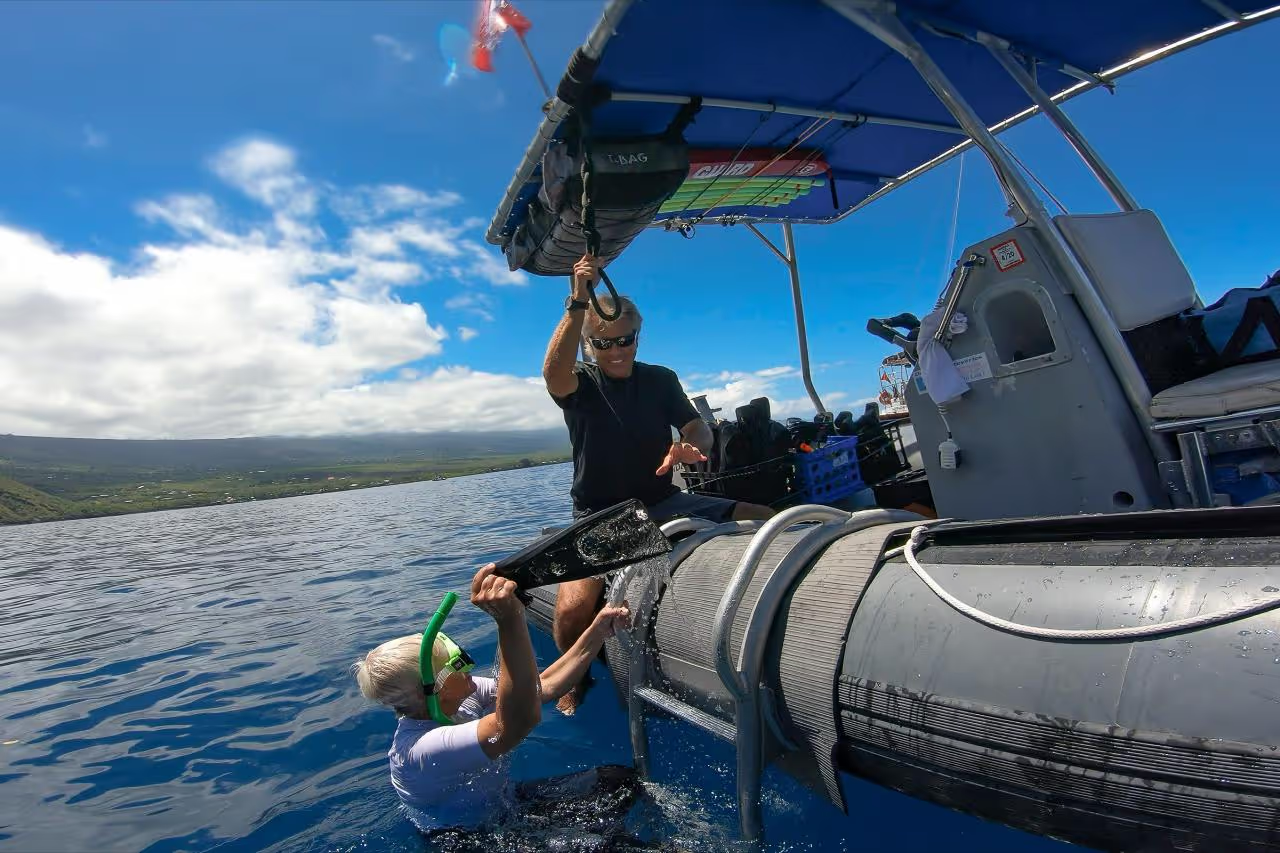
For guests who want to maximize their time in the water, joining a guided boat charter allows you to reach remote marine sanctuaries comfortably while learning from passionate naturalist guides. Our Captain Cook Snorkel Tour takes you directly to the protected waters of Kealakekua Bay, while our Kona Snorkel Tour - Two Snorkeling Spots pairs multiple top-tier reef locations along the Kona coast in a single well-paced morning adventure.
Practical Visitor Information and Travel Tips
Operating Hours, Fees, and Guidelines
Planning ahead ensures a smooth visit to the national historical park. The park grounds are open daily from 8:15 AM to 7:15 PM, giving visitors ample time to explore during cooler morning hours or catch a spectacular South Kona sunset across the lava flats. The open-air visitor center operates daily from 8:30 AM to 4:30 PM.
- Entrance Fees: Park admission is $20 per private non-commercial vehicle (valid for 7 consecutive days), $15 per motorcycle, or $10 for pedestrians and bicyclists.
- Cashless Payments: The park entrance station is entirely cashless; be prepared to pay via credit or debit card.
- Interagency Passes: The park honors America the Beautiful National Park Passes and the Hawaiʻi Tri-Park Pass ($55), which includes entry to Hawaiʻi Volcanoes National Park and Haleakalā National Park on Maui.
For current alerts, ranger-led presentation schedules, and educational exhibits, consult the official Puʻuhonua o Hōnaunau National Historical Park (U.S. National Park Service) website. Before packing your day bag for South Kona excursions, you can also review our team's Know Before You Go preparation guide.
Best Time to Visit and Cultural Etiquette
The open lava flats of South Kona absorb substantial solar heat throughout the day, with midday temperatures regularly reaching into the high 80s and 90s Fahrenheit. The best time to tour the park is during the morning hours (between 8:15 AM and 10:30 AM) when winds are gentle, crowds are smaller, and temperatures remain comfortable.
Because the park is an active, sacred cultural site (wahi pana), visitors should observe strict cultural protocols:
- Respect Sacred Spaces: Never climb on, move, or sit atop dry-stacked rock walls, stone temple platforms (heiau), or wooden kiʻi statues.
- Stay on Marked Paths: Walking off-trail risks damaging fragile archeological remains, hidden lava tubes, and native coastal plants.
- No Swimming or Sunbathing Inside Park Boundaries: The shoreline fronting the sanctuary is sacred ground. Picnicking, sunbathing in swimwear, and swimming are strictly prohibited within the park. Use Two Step or nearby public beach parks for ocean recreation.
- Sun and Hydration Gear: Bring a wide-brimmed sun hat, polarized sunglasses, a refillable water bottle, and sturdy footwear suitable for walking over crushed coral and lava rock.
For travelers building out a multi-day itinerary across West Hawaii, pairing a morning cultural tour of Hōnaunau with other classic Things to Do in Kailua Kona makes for a rewarding island adventure.
Frequently Asked Questions About Visiting Puʻuhonua o Hōnaunau
Can you swim or snorkel inside the national park?
No. Swimming, snorkeling, surfing, and sunbathing are strictly prohibited along the sacred shoreline and inside the waters fronting Puʻuhonua o Hōnaunau National Historical Park. This rule preserves both the spiritual sanctity of the temple grounds and the fragile marine habitat of Keoneʻele Cove, where green sea turtles regularly rest.
If you plan to snorkel, head to Two Step, located just a few hundred yards north along the public access road. For detailed guidance on ocean entry points and marine conditions, read our complete guide to Honaunau Bay Snorkeling.
How much does admission cost and what are the park hours?
The vehicle entry fee is $20 per private vehicle, covering all passengers for 7 consecutive days. Individual entry for pedestrians or cyclists is $10. The park grounds open daily at 8:15 AM and close at 7:15 PM, while the visitor center is open from 8:30 AM to 4:30 PM.
The National Park Service also hosts several fee-free days throughout the calendar year, including Martin Luther King Jr. Day, the first day of National Park Week, Great American Outdoors Day, National Public Lands Day, and Veterans Day.
What was the historical purpose of the Place of Refuge?
In ancient Hawaii, the puʻuhonua served as a designated spiritual sanctuary where individuals who violated strict cultural laws (kapu)—crimes that otherwise carried an immediate death penalty—could escape their pursuers. Once inside the sanctuary boundaries, a kahuna performed a formal purification ceremony that absolved the offender of guilt. Defeated warriors and non-combatants also used the sanctuary as a safe haven during wartime.
Conclusion
Puʻuhonua o Hōnaunau stands as one of the most culturally significant and beautifully preserved historical landmarks in the Hawaiian Islands. Walking through its towering coconut groves, gazing up at hand-carved kiʻi, and tracing the ancient stones of the Great Wall connects you directly to the rich traditions of the Kona coast.
Pairing a morning of cultural discovery on land with an ethical ocean exploration offshore is the ultimate way to experience the natural beauty of the Big Island. As a local, woman- and veteran-owned small-group tour operator operating out of Keauhou Bay, our team at Dolphin Discoveries is dedicated to sharing Hawaii’s incredible marine world through intimate, naturalist-guided boat trips that prioritize reef conservation and respectful wildlife viewing.
Whether you want to snorkel pristine coral gardens, watch seasonal humpback whales breach along the coastline, or reserve a fully customized Kona Private Boat Tour for your family, we would love to welcome you aboard. Explore our daily tour schedules and let us share the wonders of South Kona with you!