

Book Kona Snorkel Trips With Confidence
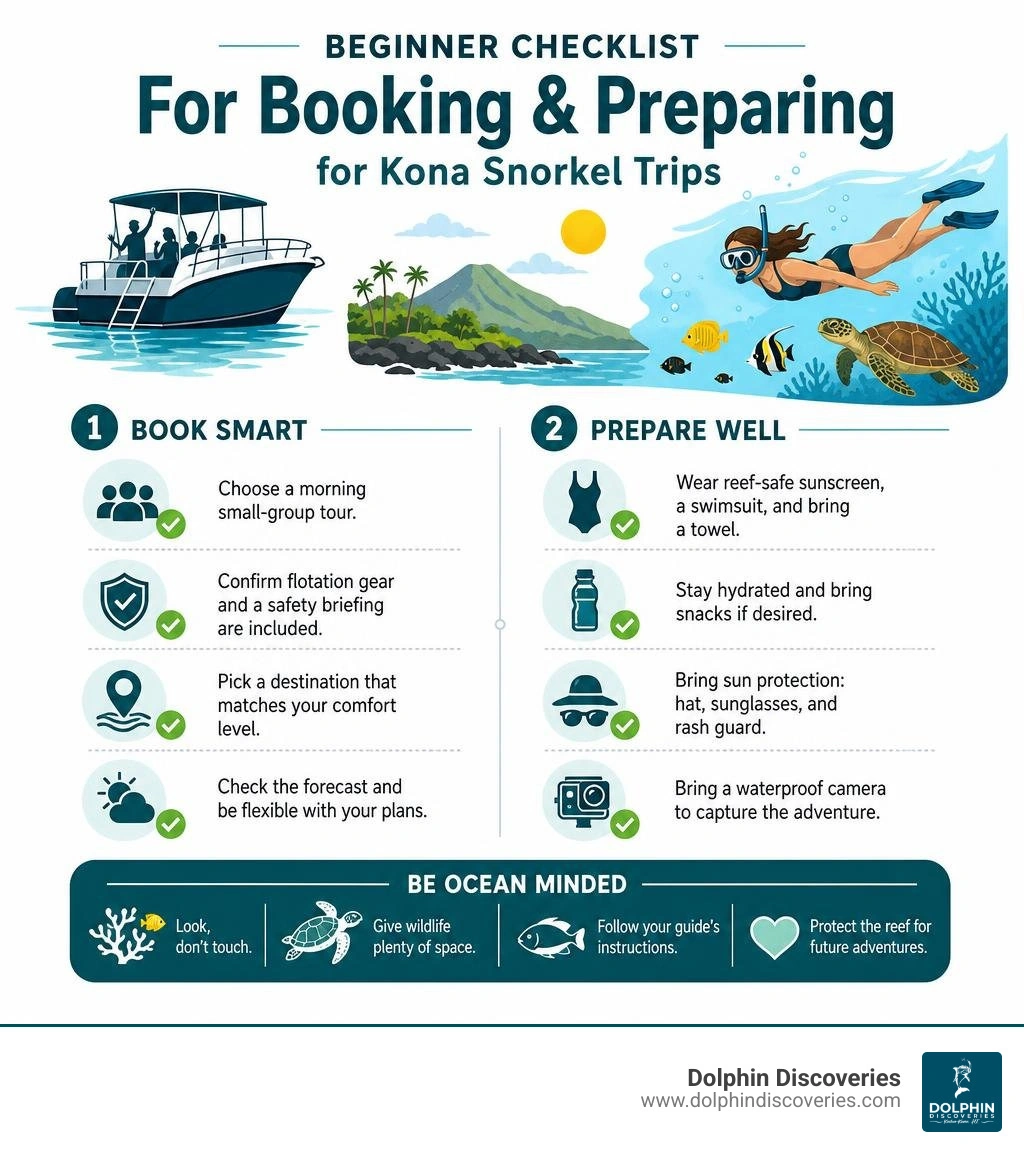
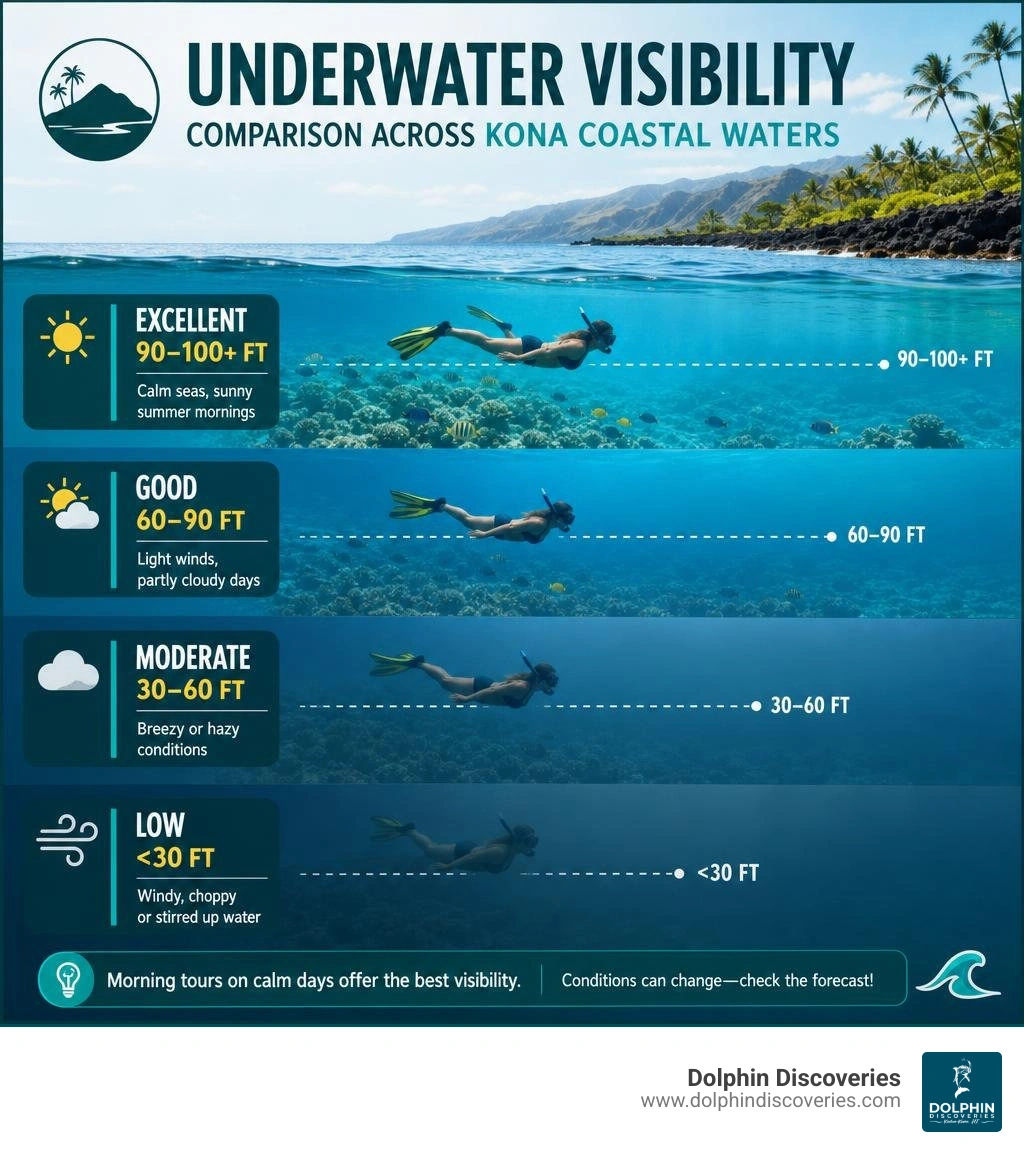
For the best Kona snorkel trips, choose a morning small-group boat tour, confirm that flotation gear and a safety briefing are included, and pick a destination that fits your comfort level. Kona's water stays warm year-round, roughly 75 to 82 F, and visibility commonly ranges from 60 to 100 feet. For first-timers, a guided trip is often the simplest way to reach clear-water sites while learning how to snorkel safely and respect the reef.
Kona offers more than 250 species of marine fish, plus opportunities to see turtles, colorful reef life, and, in the right settings, manta rays or spinner dolphins. Conditions can change with wind and swell, so the best trip is not always the longest or cheapest one. It is the one with a capable crew, appropriate gear, a manageable group size, and a conservation-minded approach to wildlife.
At Dolphin Discoveries, we believe great ocean experiences start with calm preparation, safe choices, and giving marine life plenty of space. I am Shelley Carey, and this guide will help you compare your options and book a Kona snorkeling experience that feels right for you.
Why Kona Snorkel Trips Offer World-Class Ocean Adventures
The leeward side of the Big Island provides a natural sanctuary for ocean lovers. Towering volcanic peaks—Mauna Loa, Mauna Kea, and Hualālai—shield the Kona Coast from the dominant easterly trade winds. This volcanic wall creates calm, glassy surface conditions along miles of shoreline.
Under the surface, Kona's geological youth means vibrant hard corals grow directly on dark basalt lava fingers, creating dramatic underwater drop-offs, arches, and caverns. According to our Kona Snorkeling Ultimate Guide 2026, these clear waters routinely reach horizontal visibility exceeding 100 feet in summer months. With over 250 native fish species darting between pristine coral heads, Kona remains an unmatched marine playground.
Top Snorkeling Destinations Across the Kona Coast
The Kona Coast boasts several designated marine reserves that protect delicate habitats while offering accessible viewing areas:
- Kealakekua Bay: Home to the iconic Captain Cook Monument, this Marine Life Conservation District spans over 300 acres of protected water. With over 100 species of coral and 400 species of fish, its sheer drop-offs and shallow flats harbor healthy cauliflower, lobe, and finger coral colonies. A dedicated Captain Cook snorkel tour provides a seamless way to access this historic and biologically diverse bay.
- Honaunau Bay (Two Step): Located adjacent to Puʻuhonua o Hōnaunau National Historical Park, this bay features naturally smoothed volcanic rock ledges that serve as steps into turquoise waters. Depths range from shallow coral gardens near the shoreline to a deep central channel frequented by pelagic species.
Marine Life Highlights: Dolphins, Rays, and Coral Reefs
Kona’s coastal waters are home to a vibrant community of marine creatures. Understanding their natural behaviors helps you appreciate each encounter:
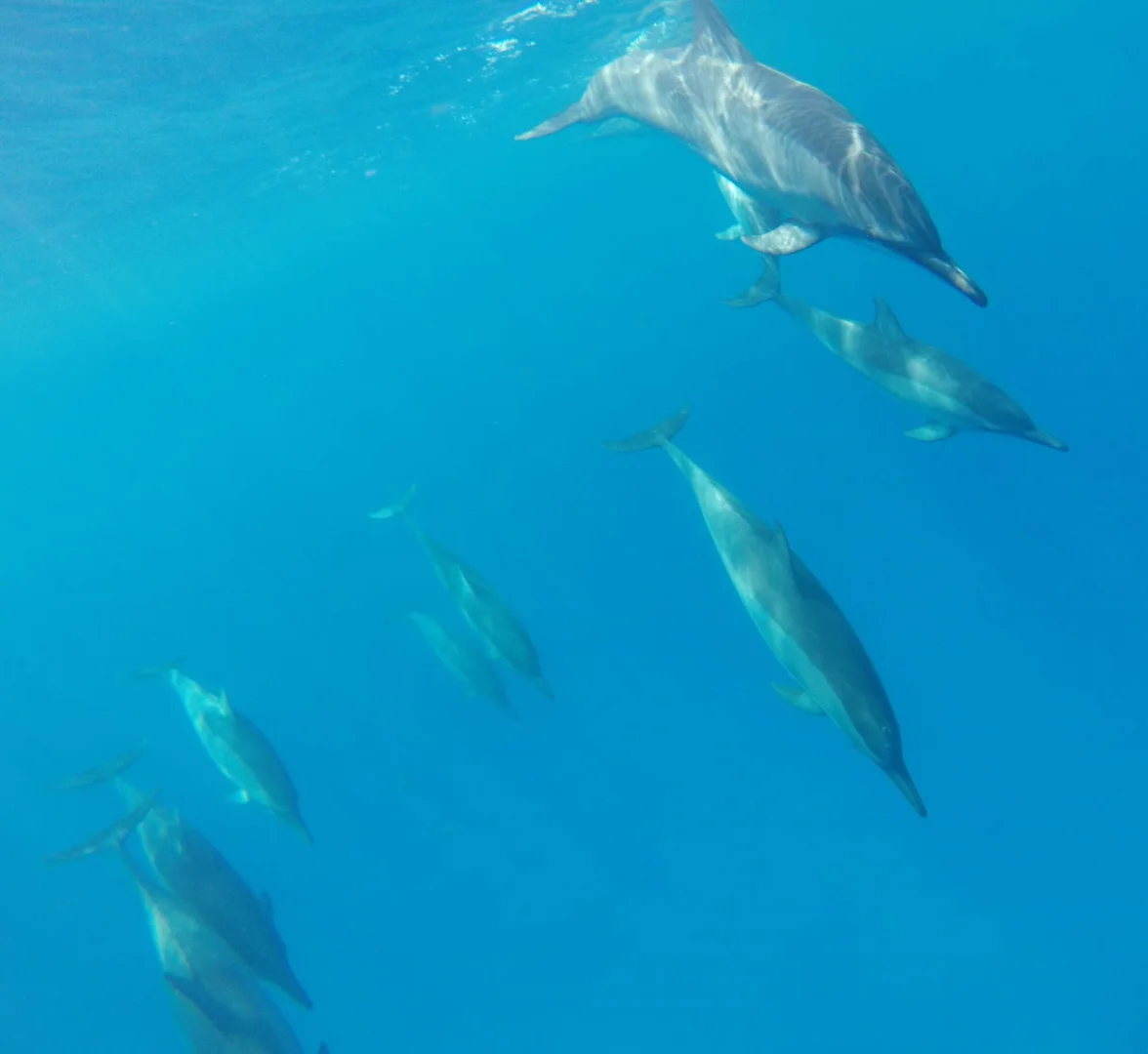
- Hawaiian Spinner Dolphins (Stenella longirostris): An estimated 4,000 to 5,000 spinner dolphins inhabit the Kona coast. These intelligent mammals feed offshore in deep water at night and use sheltered bays during the day to rest, socialize, and nurture calves.
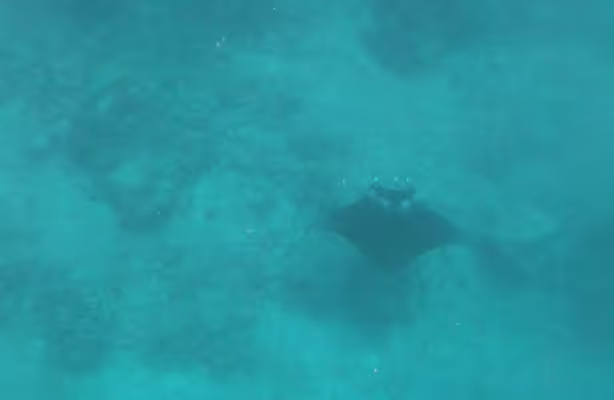
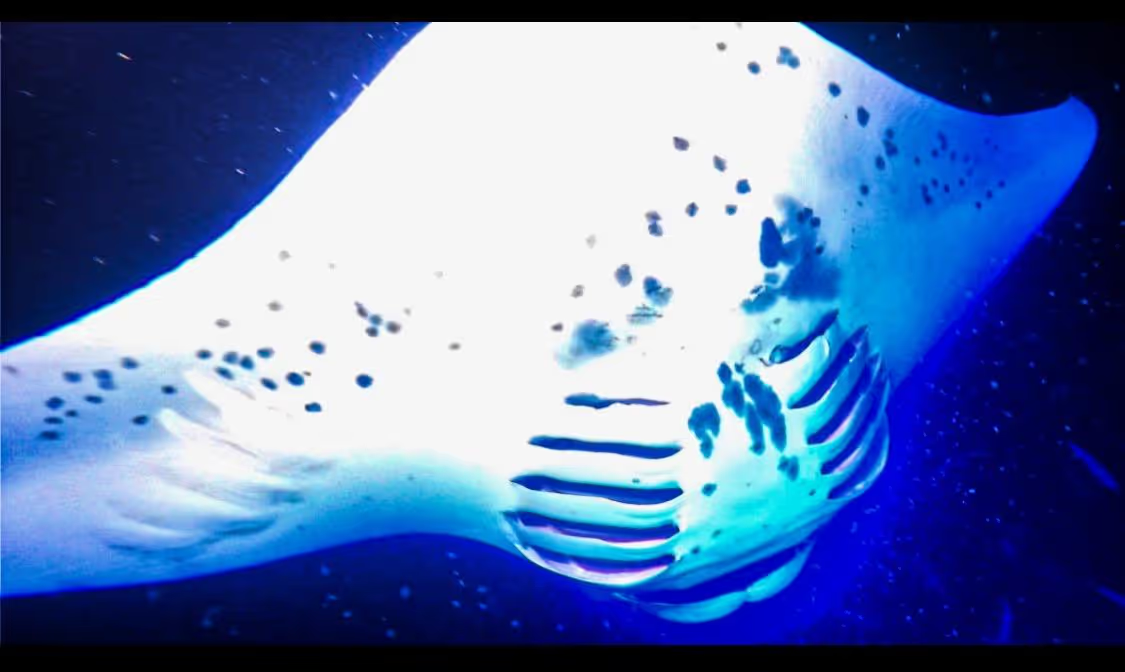
- Reef Manta Rays (Mobula alfredi): Reaching wingspans of up to 12 to 14 feet, manta rays glide effortlessly through coastal waters. At night, coastal plankton gathers around lighted viewing areas, creating a mesmerizing scene as these gentle filter-feeders perform somersaults right beneath the surface. You can witness this spectacle on a guided manta ray night snorkel.
- Green Sea Turtles (Honu): These ancient reptiles graze along shallow lava reefs on nutrient-rich algae. They regularly surface for air before resting under underwater ledges.
- Tropical Reef Fish: Bright yellow tangs school across shallow flats, butterflyfish pair for life along coral walls, and Hawaii's state fish, the humuhumunukunukuāpuaʻa (reef triggerfish), patrols its territorial territory amidst robust brain and antler corals.
Guided Tours vs. Independent Snorkeling: Which Is Right for You?
When planning your ocean outing, deciding between independent shore access and organized Kona Snorkeling Tours depends entirely on your ocean comfort, gear readiness, and destination goals.
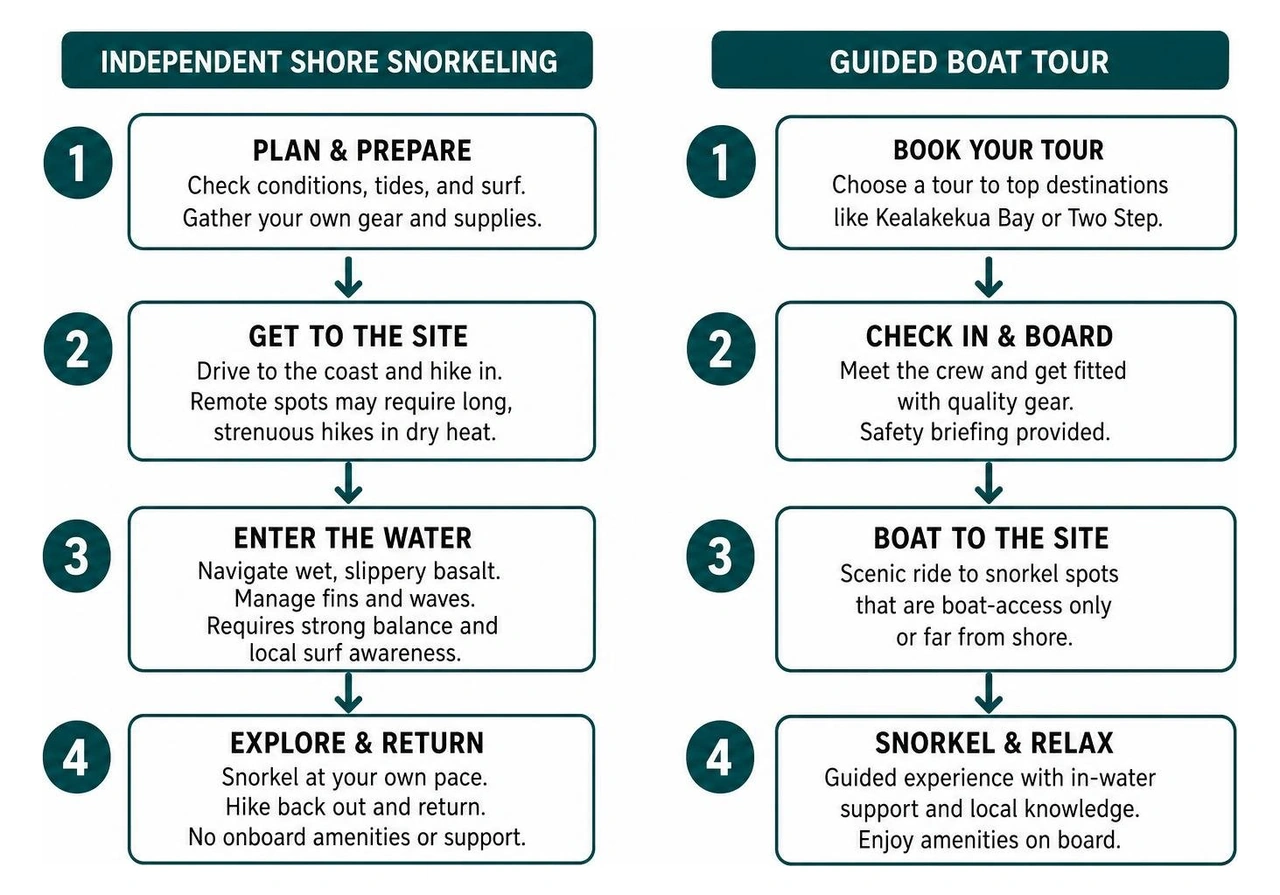
Shore snorkeling allows complete schedule flexibility, but navigating wet, slippery basalt rock while managing fins and waves requires strong balance and local surf awareness. Remote coves—such as the pristine waters off the Captain Cook Monument—require either a strenuous multi-hour hike in dry heat or boat-only transit across deep bay waters.
Benefits of Professional Boat Charters for Beginners
For first-timers, booking an organized boat charter eliminates logistical friction and enhances water safety. Our resource on How to Plan a Kona Snorkel Trip No Prior Experience Required outlines key tour advantages:
- Expert In-Water Support: Naturalist captains and crew offer customized instruction, fit gear precisely, and remain in the water to assist nervous swimmers.
- Effortless Water Access: Sturdy boat swim ladders and wide swim platforms replace hazardous entries over sharp sea urchins or surging shore rocks.
- Small-Group Focus: Fast, nimble vessels allow intimate small groups to explore sea caves and remote reefs without the crowd congestion of massive catamarans.
- Safety Infrastructure: Vessels carry specialized emergency oxygen, first-aid supplies, marine VHF communications, and high-visibility flotation systems.

Typical Costs and Inclusions for Kona Snorkel Trips
Pricing reflects excursion duration, destination distance, and gear inclusions. Dolphin Discoveries tours start at $79.99 per person for the Captain Cook Snorkel Tour (3 hours). The Manta Ray Night Snorkel and Dolphin & Whale Watching tours start at $99.99 per person (2 hours each), and the Kona Snorkel Tour - Two Snorkeling Spots starts at $109.99 per person (4 hours). Private boat charters start at $1,050 for up to 34 guests on a fully customizable "Holo Holo" trip. All prices are per person unless noted, and subject to change—always confirm current rates and availability at dolphindiscoveries.com.
| Feature | Independent Shore Snorkeling | Guided Small-Group Boat Tour |
|---|---|---|
| Typical Cost | $15–$30 (gear rental) | $79.99 – $109.99 per person |
| Site Accessibility | Limited to road-accessible shorelines | Reaches remote coves & offshore sea caves |
| Entry Method | Lava rock ledges, slippery boulders | Wide boat platforms & comfortable ladders |
| Gear & Safety | Self-provided; solo navigation | Professional mask/fins, flotation & crew safety |
| Wildlife Education | Independent observation | Certified marine naturalist interpretations |
| Best For | Experienced ocean swimmers | Beginners, families, and wildlife enthusiasts |
How to Prepare: Gear, Conditions, and Safety Basics
A successful ocean outing begins with smart preparation. Reading through Kona Guided Snorkeling Tips 2026 will help you anticipate ocean rhythms before arriving at the boat harbor.
Morning departures provide the calmest surface conditions. As inland volcanic slopes heat up by mid-day, onshore breezes generate light chop, making morning water glassy and comfortable for surface viewing.
Best Seasons and Conditions for Kona Snorkel Trips
Snorkeling along the Kona Coast is rewarding year-round, thanks to consistently warm water temperatures:
- Summer (May to October): Water temperatures peak between 80°F and 82°F (27°C to 28°C). South swells occasionally produce localized shore breaks, but visibility regularly tops 100 feet.
- Winter (November to April): Water temperatures hover comfortably between 75°F and 77°F (24°C to 25°C). North Pacific swells can affect exposed northern beaches, but sheltered southern coves remain calm. Winter also brings migrating humpback whales (koholā) to Kona’s offshore waters. Review our know before you go section for seasonal departure guidance.
Essential Snorkel Equipment and Flotation Options
Properly fitted equipment makes all the difference when you're in the water:
- Silicone Face Masks: Look for soft, high-grade silicone skirts that seal comfortably without overtightening. If you wear corrective lenses, ask about optical prescription masks.
- Dry-Top Snorkels: These feature a smart splash-guard valve mechanism that seals shut whenever submerged by surface ripples, keeping your airway clear.
- Fins: Choose flexible, comfortable fins that provide propulsion without straining your calves or causing blisters.
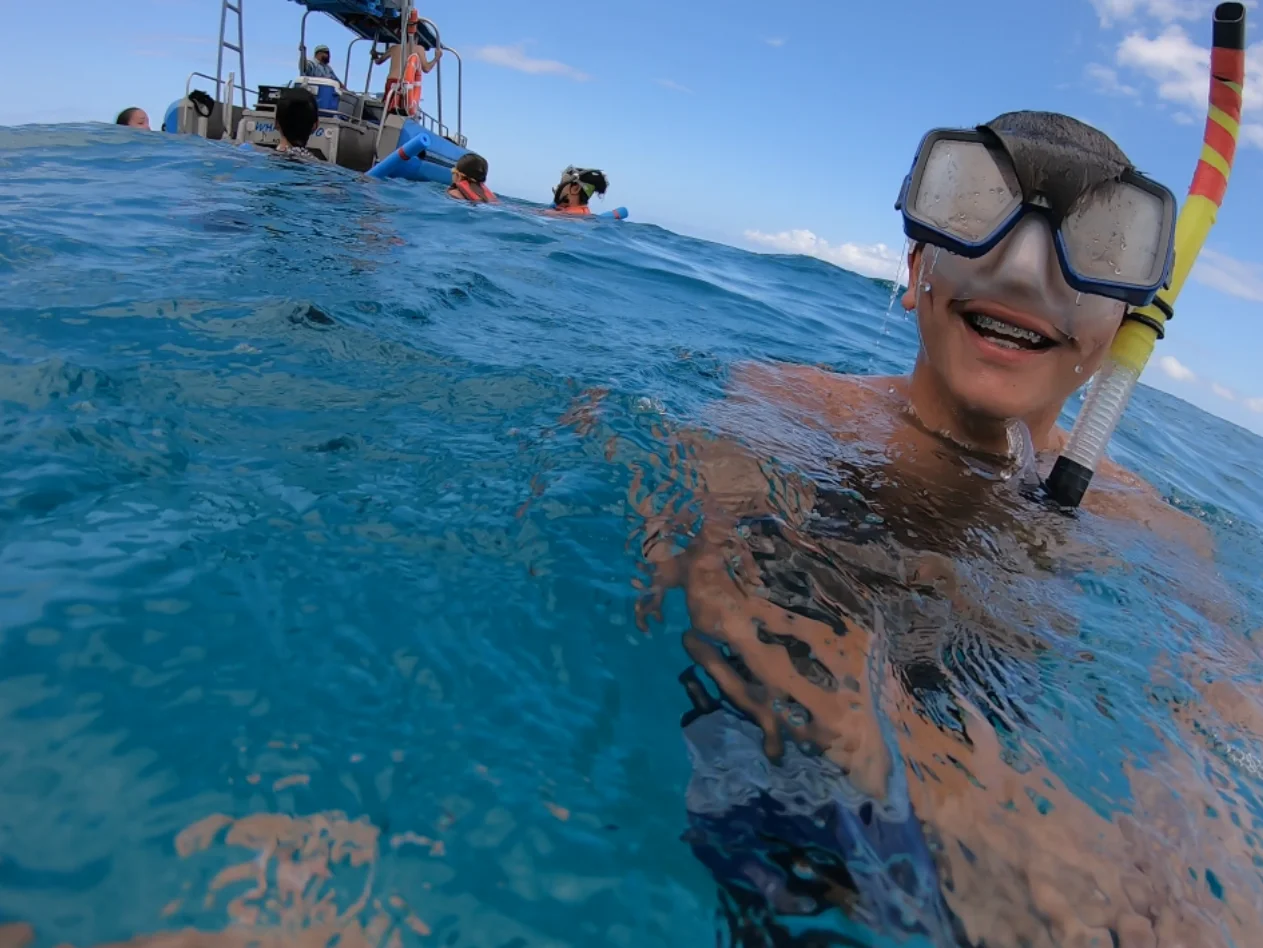
- Flotation Aids: Waist belts, neoprene vests, and pool noodles keep you effortlessly buoyant, allowing you to relax and focus on the marine life below.
- Defogging: A quick drop of reef-safe defogger or baby shampoo gently rubbed on dry interior lenses keeps your view crystal clear.
Ocean Etiquette and Marine Conservation in Hawaii
Hawaii’s coral reefs are delicate ecosystems built over centuries. Preserving these habitats requires mindful stewardship from every snorkeler:
- Reef-Safe Sunscreen: Use only mineral-based sunscreens with non-nano zinc oxide or titanium dioxide as the active ingredients. Chemical blockers (such as oxybenzone and octinoxate) bleach corals and harm marine life.
- Hands-Off Policy: Never stand on, kick, or grab coral heads. Coral is a fragile living animal; a single misplaced fin kick can destroy decades of growth.
- Wildlife Distance: Federal regulations established by NOAA Fisheries require swimmers and vessels to remain at least 50 yards away from resting Hawaiian spinner dolphins in coastal waters. Always give green sea turtles (honu) at least 10 feet of clear passage, never surround them, and never touch resting wildlife.
Frequently Asked Questions About Kona Snorkeling
Do I need strong swimming skills for a guided snorkel tour?
No, you do not need to be an expert swimmer. Guided small-group tours cater to all experience levels. Professional crews provide high-buoyancy flotation vests, waist belts, and kickboards, while certified naturalists assist you directly in the water.
What is the best time of day to go snorkeling in Kona?
Morning is ideal for reef snorkeling. Winds are calmest between 7:30 AM and 11:30 AM, creating flat, glassy water and optimal natural lighting for underwater visibility. For manta ray viewing, night tours provide the best experience when lighted boards concentrate plankton.
What essential items should I pack on the boat?
Pack mineral-based reef-safe sunscreen, a quick-drying beach towel, a light windbreaker or fleece for the boat ride, polarized sunglasses, a reusable water bottle, and a small dry bag for your phone and personal items.
Conclusion
A well-planned Kona snorkel outing connects you directly with Hawaii’s breathtaking underwater world. Whether watching vibrant reef fish swim over pristine coral beds or seeing manta rays glide under the evening lights, small-group boat trips offer a safe, educational, and respectful way to experience the Kona Coast.
As a woman- and veteran-owned ocean tour operator based out of historic Keauhou Bay, Dolphin Discoveries is dedicated to small-group, naturalist-led excursions with a deep commitment to marine conservation. When you are ready to hit the water, explore How to Plan the Ultimate Kona Snorkel Experience and join our crew for a day on the Pacific.