

Why Kona Hawaii Snorkeling Trips Offer Hawaii's Best Underwater Adventures
Kona sits on the sheltered lee side of the Big Island, blocked from harsh trade winds by Mauna Loa and Hualalai volcanoes. This geographic barrier creates uniquely calm ocean conditions compared to other parts of the state. With year-round sea temperatures holding between 75°F and 80°F and summer underwater visibility often clearing past 100 feet, kona hawaii snorkeling trips deliver some of the most consistent marine conditions in the Pacific.
The coastline features ancient basalt lava flows that spill directly into the ocean. Over centuries, these underwater lava tubes, arches, and drop-offs created natural havens for hard corals and diverse marine life. If you want to know why Kona snorkeling is the best in Hawaii, look closely at how these coral structures thrive along this protected shore.
Top Kona Snorkeling Spots: Kealakekua Bay, Two Step, and Kahalu'u
The Big Island offers over 30 accessible snorkeling areas, but a few locations stand out for their ecological importance and ocean clarity. To help you plan where Kona snorkel tours go, here is a breakdown of the primary marine reserves:
- Kealakekua Bay Marine Preserve: Located about 12 miles south of Kailua-Kona, this protected sanctuary surrounds the historic Captain Cook Monument. Steep cliffs shelter the bay, creating clear, glassy waters filled with finger coral, slate pencil sea urchins, and schools of yellow tang. Because vehicle access is heavily restricted, reaching the monument area requires a boat tour or a challenging hike.
- Honaunau Bay (Two Step): Adjacent to Pu'uhonua o Honaunau National Historical Park, this location gets its nickname from the natural lava rock steps used to enter the water. Depths drop quickly from shallow coral shelves to deeper sandy patches, making it a favorite for seeing green sea turtles (honu) and spotted eagle rays.
- Kahalu'u Beach Park: A sheltered, shallow bay closer to central Kailua-Kona. Kahalu'u features a protective outer reef break, making it ideal for beginners learning mask and snorkel basics among tide pools and grazing parrotfish.
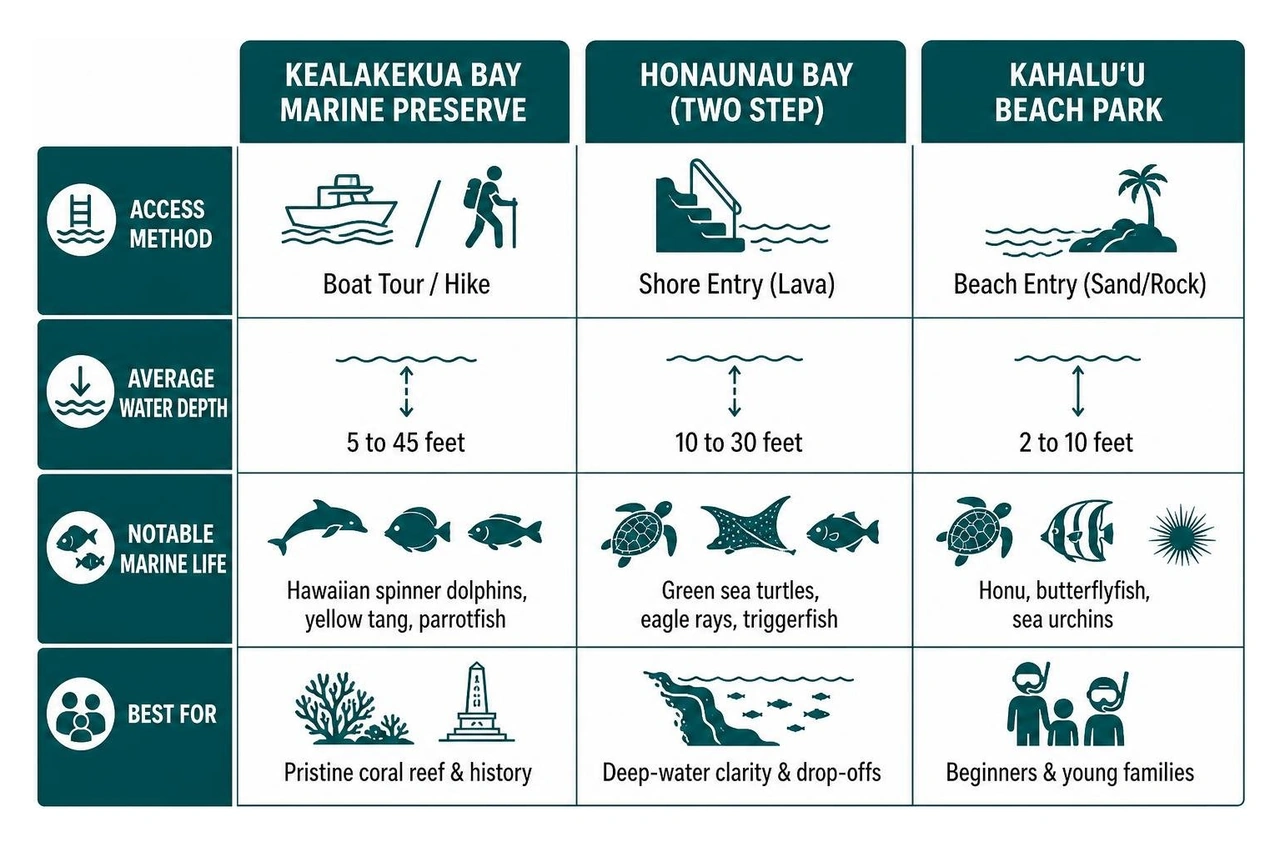
| Snorkel Location | Access Method | Average Water Depth | Notable Marine Life | Best For |
|---|---|---|---|---|
| Kealakekua Bay | Boat Tour / Hike | 5 to 45 feet | Hawaiian spinner dolphins, yellow tang, parrotfish | Pristine coral reef & history |
| Honaunau Bay (Two Step) | Shore Entry (Lava) | 10 to 30 feet | Green sea turtles, eagle rays, triggerfish | Deep-water clarity & drop-offs |
| Kahalu'u Beach Park | Beach Entry (Sand/Rock) | 2 to 10 feet | Honu, butterflyfish, sea urchins | Beginners & young families |
How Kona Snorkeling Compares to Maui, Oahu, and Kauai
When travelers ask why snorkeling tours in Kona are a league above the rest, the answer usually comes down to geology and coastal run-off.
Because the Big Island is geologically young, it has far fewer sandy beaches and river systems than older islands like Kauai or Oahu. Less sand and sediment washing into the ocean means superior water clarity. Maui offers fantastic coral reefs, but Kona's massive volcanic mass provides a much larger windshadow, leading to consistently smoother sea surfaces along the coast.
Types of Kona Excursions and Unique Marine Life Encounters
Choosing the right itinerary depends on what kind of adventure you want. Morning tours feature calmer sea conditions and brighter sunlight penetrating the reef, which makes fish colors pop. Afternoon trips often offer smaller crowds at popular reefs.
Night trips offer an entirely different experience centered on reef ecosystems after dark. You can discover the magic of a Kona Hawaii snorkeling tour by comparing day and night options.
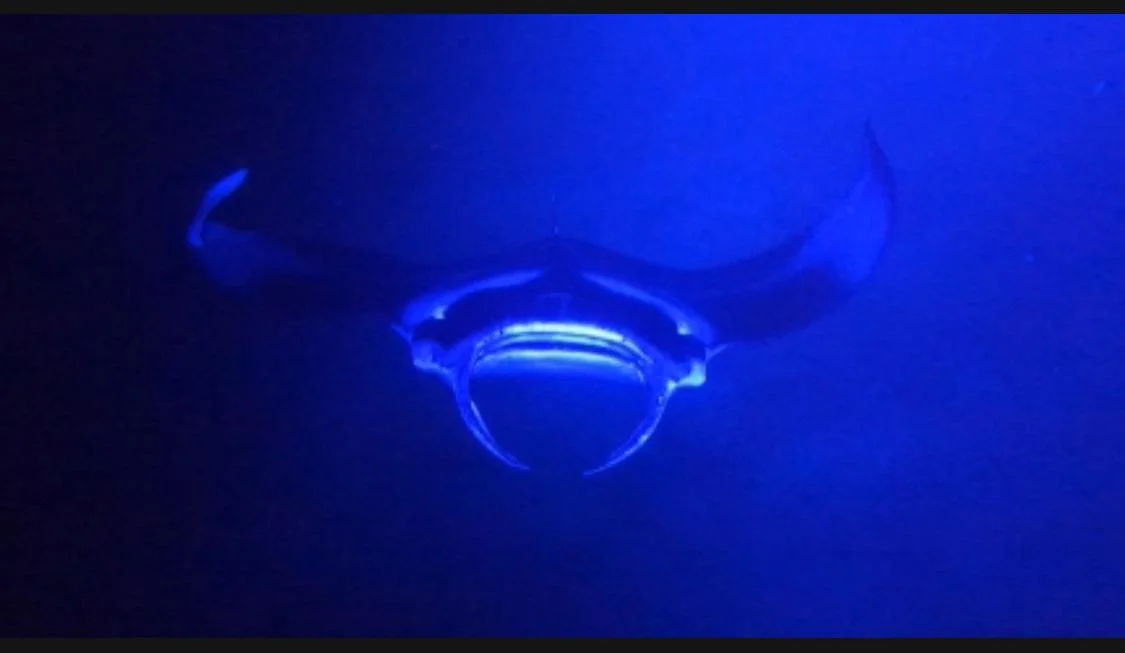
The most famous evening outing is the night manta ray encounter. Kona is one of the few places on Earth where resident reef manta rays (Mobula alfredi) gather reliably near shore to feed on microscopic plankton attracted by underwater lights.
During a manta ray night snorkel, guests hold onto a comfortable floating light board while looking down. Manta rays, which often boast wingspans exceeding 10 to 12 feet, swim up from the depths and execute fluid backward loop-de-loops, known as "barrel rolls," just inches from the light source. Because reef mantas do not have stingers, barbs, or sharp teeth, these encounters are completely safe for humans.
Combining Kona Hawaii Snorkeling Trips with Marine Wildlife Spotting
Kona waters host a delicate ocean ecosystem. When you look down into the coral gardens, you can spot Hawaii's state fish, the humuhumunukunukuapua'a (reef triggerfish), alongside parrotfish (uhu), raccoon butterflyfish, and trumpetfish.
Larger marine creatures frequent these waters as well:
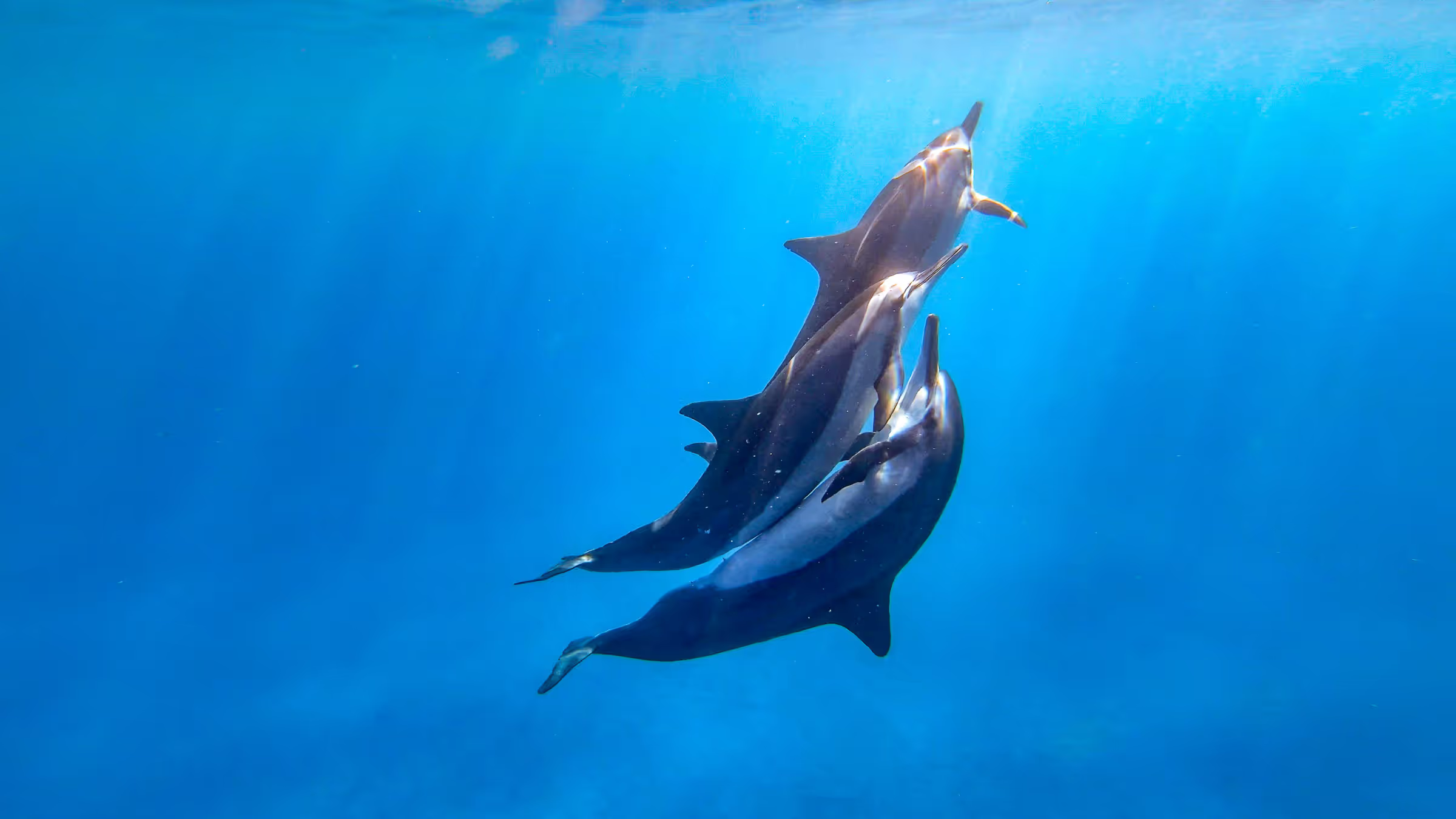
- Hawaiian Spinner Dolphins (Nai'a): Known for their acrobatic aerial spins, spinner dolphins rest in shallow bays during the day after hunting in deep ocean waters at night. Federal regulations under the Marine Mammal Protection Act require swimmers and boats to stay at least 50 yards away to let them rest uninterrupted. You can learn about dolphins and their nocturnal feeding patterns before heading out.
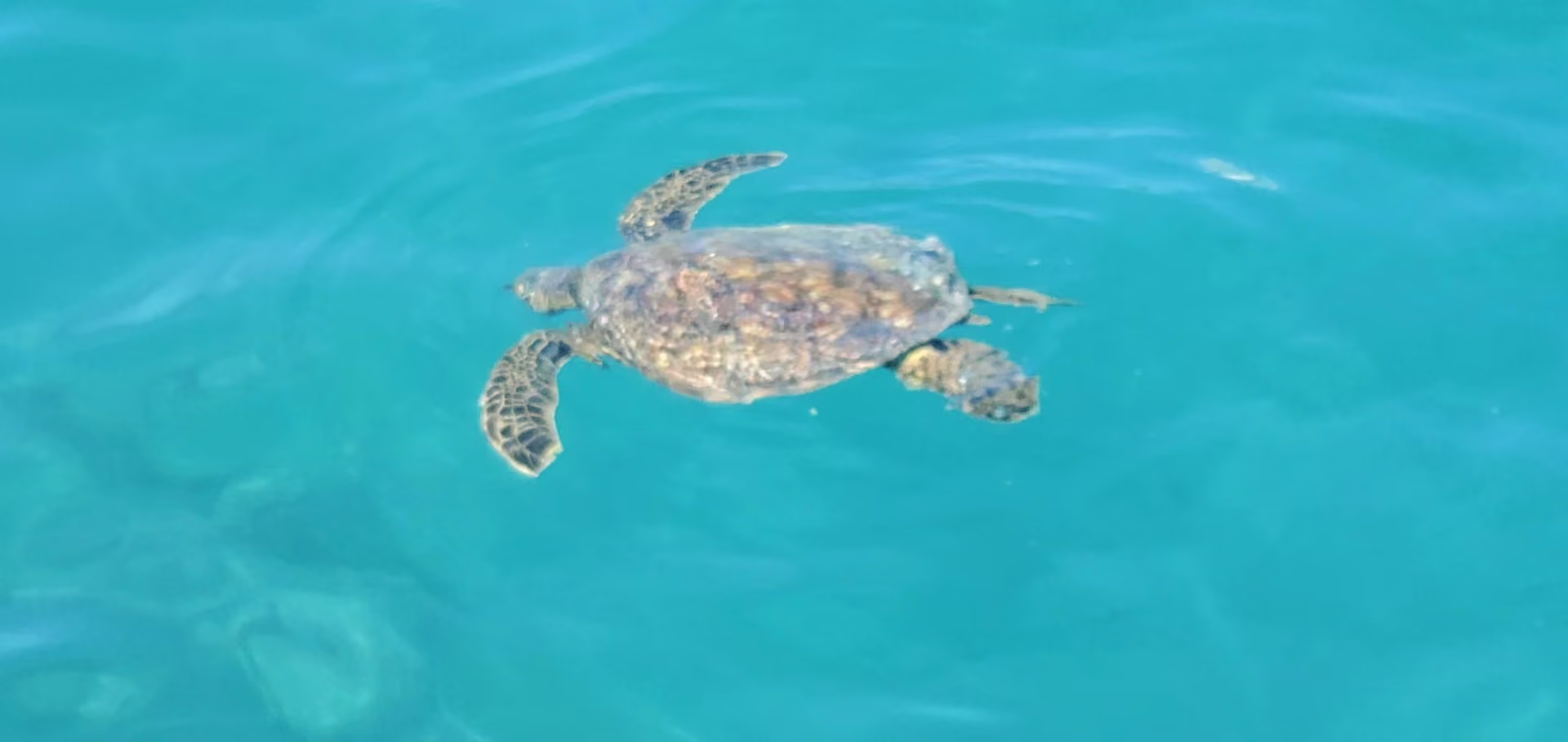
- Green Sea Turtles (Honu): These peaceful reptiles graze on limu (seaweed) along shallow volcanic rocks. They are protected by federal law, so always give them plenty of space when they surface for air.
- Humpback Whales (Kohola): From December through April, thousands of humpback whales migrate from Alaska to Hawaii's warm waters to breed, give birth, and nurse their calves. During winter snorkeling trips, you can frequently hear their complex underwater songs resonating directly through the water.
Finding the Best Small-Group Boat Tours in Keauhou
Selecting a tour operator comes down to vessel style and group size. Large catamarans carry dozens of passengers, which can feel crowded on the reef.
At Dolphin Discoveries, we utilize fast, rigid-inflatable hull boats that carry smaller groups. Departing directly from Keauhou Bay, our boats reach premier locations like Kealakekua Bay in short order, spending less time in transit and more time in the water.
Small groups allow our marine naturalist guides to offer personalized in-water support, clear safety briefings, and detailed insights about marine life behavior. You can explore our two-spot snorkel tour to see how small groups make exploring multiple coral reef habitats easier.
Essential Gear, Safety, and Conservation Guidelines
A comfortable, safe outing requires the right preparation. Reading up on how to plan the ultimate Kona snorkel experience helps ensure you bring everything you need for a fun day on the water.
Essential Gear Provided on Kona Hawaii Snorkeling Trips
When you join a professional boat excursion, high-quality gear is supplied for you. You can check our know before you go guide to review gear fit and prep advice. Standard equipment includes:
- Sanitized Silicone Masks & Snorkels: Fitted with tempered glass lenses to prevent fogging and leakage.
- Flexible Fins: Sized to provide efficient propulsion with minimal kick effort.
- Flotation Supports: High-visibility neoprene waist belts, pool noodles, or flotation vests keep you balanced above the reef.
- Neoprene Wetsuit Tops: Supplied on night tours to keep you warm in the water.
Reef Ethics and Marine Life Protection in Hawaii
Hawaii’s living coral reefs are fragile marine habitats vulnerable to human impact. Protecting these ecosystems ensures they remain healthy for years to come.
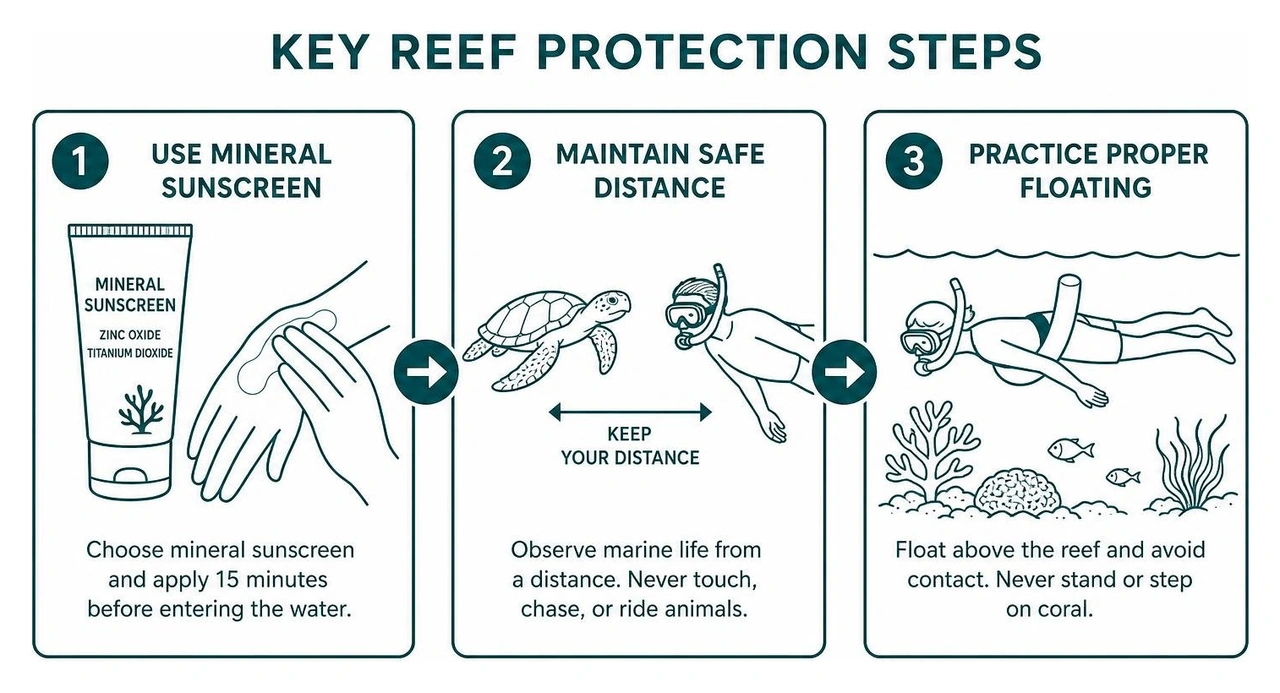
Follow these vital conservation guidelines during your trip:
- Use Reef-Safe Sunscreen: Hawaii law bans the sale of sunscreens containing oxybenzone and octinoxate, chemical ingredients proven to bleach coral reefs and damage marine DNA. Choose mineral-based sunscreens featuring non-nano zinc oxide or titanium dioxide. Apply it 15 minutes before getting in the water so it absorbs properly into your skin.
- Never Touch or Step on Coral: Corals are living animals, not rocks. Stepping on a coral head breaks off delicate growth that took decades to form and damages the protective mucus coating that shields the coral from disease.
- Maintain Distance from Marine Life: Never pursue, touch, or ride sea turtles, dolphins, or manta rays. Intentional contact stress marine animals and breaks state and federal wildlife laws.
- Practice Buoyancy Control: Keep your feet up and horizontal in the water. Use float belts if you are unsure of your swimming strength to avoid accidentally kicking the reef with your fins.
Frequently Asked Questions About Kona Snorkeling
If you want to take the plunge on a Kona snorkeling tour, review these quick answers to common trip planning questions.
What is the best time of day to go snorkeling in Kona?
Morning is generally the best time for reef snorkeling. Wind speeds tend to be lighter early in the day, resulting in calmer water and high underwater visibility.
By afternoon, offshore thermal winds can kick up mild surface chop. For night trips, evening hours right after sunset offer optimal conditions for viewing manta rays under tour light boards. You can read more local insights on Kailua Kona snorkeling timing options.
Are Kona snorkeling spots suitable for beginners and non-swimmers?
Yes, Kona offers plenty of options for all experience levels. Spots like Kahalu'u Beach Park feature shallow entries and soft sand channels, perfect for getting comfortable with a mask and snorkel.
For boat excursions, guides provide hands-on safety briefings, flotation vests, and in-water assistance to help non-swimmers feel secure over deeper reefs. Review our beginner's guide to Kailua Kona snorkeling tips and tricks to build confidence before your excursion.
What time of year is best for snorkeling in Kona Hawaii?
Snorkeling in Kona is reliable year-round due to stable water temperatures between 75°F and 80°F. Summer months (May through September) offer the calmest seas, lowest ocean swells, and peak visibility exceeding 100 feet. Winter months (December through April) bring larger ocean swells to north-facing shores, but Kona's sheltered west coast maintains plenty of calm bays. Winter visitors also enjoy seasonal humpback whale sightings during the boat ride out to the reef.
Ready to Explore Kona's Underwater World?
Planning kona hawaii snorkeling trips comes down to choosing the ocean encounters that fit your schedule and comfort level. Whether you want to drift over pristine coral gardens in Kealakekua Bay or float above feeding manta rays under the stars, Kona offers clear water and incredible marine life encounters all year long.
Our team at Dolphin Discoveries loves sharing these waters with visitors. As a small, local operator running tours out of Keauhou Bay, we keep our group sizes small so you get attentive guidance, top-tier safety gear, and an authentic ocean experience.
When you are ready to plan your morning on the reef, explore our Captain Cook snorkel tour or reach out to our team to find the right excursion for your family.