

Where to Find Kona Off the Beaten Path
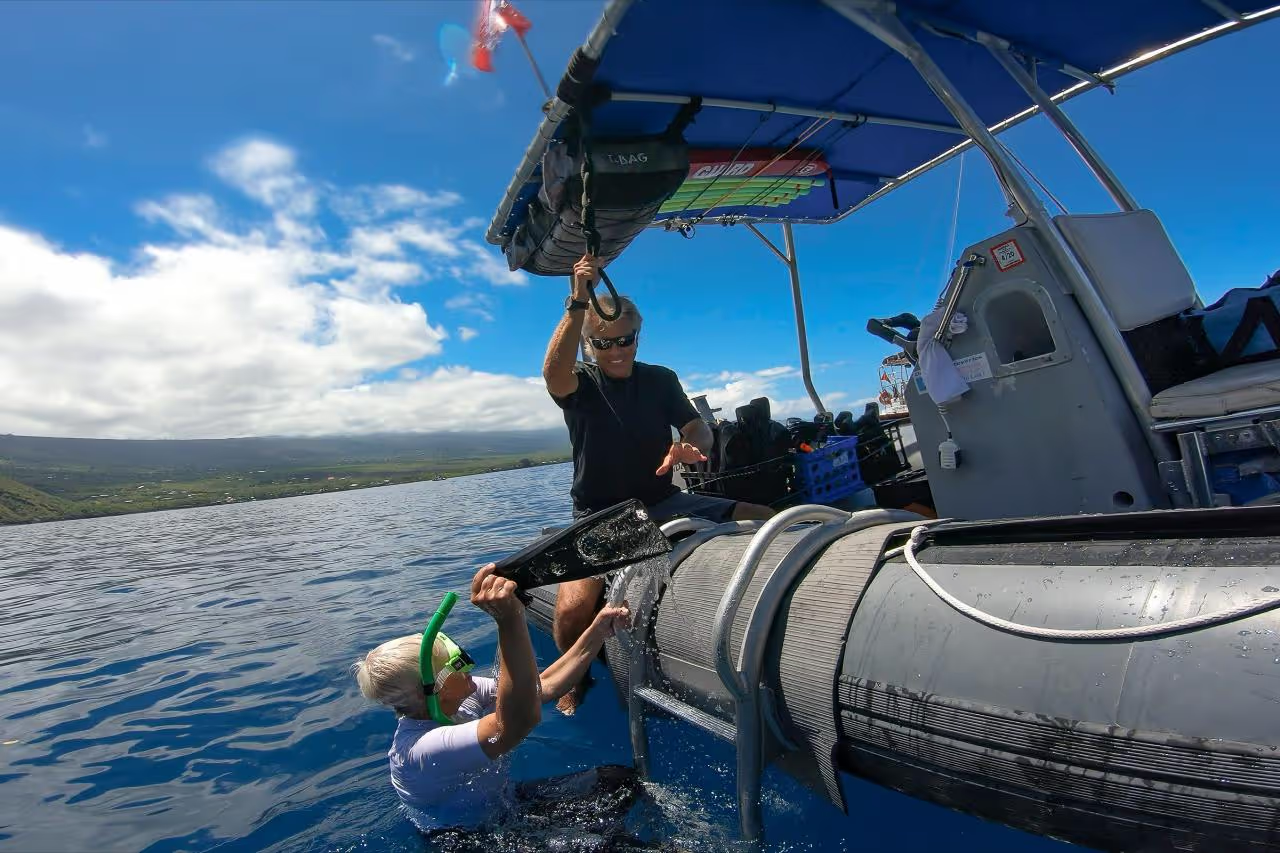
Want a quieter side of Kona? Hike to Makalawena Beach, walk the lava shore at Kīholo Bay, or head uphill for a cloud forest trail. For a day beyond the beach, visit a Kona coffee farm and browse the shops in Hōlualoa. A small-group snorkel trip can show you the coast from the water without joining a large boat crowd.
The island’s changing landscapes reward a little planning. Bring water and sturdy shoes, check ocean conditions, and give wildlife plenty of space. I’m Shelley Carey, and I’ll help you choose adventures that are as thoughtful as they are fun.

Simple guide to Kona off the beaten path terms:
Secret Coves and Hidden Beaches: Kona Off the Beaten Path
The Kona coast is shaped by ancient basalt lava flows that meet the clear waters of the Pacific. While popular shoreline parks can get busy by mid-morning, several secluded stretches offer quiet coastal beauty for travelers willing to walk a bit further. Reaching these spots requires a sense of adventure, plenty of drinking water, and solid footwear.
| Beach Name | Trail Length (One-Way) | Access Difficulty | Typical Crowd Level | Marine Visibility |
|---|---|---|---|---|
| Makalawena Beach | ~1.0 to 1.6 miles | Moderate (rough lava path) | Very Low to Moderate | High (calm mornings) |
| Kīholo Bay | ~1.0 mile | Easy to Moderate (loose gravel/lava) | Low (often <50 people) | Variable (brackish mix) |
| Okoe Bay | ~1.6 miles | Moderate to Strenuous (hot lava fields) | Extremely Low | High (cobalt water) |
Hiking to Makalawena Beach and Opaeula Pond
Located inside Kekaha Kai State Park, Makalawena Beach remains unpaved and protected from resort development. To get there, drive the rough dirt road to Mahaiʻula Bay, then follow the unpaved trail north across an exposed ʻaʻā lava field. The trek takes 20 to 40 minutes, leading you over coastal sand dunes to pristine, powdery white sand and turquoise water. As outlined in this review of hidden Big Island coastlines, the effort required keeps crowds thin.
Directly behind the dunes sits Opaeula Pond, a 12-acre National Natural Landmark. This protected wetland serves as an essential nesting ground for native waterbirds, including the endangered aeʻo (Hawaiian stilt) and ʻalae keʻokeʻo (Hawaiian coot). Remember to carry your own drinking water, pack out all trash, and give the bird habitat plenty of space.
Exploring Kīholo Bay's Turquoise Lagoons and Ancient Fishponds
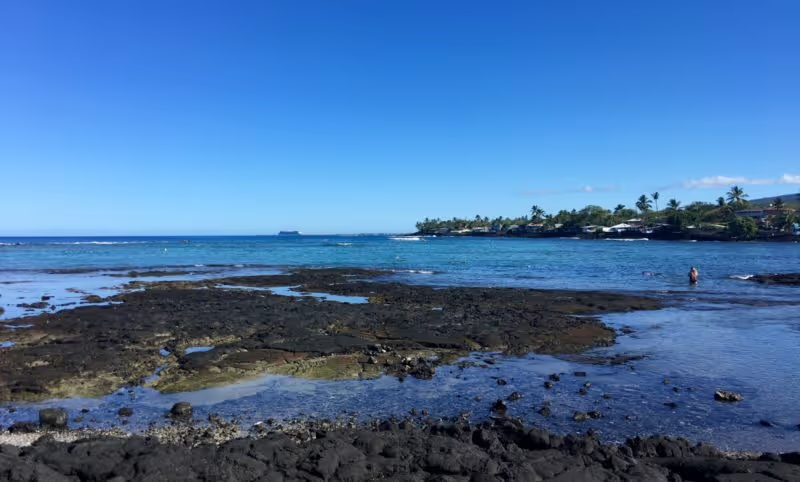
North along Highway 19, between mile markers 81 and 83, lies Kīholo Bay. This expansive coastal area is famous for its dark pebble shoreline, bright turquoise lagoons, and rich history. A 1-mile walk along the coast brings you to Wainanaliʻi Lagoon, where natural underwater freshwater springs blend with ocean tides. Research shows that Kīholo keeps turquoise lagoons free to explore, making it a refreshing, low-impact alternative to commercialized beachfronts.
The bay was transformed in 1859 when a lava flow from Mauna Loa reached the coast, partially covering an expansive royal fishpond originally built by King Kamehameha I. Today, Kīholo serves as a vital feeding and resting habitat for resident Honu (green sea turtles). Practice mindful exploration by observing all sea turtles from at least 10 feet away, and always wear mineral, reef-safe sunscreen to protect this fragile marine sanctuary.
The Secluded Sands of Okoe Bay
Tucked away in South Kona past the traditional fishing community of Miloliʻi, Okoe Bay offers dramatic solitude. Hikers begin near Honomalino and continue across roughly 1.6 miles of rugged coastal terrain. Field guides note that this black sand cove hides past where most hikers stop, rewarding determined trekkers with striking, dark basaltic sand contrasted against deep cobalt water.
Because the trail crosses hot, unshaded volcanic rock, sturdy closed-toe shoes and ample hydration are essential. The bay offers quiet swimming inside the reef shelf during calm summer mornings. There are no lifeguards or facilities, so always check ocean swell forecasts before entering the water.
Remote Volcanic Hikes and Mist-Covered Forest Trails
With elevation rising rapidly from sea level up the slopes of Hualālai and Mauna Loa, the Kona region contains a dramatic range of ecosystems. You can walk across sunbaked coastal lava fields in the morning and wander through cool, misty highland forests by afternoon.

Exploring the Hualālai Crater and Native Cloud Forests
Mount Hualālai dominates the skyline behind Kailua-Kona. Its last major eruption in 1801 produced the Kaupulehu flow, leaving behind dramatic spatter cones, deep craters, and native koa forests. While much of the upper mountain sits behind private gates to protect watershed resources, guided naturalist trips offer educational access.
As detailed in insights on off-the-beaten-path volcano hikes, walking through these upland trails provides 270-degree panoramic views across the Kona coast. Exploring the higher slopes reveals how native vegetation gradually recolonizes mineral-rich volcanic rock over centuries.
Makaula Oʻoma Trail: Kona Off the Beaten Path Rainforest Trek
For an independent hike away from the coastal heat, drive up Kaloko Drive into the uplands of Kaloko-Honokōhau. Here, the Makaula Oʻoma Trail winds through a rare, high-elevation dry-winter cloud forest. This unique ecosystem gathers moisture directly from passing trade wind mists, nourishing ancient tree ferns, native ʻōhiʻa lehua, and hanging mosses.
The trail network offers shaded loops beneath dense forest canopies where native forest birds, such as the crimson ʻapapane and yellow-green ʻamakihi, can often be spotted flitting among the blossoms. The paths can be damp and slick, so pack a light rain layer and wear trail shoes with dependable traction.
Unspoiled Marine Encounters: Snorkeling and Ocean Adventures
The waters off the Kona coast are sheltered from heavy trade winds by the island's massive volcanic peaks, creating some of the calmest, clearest ocean conditions in Hawaii. Exploring these waters with small, naturalist-led groups provides an intimate look at local marine ecosystems while avoiding crowded boat decks.
Night Snorkeling with Kona’s Resident Manta Rays
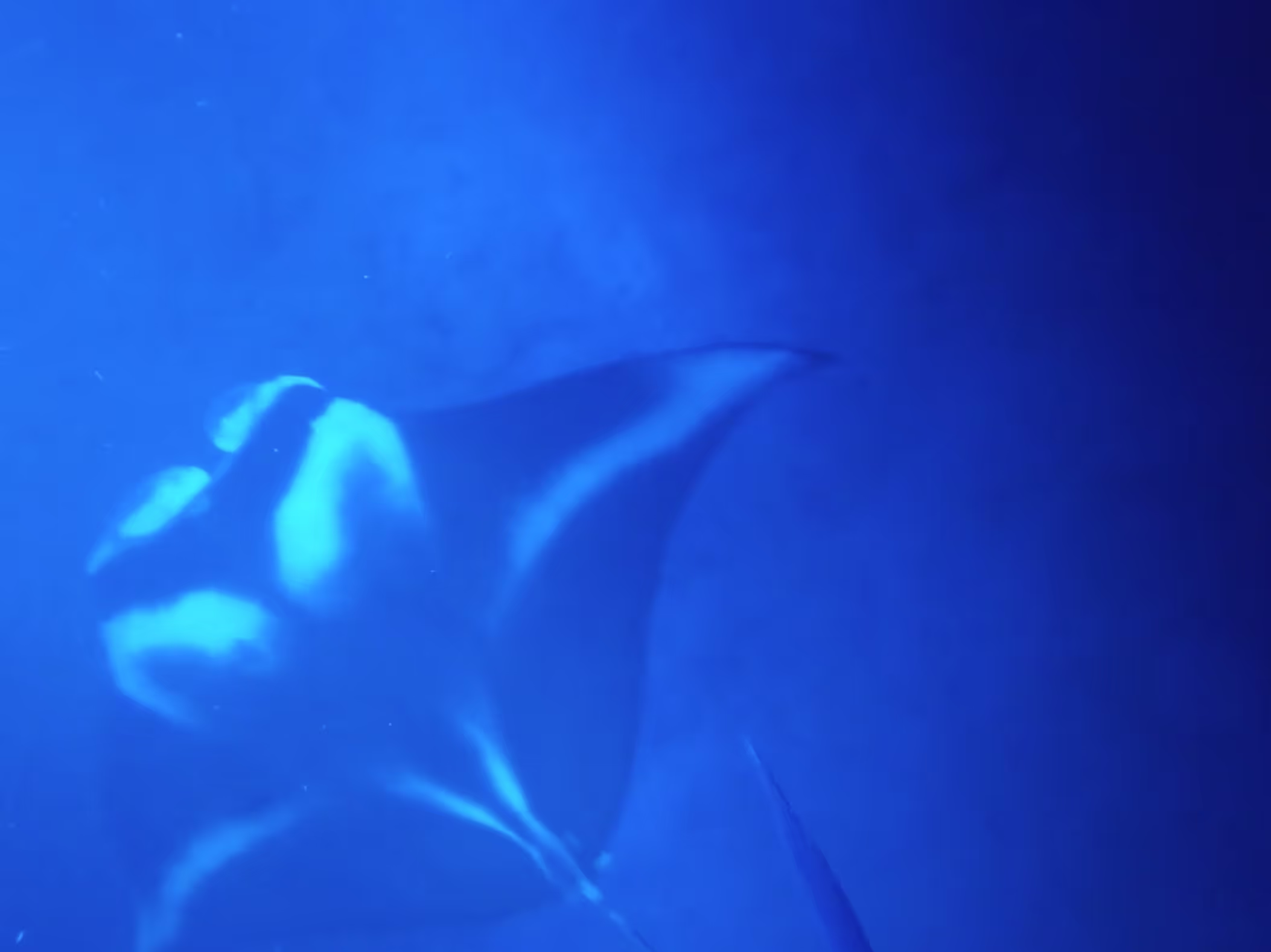
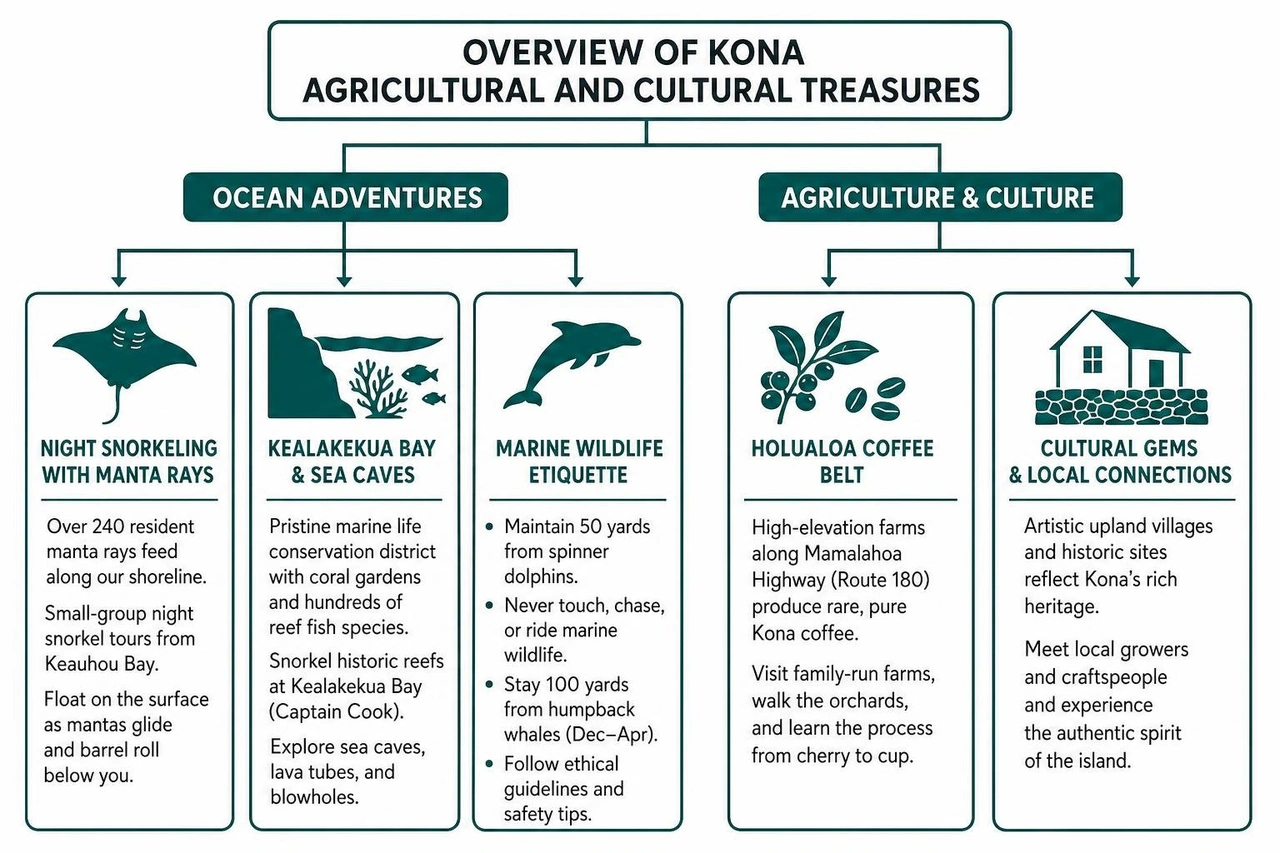
One of the most remarkable ocean encounters in the world happens right along our shoreline, where over 240 identified resident manta rays feed on concentrated plankton blooms. Joining a small-group trip for night snorkeling with manta rays lets you float calmly on the surface while holding onto our custom "floating campfire" light board.
These gentle giants, possessing wingspans often exceeding 10 to 12 feet, glide upward and execute graceful barrel rolls just inches below you. Departing from Keauhou Bay on our fast, agile rigid-hull boats means you reach the primary viewing sites in minutes, maximizing your time in the water and keeping your group safe and secure under the care of certified local naturalists.
Kealakekua Bay and South Kona Sea Caves
South of Keauhou lies the pristine marine life conservation district of Kealakekua Bay. Sheltered beneath 600-foot volcanic cliffs, this bay features thriving coral gardens and hundreds of colorful reef fish species. Reserving a dedicated Captain Cook snorkel tour provides direct, low-impact water access to these historic reefs without having to make the steep, hot 3.8-mile round-trip hike down the cliffside monument trail.
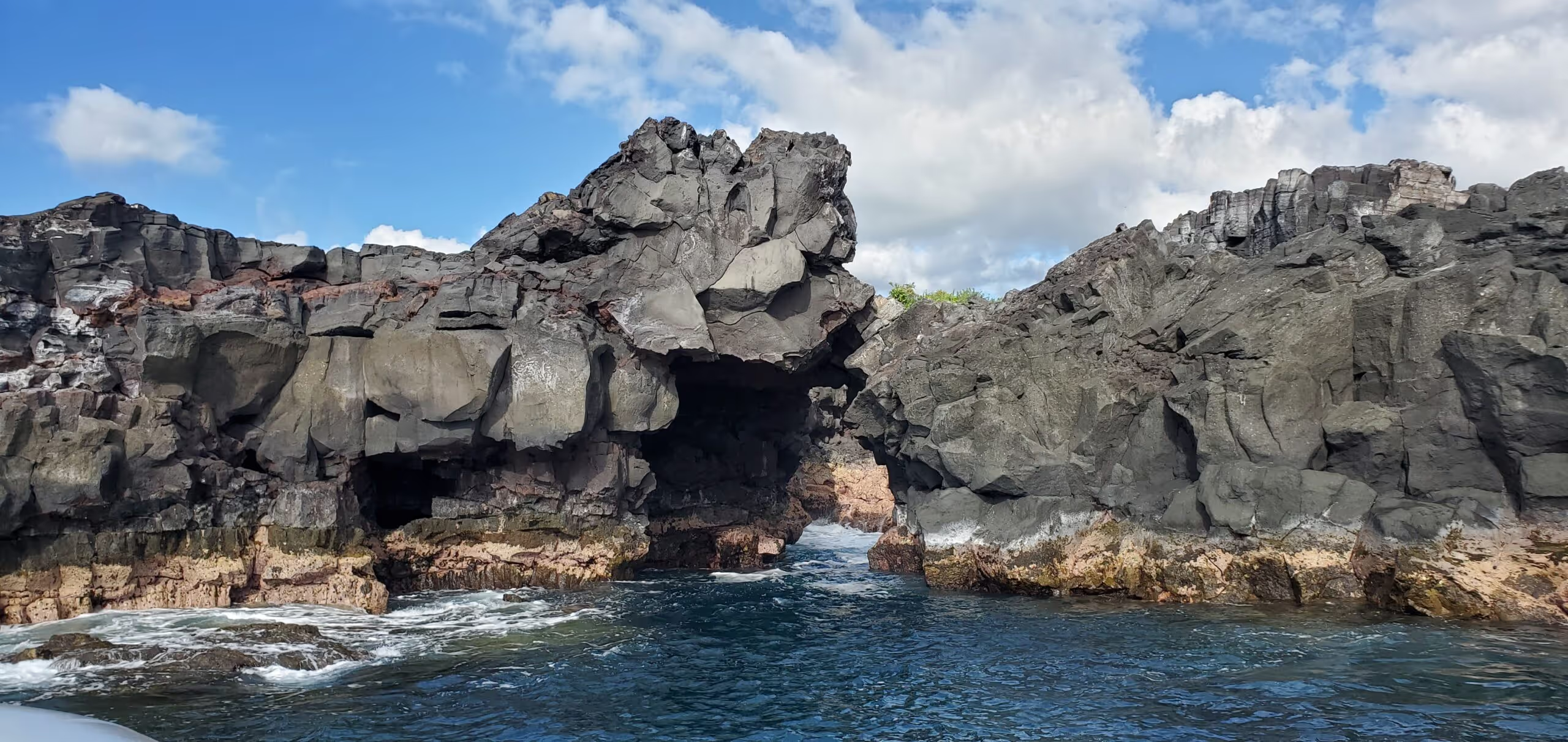
Our agile boats are designed to explore the sea caves, lava tubes, and blowholes that line the South Kona coastline. Exploring two distinct snorkeling spots on a single outing allows you to experience both protected marine reserves and remote, offshore reef systems while learning directly from our on-board marine naturalists.
Marine Wildlife Etiquette: Kona Off the Beaten Path Ocean Protocol
Protecting Hawaii's marine life requires strict adherence to state and federal wildlife regulations. When viewing wild spinner dolphins, federal law requires swimmers, kayakers, and boaters to maintain a distance of at least 50 yards to ensure dolphins can rest undisturbed in their nearshore nursery bays during daylight hours.
- Never touch, chase, or attempt to ride marine wildlife, including Honu and manta rays.
- Review proper ethical guidelines for manta ray interactions before entering the water.
- When booking winter whale watching excursions between December and April, vessels must remain at least 100 yards away from humpback whales.
- Check essential packing lists and safety details by preparing before you go.
Authentic Flavors, Coffee Farms, and Cultural Gems
The agricultural roots of the Kona district run deep, supported by rich volcanic soil and sunny mornings paired with afternoon cloud cover. Taking time to visit working farms and historic upland villages connects you directly with local growers and craftspeople.
High-Elevation Coffee Tastings Along the Holualoa Belt
Perched on the slopes above Kailua-Kona along historic Mamalahoa Highway (Route 180), the artistic village of Hōlualoa sits in the heart of the Kona Coffee Belt. This narrow, high-elevation zone produces pure Kona coffee, one of the rarest crops in the world.
Wandering through family-run coffee farms allows you to walk among the orchards, see how coffee cherries are picked and processed, and sample freshly roasted single-estate beans. Many local farm gates welcome visitors for low-key tastings, giving you a chance to talk directly with the farmers who cultivate the slopes.
Deep-Ocean Mineral Flakes at Kona Sea Salt Farm
Located on the shoreline near the Natural Energy Laboratory of Hawaii Authority (NELHA), the Kona Sea Salt Farm harvests natural gourmet salt using pure, 900-year-old deep-ocean water drawn from 2,200 feet below the surface. This mineral-rich seawater evaporates under the Kona sun in covered wooden beds, producing crisp, clean salt flakes. Visitors can tour the drying pans, taste different infusions, and enjoy an oceanfront mineral foot soak.
Waimea Paniolo Heritage and Local Kava Spots
A scenic drive inland leads to the upland town of Waimea, the historic heart of Hawaiian paniolo (cowboy) ranching culture. Surrounded by rolling green pastures beneath the peaks of the Kohala Mountains, Waimea offers a completely different climate and feel than the sunny coastline.
Spend a morning browsing the weekly Waimea Town Market for fresh produce, artisan cheeses, and locally made treats. For a relaxed evening experience, stop into an authentic local kava bar to try traditional ʻawa served in a coconut shell. For more budget-conscious ideas, explore our curated guide on budget-friendly adventures in Kona.
Mindful Exploration: Sustainable Travel on the Big Island
Mindful travel means treating the island with care, humility, and genuine respect for the land (mālama ʻāina). When visiting historical sites, ancient heiau (temples), and coastal trails, stay on marked pathways and never climb over stacked stone walls or move rocks.

- Use Pure Mineral Sunscreen: Hawaii law bans sunscreens containing oxybenzone and octinoxate. Use only non-nano zinc oxide or titanium dioxide formulas to safeguard living coral reefs.
- Pack Out Everything: Remote beaches and wilderness trails lack municipal trash service. Always carry a small bag to pack out all waste, including organic food scraps.
- Support Local Purveyors: Choose local fruit stands, family-owned diners, and locally based excursion guides to keep tourism revenue within the local community.
- Book Small-Group Charters: If you are traveling with family or friends, choosing an intimate private boat charter ensures custom pacing, less impact on delicate reefs, and dedicated guidance from professional marine naturalists.
Frequently Asked Questions About Off-the-Beaten-Path Kona
What is the best hidden beach to visit near Kona?
Makalawena Beach is widely regarded as one of the finest secluded white-sand beaches on the island due to its pristine crescent coves and lack of road access. For calm, turquoise lagoons, Kīholo Bay is an exceptional option. If you want direct access to deep coral reefs with easy ocean entry steps carved into smooth pahoehoe lava, explore the shorelines around Two Step Beach. For all remote beach trips, remember to wear sturdy footwear and pack plenty of fresh water.
How can I respectfully explore sacred cultural sites and fragile ecosystems?
Show respect by honoring all posted kapu (restricted) signs, staying on clearly designated trails, and keeping a respectful distance from native wildlife both on land and in the ocean. Never take basalt stones, sand, or coral pieces from beaches, as they are essential elements of the natural environment and carry cultural significance.
What unique wildlife experiences in Kona avoid massive tour boat crowds?
Booking a small-group, fast-boat excursion is the best way to escape crowded "cattle-maran" charters. Small rigid-hull inflatable boats carry fewer guests, move quickly between quiet snorkeling coves, and allow certified naturalists to provide personalized, ethical wildlife encounters that put animal welfare first.
Conclusion
Discovering Kona away from the usual crowds reveals the authentic character of the Big Island, from quiet lava trails and misty mountain forests to pristine coral gardens. Approaching these places with mindfulness and respect ensures their natural beauty remains preserved for generations to come.
When you are ready to explore the stunning Kona coastline by water, our team at Dolphin Discoveries is here to share our passion for ethical ocean adventures. Whether you join us for a sunset departure to witness the majestic manta ray barrel rolls or an early-morning snorkel trip along the reefs of Kealakekua, we look forward to welcoming you into our ocean Ohana. Mahalo Nui for traveling thoughtfully, and we hope to see you out on the water soon.