

Kailua-Kona: A Quick Guide to the Coast's Top Experiences
For the best things to do in Kailua Kona Big Island, start with the water: snorkel coral reefs, see manta rays after dark, visit a Kona coffee farm, and explore Hawaiian history along the sunny west coast.
Kailua-Kona is a practical base for a Big Island trip. It is close to Kona International Airport, has warm weather through the year, and puts beaches, coffee country, and major cultural sites within an easy drive.
Here are the highlights at a glance:
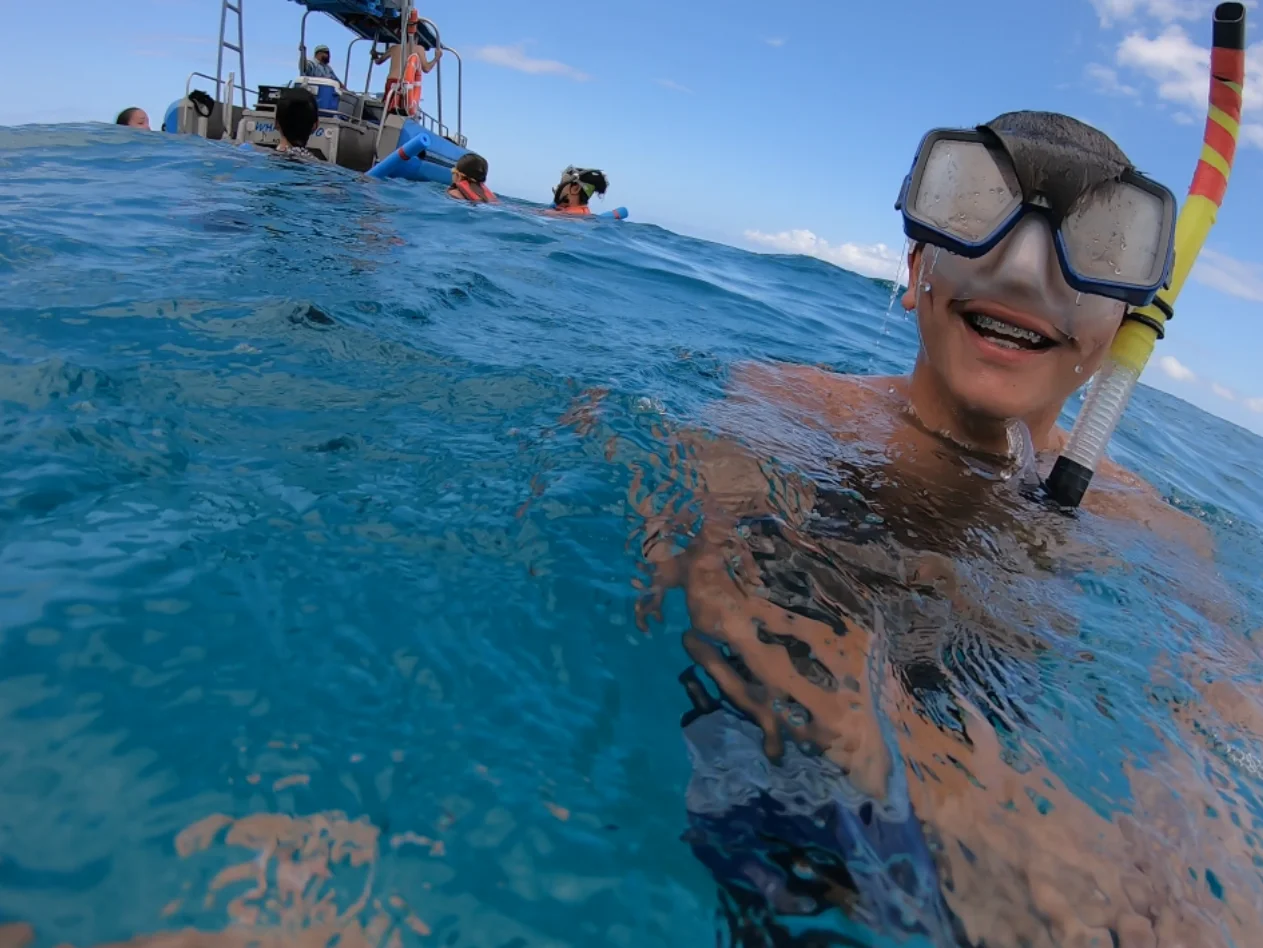
- Snorkel Kealakekua Bay or nearby reefs to see colorful fish and lava-shaped underwater terrain.
- Join a manta ray night snorkel for a respectful, guided look at these gentle filter feeders.
- Spend time at Kona beaches, from beginner-friendly Kahaluʻu Beach Park to the bright sand at Kua Bay.
- Tour a 100% Kona coffee farm on the slopes above town.
- Visit Puʻuhonua o Hōnaunau and Kaloko-Honokōhau to understand the Kona Coast's living cultural history.
- Eat local favorites such as poke, plate lunches, shave ice, and fresh island fruit.
- Watch for humpback whales in winter, typically from December through March.
Kona's leeward location makes it one of the Big Island's drier areas, with warm average temperatures year-round. Still, conditions change quickly on the ocean. Choose reef-safe sun protection, give turtles and dolphins plenty of space, and treat the coastline as a shared habitat, not just a backdrop.
I'm Shelley Carey, and as part of the Dolphin Discoveries team, I'll help you plan a Kona visit that makes room for both memorable ocean time and thoughtful travel.
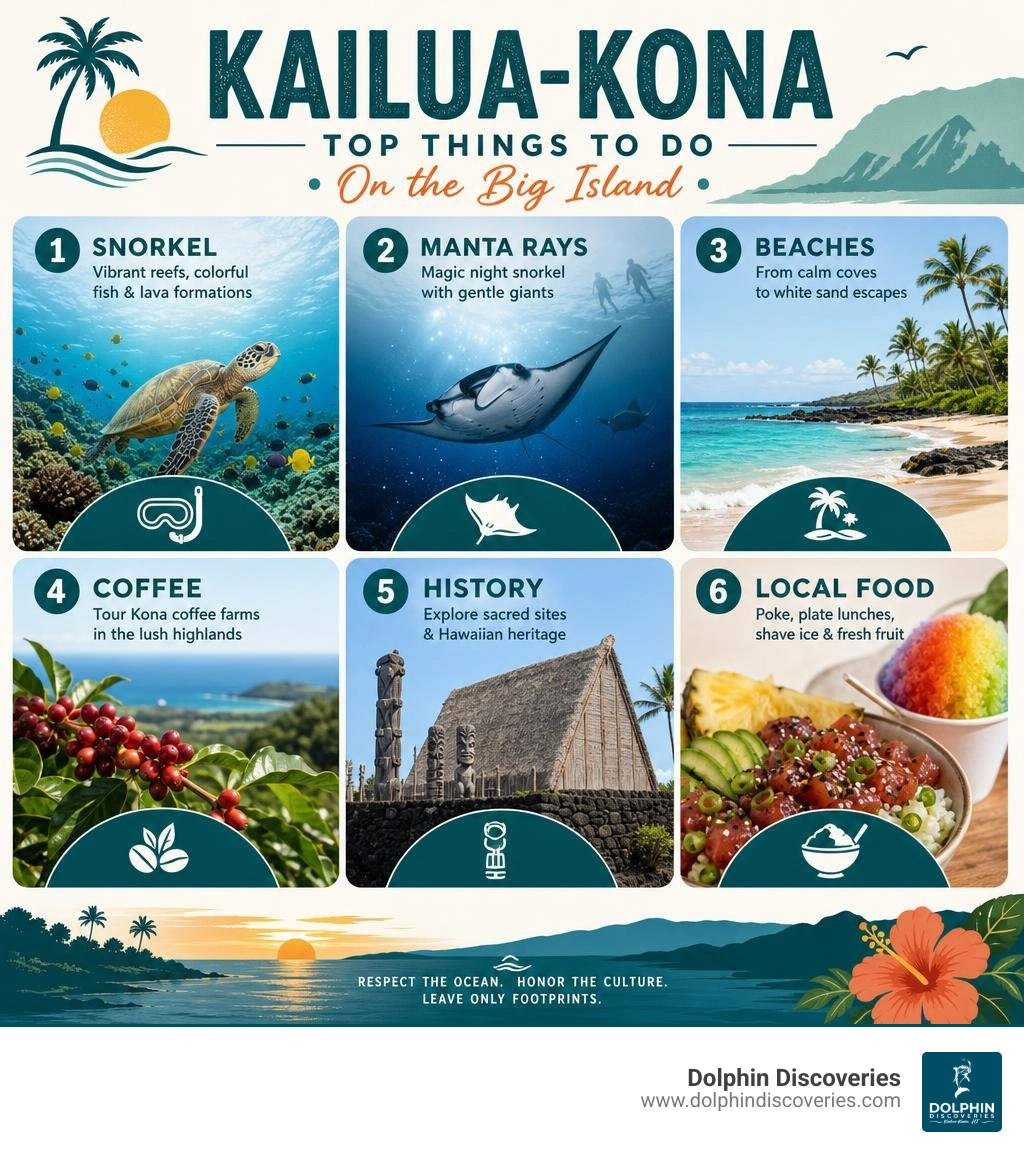
Things to do in kailua kona big island terms made easy:
Top Water Adventures and Things to Do in Kailua Kona Big Island
The calm ocean waters along the Kona Coast create some of the best conditions in Hawaii for marine exploration. Shielded from wind and rain by Mauna Loa and Mount Hualālai, the west side of the Big Island enjoys remarkably clear sea conditions year-round.
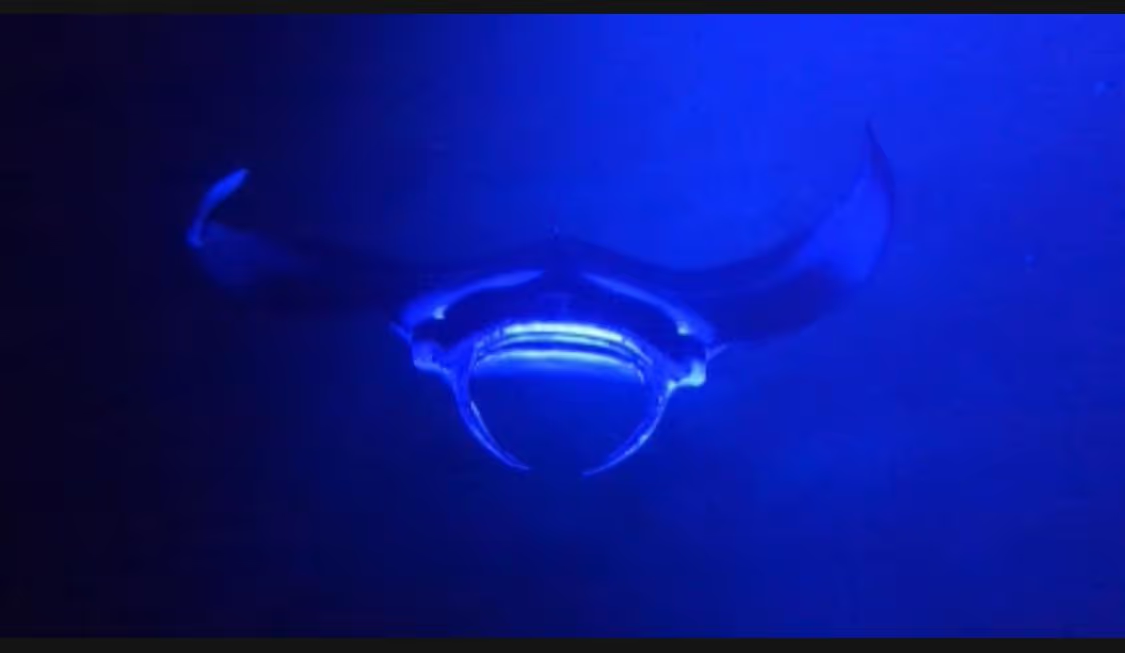
Among all water activities, snorkeling with manta rays after sunset stands out as a signature Kona experience. Reef manta rays (Mobula alfredi) can reach wingspans of up to 16 feet, yet they are harmless filter feeders with no barbs, stingers, or sharp teeth. At night, tour boats depart from Keauhou Bay to specialized viewing areas where custom light rafts attract swarms of marine plankton. The mantas arrive to feed, performing graceful underwater barrel rolls just inches from snorkelers holding onto illuminated flotation boards.
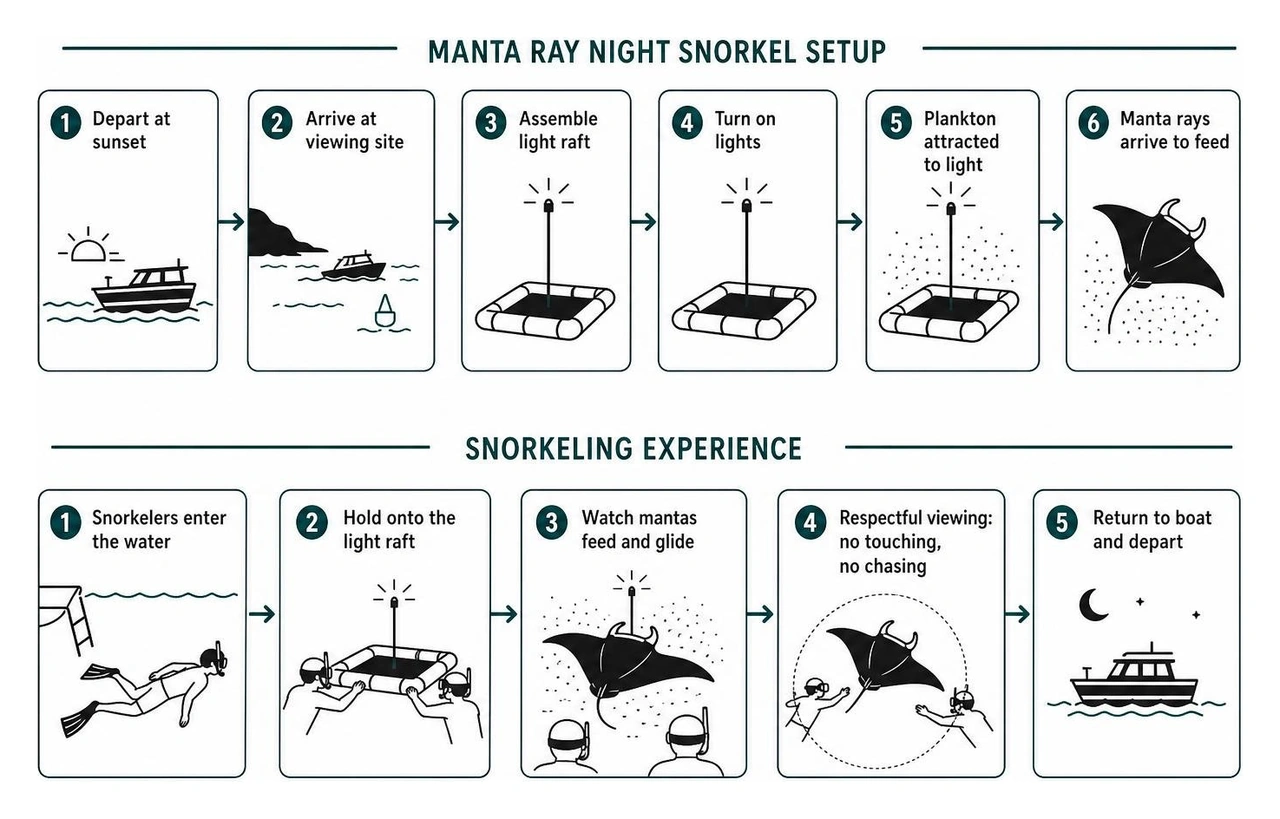
If you are looking for top nighttime excursions, you can Book a Manta Ray Night Snorkel Tour to observe these animals up close in their natural habitat.
Another legendary aquatic destination is Kealakekua Bay, located about 12 miles south of downtown Kailua-Kona. As a designated Marine Life Conservation District, the protected bay features healthy coral gardens and diverse ocean species, including yellow tang, parrotfish, and green sea turtles (honu). Perched on the northern shoreline of the bay sits the white granite Captain Cook Monument, marking the spot where British explorer Captain James Cook landed in 1779.
Paddling or taking a small-group boat trip is the most comfortable way to cross the bay and reach the shallow reef near the monument. You can learn more and Explore Captain Cook Snorkeling Tours to discover the historical and natural richness of this protected cove.
Essential Outdoor Things to Do in Kailua Kona Big Island
Beyond snorkeling, the Kona Coast is home to extraordinary seasonal wildlife encounters. Each winter, over 8,000 humpback whales (Megaptera novaeangliae) migrate thousands of miles from cold feeding grounds in Alaska to the warm, shallow waters surrounding Hawaii. Between December and April, these marine mammals utilize Kona's sheltered coastline to mate, give birth, and nurse their newborn calves.
Watching a 40-ton humpback whale breach above the surface or slap its pectoral fin against the water is an unforgettable sight. On our small-group vessel, our naturalists use hydrophones to lower into the water, allowing guests to listen to the complex, reverberating underwater songs sung by male humpbacks during mating season.
Wild dolphins are also frequent visitors to Kona's coastal waters. Hawaiian spinner dolphins (Stenella longirostris) are famous for acrobatic aerial displays, leaping up to ten feet out of the ocean and spinning up to seven times before returning to the water. Because spinner dolphins use shallow bays during daylight hours to sleep and rest after nocturnal hunting in the deep sea, strict marine regulations require boaters and swimmers to maintain a minimum distance of 50 yards (150 feet) from wild dolphins.
For additional planning guidance on ocean activities, check out our Kona Snorkeling Ultimate Guide or explore dedicated Whale Watching Tours in Kailua-Kona during the winter migration window.
Best Beaches for Swimming and Snorkeling
Kona's shoreline features a unique blend of white sand pockets, dramatic black lava shelf formations, and quiet coves. Choosing the right beach depends on whether you prefer soft sand relaxing or active underwater exploration.
Here are four top beaches near Kailua-Kona to add to your list:
- Kahaluʻu Beach Park: Located five miles south of town, Kahaluʻu is widely recognized as the best shoreline snorkel spot for beginners and families. A natural lava breakwater protects the bay from heavy waves, keeping water calm. Shallow coral heads house hundreds of tropical fish species and feeding green sea turtles. A local educational pavilion provides daily marine conservation guidance and complimentary reef-safe sunscreen.
- Maniniʻōwali Beach (Kua Bay): Situated roughly 30 minutes north of downtown within Kekaha Kai State Park, Kua Bay offers brilliant turquoise waters and fine white sand. Swimming conditions are excellent in summer, though winter brings larger waves that attract experienced bodyboarders. Parking fills quickly, so arrive before 8:30 a.m. or after 3:00 p.m.
- Magic Sands Beach Park (Laʻaloa): Conveniently set on Aliʻi Drive, this lively urban beach is famous for boogie boarding and sunset views. Its local nickname, "Disappearing Sands," stems from heavy winter storm swells that occasionally shift the sand offshore, leaving exposed lava rock until gentle summer waves pull the sand back.
- Kamakahonu Beach (King Kam Beach): Tucked right beside Kailua Pier in downtown Kona, this small beach features shallow, wave-free waters. It is an ideal spot for families with toddlers, beginner stand-up paddleboarders, and kayakers launching into Kailua Bay.
For a deeper dive into regional shoreline options, browse our complete Best Snorkel Spots Guide.
Cultural and Historical Sites Near Kona
Kailua-Kona is not only an ocean recreation hub but also a center of native Hawaiian history. Before European contact, the Kona Coast served as the political seat for Hawaiian royalty, including King Kamehameha I, who unified the Hawaiian islands.
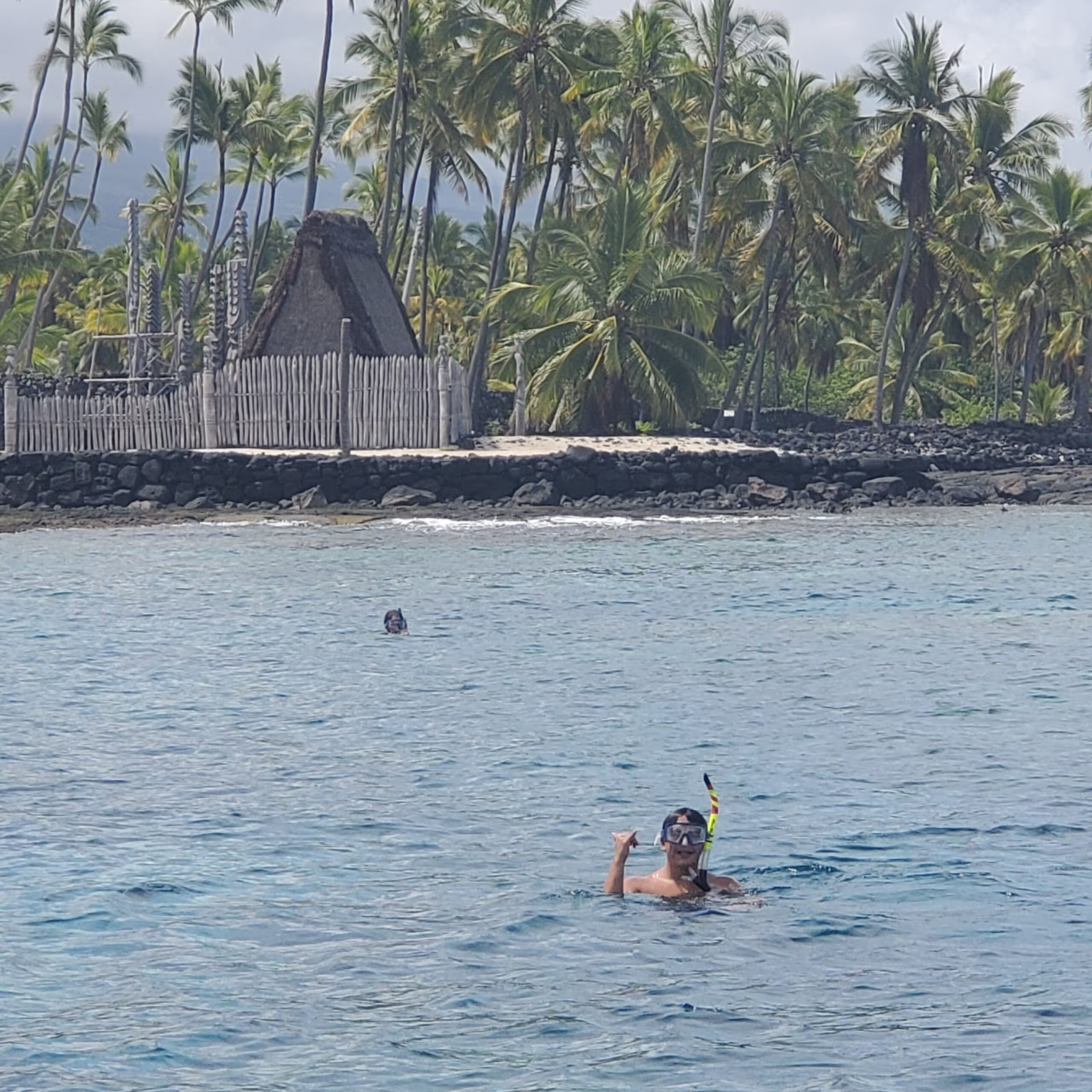
A visit to Puʻuhonua o Hōnaunau National Historical Park, located 20 miles south of town, offers deep insight into ancient Hawaiian governance and spiritual law. Historically, if someone broke a sacred law (kapu), the penalty was severe. However, if the lawbreaker managed to swim across the bay and reach this sacred sanctuary of refuge (puʻuhonua), they were absolved by priests and granted full protection. The 180-acre site features restored thatch-roof structures (hale), wooden carved images (kiʻi), and a massive mortarless stone barrier known as the Great Wall, constructed around 1550.
Just north of downtown sits Kaloko-Honokōhau National Historical Park. This coastal park demonstrates early Hawaiian engineering, featuring ancient fishponds (loko iʻa) designed to capture and farm fish using clever ocean sluice gates. Quiet walking trails lead past ancient house foundations, petroglyphs, and wetlands where migratory coastal birds nest alongside resting green sea turtles.
To discover additional off-the-beaten-path cultural experiences, review this guide to 17 Unique Things To Do In Kona, Hawaii That Most Tourists Never Find.
Cultural Things to Do in Kailua Kona Big Island
You do not need to drive far to experience Hawaiian royal history. Right along Aliʻi Drive in central Kona, two significant historical structures sit across from each other.
Huliheʻe Palace, built in 1838 out of native lava rock, coral, and koa wood, originally served as a summer residence for Hawaiian monarchs such as King Kalākaua and Queen Kapiʻolani. Today, the Palace operates as a public museum showcasing personal royal artifacts, ornate Victorian-era Hawaiian furniture, and traditional feathered leis.
Directly across the street stands Mokuaikaua Church, completed in 1837 as the first Christian church established in Hawaii. Constructed using lava stones salvaged from an older native temple (heiau) and held together with mortar made from burned coral, the church features a beautiful timber interior fashioned from local ʻōhiʻa trees.
Strolling these sites offers an insightful context for local heritage. For a broader look at downtown historical points, read our overview on Attractions in Kailua-Kona.
Kona Coffee Farm Tours and Local Cuisine
The mineral-rich volcanic soil on the western slopes of Mount Hualālai creates ideal agricultural conditions for growing premium coffee. The official Kona Coffee Belt spans a narrow strip roughly 30 miles long, situated between 1,000 and 3,000 feet in elevation. Afternoon cloud cover and mild morning sunshine produce large, aromatic coffee beans.
Over 600 small, independent family farms cultivate coffee along these slopes. Many estates offer walk-in tastings and educational tours explaining how coffee cherries are hand-harvested, pulped, sun-dried on wooden decks (hoshidana), and roasted. When purchasing beans, look specifically for labels reading "100% Kona Coffee," as products marked "Kona Blend" are legally permitted to contain as little as 10% authentic local coffee.
After visiting coffee country, explore local food options back in town:
- Fresh Poke: Hawaii's iconic dish of cubed raw ahi tuna tossed with sea salt, soy sauce, sesame oil, green onions, and seaweed (limu). Casual seafood counter shops near downtown offer fantastic daily varieties.
- Traditional Plate Lunch: A hearty island staple consisting of standard scoops of white rice, creamy macaroni salad, and a savory protein such as kalua pork, chicken katsu, or loco moco (a burger patty topped with a fried egg and rich brown gravy).
- Shave Ice: Finely shaved ice topped with fruit syrups like passion fruit (lillikoʻi), mango, and guava, often served over a scoop of vanilla ice cream or azuki beans with a drizzle of sweetened condensed milk ("snow cap").
For detailed culinary ideas and sight listings, check out this guide to Top Things To Do In Kona - Must See Attractions.
Practical Travel Logistics and Planning Tips
Planning your day-to-day logistics smoothly ensures a relaxed vacation. Kailua-Kona experiences warm, sunny weather year-round, with average high temperatures ranging from 78°F in winter to 85°F in mid-summer. Thanks to the towering Kohala and Mauna Kea peaks blocking windward trade winds, Kona receives only about 20 rainy days per year, making outdoor plans highly reliable.
Renting a vehicle is highly recommended when visiting the Big Island. Public transportation like the island-wide Hele-On Bus exists, but routes are tailored primarily for daily commuter paths rather than beach hopping or farm visiting.
When driving around Kona, keep these practical parking and navigation tips in mind:
- Downtown Parking: Free parking can be found in public lots behind the Kona Farmers Market and near Kailua Pier, though spots fill up by mid-morning. Metered street parking along Aliʻi Drive is convenient for brief oceanfront walks.
- Beach Access Parking: Popular parks like Kua Bay and Kahaluʻu have limited parking spaces. Plan to arrive before 8:30 a.m. or after 3:00 p.m. to secure a spot without hassle.
- Navigating Distance: Driving across the island takes time. Reaching Hilo or Volcanoes National Park requires 2 to 2.5 hours each way via Saddle Road (Highway 200). Keep your fuel tank topped off when driving into rural districts.
For extended destination logistics, review the detailed Kailua-Kona Travel Guide: Beaches, Activities & Costs (2026).
Where to Stay in Kailua-Kona
Selecting where to establish your base depends on your travel budget and activity preferences:
- Central Downtown Kona: Staying near Aliʻi Drive provides walkable access to shops, restaurants, historical sites, and Kailua Pier. Accommodations here consist mostly of mid-range oceanfront condominiums and small boutique hotels.
- Keauhou Bay Area: Situated 7 miles south of town, Keauhou offers a quieter residential resort atmosphere. It serves as the primary departure point for boat tours, including our small-group snorkeling trips, and sits right next to top snorkeling at Kahaluʻu Beach Park.
- Kohala Coast Resorts: Located 30 to 45 minutes north of Kona, luxury resort complexes feature gated properties, manicured golf courses, and quiet sandy bays. These resorts provide extensive amenities but require a drive to access Kona's local dining scene.
Packing and Sustainability Best Practices
As a small, woman- and veteran-owned marine eco-tour operator founded on a passion for ocean naturalism, sustainable practices are central to how we operate. Hawaii’s marine ecosystems are fragile, so minor conscious choices by visitors make a substantial impact.
State law mandates the use of mineral-based reef-safe sunscreen containing only non-nano zinc oxide or titanium dioxide. Chemical ingredients like oxybenzone and octinoxate bleach coral reefs and harm young marine life. Applying a snug UV rash guard shirt while swimming reduces sunscreen needs altogether.
Please observe these additional travel guidelines:
- Keep Wildlife Distances: Stay at least 10 feet (3 meters) away from wild green sea turtles and Hawaiian monk seals on shore or in the ocean. Maintain at least 50 yards (150 feet) from wild spinner dolphins.
- Bring Reusable Bags and Bottles: Hawaii has eliminated single-use plastic grocery bags. Pack a foldable tote bag for market shopping and a durable insulated water flask to stay hydrated under the tropical sun.
- Respect Coral Structures: Never stand on, kick, or step on live coral heads. Coral polyps are living animals that grow only a fraction of an inch each year.
For more helpful preparation details, read our official Know Before You Go checklist.
Sample 3-Day Kailua-Kona Itinerary
If you have a short stay in Kailua-Kona, this simple three-day framework balances ocean adventure, cultural sites, and regional dining.
Day 1: Historic Kona Town & Night Manta Snorkel
- Morning: Arrive in Kailua-Kona, drop off bags, and take a casual walking tour of Aliʻi Drive. Walk through Huliheʻe Palace and admire the architecture of Mokuaikaua Church.
- Lunch: Grab fresh ahi poke from a counter downtown and enjoy it oceanfront along the Kailua Bay seawall.
- Afternoon: Head over to Kamakahonu Beach to paddleboard or relax near shallow waters.
- Evening: Travel to Keauhou Bay to embark on a guided Manta Ray Night Snorkel. Watch gentle rays feed beneath light boards before enjoying dinner in town.
Day 2: Reef Snorkeling & Sunny Northern Beaches
- Morning: Wake early for an offshore snorkel tour to Kealakekua Bay near Captain Cook Monument to swim alongside tropical fish and sea turtles over vibrant reef formations.
- Lunch: Head north for a local plate lunch featuring kalua pork or loco moco.
- Afternoon: Drive 30 minutes north to Maniniʻōwali Beach (Kua Bay) for an afternoon of sunbathing and ocean swimming on white sands.
- Evening: Watch the sunset from Magic Sands Beach Park, then enjoy fresh seafood and craft beverages at an oceanfront restaurant along Aliʻi Drive.
Day 3: Coffee Slopes & Ancient Sanctuaries
- Morning: Drive inland along Highway 11 into the Holualoa Coffee Belt. Stop at a local coffee farm for a free tour, walk through coffee orchards, and sample fresh single-origin roasts.
- Lunch: Enjoy lunch at a cliffside cafe south of town overlooking coastal ocean views.
- Afternoon: Continue south to Puʻuhonua o Hōnaunau National Historical Park. Walk through sacred grounds, view carved wooden statues, and explore neighboring Two-Step Cove.
- Evening: Conclude your trip with shaved ice downtown while watching the final green flash sunset over the Pacific horizon.
For further travel inspiration, browse The Best Kona Itinerary: 3 Days in Kona, Hawaii and our guide to the Best Free Things Kona Guide.
Frequently Asked Questions About Kona Travel
What is the best month to visit Kailua-Kona?
Kailua-Kona features pleasant, sunny weather throughout the year. Shoulder months like September through November and April through May offer warm water temperatures, low rainfall, and smaller tourist crowds. If seeing migrating humpback whales is your priority, schedule your trip between January and March.
Do you need a rental car in Kailua-Kona?
Yes, renting a vehicle is strongly recommended. While downtown Kona along Aliʻi Drive is easily walkable, having a car allows you to explore remote beaches like Kua Bay, visit coffee farms in Holualoa, drive south to cultural parks, or travel across Saddle Road to Hilo and Hawaii Volcanoes National Park.
How far is Kailua-Kona from Kona International Airport?
Kona International Airport (KOA) is located about 8 miles north of downtown Kailua-Kona. The drive along Queen Kaʻahumanu Highway (Highway 19) takes approximately 15 minutes by rental car or rideshare under normal traffic conditions.
Conclusion
From swimming alongside tropical fish in clear waters to exploring historic royal grounds and sampling world-renowned coffee, the wide variety of things to do in Kailua Kona Big Island makes it an exceptional destination for travelers.
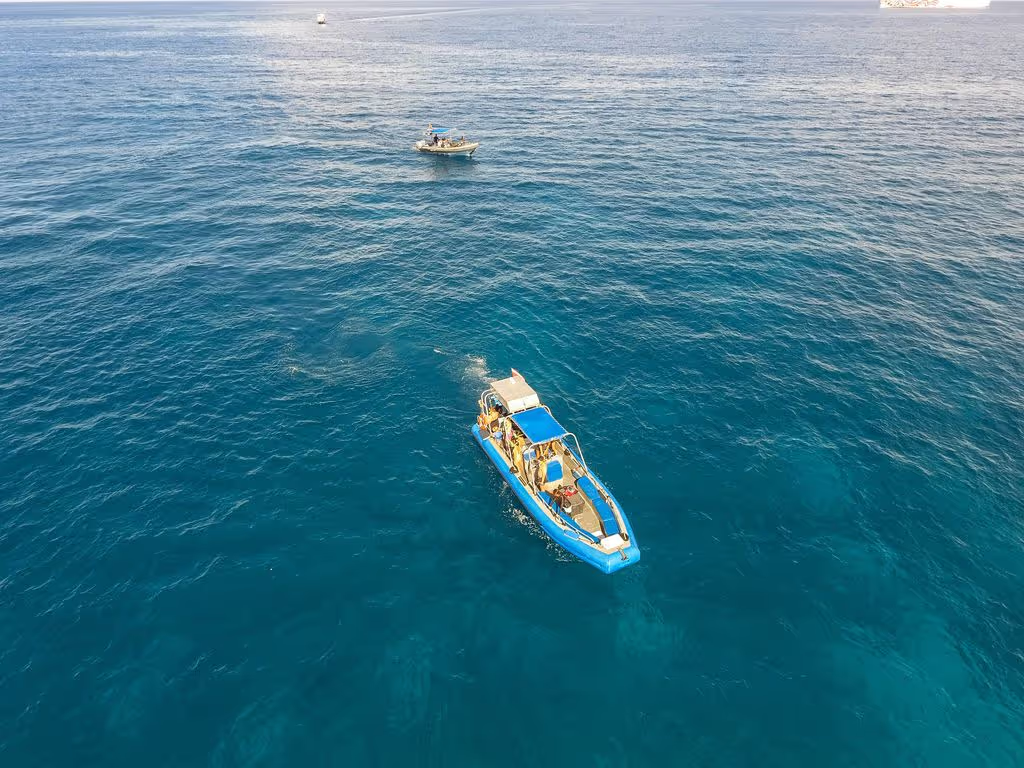
At Dolphin Discoveries, we love introducing visitors to the marine wildlife that makes the Kona Coast so special. Our small-group boat tours, capped at 6 to 14 guests depending on the vessel, ensure that your ocean experience feels personal, relaxed, and deeply educational. Whether you choose our Captain Cook Snorkel Tour starting at $79.99 per person, join a 2-hour Manta Ray Night Snorkel or Dolphin & Whale Watching trip starting at $99.99 per person, or reserve our 4-hour Kona Snorkel Tour featuring two distinct reef spots starting at $109.99 per person, our naturalists are excited to share their knowledge with you. We also offer private boat charters starting at $1,050 for custom ocean outings.
When you are ready to venture onto the water, browse our full list of Kona Boat Tours to plan your next ocean outing.