


The Hawaiian monk seal is one of the most endangered seal species in the world, and it lives only in Hawaii. If you spot one resting on a Big Island beach or gliding past a reef, you are seeing something special. This guide covers Hawaiian monk seal facts, where they live, what they eat, and the simple rules that keep both you and the seals safe.
What Is a Hawaiian Monk Seal?
The Hawaiian monk seal is a seal species found nowhere else in the world. Hawaii's Division of Aquatic Resources (DAR) calls it endemic to the Hawaiian archipelago. Its Hawaiian name is ʻīlio-holo-i-ka-uaua, which DAR translates as "dog that runs in rough water."
Here is a quick look at the basics:
- Length - 6 to 7 feet, according to NOAA Fisheries and DAR.
- Color - Brown to light gray. DAR says newborn pups are black and turn gray and brown as they grow.
- Lifespan - NOAA lists a maximum age of over 30 years. DAR says they can live up to 30 years.
- Status - NOAA calls it one of the most endangered seal species in the world. It is listed as endangered under the Endangered Species Act.

How Many Hawaiian Monk Seals Are Left?
DAR puts the population at around 1,600 seals. About 1,200 live in the remote Northwestern Hawaiian Islands, inside Papahānaumokuākea. Only about 400 live in the main Hawaiian Islands, which include the Big Island.
That small number is why every seal matters. DAR asks people to report all sightings, even of healthy seals, so scientists can track the population.
What Do Hawaiian Monk Seals Eat?
DAR describes monk seals as generalist feeders. They eat a wide variety of prey, mostly animals that live on the bottom of the reef:
- Sea cucumbers
- Eels
- Octopus
- Lobster
- Many kinds of reef fish
They don't hunt open-ocean fish like mahi-mahi or ahi. While foraging, they often flip rocks with their noses to find hidden prey. DAR says monk seals can hold their breath for up to 20 minutes and dive deeper than 1,800 feet.
Why Monk Seals Rest on Beaches
Seeing a seal lying still on the sand can be alarming the first time. Most of the time, it is just resting. DAR calls this "hauling out," and it is normal. Scars, eye mucus and patchy fur from molting are also normal.
Please don't try to push a resting seal back into the water. Monk seals sleep soundly on shore, but Hawaii's Department of Land and Natural Resources (DLNR) has warned they can and do bite when disturbed.
Mothers and pups
A DLNR release from April 2026 says monk seals give birth year-round, with March through August the busiest months. Mothers nurse their pups on the beach for five to seven weeks. Mother seals can weigh several hundred pounds and may bite if they feel threatened, so this is the time to give them the most room.
What to Do If You See a Monk Seal: Step by Step
Whether you are on a beach or snorkeling over a reef, the same steps apply. They come from DAR, DLNR and NOAA guidance.
- Stop and back away - Stay at least 50 feet from any monk seal, on land and in the water.
- Give mothers extra space - Stay at least 150 feet from a mother and pup, and don't swim near them. DAR notes that protective mothers have seriously injured people.
- Use the thumb rule - Close one eye and hold up your thumb. If your thumb covers the seal, you are far enough away.
- Let it rest - Resting on shore is normal. Don't try to wake it or move it.
- Never touch or feed - Don't touch, feed, chase or try to interact with a seal.
- In the water, move away - If a seal swims toward you, calmly swim off rather than trying to get closer.
- Report it - Call the NOAA Marine Wildlife Hotline at (888) 256-9840 to report a sighting, and call right away if a seal looks injured or entangled.

Laws That Protect Monk Seals
Monk seals are protected by the federal Endangered Species Act and the Marine Mammal Protection Act, and by Hawaii state law (HRS Chapter 195D). DLNR states that it is illegal to harass, disturb or harm them.
If you see someone bothering a seal, you can call the NOAA Fisheries Enforcement Hotline at (800) 853-1964 or DLNR's enforcement line at (808) 643-DLNR.
Threats Monk Seals Face
NOAA lists food limitation, shark predation, entanglement, male aggression, habitat loss, disease and human impacts as threats. Two stand out for visitors and residents:
- Marine debris - DAR says monk seals get entangled in marine debris more often than any other seal or sea lion species. Pack out fishing line and trash.
- Toxoplasmosis - DAR calls this disease one of the primary threats. Keeping pet cats indoors and not feeding stray cats are among the best ways to help.
Seeing Wildlife on a Kona Boat Tour
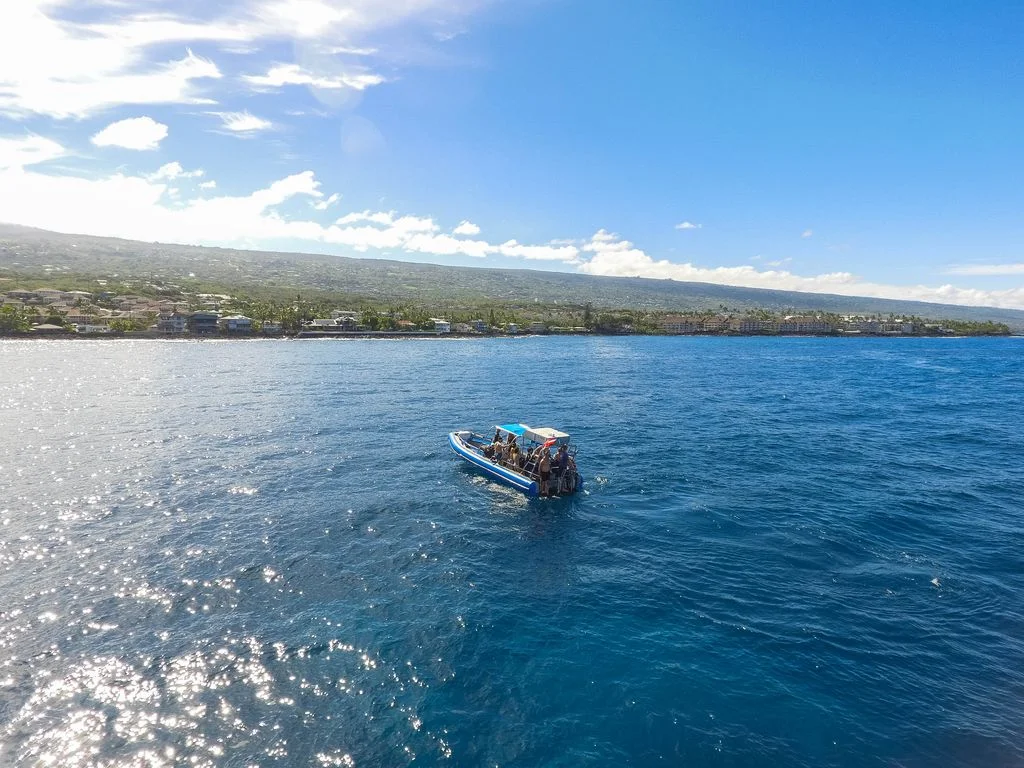
Monk seals are rare in the main islands, so a sighting is a bonus, never a promise. Our Dolphin and Whale Watching Kailua-Kona tour lists monk seals, sea turtles and manta rays among the wildlife guests may see, along with spinner dolphins and, in season, humpback whales. It runs 2.5 hours with check-in time built into the schedule, costs $99.99, and is open to guests ages 5 to 70. There is no swimming on this tour. Early whale season starts in November, and peak season runs December through March. Planning whale watching in Kona this winter? Book on our website.
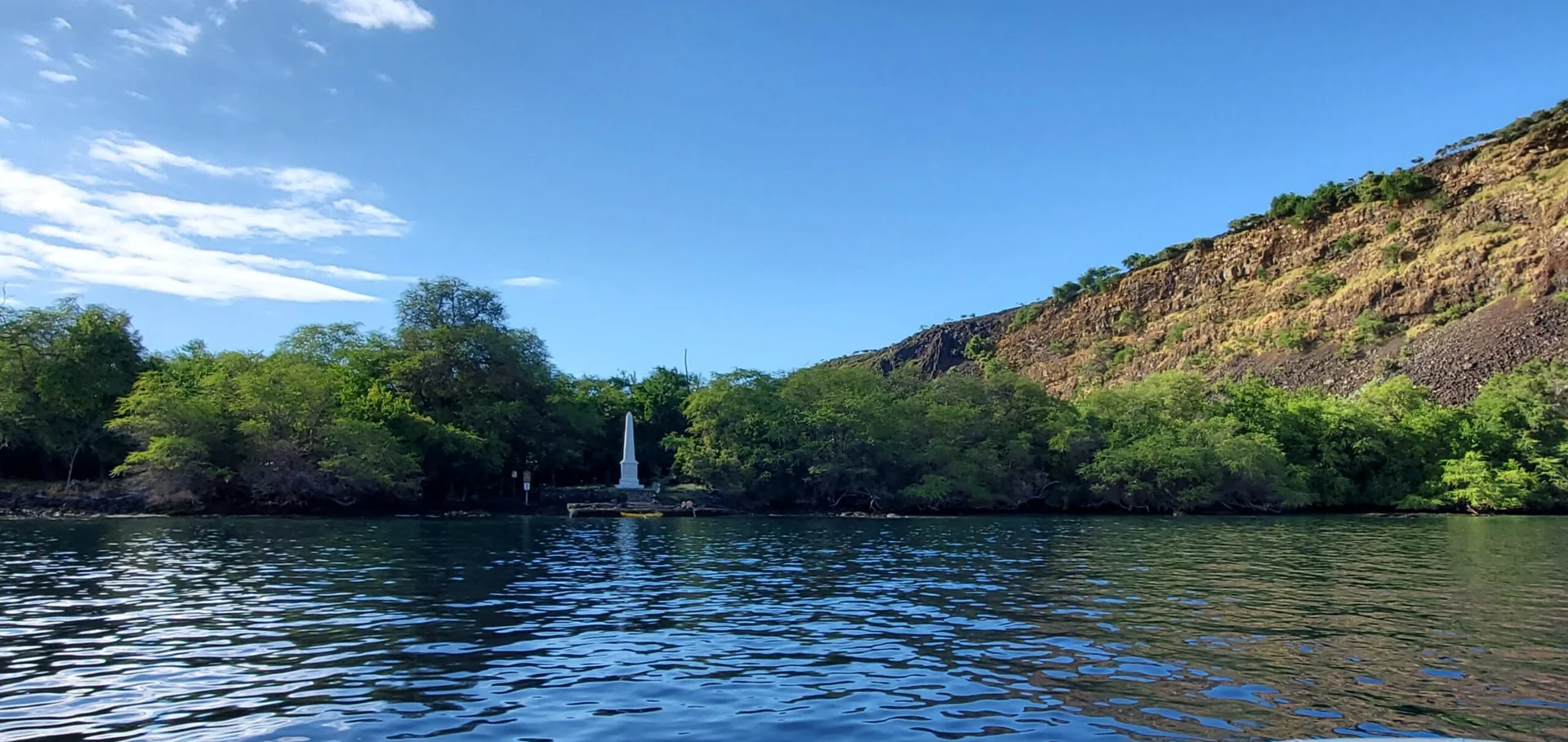
If you would rather be in the water, our Captain Cook snorkel tour takes you to the reefs of Kealakekua Bay. It is 3.5 hours including check-in time, $99.99, for ages 6 to 70. New snorkelers may like the slower pace of the Morning Captain Cook Snorkel Adventure. If you see a monk seal while snorkeling, the 50-foot rule applies in the water too. Guests who snorkel must know how to swim.
For more Hawaii wildlife etiquette, read our guide to sea turtles in Hawaii, or learn about Hawaiian spinner dolphins. Our Know Before You Go page covers what to bring.
Frequently Asked Questions
Where do Hawaiian monk seals live?
Only in Hawaii. DAR says about 1,200 live in the Northwestern Hawaiian Islands and about 400 in the main Hawaiian Islands.
How close can you get to a Hawaiian monk seal?
Stay at least 50 feet away on land and in the water, and at least 150 feet from a mother and pup.
Is it illegal to touch a monk seal in Hawaii?
Yes. Monk seals are protected under state and federal law, and it is illegal to harass, disturb or harm them. Never touch or feed one.
Are Hawaiian monk seals dangerous?
They might seem docile, but they are wild animals. DLNR warns that seals can bite when disturbed, and DAR notes protective mothers have seriously injured people.
Why is the Hawaiian monk seal endangered?
The population is small, around 1,600 seals. NOAA lists threats including food limitation, shark predation, entanglement, disease and human impacts.
Will we see a monk seal on a Dolphin Discoveries tour?
Maybe, but sightings are never guaranteed. Monk seals are rare in the main islands. On our dolphin and whale tour, your captain narrates what you see along the way.
Ready to look for Kona's marine life? Book a Dolphin and Whale Watching Kailua-Kona tour on our website, or call (808) 322-8000 with questions.