

Best Time to Visit Kona, Hawaii: AMonth-by-Month Guide to Dolphins, Whales, Manta Rays & Snorkeling
Planning a trip to the Big Island and wondering when to go?You're not alone. One of the most common questions visitors ask before bookingtheir Hawaiian getaway is: When is the best time to visit Kona, Hawaii? Theshort answer is that Kona is incredible year-round -- but depending on what youwant to experience, certain months offer something truly special.
From humpback whale season and playful spinner dolphins toworld-class snorkeling in Kona, Hawaii and nightly encounters with giant mantarays, this guide breaks down what you can expect every month of the year.Whether you're a first-time visitor or a returning ocean enthusiast, thismonth-by-month calendar will help you make the most of your Kona adventure.
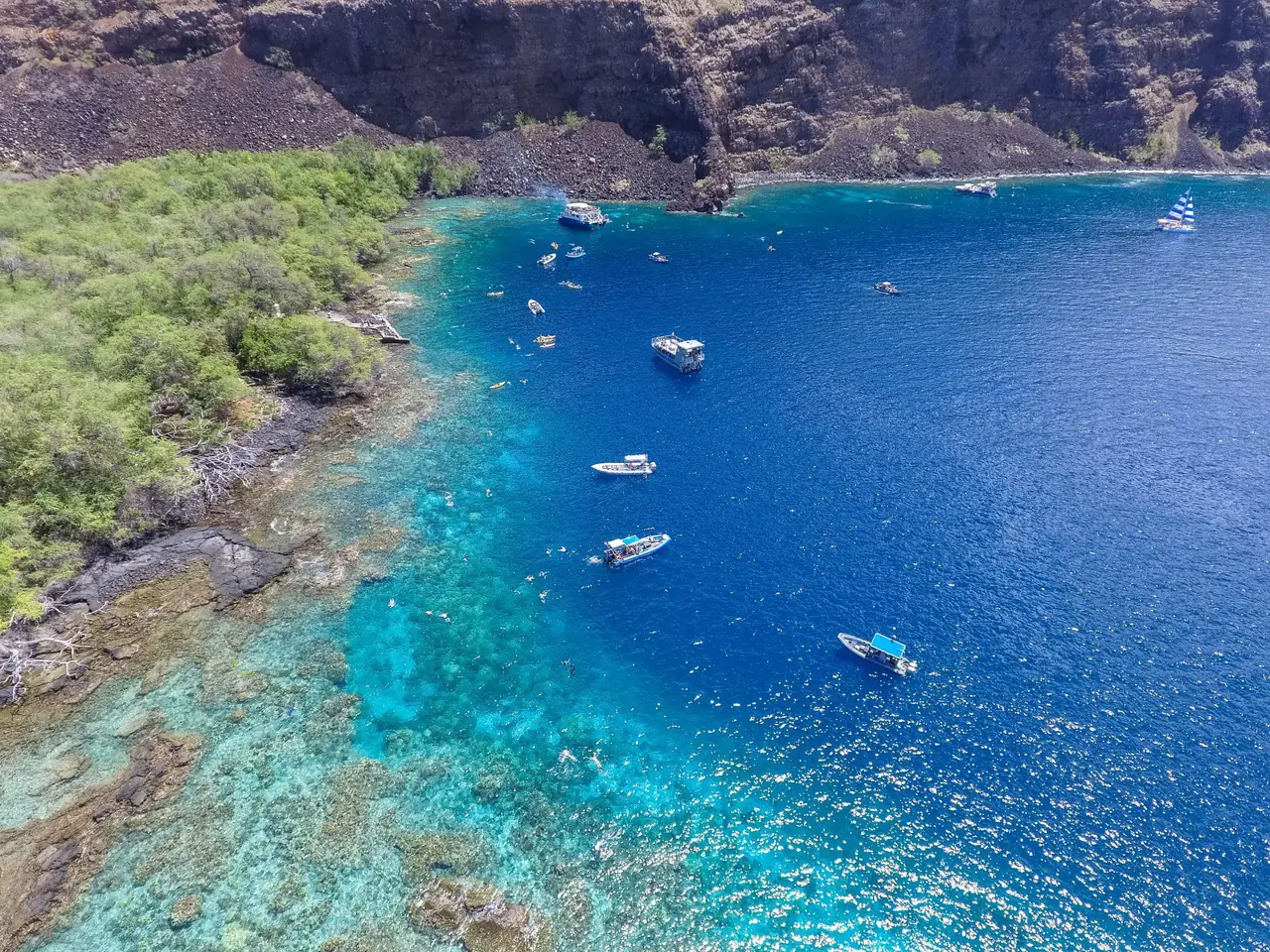
he stunning Kona coastline -- crystal-clear waters awaityear-round.
Why Kona Is a Year-Round Ocean Destination
Unlike many beach destinations that have a clear off-season,Kona's sheltered west-side location means calm seas, abundant sunshine, andwarm water temperatures (averaging 75-80 degrees F / 24-27 degrees C) everysingle month. Positioned on the leeward side of Mauna Kea and Mauna Loa, Konararely sees the heavy rainfall that affects the windward side of the island.That translates to 300+ sunny days per year and near-perfect conditions forkona hawaii activities on the water.
A few things stay consistent no matter when you visit:
· Reef fish, sea turtles, and colorful coralvisible year-round
· Manta ray night snorkel tours run 365 nights ayear
· Water visibility typically 60-100+ feet on calmdays
· Spinner dolphins frequently encountered onmorning tours
· Big game fishing, snorkeling, and kayak toursavailable daily
Month-by-Month Guide to Kona Ocean Experiences
January & February: Peak Humpback Whale Season
If whale watching is on your Kona bucket list, January andFebruary are your golden window. Humpback whales (Megaptera novaeangliae)migrate from Alaska to Hawaiian waters each winter to breed and give birth, andthe waters off Kona's coast become a spectacular stage for their acrobaticbreaches, tail slaps, and haunting songs.
January typically brings the highest whale density, withpeak activity continuing through mid-March. On many morning tours, guestsreport seeing multiple whales within just a few miles of the harbor. Combinethat with the always-reliable manta ray night snorkel kona experience, andJanuary/February offer an unbeatable double feature for any wildlife lover.
· Best for: Whale watching, manta ray nightsnorkeling, calm seas
· Water temp: 75-76 degrees F
· Crowds: Moderate -- holiday rush subsides, butwhale-seekers arrive
· Tip: Book whale watch tours early -- Januarymornings sell out fast
Manta rays glide gracefully during a night snorkel in Kona,Hawaii.
March & April: Spring Snorkeling Perfection
By March, humpback sightings begin to taper off as thewhales head back north, but the snorkeling in kona hawaii reaches some of itsbest conditions of the year. Visibility is exceptional, trade winds are light,and the water is comfortably warm without the summer heat.
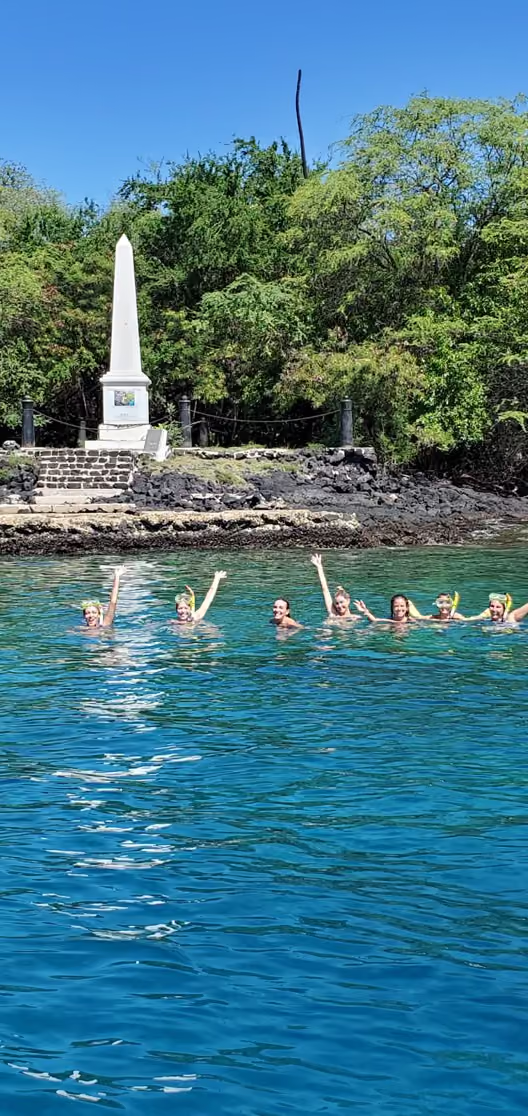
Kealakekua Bay -- one of Hawaii's most protected marinesanctuaries and home to the famous Captain Cook Monument -- is at its mostpristine in spring. Schools of yellow tang, Moorish idols, and the occasionalpod of spinner dolphins make every morning trip feel like swimming in anaquarium. Sea turtles (honu) are active and frequently spotted resting on thereef or cruising near snorkelers.
· Best for: Snorkeling, dolphins, sea turtles,families
· Water temp: 76-77 degrees F
· Crowds: Low-to-moderate -- great for avoidingpeak summer rush
· Tip: Ideal for beginners -- calm conditions makelearning to snorkel easy
May & June: Long Days, Clear Water, Calm Seas
Late spring is a beloved sweet spot for experienced Konaocean-goers. The days are long (up to 13 hours of daylight), the seas aresettled, and tourist crowds are lighter than peak summer. For those planningkona hawaii activities that mix multiple ocean experiences -- snorkeling in themorning, kayaking in the afternoon, and a manta ray tour at dusk -- May andJune offer the flexibility to do it all.
Spinner dolphin pods are extremely active this time of year.These athletic, social dolphins are often spotted leaping and spinning just offthe bow of tour boats in the early morning hours, having rested in the shallowbays overnight. Seeing a hundred spinners performing aerial acrobatics atsunrise is a Kona memory that stays with you forever.
· Best for: All-around snorkeling, spinnerdolphins, kayaking, manta rays
· Water temp: 77-78 degrees F
· Crowds: Light -- the best bang for your booking
· Tip: Early mornings offer the calmest seas andbest dolphin sightings
Happy snorkelers exploring the vibrant reefs off Kona'scoast.
Ready to snorkel Kona? Visit DolphinDiscoveries to explore ourfull schedule of morning snorkel tours, Captain Cook adventures, and manta raynight experiences. We run tours 365 days a year!
July & August: Summer Peak -- Families & Fun
Summer is the busiest season in Kona, and for good reason.School is out, families descend on the Big Island, and the energy on the wateris electric. The ocean is at its warmest (79-81 degrees F), making it ideal forkids and first-time snorkelers who may be hesitant about cooler water.
Whale shark sightings -- rare and thrilling encounters withthe world's largest fish -- tick up slightly during summer months, though thesegentle giants are unpredictable. Manta rays continue their reliable nightlyfeeding shows, and the reefs are teeming with life. Book your tours well inadvance for July and August; popular departure times fill weeks ahead.
· Best for: Families, first-timers, warmest watertemperatures
· Water temp: 79-81 degrees F
· Crowds: High -- peak season, book early
· Tip: Early morning departures beat the crowdsand get calmer seas
September & October: The Hidden Gem Season
Ask any local or seasoned Hawaii traveler and they'll letyou in on a secret: September and October are among the best months to visitKona. The summer crowds have gone home, prices drop, and the ocean is stillwarm and crystal-clear. You'll often have tour boats nearly to yourself.
This is also when the larger pelagic species start showingup more frequently offshore -- false killer whales, pilot whales, andbottlenose dolphins are regular autumn visitors to Kona's deep blue waters. Themanta ray night snorkel kona experience is arguably at its most magical duringthese months, as plankton blooms draw more mantas to the feeding sites nearKeauhou Bay.
· Best for: Budget travelers, pelagic wildlife,manta rays, fewer crowds
· Water temp: 80 degrees F -- still warm fromsummer
· Crowds: Low -- the best-kept secret in Konatourism
· Tip: September is hurricane season, but Konararely sees direct impacts
A Hawaiian green sea turtle rests near the reef -- amagical Kona encounter.
November & December: Humpbacks Return & Holiday Magic
As the calendar turns toward the end of the year, Konabegins to stir with excitement -- the humpback whales are on their way back.While the peak of whale watching kona hawaii falls in January and February,early arrivals are often spotted in December. December also brings holidayvisitors who want to spend Christmas and New Year's in paradise.
Snorkeling conditions in November and December remainexcellent on most days, though occasional north swells can briefly affect thenorth-facing bays. The Kona coast's protected beaches stay calm. Manta raytours operate nightly, and there's something undeniably special about floatingabove a dozen glowing mantas under a winter sky as the year winds down.
· Best for: Holiday travel, early whale sightings,manta rays
· Water temp: 77-78 degrees F
· Crowds: High in late December -- book ahead
· Tip: Thanksgiving week is surprisingly uncrowded-- a great local favorite
The One Thing That Never Changes: Manta Ray Night Snorkeling
No matter what month you visit Kona, there's one oceanexperience that runs every single night of the year (weather permitting): thelegendary manta ray night snorkel. Unlike humpback whales or seasonal dolphins,the giant Pacific manta rays that call Kona home are permanent residents. Theyfeed in the nutrient-rich waters near Keauhou Bay and Garden Eel Cove everynight, drawn by plankton that gather around underwater lights.
Floating on the surface above a dozen or moreeight-to-twelve-foot wingspan manta rays as they barrel-roll and somersaultjust inches below you is, without question, one of the most awe-inspiringwildlife experiences on the planet. No scuba certification required --snorkeling or even using a flotation board is all you need. Children as youngas five have experienced this incredible encounter.
This is why so many visitors plan their entire Konaitinerary around the manta ray night snorkel. Rain or shine, January or August,the mantas show up. It is the anchor experience of any Kona ocean adventure --and the one guests talk about for years.
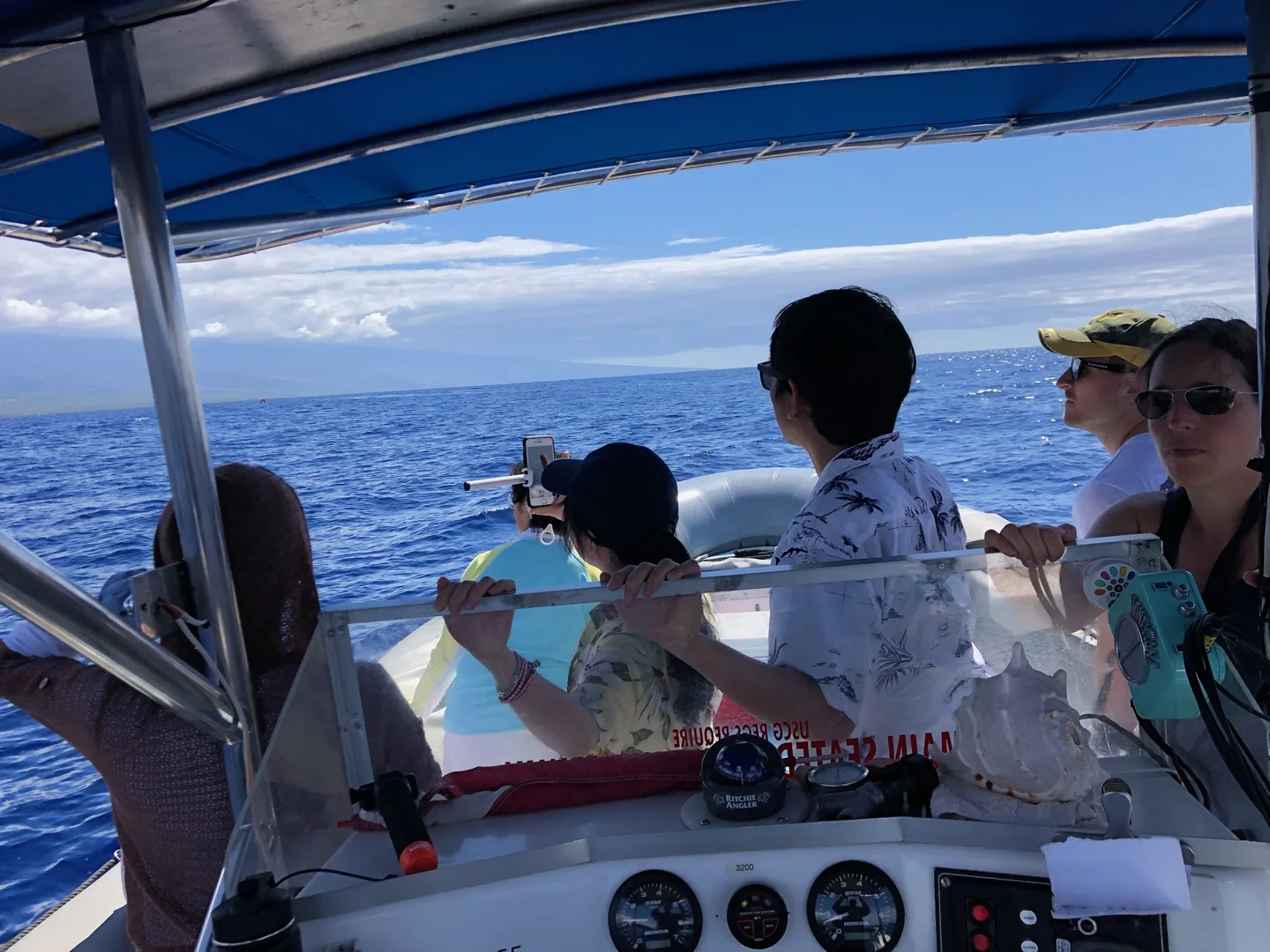
Dolphin Discoveries' boat heads out for a morning oceanadventure in Kona.
Tips for Planning Your Kona Ocean Adventure
· Booktours in advance: Especially for July, August, and the Christmas-New Yearwindow. Popular morning departures and manta ray night tours sell out days toweeks ahead.
· Layeryour experiences: Combine a morning snorkel to Kealakekua Bay with anafternoon at a turtle beach, then cap the day with a manta ray night snorkelfor the ultimate Kona triple play.
· Choose areputable local operator: Look for small-group tours led by knowledgeablelocal guides who prioritize marine life safety and visitor experience overpacking in passengers.
· Bringreef-safe sunscreen: Hawaii law requires reef-safe sunscreen (no oxybenzoneor octinoxate). Many operators provide it, but bringing your own is a goodhabit.
· Go early:Morning snorkeling typically offers the calmest seas, best visibility, andthe highest chance of dolphin encounters before they retreat to deeper water.
· Do notskip the night: Manta ray night snorkeling is available year-round. Do notleave Kona without experiencing it -- it genuinely changes people.
Kona's calm Pacific waters offer incredible oceanadventures year-round.
Quick Reference: Best Kona Marine Experiences by Month
Month
Top Wildlife
Conditions
Crowd Level
January
Humpback whales
Excellent
Moderate
February
Humpback whales
Excellent
Moderate
March
Dolphins, turtles
Outstanding
Low
April
Dolphins, sea turtles
Outstanding
Low
May
Spinner dolphins
Perfect
Low
June
Spinner dolphins
Perfect
Low-Moderate
July
Reef fish, all marine
Great
HIGH
August
Reef fish, mantas
Great
HIGH
September
Pelagic cetaceans
Excellent
Low
October
Pilot whales, mantas
Excellent
Low
November
Mantas, early whales
Very Good
Moderate
December
Early humpbacks
Very Good
High (late Dec)
Start Planning Your Kona Ocean Adventure Today
There's no bad time to visit Kona -- only differentexperiences waiting to unfold. Whether you're chasing humpback whales inJanuary, snorkeling Kealakekua Bay in crystal-clear spring waters, or floatingwith manta rays on a warm October night, the Big Island's Kona coast deliversocean magic every single day of the year.
Ready to book your Kona ocean experience? Visit DolphinDiscoveries at dolphindiscoveries.com to explore our full lineup of snorkel tours, Captain Cook adventures,manta ray night snorkels, and whale watching excursions. Our friendly,knowledgeable crew has been sharing the magic of Kona's ocean with visitorsfrom around the world -- and we would love to share it with you.
Theocean is callin