

Top Ocean Excursions and Kona Big Island Things to Do
The top things to do in Kona include night snorkeling with manta rays, exploring coral reefs at Kealakekua Bay, touring historic coffee farms along the slopes of Hualālai, visiting sacred Hawaiian heritage sites, and relaxing on unique white and black sand beaches. Kona’s leeward coast is shielded from heavy northeast trade winds by Mauna Loa and Hualālai, resulting in exceptionally calm, crystal-clear water. This marine environment creates ideal conditions for coral growth and pelagic wildlife encounters. Exploring by sea offers a completely different vantage point than walking the shoreline, especially when choosing small-group Kona boat tours that focus on low-impact, sustainable encounters.
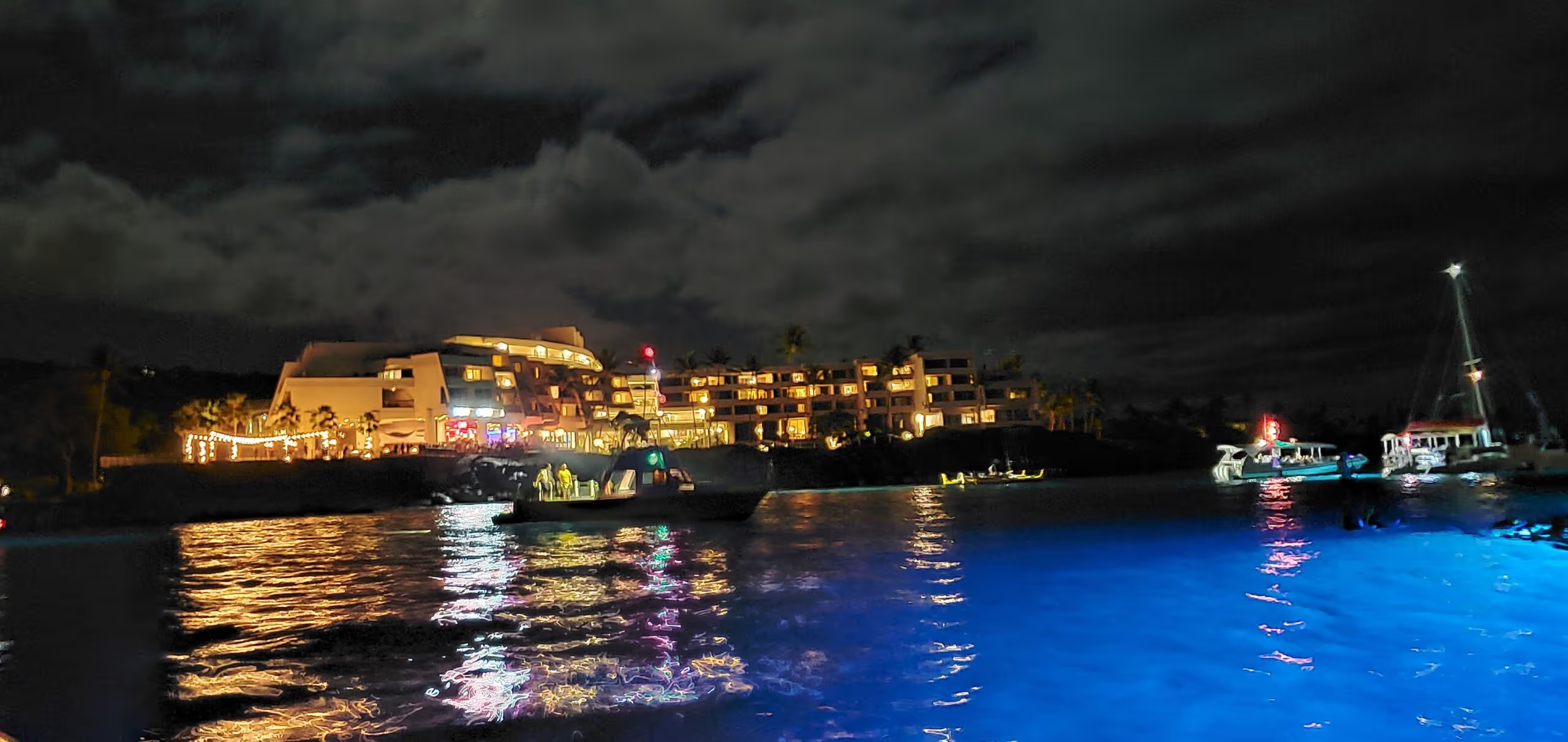
Manta Ray Night Snorkeling in Keauhou Bay
Night snorkeling with coastal manta rays (Mobula alfredi) is one of the most distinctive wildlife encounters in the world. Kona is home to a resident population of reef mantas, which have wingspans reaching up to 12 feet across. Unlike stingrays, manta rays possess no barbs, stingers, or teeth; they are harmless filter feeders that consume microscopic zooplankton.
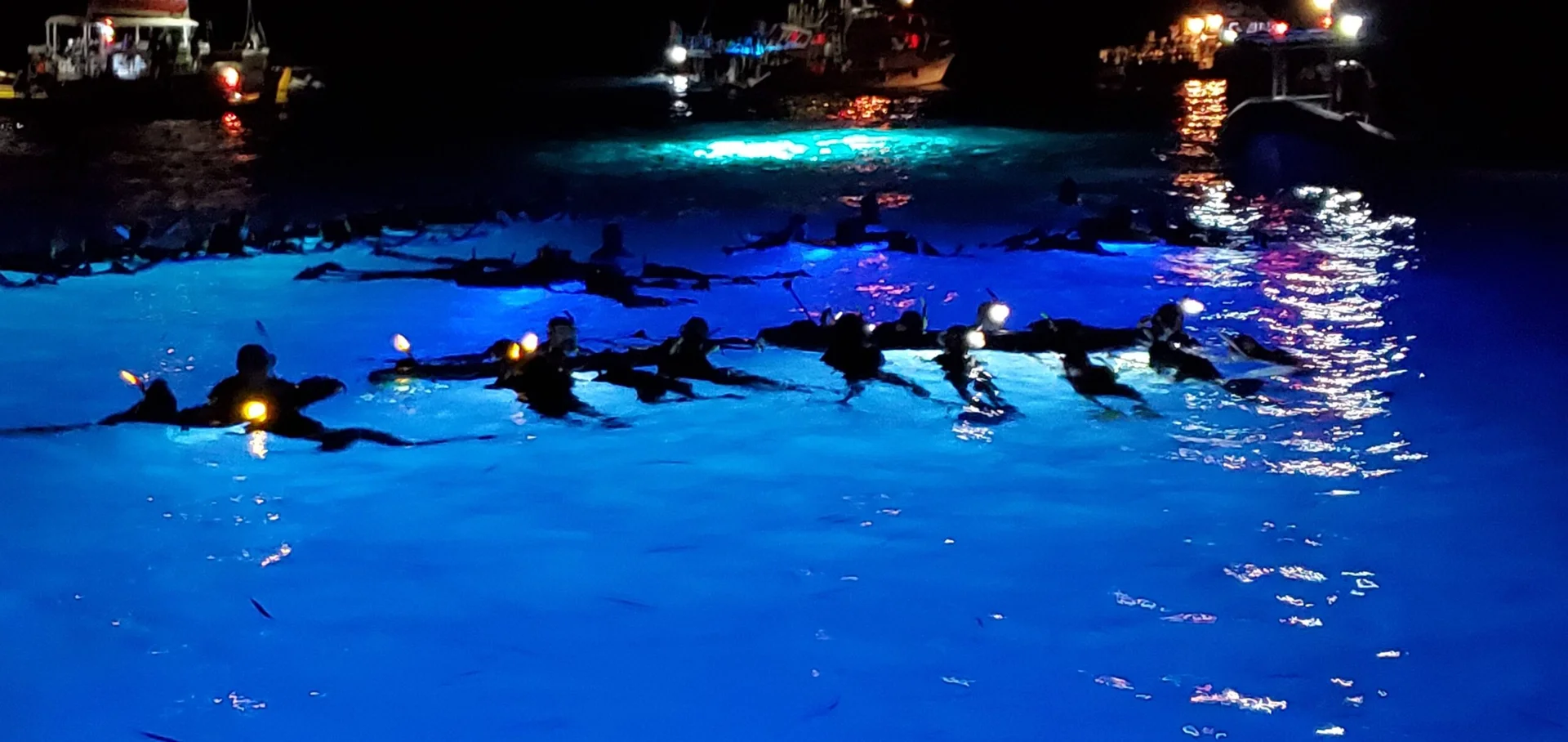
During our manta ray night snorkel departures from Keauhou Bay, specialized high-output light boards illuminate the water column just beneath the surface. The bright light attracts dense concentrations of phototactic plankton. In response, mantas glide upward from the dark reef below, performing gentle, sweeping barrel rolls just inches from your snorkel mask to scoop up the food.
Holding onto a stable, floating surface board allows you to relax and watch this natural feeding behavior without splashing or disrupting the animals. To discover more about their anatomy and unique spot patterns, you can learn about manta rays before you go.
Snorkeling Kealakekua Bay and Marine Reserves
South of Kailua-Kona lies Kealakekua Bay, a designated State Marine Life Conservation District. The bay’s dramatic sea cliffs protect extensive shallow coral gardens home to yellow tangs, parrotfish, moray eels, and green sea turtles (honu).
On the northern shore of the bay stands the white obelisk of the Captain Cook Monument, marking the 1779 site where the British explorer lost his life. The surrounding reef drops off from vibrant coral shallows into deep sapphire waters with visibility that often exceeds 100 feet. Booking a small-group Captain Cook snorkel tour lets you bypass the strenuous 3.8-mile round-trip Napoopoo hike and avoid navigating unpermitted shore drop-offs.
If you want an extended morning exploring multiple reef ecosystems, our two-spot snorkel adventures pair Kealakekua Bay with secondary South Kona locations like the calm coves of Honaunau or the rugged sea caves near Red Hill.
Seasonal Whale Watching and Marine Life Tours
Every winter, more than 8,000 humpback whales (koholā) migrate roughly 3,000 miles from cold Alaskan feeding grounds to the sheltered waters of the Hawaiian Islands to mate, give birth, and nurse their calves. The peak viewing season runs from mid-December through mid-April.
During this period, a dedicated whale watching excursion gives you the chance to observe dynamic surface behaviors, including breaches, tail slaps, and pectoral fin waves. Our vessels are equipped with underwater hydrophones, allowing guests to listen directly to complex, haunting male whale songs reverberating through the ocean.
As a woman- and veteran-owned small-group operation, we prioritize conservation above all. Federal and state laws require maintaining at least 100 yards of distance from humpback whales and 50 yards from wild Hawaiian spinner dolphins. Approaching animals ethically ensures that marine life can rest and nurse undisturbed in their natural habitat.
Cultural Sites, Coffee Farms, and Rainforest Wonders
Beyond its turquoise waters, Kona features a rich tapestry of Hawaiian royal heritage, volcanic agriculture, and diverse upland microclimates. Exploring these inland treasures adds meaningful cultural depth to any itinerary covering attractions in Kailua Kona Hawaii.
Exploring Historic Kailua Village and South Kona Heritage
Downtown Kailua-Kona (often called Kailua Village) sits along scenic Aliʻi Drive and served as an ancient seat of Hawaiian royalty. Notable landmarks include:
- Huliheʻe Palace: A former vacation residence for Hawaiian monarchs showcasing royal artifacts and native koa wood furniture.
- Mokuaikaua Church: Founded in 1820, this is the oldest Christian church in the Hawaiian Islands, constructed using volcanic basalt stones bonded with coral mortar.
- Ahuʻena Heiau: Restored temple grounds located at Kamakahonu Beach, serving as the final residence of King Kamehameha I.
For a high-tech cultural overview, stop by the Flight of Aloha inside the King Kamehameha Kona Beach Hotel, which pairs an immersive 8K flying theater experience with storytelling guided by Native Hawaiian cultural advisors.
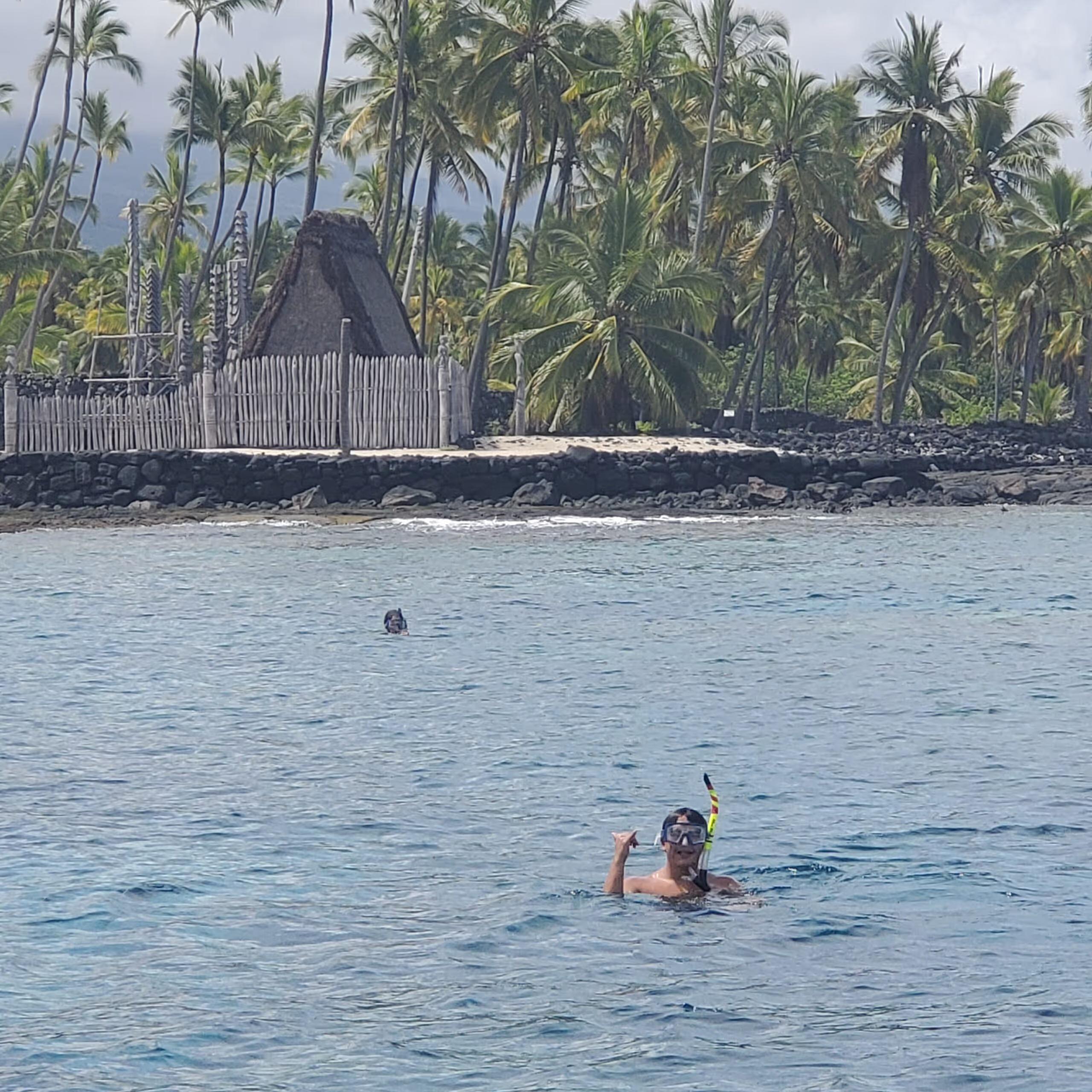
Further south lies Puʻuhonua o Hōnaunau National Historical Park (the Place of Refuge). In ancient times, individuals who broke sacred laws (kapu) or defeated warriors could seek sanctuary within this massive stone-walled compound to receive ceremonial absolution and a fresh start.
Historic Kona Big Island Things to Do: Coffee Tours and Cloud Forests
Rising along the slopes of Hualālai between 800 and 2,500 feet elevation is the world-famous Kona Coffee Belt. The unique combination of nutrient-dense volcanic soil, sunny mornings, mild afternoon rains, and cloud cover provides ideal growing conditions for Arabica beans. Visiting historic farms in Holualoa allows you to walk through active orchards, observe roasting facilities, and sample 100% pure Kona coffee.
Higher up the mountain slope sits the Kona Cloud Forest Sanctuary. This high-elevation montane rainforest captures passing moisture from fog and trade clouds, supporting towering native ʻōhiʻa lehua trees, giant tree ferns, and endemic forest birds just minutes away from the coastal heat.
Cultural Luaus and Island Storytelling
Attending an authentic oceanfront luau provides a classic celebration of Polynesian music, ancestry, and cuisine. The award-winning Voyagers of the Pacific Luau on Kailua Bay guides guests through the history of Polynesian seafaring voyages, traditional imu ground-oven roasting, and a dramatic Samoan fire knife dance finale against the setting sun.
Must-Visit Beaches and Epic Day Trips
The Big Island is geologically the youngest of the Hawaiian chain, offering dramatic shoreline diversity ranging from soft white sands to jet-black volcanic shores. Exploring these shores is one of the most rewarding things to do in Kona with kids.
Classic Kona Big Island Things to Do Across White and Black Sand Beaches
- Maniniʻōwali Beach (Kua Bay): Located within Kekaha Kai State Park, this cove features bright turquoise water and fine white sand, perfect for swimming on calm summer mornings.
- Makalawena Beach: A secluded white sand beach accessible via a 20-minute walk across an unpaved lava field, rewarding hikers with uncrowded shorelines and shade under kiawe trees.
- Magic Sands Beach (Laʻaloa): Known for changing its profile overnight when winter swells temporarily pull the sand offshore to reveal underlying lava rock.
- Punaluʻu Black Sand Beach: Located south of Kona, this pitch-black beach is formed from pulverized basalt lava and is a popular resting spot for Hawaiian green sea turtles.
For budget-friendly trip ideas, check out our best free things Kona Hawaii guide to make the most of local parks and natural landmarks.
Day Tripping to Volcanoes and Waterfalls
While Kona is the ultimate hub for ocean activities, taking a day trip across the island allows you to explore the island's starkly different climate zones.
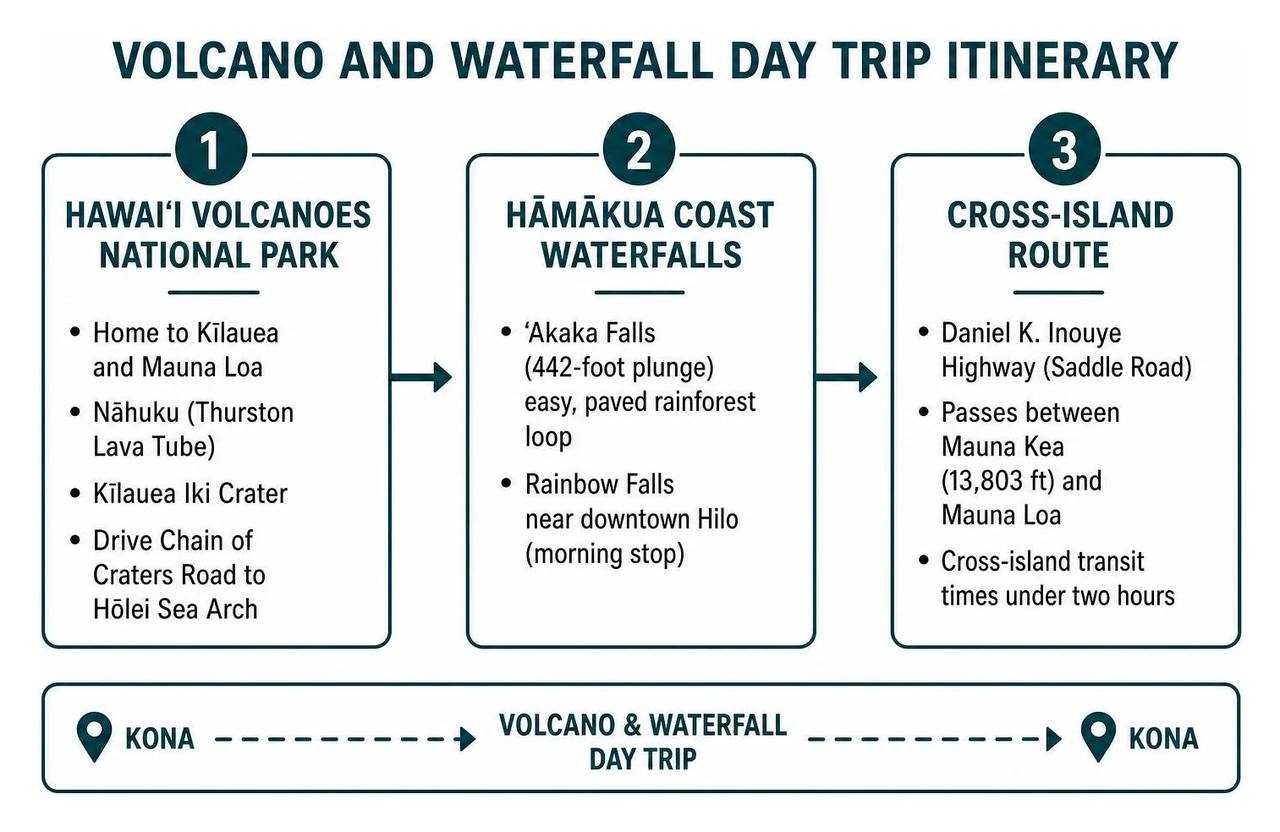
- Hawaiʻi Volcanoes National Park: Home to Kīlauea and Mauna Loa. Walk through the subterranean Nāhuku (Thurston Lava Tube), hike across the hardened magma floor of Kīlauea Iki Crater, and drive down Chain of Craters Road to the Hōlei Sea Arch.
- Hāmākua Coast Waterfalls: Head north toward Hilo to visit the 442-foot plunge of ʻAkaka Falls along an easy, paved rainforest loop, or stop by Rainbow Falls near downtown Hilo early in the morning.
- Cross-Island Routes: Use the modern Daniel K. Inouye Highway (Saddle Road), which passes between Mauna Kea (13,803 ft) and Mauna Loa, cutting cross-island transit times to under two hours. To plan broader island adventures, explore our overview of Big Island tours.
Essential Kona Travel Logistics: Stays, Planning, and Safety
A successful Big Island vacation requires thoughtful logistical planning due to the sheer size of the island, which spans over 4,000 square miles.
Kona vs Hilo and How to Split Your Stay
The Big Island is divided by towering volcanic masses into two distinct environments: the dry, sunny Kona side to the west and the lush, rainy Hilo side to the east.
| Category | Kailua-Kona (West Coast) | Hilo (East Coast) |
|---|---|---|
| Annual Rainy Days | ~20 days/year (Dry, Sunny) | 200+ days/year (Tropical, Lush) |
| Primary Attractions | Snorkeling, Manta Rays, White Sand Beaches, Coffee | Waterfalls, Botanical Gardens, Volcanoes National Park |
| Ocean Conditions | Calm, clear leeward waters; excellent visibility | Rougher surf; windward swells; river runoff |
| Best Stay Duration | 4 to 6 nights (Base for ocean tours) | 1 to 2 nights (Volcano exploration) |
For trips longer than five days, splitting your accommodations—spending the bulk of your time in Kona and two nights in Hilo or Volcano Village—minimizes repetitive driving.
Best Areas to Stay and Getting Around
- Kailua Village (Downtown): Best for first-timers who value walkability to restaurants, shops, and farmers markets along Aliʻi Drive.
- Keauhou: Located 15 minutes south of downtown, this quiet coastal area offers direct proximity to boat departures at Keauhou Bay and excellent shoreline snorkeling.
- Kohala Coast: Situated 30 to 45 minutes north of the airport, home to luxury master-planned oceanfront resorts and expansive golden sand beaches.
Transportation Tips: Renting a vehicle is strongly recommended. Public transit and rideshares are limited outside central Kailua Village. Standard rental contracts typically prohibit driving on unpaved off-road routes such as the upper summit track of Mauna Kea or the steep descent into Waipiʻo Valley.
Frequently Asked Questions About Kona Travel
How many days do you need in Kona?
A minimum of 4 to 5 days is recommended for Kona alone. This gives you enough time to enjoy ocean snorkeling, take a night manta ray tour, tour local coffee farms, and relax on the beaches without feeling rushed. If you plan to explore the entire Big Island, allocate 7 to 10 days.
When is the best time of year to visit Kona?
Kona offers warm, sunny weather year-round. The shoulder months of April to May and September to November provide great weather with fewer crowds. Winter (mid-December through April) is the premier season for humpback whale watching, while summer brings the calmest ocean swells for shore snorkeling.
Do you need to rent a car when visiting Kona?
Yes. Attractions, trailheads, coffee farms, and state parks are spread across vast distances. While you can walk around Kailua Village on foot, reaching scenic beaches, South Kona cultural parks, and mountain lookouts requires a rental car.
Experience the Magic of Kona's Coast
From watching wild manta rays feed in the glow of night lights to snorkeling among ancient coral reefs in Kealakekua Bay, Kona offers an unmatched connection to the sea. Taking the time to explore mindfully, respect local marine wildlife, and embrace the island's deep cultural roots ensures an enriching and unforgettable stay.
When you're ready to explore Kona's clear coastal waters, our experienced crew at Dolphin Discoveries is here to welcome you aboard. We keep our groups small and focused on genuine, respectful marine encounters. Explore our full range of guided ocean excursions or browse tour details at dolphindiscoveries.com to find the right ocean outing for your upcoming trip.