

Why the Moray Firth is Famous for Dolphin Watching Worldwide
The Moray Firth in the Scottish Highlands is recognized across the world as a premier marine wildlife habitat. While the Black Isle is technically a peninsula framed by the Moray, Beauly, and Cromarty Firths, its unique geography forms natural funnels that push tidal waters, schools of fish, and marine predators into close contact along the shoreline.
Visitors flock here because it is one of the rare places in Europe where wild cetaceans can be observed hunting, leaping, and socializing just meters from dry land. While our own tours operate along the Kona Coast and Big Island of Hawaii, we encourage travelers to learn about wild dolphin species and their diverse cold-water habitats in places like the Scottish Highlands.
| Experience Factor | Shore-Based Viewing (e.g., Chanonry Point) | Boat Tour (e.g., RIB or Passenger Vessel) |
|---|---|---|
| Viewing Perspective | Eye-level from the beach; dolphins often surface very close to the shoreline | On-the-water vantage; panoramic view of coastal cliffs and wider firth areas |
| Schedule Flexibility | Entirely self-paced; stay as long as you want to align with tides | Fixed departure schedules, typically lasting between 75 minutes and 2 hours |
| Cost | Free (nominal fee for parking where applicable) | Paid ticket per passenger |
| Physical Accessibility | Dependent on shingle beaches and footpaths; can be challenging for limited mobility | Many purpose-built vessels provide ramps and accessible boarding options |
| Wildlife Scope | Concentrated on localized hunting channels; seabirds and seals nearby | Broader marine coverage including deeper channels, seabird colonies, and open firth waters |
The Resident Bottlenose Dolphins of the Moray Firth
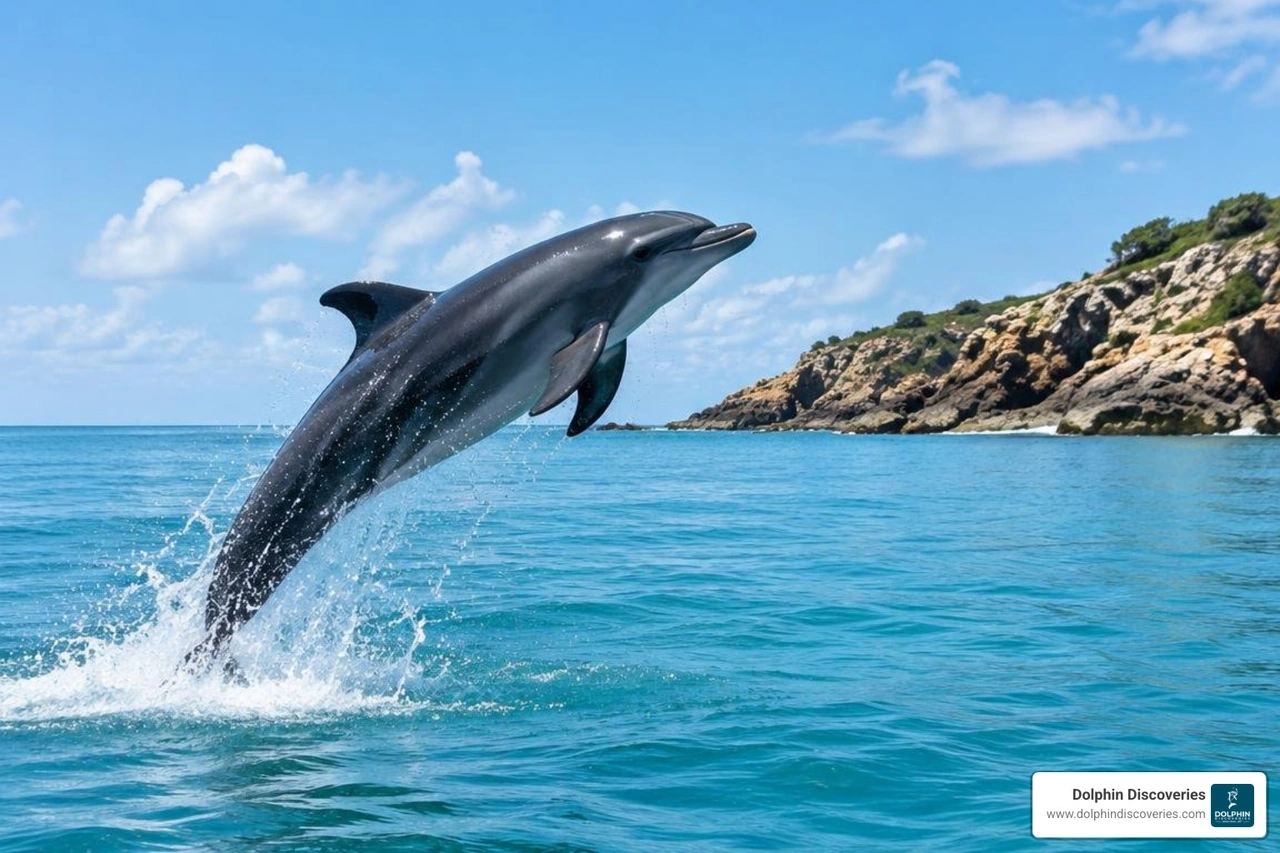
The Moray Firth is home to a resident population of approximately 200 bottlenose dolphins (Tursiops truncatus), representing the most northerly resident pod in the world. To survive in the chilly waters of the North Sea, these animals have adapted physically. They are substantially larger and stockier than their warm-water cousins in places like Hawaii, measuring up to 4 meters (around 13 feet) in length with thick layers of blubber to insulate against the cold.
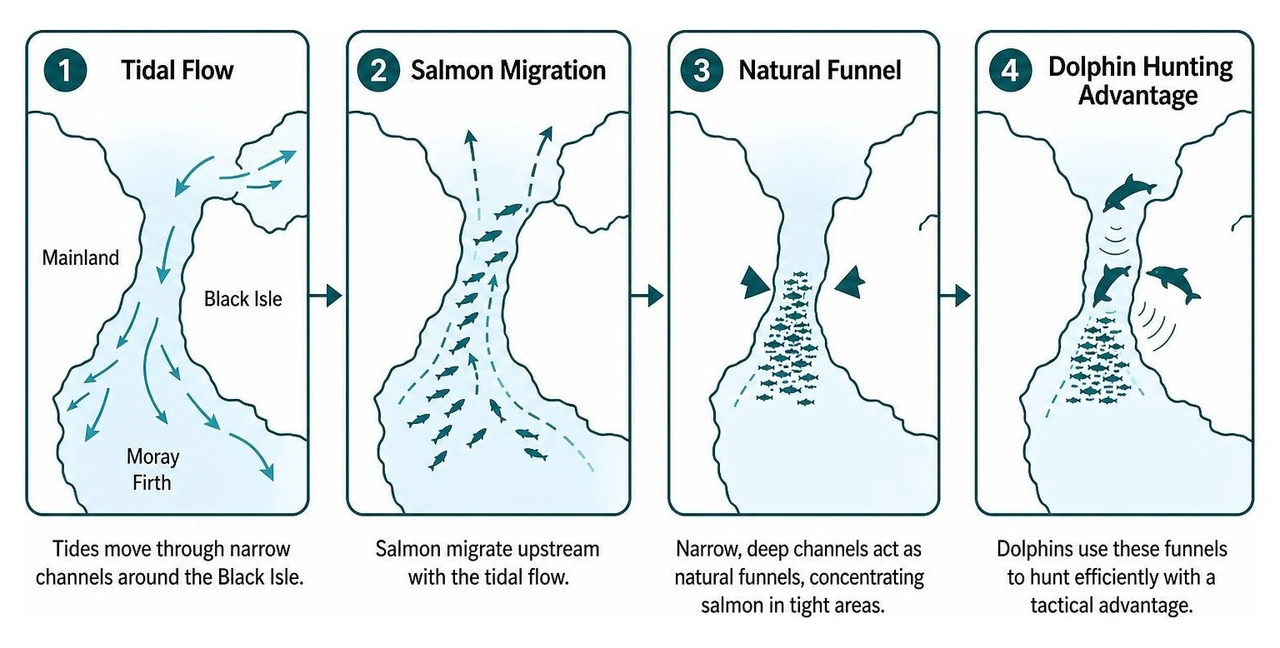
These dolphins rely on powerful echolocation to navigate murky waters and coordinate complex group hunting strategies. Their primary target during spring and summer is migrating Atlantic salmon and sea trout making their way upstream into local Scottish river systems. The narrow, deep channels surrounding the Black Isle act as natural bottlenecks, giving the dolphins a distinct tactical advantage during feeding periods.
Other Marine Life and Coastal Birds
While bottlenose dolphins capture most headlines, the rich ecosystems around the peninsula support an exceptional range of biodiversity. Harbour porpoises (Phocoena phocoena) are frequently spotted in calmer waters, recognizable by their smaller size and triangular dorsal fins. Both grey seals and common (harbour) seals use the local sandbanks and sheltered bays as haul-out and resting sites.
Birdwatchers will find abundant opportunities across the peninsula’s estuaries and woodlands, detailed thoroughly through Wildlife | Black-Isle Info. From coastal raptors like ospreys and red kites circling overhead to thousands of overwintering wigeons and breeding colonies of common terns, the area offers rewarding encounters year-round.
Premier Shore-Based Viewing Locations Along the Peninsula
Shore-based dolphin watching requires no specialized gear other than patience, weather-appropriate clothing, and a good pair of binoculars. The geography of the Black Isle provides several elevated points and protruding headlands that maximize visibility.
Chanonry Point: Prime Spot for Black Isle Dolphin Watching
Located at the tip of a spit between the villages of Fortrose and Rosemarkie, Chanonry Point is undeniably the focal point for land-based cetacean observation in Scotland. Celebrated widely as "The best dolphin view point in Scotland!" - North Coast 500, this narrow spit of land extends directly into the channel opposite historic Fort George.
Because the underwater drop-off is exceptionally steep just off the shingle beach behind the 1846 lighthouse, dolphins frequently feed within yards of the shore. Watching a massive bottlenose dolphin breach clear of the water to stun a salmon while standing on the pebbles is an experience few destinations can match.
North Kessock and the Cromarty Firth Overlooks
Just across the Kessock Bridge from Inverness lies the village of North Kessock, fronting the Beauly Firth. The waterfront here serves as an alternative spotting area where dolphins are occasionally seen patrolling the channel beneath the bridge. The local community pier and beachfront offer calm viewing locations away from larger crowds.
Further north along the peninsula, the historic 18th-century town of Cromarty marks the entrance to the Cromarty Firth. The towering headlands known as the North and South Sutors rise over 100 meters above the water, providing panoramic, elevated lookout points over deep-water channels where marine mammals enter and exit the firth.
Timing Your Visit: Tides, Seasons, and Sighting Conditions
Understanding the mechanics of tidal flow is critical to maximizing your chances of observing wild marine life from shore. Unlike open-ocean tours where boats cover wide foraging areas, land-based spotting relies entirely on the animals coming to you.
How Rising Tides Shape Black Isle Dolphin Watching Behavior
Dolphin activity at Chanonry Point is closely tied to the movement of water. As the tide turns from low to rising (flood tide), powerful currents rush through the narrow strait between Chanonry Point and Fort George.
Migrating salmon fight their way against this strong incoming flow to enter the inner firths, forcing them closer to the drop-off along the beach. Dolphins use the fast water to ambush prey. The prime window for activity generally begins around one hour after low water and continues for several hours as the tide floods the channel.
Seasonal Highlights and Weather Factors
While dolphins reside in the Moray Firth year-round, sighting patterns fluctuate based on prey availability and weather conditions:
- Spring (April – May): Salmon begin their runs; dolphin activity near coastal headlands increases noticeably.
- Summer (June – August): Peak viewing months with extended daylight hours, calmer seas, and active pods hunting near the surface.
- Autumn (September – November): Seabird migrations bring thousands of waders and ducks to local bays; pods continue regular coastal patrols.
- Winter (December – March): Shorter days and choppier conditions make spotting difficult, though dolphins remain active in the firth.
Flat, calm water ("glassy sea") offers the best viewing conditions. High winds, heavy chop, and whitecaps create surface clutter that makes dorsal fins difficult to distinguish from breaking waves.
Planning Your Excursion: Boat Tours, Shore Etiquette, and Practical Tips
A successful wildlife outing requires preparation, respectful behavior, and attention to local regulations.
Shore-Based Viewing Tips and Visitor Logistics
To ensure your visit is safe and protects the local environment, keep these guidelines in mind:
- Check Local Tide Tables: Always verify low and high tide times for Fortrose or Chanonry Point before setting out.
- Plan for Parking Congestion: The car park at Chanonry Point Lighthouse has very limited capacity and can gridlock quickly. Consider parking in Fortrose or Rosemarkie and walking along the scenic links or coastline path (approximately 20–30 minutes).
- Dress for Highland Weather: Even in summer, coastal winds can be brisk. Bring warm layers, a windproof and waterproof outer jacket, and sturdy footwear suitable for walking on loose pebbles.
- Stay Back from the Waterline: The drop-off at Chanonry Point is steep, and tidal currents here are exceptionally fast and hazardous. Never wade into the channel, and keep children and pets securely away from the water's edge.
- Respect Drone Restrictions: Flying recreational drones at Chanonry Point is strictly restricted due to local airspace regulations and laws prohibiting the disturbance and harassment of marine mammals.
Marine Tour Options and Ethical Wildlife Etiquette
For those looking to get out on the water, guided boat trips operate from surrounding harbors including Cromarty, Avoch, and Inverness Marina. Tour options generally fall into two categories: high-speed Rigid Inflatable Boats (RIBs) designed for fast, agile maneuvering across open water, and larger passenger catamarans that provide sheltered seating, onboard amenities, and accessible boarding ramps.
Responsible wildlife encounters depend on ethical boating practices. Ethical skippers adhere to strict marine codes of conduct: maintaining a predictable speed, never chasing or boxing in a pod, keeping respectful distances, and allowing curious marine mammals to approach the vessel on their own terms if they choose to do so.
Frequently Asked Questions About Black Isle Dolphin Watching
Are dolphin sightings guaranteed at Chanonry Point?
No. Sightings are never guaranteed in the wild. While Chanonry Point boasts high success rates during optimal tidal windows, dolphins are mobile predators with vast feeding ranges. Factors such as localized fish movements, weather conditions, and sea state dictate where the pod spends its time on any given day.
Can visitors fly drones to photograph dolphins on the Black Isle?
No. Operating recreational drones near marine mammals at Chanonry Point is prohibited. The area falls within controlled airspace parameters, and Scottish wildlife legislation classifies low-altitude drone flights over cetaceans as illegal harassment and disturbance.
What facilities are available at Chanonry Point?
Facilities directly at the lighthouse spit are minimal. There are no public toilet blocks at Chanonry Point itself; visitors should use the public facilities located in nearby Fortrose or Rosemarkie before walking down to the beach. An occasional seasonal refreshments van may be present during peak summer days, but bringing your own drinking water and snacks is recommended.
Conclusion
Observing wild bottlenose dolphins against the rugged backdrop of the Scottish Highlands is an unforgettable encounter with the natural world. By understanding tidal currents, timing your visit carefully, and respecting wildlife guidelines, you can maximize your chances of witnessing these majestic marine mammals foraging in their native habitat.
As a woman- and veteran-owned marine operator, our team at Dolphin Discoveries shares a deep appreciation for the world’s ocean life. Whether you are observing cold-water pods hunting salmon along the pebble shores of the Moray Firth or exploring tropical reefs alongside us on our ethical ocean wildlife tours in Hawaii, honoring the ocean and its residents ensures these remarkable species thrive for generations to come.